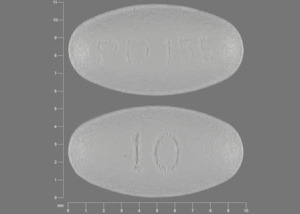
Lipitor Side Effects
Generic name: atorvastatin
Note: This document provides detailed information about Lipitor Side Effects associated with atorvastatin. Some dosage forms listed on this page may not apply specifically to the brand name Lipitor.
Applies to atorvastatin: oral suspension, oral tablet.
Precautions
It is very important that your doctor check your progress at regular visits. This will allow your doctor to see if the medicine is working properly to lower your cholesterol and triglyceride levels and to decide if you should continue to take it. Blood tests may be needed to check for unwanted effects.
Using this medicine while you are pregnant can harm your unborn baby. Use an effective form of birth control to keep from getting pregnant. If you think you have become pregnant while using the medicine, tell your doctor right away.
Call your doctor right away if you have unexplained muscle pain, tenderness, or weakness, especially if you also have unusual tiredness or a fever. These may be symptoms of serious muscle problems, such as myopathy or immune-mediated necrotizing myopathy (IMNM).
Call your doctor right away if you have dark-colored urine, fever, muscle cramps or spasms, muscle pain or stiffness, or unusual tiredness or weakness. These could be symptoms of a serious muscle problem called rhabdomyolysis, which can cause kidney problems.
Call your doctor right away if you get a headache, stomach pain, vomiting, dark-colored urine, loss of appetite, weight loss, general feeling of tiredness or weakness, light-colored stools, upper right stomach pain, or yellow eyes or skin. These could be symptoms of liver damage.
Make sure any doctor or dentist who treats you knows that you are using this medicine. You may need to stop using this medicine if you have a major surgery, major injury, or you develop other serious health problems.
Do not take other medicines unless they have been discussed with your doctor. This includes prescription or nonprescription (over-the-counter [OTC]) medicines and herbal or vitamin supplements.
Common side effects of Lipitor
Some side effects of atorvastatin may occur that usually do not need medical attention. These side effects may go away during treatment as your body adjusts to the medicine. Also, your health care professional may be able to tell you about ways to prevent or reduce some of these side effects.
Check with your health care professional if any of the following side effects continue or are bothersome or if you have any questions about them:
More common side effects
- headache
- hoarseness
- lower back or side pain
- pain or tenderness around the eyes and cheekbones
- painful or difficult urination
- stuffy or runny nose
Less common side effects
- back pain
- belching or excessive gas
- constipation
- general feeling of discomfort or illness
- heartburn, indigestion, or stomach discomfort
- lack or loss of strength
- loss of appetite
- nausea
- shivering
- stomach pain
- sweating
- trouble sleeping
- vomiting
Incidence not known
- appetite increased
- black, tarry stools
- bloody nose
- bloody or cloudy urine
- blurred vision
- continuing ringing or buzzing or other unexplained noise in the ears
- difficult, burning, or painful urination
- difficulty seeing at night
- excessive muscle tone or tension
- fruit-like breath odor
- groin or scrotum pain
- inability to have or keep an erection
- increased body movements
- increased sensitivity of the eyes to light
- increased sensitivity to touch or pain
- increased thirst
- increased urination
- loss of bladder control
- loss of sexual ability, drive, or desire
- menstrual bleeding occurring earlier or lasting longer than usual
- mental depression
- nervousness
- nightmares
- pale skin
- paranoia
- pinpoint red spots on the skin
- slurred speech
- swollen or tender lymph glands in the neck, armpit, or groin
- unable to move or feel face
- unusual bleeding or bruising
- weight loss
Serious side effects of Lipitor
Along with its needed effects, atorvastatin (the active ingredient contained in Lipitor) may cause some unwanted effects. Although not all of these side effects may occur, if they do occur they may need medical attention.
Check with your doctor immediately if any of the following side effects occur while taking atorvastatin:
Less common or rare side effects
- chest tightness
- cough
- difficulty with swallowing
- dizziness
- fast heartbeat
- fever
- hives, itching, skin rash
- muscle cramps, pain, stiffness, swelling, or weakness
- puffiness or swelling of the eyelids or around the eyes, face, lips, or tongue
- unusual tiredness or weakness
Incidence not known
- blistering, peeling, or loosening of the skin
- chills
- dark-colored urine
- diarrhea
- joint pain
- large, hive-like swelling on the face, eyelids, lips, tongue, throat, hands, legs, feet, or sex organs
- red skin lesions, often with a purple center sore
- red, irritated eyes
- sore throat
- sores, ulcers, or white spots in the mouth or on the lips
See also:
Repatha
Repatha is used to lower high cholesterol alongside dietary changes and to reduce the risk of major ...
Crestor
Crestor (rosuvastatin) is used to treat high cholesterol and high triglycerides in the blood ...
Dupixent
Dupixent is used to treat eczema, eosinophilic or oral-corticosteroid-dependent asthma, chronic ...
Zocor
Zocor (simvastatin) reduces low-density lipoprotein cholesterol and total cholesterol in the blood ...
Praluent
Praluent (alirocumab) is an injectable medicine that is given under your skin which may be used in ...
Vytorin
Vytorin (ezetimibe and simvastatin) lowers bad cholesterol in the blood, and raises good ...
Simvastatin/sitagliptin
Simvastatin/sitagliptin is used for cardiovascular risk reduction, high cholesterol, high ...
Alirocumab
Alirocumab is an injectable medicine that is given under your skin and may be used in adults with ...
Evolocumab
Evolocumab is used to reduce the risk of major adverse cardiovascular (CV) events in adults with ...
Ezetimibe/rosuvastatin
Ezetimibe/rosuvastatin is used for high cholesterol, high cholesterol, familial homozygous
For healthcare professionals
Applies to atorvastatin: oral suspension, oral tablet.
General adverse events
The most common adverse reactions were nasopharyngitis, arthralgia, diarrhea, pain in extremity, and urinary tract infection.[Ref]
Dermatologic
- Uncommon (0.1% to 1%): Rash, pruritus, urticaria, alopecia
- Rare (0.01% to 0.1%): Angioedema
- Postmarketing reports: Angioneurotic edema, bullous rashes/bullous dermatitis
Bullous rashes/bullous dermatitis included erythema multiforme, Stevens-Johnson syndrome, and toxic epidermal necrolysis.
Endocrine
- Postmarketing reports: Gynecomastia
Gastrointestinal
- Very common (10% or more): Diarrhea (up to 14.1%)
- Common (1% to 10%): Dyspepsia, nausea, flatulence, constipation
- Uncommon (0.1% to 1%): Abdominal discomfort, abdominal pain, vomiting, upper abdominal pain, lower abdominal pain, pancreatitis, eructation
- Postmarketing reports: Pancreatitis
Genitourinary
- Common (1% to 10%): Urinary tract infection
- Uncommon (0.1% to 1%): Positive for WBCs in urine, erectile dysfunction
Hematologic
- Postmarketing reports: Thrombocytopenia
Hepatic
- Common (1% to 10%): Persistent serum transaminase elevations, abnormal liver function test
- Uncommon (0.1% to 1%): Hepatitis
- Rare (0.01% to 0.1%): Cholestasis
- Frequency not reported: Increased transaminases, abnormal liver function test, jaundice, increased liver enzyme tests, persistent liver enzyme elevations
- Postmarketing reports: Fatal/nonfatal hepatic failure
Persistent elevations in serum transaminases, defined as greater than 3 times the upper limit of normal (3 x ULN) and occurring on at least 2 occasions, occurred in 0.7% of patients who received this drug in clinical trials; these occurred in 0.2%, 0.2%, 0.6%, and 2.3% of patients taking 10, 20, 40, and 80 mg, respectively.
Abnormal liver function test included increased hepatic enzyme, increased ALT, increased AST, increased blood bilirubin, abnormal liver function test, and increased transaminases.
Hypersensitivity
- Common (1% to 10%): Allergic reactions
- Rare (0.01% to 0.1%): Hypersensitivity
- Postmarketing reports: Anaphylaxis
Hypersensitivity included anaphylaxis.
Metabolic
- Common (1% to 10%): Diabetes, hyperglycemia
- Uncommon (0.1% to 1%): Hypoglycemia, anorexia
- Frequency not reported: Increased hemoglobin A1c, increased fasting serum glucose levels
Musculoskeletal
- Very common (10% or more): Arthralgia (up to 11.7%)
- Common (1% to 10%): Pain in extremity, musculoskeletal pain, muscle spasms, myalgia, increased creatine phosphokinase (CPK), joint swelling, back pain
- Uncommon (0.1% to 1%): Neck pain, muscle fatigue
- Rare (0.01% to 0.1%): Immune-mediated necrotizing myopathy, myositis, myopathy, tendinopathy
- Postmarketing reports: Tendon rupture, rhabdomyolysis, lupus-like syndrome, muscle rupture, immune-mediated necrotizing myopathy
Statins:
- Postmarketing reports: Immune-mediated necrotizing myopathy
Elevated CPK (at least 10 x ULN) was higher in the high-dose group (80 mg: 0.3%) compared to the low-dose group (10 mg: 0.1%).
Signs/symptoms of rhabdomyolysis included muscle weakness, muscle swelling, muscle pain, dark urine, myoglobinuria, elevated serum creatine kinase, acute renal failure, and cardiac arrhythmia.
Immune-mediated necrotizing myopathy has been reported rarely with statin use; there have been reports of recurrence when the same or a different statin was administered.
Nervous system
- Common (1% to 10%): Hemorrhagic stroke, headache
- Uncommon (0.1% to 1%): Paresthesia, tinnitus
- Rare (0.01% to 0.1%): Peripheral neuropathy
- Postmarketing reports: Dizziness, peripheral neuropathy, hypoesthesia, amnesia, dysgeusia, myasthenia gravis
Statins:
- Postmarketing reports: Cognitive impairment, new-onset/exacerbation of myasthenia gravis
Hemorrhagic stroke was reported in 2.3% of patients. The incidence of fatal hemorrhagic stroke was similar between this drug and placebo, while the incidence of nonfatal hemorrhagic stroke was significantly greater with this drug.
Cognitive impairment (e.g., memory loss, forgetfulness, amnesia, memory impairment, confusion) has been reported rarely with all statins. Cognitive impairment was generally nonserious and reversible upon statin discontinuation; times to symptom onset (1 day to years) and symptom resolution (median of 3 weeks) were variable.
New-onset or exacerbation of myasthenia gravis (including ocular myasthenia) has been reported rarely with statin use; there have been reports of recurrence when the same or a different statin was administered.
Ocular
- Uncommon (0.1% to 1%): Blurred vision
- Rare (0.01% to 0.1%): Visual disturbance
- Postmarketing reports: Ocular myasthenia
Statins:
- Postmarketing reports: Ocular myasthenia
Other
- Uncommon (0.1% to 1%): Deafness/hearing loss, asthenia, malaise, infection, pyrexia
- Rare (0.01% to 0.1%): Injury
- Frequency not reported: Increased blood alkaline phosphatase
- Postmarketing reports: Fatigue, chest pain, peripheral edema, increased weight
Psychiatric
- Common (1% to 10%): Insomnia
- Uncommon (0.1% to 1%): Nightmare
- Postmarketing reports: Depression
Renal
- Frequency not reported: Acute kidney injury
Acute kidney injury secondary to myoglobinuria and rare fatalities have occurred as a result of rhabdomyolysis in patients treated with this drug.
Respiratory
- Very common (10% or more): Nasopharyngitis (up to 12.9%)
- Common (1% to 10%): Pharyngolaryngeal pain, epistaxis
- Uncommon (0.1% to 1%): Influenza, asthma
- Rare (0.01% to 0.1%): Sinusitis, pharyngitis
- Postmarketing reports: Interstitial lung disease
Exceptional cases of interstitial lung disease (especially with long-term therapy) have been reported with some statins.
References
1. (2024) "Product Information. Lipitor (atorvastatin)." Viatris Specialty LLC, SUPPL-81
2. (2024) "Product Information. Atorvaliq (atorvastatin)." Carolina Medical Products Company, SUPPL-2
3. (2023) "Product Information. Lipitor (atorvastatin)." Aspen Pharmacare Australia Pty Ltd
4. (2024) "Product Information. Lorstat (atorvastatin)." Alphapharm Pty Ltd
5. (2024) "Product Information. Lipitor (atorvastatin)." Viatris UK Healthcare Ltd
6. (2024) "Product Information. Atorvastatin (atorvastatin)." Rosemont Pharmaceuticals Ltd
Frequently asked questions
- Does Green Tea interact with any drugs?
- Do I need to eat food when taking atorvastatin?
- What are the side effects of statins?
- Does Lipitor work better if you take it at night?
- Can Lipitor affect libido?
- Can you use limes or lime juice while taking statin drugs (i.e. atorvastatin)?
- How long does atorvastatin stay in the system after stopping the drug?
More about Lipitor (atorvastatin)
- Check interactions
- Compare alternatives
- Pricing & coupons
- Reviews (102)
- Drug images
- Latest FDA alerts (9)
- Dosage information
- Patient tips
- During pregnancy
- Generic availability
- Support group
- Drug class: statins
- Breastfeeding
- En español
Patient resources
Other brands
Professional resources
Other brands
Related treatment guides
Further information
Lipitor side effects can vary depending on the individual. Always consult your healthcare provider to ensure the information displayed on this page applies to your personal circumstances.
Note: Medication side effects may be underreported. If you are experiencing side effects that are not listed, submit a report to the FDA by following this guide.