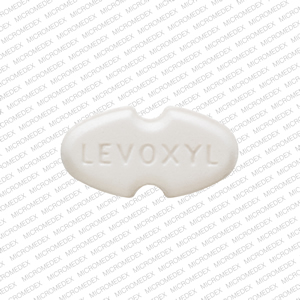
Levoxyl Side Effects
Generic name: levothyroxine
Medically reviewed by Drugs.com. Last updated on Feb 12, 2024.
Note: This document contains side effect information about levothyroxine. Some dosage forms listed on this page may not apply to the brand name Levoxyl.
Applies to levothyroxine: oral capsule liquid filled, oral solution, oral tablet. Other dosage forms:
Warning
Oral route (Capsule; Tablet; Solution)
Thyroid hormones, including levothyroxine, should not be used either alone or with other therapeutic agents for the treatment of obesity or weight loss. In euthyroid patients, doses within the range of daily hormonal requirements are ineffective for weight reduction. Larger doses may produce serious or even life-threatening manifestations of toxicity, particularly when given in association with sympathomimetic amines such as those used for their anorectic effects.
Serious side effects of Levoxyl
Along with its needed effects, levothyroxine (the active ingredient contained in Levoxyl) may cause some unwanted effects. Although not all of these side effects may occur, if they do occur they may need medical attention.
Check with your doctor immediately if any of the following side effects occur while taking levothyroxine:
Less common
- Chest pain, discomfort, or tightness
- decreased urine output
- difficult or labored breathing
- difficulty with swallowing
- dilated neck veins
- extreme fatigue
- fainting
- fast, slow, irregular, pounding, or racing heartbeat or pulse
- fever
- heat intolerance
- hives or welts, skin itching, rash, or redness
- irregular breathing
- irritability
- menstrual changes
- nausea
- pain or discomfort in the arms, jaw, back, or neck
- sweating
- swelling of the eyes, face, lips, throat, or tongue
- tremors
Rare
- Blurred or double vision
- dizziness
- eye pain
- lack or slowing of normal growth in children
- limp or walk favoring one leg
- pain in the hip or knee
- seizures
- severe headache
Get emergency help immediately if any of the following symptoms of overdose occur while taking levothyroxine:
Symptoms of overdose
- Change in consciousness
- cold, clammy skin
- confusion
- disorientation
- fast or weak pulse
- lightheadedness
- loss of consciousness
- sudden headache
- sudden loss of coordination
- sudden slurring of speech
Other side effects of Levoxyl
Some side effects of levothyroxine may occur that usually do not need medical attention. These side effects may go away during treatment as your body adjusts to the medicine. Also, your health care professional may be able to tell you about ways to prevent or reduce some of these side effects.
Check with your health care professional if any of the following side effects continue or are bothersome or if you have any questions about them:
Less common
- Change in appetite
- crying
- diarrhea
- false or unusual sense of well-being
- fear or nervousness
- feeling not well or unhappy
- feeling of discomfort
- feeling of warmth
- feeling things are not real
- feelings of suspicion and distrust
- hair loss
- headache
- increased appetite
- mental depression
- muscle weakness
- quick to react or overreact emotionally
- rapidly changing moods
- redness of the face, neck, arms, and occasionally, upper chest
- restlessness
- stomach cramps
- trouble getting pregnant
- trouble sitting still
- unusual tiredness or weakness
- vomiting
- weight gain or loss
For Healthcare Professionals
Applies to levothyroxine: compounding powder, injectable powder for injection, intravenous powder for injection, intravenous solution, oral capsule, oral solution, oral tablet.
General
The more commonly reported adverse events have included those of hyperthyroidism due to therapeutic overdose including arrhythmias, myocardial infarction, dyspnea, muscle spasm, headache, nervousness, irritability, insomnia, tremors, muscle weakness, increased appetite, weight loss, diarrhea, heat intolerance, menstrual irregularities, and skin rash.
Cardiovascular
Frequency not reported: Palpitations, tachycardia, hypertension, arrhythmias, increased pulse and blood pressure, heart failure, angina, myocardial infarction, cardiac arrest[Ref]
Cardiac function was evaluated in 20 patients requiring TSH suppression for either thyroid goiter or following thyroidectomy and radioactive iodine therapy for thyroid cancer and in 20 age and sex-matched controls. TSH suppression was associated with an increased incidence of premature ventricular beats, an increased left ventricular mass index, and enhanced left ventricular systolic function. The clinical significance of these changes remains to be determined.
Overtreatment with this drug may cause an increase in heart rate, cardiac wall thickness, and cardiac contractility and may precipitate angina or arrhythmias, particularly in patients with cardiovascular disease and in elderly patients.[Ref]
Endocrine
Frequency not reported: Changes in symptom presentation for diabetes and adrenal cortical insufficiency[Ref]
Nervous system
Frequency not reported: Headache, hyperactivity, insomnia, seizures, pseudotumor cerebri (children)[Ref]
Dermatologic
Frequency not reported: Hair loss, flushing, urticaria, pruritus, skin rash, angioedema, excessive sweating[Ref]
Musculoskeletal
Frequency not reported: Tremors, muscle weakness, muscle cramps, increased risk of osteoporosis, slipped capital femoral epiphysis (children)[Ref]
A study evaluated the effect of long-term thyroid hormone therapy on bone mineral density in 196 women (mean age, 74.4 years) compared to a control group comprised of 795 women (mean age, 72.1 years). The mean daily thyroxine dose was 1.99 mcg/kg (range, 0.3 to 6.6 mcg/kg) with a mean duration of therapy of 20.4 years (range, less than 1 to 68 years). Women taking daily doses of 1.6 mcg/kg or more had significantly lower bone mineral density levels at the ultradistal radius, midshaft radius, hip, and lumbar spine compared to controls. However, estrogen use appeared to negate the adverse effects of thyroid hormone on bone mineral density.
Higher rates of femur fractures have been found in males (p=0.008) prescribed long-term thyroid hormone therapy as compared to controls in a case-control analysis of 23,183 patients, from the United Kingdom General Practice Research Database, prescribed thyroid hormone.
Overtreatment may result in craniosynostosis in infants and premature closure of the epiphyses in children with resultant compromised adult height.[Ref]
Gastrointestinal
Frequency not reported: Diarrhea, vomiting, abdominal cramps[Ref]
Genitourinary
Frequency not reported: Menstrual irregularities, impaired fertility[Ref]
Hypersensitivity
Frequency not reported: Serum sickness, hypersensitivity to inactive ingredients[Ref]
Hypersensitivity reactions have occurred; however, it has been attributed to the inactive ingredients. These reactions have included urticaria, pruritus, skin rash, flushing, angioedema, various GI symptoms (abdominal pain, nausea, vomiting and diarrhea), fever, arthralgia, serum sickness and wheezing. Hypersensitivity to levothyroxine itself is not known to occur.[Ref]
Metabolic
Frequency not reported: Increased appetite, weight loss[Ref]
Immunologic
Frequency not reported: Autoimmune disorders (e.g., chronic autoimmune thyroiditis)[Ref]
Other
Frequency not reported: Fatigue, heat intolerance, fever[Ref]
Psychiatric
Frequency not reported: Nervousness, anxiety, irritability, emotional lability[Ref]
Frequently asked questions
- What is the difference between Levoxyl and Synthroid?
- Should you take your thyroid medication at night?
- Who makes Levoxyl and where is it manufactured?
- Is Levoxyl a brand or a generic?
- Does levothyroxine cause weight gain or loss?
- What can I eat for breakfast after taking levothyroxine?
- Can I take other medications with levothyroxine?
- Does levothyroxine cause hair loss?
- How long after taking levothyroxine can you drink milk?
More about Levoxyl (levothyroxine)
- Check interactions
- Compare alternatives
- Pricing & coupons
- Reviews (38)
- Drug images
- Dosage information
- During pregnancy
- Drug class: thyroid drugs
- Breastfeeding
- En español
Patient resources
Other brands
Synthroid, Euthyrox, Tirosint, Unithroid, ... +3 more
Professional resources
Other brands
Synthroid, Euthyrox, Tirosint, Unithroid, ... +5 more
Related treatment guides
References
1. Petersen K, Bengtason C, Lapidus L, et al. Morbidity, mortality, and quality of life for patients treated with levothyroxine. Arch Intern Med. 1990;150:2077-81.
2. Leese GP, Jung RT, Guthrie C, Waugh N, Browning MC. Morbidity in patients on L-thyroxine: a comparison of those with a normal TSH to those with a suppressed TSH. Clin Endocrinol (Oxf). 1992;37:500-3.
3. Product Information. Synthroid (levothyroxine). Abbott Pharmaceutical. 2002;PROD.
4. Sheppard MC, Holder R, Franklyn JA. Levothyroxine treatment and occurrence of fracture of the hip. Arch Intern Med. 2002;162:338-43.
5. Cerner Multum, Inc. UK Summary of Product Characteristics.
6. Pharmaceutical Society of Australia. APPGuide online. Australian prescription products guide online. http://www.appco.com.au/appguide/default.asp 2006.
Further information
Always consult your healthcare provider to ensure the information displayed on this page applies to your personal circumstances.
Some side effects may not be reported. You may report them to the FDA.