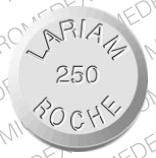
Lariam Side Effects
Generic name: mefloquine
Medically reviewed by Drugs.com. Last updated on Feb 26, 2024.
Note: This document provides detailed information about Lariam Side Effects associated with mefloquine. Some dosage forms listed on this page may not apply specifically to the brand name Lariam.
Applies to mefloquine: oral tablet.
Important warnings
This medicine can cause some serious health issues
Oral route (tablet)
Mefloquine may cause neuropsychiatric adverse reactions that can persist after mefloquine has been discontinued.
Mefloquine should not be prescribed for prophylaxis in patients with major psychiatric disorders.
During prophylactic use, if psychiatric or neurologic symptoms occur, the drug should be discontinued and an alternative medication should be substituted
Common side effects of Lariam
Some side effects of mefloquine may occur that usually do not need medical attention. These side effects may go away during treatment as your body adjusts to the medicine. Also, your health care professional may be able to tell you about ways to prevent or reduce some of these side effects.
Check with your health care professional if any of the following side effects continue or are bothersome or if you have any questions about them:
More common
- diarrhea
- emotional problems
- nausea
- stomach pain
Less common
- abnormal dreams
- loss of appetite
- skin rash
Rare
- loss of hair
Incidence not known
- acid or sour stomach
- belching
- flushing or redness of the skin
- heartburn
- indigestion
- skin rash with a general disease
- stomach discomfort, upset, or pain
- swelling
- unusually warm skin
Serious side effects of Lariam
Along with its needed effects, mefloquine (the active ingredient contained in Lariam) may cause some unwanted effects. Although not all of these side effects may occur, if they do occur they may need medical attention.
Check with your doctor immediately if any of the following side effects occur while taking mefloquine:
Rare
- aching joints and muscles
- anxiety
- blistering, loosening, peeling, or redness of the skin
- chest pain or discomfort
- chills
- confusion
- convulsions (seizures)
- cough or hoarseness
- dizziness
- fainting
- fever
- hallucinations (seeing, hearing, or feeling things that are not there)
- irregular, pounding, slow, or fast heartbeat or pulse
- irritability
- lightheadedness
- lower back or side pain
- mental depression
- painful or difficult urination
- pinpoint red spots on the skin
- red or irritated eye
- restlessness
- sore throat
- sores, ulcers, or white spots in the mouth or on the lips
- stiff neck
- swelling of the ankles, feet, or lower legs
- unusual bleeding or bruising
- unusual tiredness or weakness
- vomiting
Incidence not known
- blurred or loss of vision
- continuing ringing or buzzing or other unexplained noise in the ears
- disturbed color perception
- double vision
- feeling of constant movement of self or surroundings
- halos around lights
- hearing loss
- hearing problems
- loss of balance
- loss of bladder control
- muscle spasm or jerking of all extremities
- night blindness
- overbright appearance of lights
- sensation of spinning
- severe or continuing headache
- sudden loss of consciousness
- trouble sleeping
- troubled breathing
- tunnel vision
For healthcare professionals
Applies to mefloquine: oral tablet.
General
At the doses used for treatment of acute malaria infections, the side effects possibly associated with this drug could not be distinguished from the side effects usually associated with the disease. The most common side effects reported during treatment included dizziness, myalgia, nausea, fever, headache, vomiting, chills, diarrhea, skin rash, abdominal pain, fatigue, loss of appetite, and tinnitus.
The most common side effects reported during malaria prophylaxis included nausea, vomiting, and dizziness.
Due to the long half-life of this drug, side effects have occurred and persisted up to several weeks after drug discontinuation.[Ref]
Psychiatric
- Very common (10% or more): Abnormal dreams/strange or vivid dreams (13.7%), insomnia (13.5%)
- Common (1% to 10%): Depression, anxiety
- Frequency not reported: Emotional problems, transient emotional disturbances, behavioral changes, mania, nightmares, delusions, tension, anger, organic psychosis, dysphoria
- Postmarketing reports: Anxiety, depression, mood swings, panic attacks, confusion/confusional state, hallucinations, aggression, agitation, restlessness, psychotic/paranoid reactions, suicidal ideation, suicide, attempted suicide, self-endangering behavior, bipolar disorder, psychotic disorder (including delusional disorder, depersonalization, mania, schizophrenia/schizophreniform disorder), paranoia, disturbance in attention[Ref]
Gastrointestinal
- Common (1% to 10%): Nausea, diarrhea, abdominal pain, mouth ulcers, vomiting
- Postmarketing reports: Nausea, vomiting, abdominal pain, loose stools/diarrhea, dyspepsia, pancreatitis[Ref]
Nervous system
- Common (1% to 10%): Dizziness, vertigo, headache
- Frequency not reported: Syncope, encephalopathy of unknown etiology, tinnitus, seizures, myoclonus
- Postmarketing reports: Dizziness, vertigo, loss of balance/balance disorder, neuropsychiatric events (e.g., headache, somnolence), peripheral sensory and motor neuropathies (including paresthesia, tremor, ataxia), convulsions, agitation, restlessness, memory impairment, encephalopathy, vestibular disorders (including tinnitus, hearing impairment), cranial nerve paralysis, amnesia (some lasted more than 3 months), speech disorder, gait disturbance, partial deafness (sometimes prolonged), hyperacusis[Ref]
Encephalopathy of unknown etiology was reported during prophylactic use; however, the relationship to drug administration could not be established.[Ref]
Dermatologic
- Common (1% to 10%): Itching/pruritus
- Frequency not reported: Skin rash, hair loss, telogen effluvium, cutaneous vasculitis
- Postmarketing reports: Rash, exanthema, erythema, urticaria, pruritus, alopecia/hair loss, hyperhidrosis, erythema multiforme, Stevens-Johnson syndrome[Ref]
Ocular
- Common (1% to 10%): Visual difficulties
- Postmarketing reports: Visual impairment, blurred vision, cataracts, retinal disorders, optic neuropathy[Ref]
Cardiovascular
- Frequency not reported: Extrasystoles, cardiopulmonary arrest, bradycardia, transitory and clinically silent ECG alterations (including sinus bradycardia, sinus arrhythmia, first degree atrioventricular block, prolongation of the QTc interval, abnormal T waves), atrial flutter
- Postmarketing reports: Circulatory disturbances (hypotension, hypertension, flushing, syncope), chest pain, tachycardia, palpitation, bradycardia, irregular heart rate, extrasystoles, atrioventricular block, other transient cardiac conduction alterations[Ref]
Cardiopulmonary arrest was reported in 1 patient after a single prophylactic dose while concomitantly using propranolol.[Ref]
Hematologic
- Frequency not reported: Decreased hematocrit, anemia, isolated thrombocytopenia, hemolytic anemia, thrombotic thrombocytopenic purpura
- Postmarketing reports: Agranulocytosis, aplastic anemia, leukopenia, leukocytosis, thrombocytopenia[Ref]
A 56-year-old male experienced thrombotic thrombocytopenic purpura (TTP) coincident with use of this drug. A week before admission, the patient developed weakness, followed some days later by anorexia, myalgia, and lethargy, and, finally, by fever, confusion, and blurred vision. A central venous catheter was placed in the right jugular vein and 2 plasmapheresis sessions (12 units of fresh frozen plasma) were conducted in the first 24 hours. Neurological status improved after the first plasmapheresis; hematological abnormalities disappeared in the first few days of therapy. For this patient, the presence of severe neurological symptoms together with fever, thrombocytopenia, and microangiopathic anemia suggested a more complex hematological abnormality, such as TTP. The causal relation between drug and disease is supported by the temporal relation of drug intake with the onset of the clinical symptoms and laboratory abnormalities, as well as by their prompt improvement after the aphaeretic therapy and drug withdrawal.[Ref]
Other
- Frequency not reported: Asthenia, fatigue, fever, chills, weakness
- Postmarketing reports: Asthenia, edema, chest pain, malaise, fatigue, fever/pyrexia, chills[Ref]
Musculoskeletal
- Frequency not reported: Myalgia, moderately severe arthralgias, moderately severe myalgias
- Postmarketing reports: Muscle/muscular weakness, muscle spasms/cramps, myalgia, arthralgia[Ref]
Hypersensitivity
- Frequency not reported: Hypersensitivity reactions (from mild cutaneous events to anaphylaxis)[Ref]
Respiratory
- Frequency not reported: Eosinophilic pneumonia
- Postmarketing reports: Dyspnea, pneumonitis of possible allergic etiology, pneumonia[Ref]
A 67-year-old female with a history of pityriasis versicolor experienced eosinophilic pneumonia coincident with infliximab therapy. She was admitted because she had experienced high-grade fever (39C), malaise, productive cough, and dyspnea on exertion during the previous week. She had traveled to South Africa for 8 weeks and had taken this drug (250 mg orally once a week) as malaria prophylaxis. The therapy was continued for 4 weeks after she returned home. A thorough workup led to the diagnosis of eosinophilic pneumonia due to this drug. Her condition improved after the drug was withdrawn.[Ref]
Hepatic
- Frequency not reported: Transient elevation of transaminases
- Postmarketing reports: Drug-related hepatic disorders (from asymptomatic transient transaminase elevations to hepatic failure), hepatic failure, hepatitis, jaundice, increased asymptomatic transient transaminases (ALT, AST, GGT)
Metabolic
- Frequency not reported: Loss of appetite, anorexia
- Postmarketing reports: Decreased appetite[Ref]
Renal
- Postmarketing reports: Acute renal failure, nephritis, increased blood creatinine
References
1. (1990) "Mefloquine for malaria." Med Lett Drugs Ther, 31, p. 13-4
2. Cerner Multum, Inc. "UK Summary of Product Characteristics."
3. Cerner Multum, Inc. "Australian Product Information."
4. Caillon E, Schmitt L, Moron P (1992) "Acute depressive symptoms after mefloquine treatment." Am J Psychiatry, 149, p. 712
5. Weinke T, Trautmann M, Held T, et al. (1991) "Neuropsychiatric side effects after the use of mefloquine." Am J Trop Med Hyg, 45, p. 86-91
6. Rouveix B, Bricaire F, Michon C, et al. (1989) "Mefloquine and an acute brain syndrome." Ann Intern Med, 110, p. 577-8
7. Bem JL, Kerr L, Stuerchler D (1992) "Mefloquine prophylaxis: an overview of spontaneous reports of severe psychiatric reactions and convulsions." J Trop Med Hyg, 95, p. 167-79
8. Bjorkman A (1989) "Acute psychosis following mefloquine prophylaxis." Lancet, 2, p. 865
9. Stuiver PC, Ligthelm RJ, Goud TJ (1989) "Acute psychosis after mefloquine." Lancet, 2, p. 282
10. Harinasuta T, Bunnag D, Wernsdorfer WH (1983) "A phase II clinical trial of mefloquine in patients with chloroquine-resistant falciparum malaria in thailand." Bull World Health Organ, 61, p. 299-305
11. (2021) "Product Information. Mefloquine Hydrochloride (mefloquine)." Hikma USA (formerly West-Ward Pharmaceutical Corporation)
12. White NJ (1994) "Mefloquine." Br Med J, 308, p. 286-7
13. Speich r, Haller A (1994) "Central anticholinergic syndrome with the antimalarial drug mefloquine." N Engl J Med, 331, p. 57-8
14. Hennequin C, Bouree P, Bazin N, Bisaro F, Feline A (1994) "Severe psychiatric side effects observed during prophylaxis and treatment with mefloquine." Arch Intern Med, 154, p. 2360-2
15. Croft AMJ, World MJ (1996) "Neuropsychiatric reactions with mefloquine chemoprophylaxis." Lancet, 347, p. 326
16. Meszaros K (1996) "Acute psychosis caused by mefloquine prophylaxis?" Can J Psychiatry, 41, p. 196
17. Piening RB, Young SA (1996) "Mefloquine-induced psychosis." Ann Emerg Med, 27, p. 792-3
18. Phillips M (1996) "Adverse events associated with mefloquine - women may be more susceptible to adverse events." BMJ, 313, p. 1552-3
19. Overbosch D, Schilthuis H, Bienzle U, et al. (2001) "Atovaquone-Proguanil versus Mefloquine for Malaria Prophylaxis in Nonimmune Travelers: Results from a Randomized, Double-Blind Study." Clin Infect Dis, 33, p. 1015-21
20. Van Riemsdijk MM, Ditters JM, Sturkenboom MC, et al. (2002) "Neuropsychiatric events during prophylactic use of mefloquine before travelling." Eur J Clin Pharmacol, 58, p. 441-5
21. Jimenez-Huete A, Gil-Nagel A, Franch O (2002) "Multifocal myoclonus associated with mefloquine chemoprophylaxis." Clin Neuropharmacol, 25, p. 243
22. Winstanley P (1998) "Malaria: treatment." J R Coll Physicians Lond, 32, p. 203-7
23. White NJ, Pukrittayakamee S (1993) "Clinical malaria in the tropics." Med J Aust, 159, p. 197-203
24. Brumbaugh M, Price P, Fagan N, Hsieh H (2008) "Psychotic mania associated with mefloquine in a bipolar patient." South Med J, 101, p. 550-1
25. Freedman DO (2008) "Clinical practice. Malaria prevention in short-term travelers." N Engl J Med, 359, p. 603-12
26. Eaton L (2009) "Mefloquine has more adverse effects than other drugs for malaria prophylaxis." BMJ, 339, b4167
27. Yelmo S, Morera-Fumero AL, Henry M, Renshaw A, Gracia-Marco R (2010) "Mania associated with mefloquine prophylaxis." J Clin Psychopharmacol, 30, p. 339-41
28. ter Kuile FO, Nosten F, Thieren M, et al. (1992) "High-dose mefloquine in the treatment of multidrug-resistant falciparum malaria." J Infect Dis, 166, p. 1393-400
29. Lobel HO, Bernard KW, Williams SL, et al. (1991) "Effectiveness and tolerance of long-term malaria prophylaxis with mefloquine: need for a better dosing regimen." JAMA, 265, p. 361-4
30. De Souza J-M (1983) "A phase I clinical trial of mefloquine in brazilian male subjects." Bull World Health Organ, 61, p. 809-14
31. Ekue JM, Ulrich A-M, Rwabwogo-Atenyi J, Sheth UK (1983) "A double-blind comparative clinical trial of mefloquine and chloroquine in symptomatic falciparum malaria." Bull World Health Organ, 61, p. 713-8
32. Held T, Trautmann M, Weinke T, Mravak S (1991) "A prospective clinical trial of the treatment of falciparum malaria with mefloquine, with special reference to neuro-psychiatric side effects." Trans R Soc Trop Med Hyg, 85, p. 444-5
33. Terkuile FO, Nosten F, Luxemburger C, Kyle D, Tejaisavatharm P, Phaipun L, Price R, Chongsuphajaisiddhi T, White NJ (1995) "Mefloquine treatment of acute falciparum malaria: a prospective study of non-serious adverse effects in 3673 patients." Bull World Health Organ, 73, p. 631-42
34. Bakshi R, Hermeling-Fritz I, Gathmann I, Alteri E (2000) "An integrated assessment of the clinical safety of artemether-lumefantrine: a new oral fixed-dose combination antimalarial drug." Trans R Soc Trop Med Hyg, 94, p. 419-24
35. Singh K, Shanks GD, Wilde H (1991) "Seizures after mefloquine." Ann Intern Med, 114, p. 994
36. Jallon P (1988) "Use of mefloquine in epileptic patients." J Neurol Neurosurg Psychiatry, 51, p. 732
37. Olson PE, Kennedy CA, Morte PD (1992) "Paresthesias and mefloquine prophylaxis." Ann Intern Med, 117, p. 1058-9
38. Gullahorn GM, Bohman HR, Wallace MR (1993) "Anaesthesia emergence delirium after mefloquine prophylaxis." Lancet, 341, p. 632
39. Ruff TA, Sherwen SJ, Donnan GA (1994) "Seizure associated with mefloquine for malaria prophylaxis." Med J Aust, 161, p. 453
40. Choo V (1996) "Uncertainty about mefloquine will take time to resolve." Lancet, 347, p. 891
41. Martin GJ, Malone JL, Ross EV (1993) "Exfoliative dermatitis during malarial prophylaxis with mefloquine." Clin Infect Dis, 16, p. 341-2
42. Scerri L, Pace JL (1993) "Mefloquine-associated cutaneous vasculitis." Int J Dermatol, 32, p. 517-8
43. Australian Government. Department of Health. Therapeutic Goods Administration (2013) Mefloquine hydrochloride (Larium): Safety advisory - potential for visual disturbances. http://www.tga.gov.au/safety/alerts-medicine-mefloquine-hydrochloride-131011.htm
44. Kozarsky P, Eaton M (1993) "Use of mefloquine for malarial chemoprophylaxis in its first year of availability in the United States." Clin Infect Dis, 16, p. 185-6
45. Lench P (1995) "Malaria prophylaxis - psychological problems after mefloquine and chloroquine." BMJ, 311, p. 192
46. Terkuile FO, Luxemburger C, Nosten F, Thwai KL, Chongsuphajaisiddhi T, White NJ (1995) "Predictors of mefloquine treatment failure: a prospective study of 1590 patients with uncomplicated falciparum malaria." Trans R Soc Trop Med Hyg, 89, p. 660-4
47. Fonteyne W, Bauwens A, Jordaens L (1996) "Atrial flutter with 1:1 conduction after administration of the antimalarial drug mefloquine." Clin Cardiol, 19, p. 967-8
48. Nosten F, ter Kuile FO, Luxemburger C, et al. (1993) "Cardiac effects of antimalarial treatment with halofantrine." Lancet, 341, p. 1054-6
49. Stracher AR, Stoeckle MY, Giordano HF (1994) "Aplastic anemia during malarial prophylaxis with mefloquine." Clin Infect Dis, 18, p. 263-4
50. Fiaccadori E, Maggiore U, Rotelli C, et al. (2005) "Thrombotic-thrombocytopenic purpura following malaria prophylaxis with mefloquine." J Antimicrob Chemother, 57, p. 160-1
51. Van Den Eden E, Van Gompel A, Colebunders R, Van Den Ende J (1991) "Mefloquine-induced Stevens-Johnson syndrome." Lancet, 337, p. 683
52. Shlim DR (1991) "Severe facial rash associated with mefloquine." JAMA, 266, p. 2560
53. White AC (1995) "Cutaneous vasculitis associated with mefloquine." Ann Intern Med, 123, p. 894
54. Katsenos S, Psathakis K, Nikolopoulou MI, Constantopoulos SH (2007) "Mefloquine-induced eosinophilic pneumonia." Pharmacotherapy, 27, p. 1767-71
More about Lariam (mefloquine)
- Check interactions
- Compare alternatives
- Reviews (15)
- Drug images
- Dosage information
- During pregnancy
- Drug class: antimalarial quinolines
- Breastfeeding
Patient resources
Professional resources
Related treatment guides
Further information
Lariam side effects can vary depending on the individual. Always consult your healthcare provider to ensure the information displayed on this page applies to your personal circumstances.
Some side effects may not be reported. You may report them to the FDA.