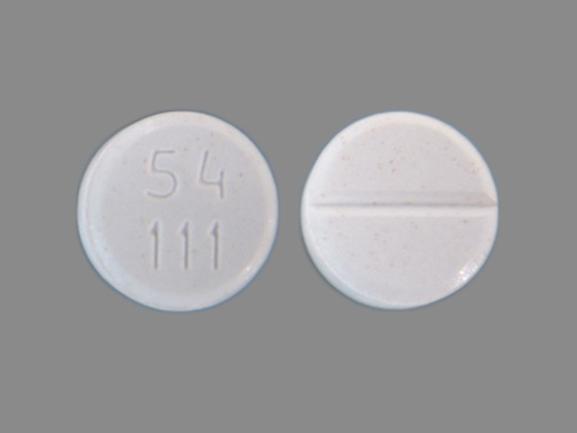
Mefloquine Dosage
Medically reviewed by Drugs.com. Last updated on Aug 4, 2023.
Applies to the following strengths: 250 mg
Usual Adult Dose for:
Usual Pediatric Dose for:
Additional dosage information:
Usual Adult Dose for Malaria
1250 mg orally as a single dose
Use: For treatment of mild to moderate acute malaria due to mefloquine-susceptible strains of Plasmodium falciparum (both chloroquine-susceptible and -resistant strains) or P vivax
US CDC Recommendations: 750 mg orally as initial dose, followed by 500 mg orally 6 to 12 hours after initial dose
Comments:
- Recommended for treatment of uncomplicated malaria due to chloroquine-resistant (or unknown resistance) P falciparum (or species not identified) if other preferred regimens cannot be used; not recommended if infection was acquired in Southeast Asia (due to resistance)
- With (primaquine or tafenoquine [Krintafel]), recommended for treatment of uncomplicated malaria due to chloroquine-resistant P vivax; this drug should be used alone during pregnancy.
- After IV artesunate, for severe malaria (if other options are not available); if needed, as interim therapy for severe malaria until IV artesunate arrives (if other options are not available)
- Current guidelines should be consulted for additional information.
Usual Adult Dose for Malaria Prophylaxis
250 mg orally once a week
Comments:
- This drug should be taken on the same day of each week, preferably after the main meal.
- Prophylaxis should begin 1 week before arrival in an endemic area, continue during the stay, and then continue for 4 weeks after leaving the area.
Use: For the prophylaxis of P falciparum and P vivax malaria infections, including prophylaxis of chloroquine-resistant strains of P falciparum
US CDC Recommendations: 250 mg orally once a week
Comments:
- Recommended as prophylaxis in areas with mefloquine-sensitive malaria
- Prophylaxis should begin at least 2 weeks before travel to malarious areas, continue during the stay, and then continue for 4 weeks after leaving these areas.
- Current guidelines should be consulted for additional information.
Usual Pediatric Dose for Malaria
6 months or older: 20 to 25 mg/kg orally as a single dose
Maximum total dose: 1250 mg
Comments:
- Splitting the total dose into 2 doses given 6 to 8 hours apart may reduce the occurrence/severity of side effects.
- Pediatric dose should not exceed adult dose.
- A second full dose should be administered if vomiting occurs less than 30 minutes after dosing; an additional half-dose should be administered if vomiting occurs 30 to 60 minutes after dosing. If vomiting recurs, the patient should be monitored closely and alternative malaria therapy should be considered if improvement not observed within a reasonable period.
Use: For treatment of mild to moderate acute malaria due to mefloquine-susceptible strains of P falciparum (both chloroquine-susceptible and -resistant strains) or P vivax
US CDC Recommendations: 15 mg/kg orally as initial dose, followed by 10 mg/kg orally 6 to 12 hours after initial dose
Total dose: 25 mg/kg
- Maximum total dose: 1250 mg
Comments:
- Recommended for treatment of uncomplicated malaria due to chloroquine-resistant (or unknown resistance) P falciparum (or species not identified) if other preferred regimens cannot be used; not recommended if infection was acquired in Southeast Asia (due to resistance)
- With primaquine (or tafenoquine [Krintafel] in children 16 years or older), recommended for treatment of uncomplicated malaria due to chloroquine-resistant P vivax
- After IV artesunate, for severe malaria (if other options are not available); if needed, as interim therapy for severe malaria until IV artesunate arrives (if other options are not available)
- Current guidelines should be consulted for additional information.
Usual Pediatric Dose for Malaria Prophylaxis
20 to 30 kg: 125 mg (1/2 tablet) orally once a week
30 to 45 kg: 187.5 mg (3/4 tablet) orally once a week
Greater than 45 kg: 250 mg (1 tablet) orally once a week
Comments:
- Recommended prophylactic dose is about 5 mg/kg (maximum: 250 mg/dose) orally once a week.
- This drug should be taken on the same day of each week, preferably after the main meal.
- Prophylaxis should begin 1 week before arrival in an endemic area, continue during the stay, and then continue for 4 weeks after leaving the area.
Use: For the prophylaxis of P falciparum and P vivax malaria infections, including prophylaxis of chloroquine-resistant strains of P falciparum
US CDC Recommendations:
- Up to 9 kg: 5 mg/kg orally once a week
- Greater than 9 to 19 kg: 62.5 mg (1/4 tablet) orally once a week
- Greater than 19 to 30 kg: 125 mg (1/2 tablet) orally once a week
- Greater than 30 to 45 kg: 187.5 mg (3/4 tablet) orally once a week
- Greater than 45 kg: 250 mg (1 tablet) orally once a week
Comments:
- Recommended as prophylaxis in areas with mefloquine-sensitive malaria
- Prophylaxis should begin at least 2 weeks before travel to malarious areas, continue during the stay, and then continue for 4 weeks after leaving these areas.
- Current guidelines should be consulted for additional information.
Renal Dose Adjustments
Data not available
Liver Dose Adjustments
Data not available
Precautions
US BOXED WARNING:
- NEUROPSYCHIATRIC SIDE EFFECTS: This drug may cause neuropsychiatric side effects that can persist after this drug has been stopped. This drug should not be used for prophylaxis in patients with major psychiatric disorders. If psychiatric or neurologic symptoms develop during prophylactic use, this drug should be stopped and an alternative drug should be substituted.
CONTRAINDICATIONS:
- Known hypersensitivity to the active component or related compounds (e.g., quinine, quinidine) or any of the ingredients
- Prophylactic use in patients with active depression, recent history of depression, generalized anxiety disorder, psychosis, schizophrenia, other major psychiatric disorders, or history of convulsions
Safety and efficacy for the treatment of malaria have not been established in patients younger than 6 months.
Consult WARNINGS section for additional precautions.
Dialysis
Data not available
Other Comments
Dose expressed as mefloquine hydrochloride (i.e., as the salt).
Administration advice:
- Do not administer on an empty stomach; administer with at least 8 ounces (240 mL) of water.
- Tablets may be crushed and suspended in a small amount of water, milk, or other beverage for patients unable to swallow them whole.
Storage requirements:
- Store at 20C to 25C (68F to 77F).
- Protect from light and moisture.
General:
- A Medication Guide and information wallet card (supplied by the manufacturer) must be given to patients when dispensing this drug.
- Competent national expert centers should be consulted for current advice on geographical resistance patterns.
- For Malaria Treatment:
- Patients with life-threatening, serious, or overwhelming malaria infections due to P falciparum should be treated with IV antimalarials; this drug may be used to complete the course of therapy after IV therapy is finished.
- If a full treatment course with this drug does not lead to improvement within 48 to 72 hours, alternative treatment should be used for retreatment (not this drug); similarly, if previous prophylaxis with this drug failed, it should not be used for curative therapy.
- To avoid relapse, after initial treatment of acute P vivax malaria with this drug, patients should subsequently be treated with an 8-aminoquinoline derivative (e.g., primaquine) to eliminate exoerythrocytic (hepatic phase) parasites.
- Insufficient clinical data available to document the effect of this drug in malaria due to P ovale or P malariae.
- For Malaria Prophylaxis:
- Prophylaxis with this drug should start at least 1 week before arrival in an endemic area, continue during the stay, and then continue for 4 weeks after leaving the area; in certain cases (e.g., when traveler is taking other medications) it may be desirable to start prophylaxis 2 to 3 weeks prior to travel in order to ensure the regimen is well tolerated.
- When prophylaxis with this drug fails, careful evaluation is recommended to determine which antimalarial to use for treatment.
- Experience in pediatric patients weighing less than 20 kg is limited.
Monitoring:
- Hepatic: Hepatic function, including liver function tests (periodically during prolonged use)
- Nervous system: For neuropsychiatric symptoms (especially during prolonged use)
- Ocular: Ophthalmic examinations (periodically during prolonged use)
- Psychiatric: For neuropsychiatric symptoms (especially during prolonged use)
Patient advice:
- Read the US FDA-approved Medication Guide and carry the information wallet card during use of this drug.
- Additional precautions (e.g., protective clothing, insect repellents, bed nets) are important for malaria prophylaxis.
- Seek medical attention for any febrile illness occurring after return from a malaria area.
- Use caution during activities requiring alertness and fine motor coordination (e.g., driving, piloting aircraft, operating machinery, deep-sea diving) while neurologic symptoms persist.
More about mefloquine
- Check interactions
- Compare alternatives
- Pricing & coupons
- Reviews (26)
- Drug images
- Side effects
- During pregnancy
- Drug class: antimalarial quinolines
- Breastfeeding
- En español
Patient resources
Other brands
Professional resources
Related treatment guides
Further information
Always consult your healthcare provider to ensure the information displayed on this page applies to your personal circumstances.