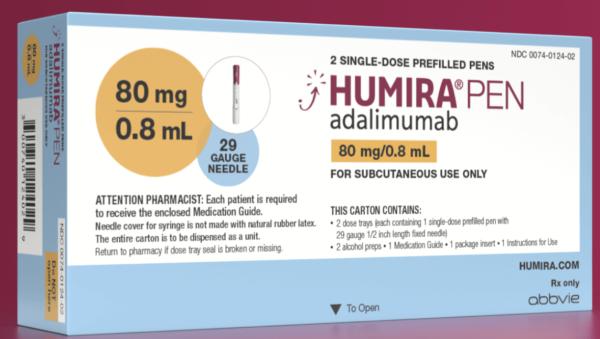
Adalimumab Side Effects
Applies to adalimumab: subcutaneous solution.
Warning
Subcutaneous route (Solution)
Patients treated with adalimumab are at increased risk of infection, some of which may become serious and lead to hospitalization or death. These infections have included TB, invasive fungal infections, bacterial, viral, and those caused by opportunistic pathogens including Legionella and Listeria. The risks and benefits of therapy should be carefully considered prior to treatment initiation in patients with chronic or recurrent infection. Evaluate for latent TB and treat if necessary prior to initiating therapy. Monitor patients closely for signs and symptoms of infection during and after treatment, including the possible development of TB in patients who tested negative prior to treatment. Consider empirical antifungal therapy in at-risk patients who develop severe systemic illness. Lymphoma and other malignancies, some fatal, have been reported in pediatric and adolescent patients treated with tumor necrosis factor (TNF) blockers such as adalimumab. Postmarketing cases of hepatosplenic T-cell lymphoma (HSTCL), usually fatal, have been reported in patients treated with TNF blockers including adalimumab, primarily in adolescent and young adult males with Crohn disease and ulcerative colitis. Most cases occurred in patients receiving concomitant treatment with azathioprine or 6-mercaptopurine.
Subcutaneous route (Solution)
Serious InfectionsPatients treated with adalimumab products including adalimumab-aacf are at increased risk for developing serious infections that may lead to hospitalization or death. Most patients who developed these infections were taking concomitant immunosuppressants such as methotrexate or corticosteroids.Discontinue adalimumab-aacf if a patient develops a serious infection or sepsis.Reported infections include:Active tuberculosis (TB), including reactivation of latent TB. Patients with TB have frequently presented with disseminated or extrapulmonary disease. Test patients for latent TB before adalimumab-aacf use and during therapy. Initiate treatment for latent TB prior to adalimumab-aacf use.Invasive fungal infections, including histoplasmosis, coccidioidomycosis, candidiasis, aspergillosis, blastomycosis, and pneumocystosis. Patients with histoplasmosis or other invasive fungal infections may present with disseminated, rather than localized, disease. Antigen and antibody testing for histoplasmosis may be negative in some patients with active infection. Consider empiric anti-fungal therapy in patients at risk for invasive fungal infections who develop severe systemic illness.Bacterial, viral and other infections due to opportunistic pathogens, including Legionella and Listeria.Carefully consider the risks and benefits of treatment with adalimumab-aacf prior to initiating therapy in patients with chronic or recurrent infection.Monitor patients closely for the development of signs and symptoms of infection during and after treatment with adalimumab-aacf, including the possible development of TB in patients who tested negative for latent TB infection prior to initiating therapy.MalignancyLymphoma and other malignancies, some fatal, have been reported in children and adolescent patients treated with TNF blockers including adalimumab products. Post-marketing cases of hepatosplenic T-cell lymphoma (HSTCL), a rare type of T-cell lymphoma, have been reported in patients treated with TNF blockers including adalimumab products. These cases have had a very aggressive disease course and have been fatal. The majority of reported TNF blocker cases have occurred in patients with Crohn's disease or ulcerative colitis and the majority were in adolescent and young adult males. Almost all these patients had received treatment with azathioprine or 6-mercaptopurine (6–MP) concomitantly with a TNF blocker at or prior to diagnosis. It is uncertain whether the occurrence of HSTCL is related to use of a TNF blocker or a TNF blocker in combination with these other immunosuppressants.
Subcutaneous route (Solution)
Serious InfectionsIncreased risk of serious infections leading to hospitalization or death, including tuberculosis (TB), bacterial sepsis, invasive fungal infections (such as histoplasmosis), and infections due to other opportunistic pathogens.Discontinue adalimumab-fkjp if a patient develops a serious infection or sepsis during treatment.Perform test for latent TB; if positive, start treatment for TB prior to starting adalimumab-fkjp.Monitor all patients for active TB during treatment, even if initial latent TB test is negative.MalignancyLymphoma and other malignancies, some fatal, have been reported in children and adolescent patients treated with TNF-blockers including adalimumab products.Post-marketing cases of hepatosplenic T-cell lymphoma (HSTCL), a rare type of T-cell lymphoma, have occurred in adolescent and young adults with inflammatory bowel disease treated with TNF-blockers including adalimumab products.
Subcutaneous route (Solution)
Serious InfectionsPatients treated with adalimumab products including adalimumab-aqvh are at increased risk for developing serious infections that may lead to hospitalization or death. Most patients who developed these infections were taking concomitant immunosuppressants such as methotrexate or corticosteroids.Discontinue adalimumab-aqvh if a patient develops a serious infection or sepsis.Reported infections include:Active tuberculosis (TB), including reactivation of latent TB. Patients with TB have frequently presented with disseminated or extrapulmonary disease. Test patients for latent TB before adalimumab-aqvh use and during therapy. Initiate treatment for latent TB prior to adalimumab-aqvh use.Invasive fungal infections, including histoplasmosis, coccidioidomycosis, candidiasis, aspergillosis, blastomycosis, and pneumocystosis. Patients with histoplasmosis or other invasive fungal infections may present with disseminated, rather than localized, disease. Antigen and antibody testing for histoplasmosis may be negative in some patients with active infection. Consider empiric anti-fungal therapy in patients at risk for invasive fungal infections who develop severe systemic illness.Bacterial, viral and other infections due to opportunistic pathogens, including Legionella and Listeria.Carefully consider the risks and benefits of treatment with adalimumab-aqvh prior to initiating therapy in patients with chronic or recurrent infection.Monitor patients closely for the development of signs and symptoms of infection during and after treatment with adalimumab-aqvh, including the possible development of TB in patients who tested negative for latent TB infection prior to initiating therapy.MalignancyLymphoma and other malignancies, some fatal, have been reported in children and adolescent patients treated with TNF blockers including adalimumab products. Post-marketing cases of hepatosplenic T-cell lymphoma (HSTCL), a rare type of T-cell lymphoma, have been reported in patients treated with TNF blockers including adalimumab products. These cases have had a very aggressive disease course and have been fatal. The majority of reported TNF blocker cases have occurred in patients with Crohn disease or ulcerative colitis and the majority were in adolescent and young adult males. Almost all these patients had received treatment with azathioprine or 6-mercaptopurine (6–MP) concomitantly with a TNF blocker at or prior to diagnosis. It is uncertain whether the occurrence of HSTCL is related to use of a TNF blocker or a TNF blocker in combination with these other immunosuppressants.
Subcutaneous route (Solution)
Serious InfectionsPatients treated with adalimumab products including adalimumab-aaty are at increased risk for developing serious infections that may lead to hospitalization or death. Most patients who developed these infections were taking concomitant immunosuppressants such as methotrexate or corticosteroids.Discontinue adalimumab-aaty if a patient develops a serious infection or sepsis.Reported infections include:Active tuberculosis (TB), including reactivation of latent TB. Patients with TB have frequently presented with disseminated or extrapulmonary disease. Test patients for latent TB before adalimumab-aaty use and during therapy. Initiate treatment for latent TB prior to adalimumab-aaty use.Invasive fungal infections, including histoplasmosis, coccidioidomycosis, candidiasis, aspergillosis, blastomycosis, and pneumocystosis. Patients with histoplasmosis or other invasive fungal infections may present with disseminated, rather than localized, disease. Antigen and antibody testing for histoplasmosis may be negative in some patients with active infection. Consider empiric anti-fungal therapy in patients at risk for invasive fungal infections who develop severe systemic illness.Bacterial, viral and other infections due to opportunistic pathogens, including Legionella and Listeria.Carefully consider the risks and benefits of treatment with adalimumab-aaty prior to initiating therapy in patients with chronic or recurrent infection.Monitor patients closely for the development of signs and symptoms of infection during and after treatment with adalimumab-aaty, including the possible development of TB in patients who tested negative for latent TB infection prior to initiating therapy.MalignancyLymphoma and other malignancies, some fatal, have been reported in children and adolescent patients treated with TNF blockers including adalimumab products. Post-marketing cases of hepatosplenic T-cell lymphoma (HSTCL), a rare type of T-cell lymphoma, have been reported in patients treated with TNF blockers including adalimumab products. These cases have had a very aggressive disease course and have been fatal. The majority of reported TNF blocker cases have occurred in patients with Crohn's disease or ulcerative colitis and the majority were in adolescent and young adult males. Almost all these patients had received treatment with azathioprine or 6-mercaptopurine (6–MP) concomitantly with a TNF blocker at or prior to diagnosis. It is uncertain whether the occurrence of HSTCL is related to use of a TNF blocker or a TNF blocker in combination with these other immunosuppressants.
Subcutaneous route (Solution)
Serious InfectionsIncreased risk of serious infections leading to hospitalization or death, including tuberculosis (TB), bacterial sepsis, invasive fungal infections (such as histoplasmosis), and infections due to other opportunistic pathogens.Discontinue adalimumab-bwwd if a patient develops a serious infection or sepsis during treatment.Perform test for latent TB; if positive, start treatment for TB prior to starting adalimumab-bwwd.Monitor all patients for active TB during treatment, even if initial latent TB test is negative.MalignancyLymphoma and other malignancies, some fatal, have been reported in children and adolescent patients treated with TNF-blockers including adalimumab products.Post-marketing cases of hepatosplenic T-cell lymphoma (HSTCL), a rare type of T-cell lymphoma, have occurred in adolescent and young adults with inflammatory bowel disease treated with TNF-blockers including adalimumab products.
Subcutaneous route (Solution)
Patients treated with adalimumab-atto are at increased risk of infection, some of which may become serious and lead to hospitalization or death. These infections have included TB, invasive fungal infections, bacterial, viral, and those caused by opportunistic pathogens including Legionella and Listeria. The risks and benefits of therapy should be carefully considered prior to treatment initiation in patients with chronic or recurrent infection. Evaluate for latent TB and treat if necessary prior to initiating therapy. Monitor patients closely for signs and symptoms of infection during and after treatment, including the possible development of TB in patients who tested negative prior to treatment. Consider empirical antifungal therapy in at-risk patients who develop severe systemic illness. Lymphoma and other malignancies, some fatal, have been reported in pediatric and adolescent patients treated with tumor necrosis factor (TNF) blockers, including adalimumab products. Postmarketing cases of hepatosplenic T-cell lymphoma (HSTCL), usually fatal, have been reported in patients treated with TNF blockers including adalimumab products, primarily in adolescent and young adult males with Crohn disease and ulcerative colitis. Most cases occurred in patients receiving concomitant treatment with azathioprine or 6-mercaptopurine.
Subcutaneous route (Solution)
Serious InfectionsIncreased risk of serious infections leading to hospitalization or death, including tuberculosis (TB), bacterial sepsis, invasive fungal infections (such as histoplasmosis), and infections due to other opportunistic pathogens.Discontinue adalimumab-adaz if a patient develops a serious infection or sepsis during treatment.Perform test for latent TB; if positive, start treatment for TB prior to starting adalimumab-adaz.Monitor all patients for active TB during treatment, even if initial latent TB test is negative.MalignancyLymphoma and other malignancies, some fatal, have been reported in children and adolescent patients treated with TNF-blockers including adalimumab products.Post-marketing cases of hepatosplenic T-cell lymphoma (HSTCL), a rare type of T-cell lymphoma, have occurred in adolescent and young adults with inflammatory bowel disease treated with TNF-blockers including adalimumab products.
Subcutaneous route (Solution)
Serious InfectionsIncreased risk of serious infections leading to hospitalization or death, including tuberculosis (TB), bacterial sepsis, invasive fungal infections (such as histoplasmosis), and infections due to other opportunistic pathogens.Discontinue adalimumab-afzb if a patient develops a serious infection or sepsis during treatment.Perform test for latent TB; if positive, start treatment for TB prior to starting adalimumab-afzb.Monitor all patients for active TB during treatment, even if initial latent TB test is negative.MalignancyLymphoma and other malignancies, some fatal, have been reported in children and adolescent patients treated with TNF-blockers including adalimumab products.Post-marketing cases of hepatosplenic T-cell lymphoma (HSTCL), a rare type of T-cell lymphoma, have occurred in adolescent and young adults with inflammatory bowel disease treated with TNF-blockers including adalimumab products.
Subcutaneous route (Solution)
Patients treated with adalimumab-adbm are at increased risk of infection, some of which may become serious and lead to hospitalization or death. These infections have included TB, invasive fungal infections, bacterial, viral, and those caused by opportunistic pathogens including Legionella and Listeria. The risks and benefits of therapy should be carefully considered prior to treatment initiation in patients with chronic or recurrent infection. Evaluate for latent TB and treat if necessary prior to initiating therapy. Monitor patients closely for signs and symptoms of infection during and after treatment, including the possible development of TB in patients who tested negative prior to treatment. Consider empirical antifungal therapy in at-risk patients who develop severe systemic illness. Lymphoma and other malignancies, some fatal, have been reported in pediatric and adolescent patients treated with tumor necrosis factor (TNF) blockers such as adalimumab-adbm. Postmarketing cases of hepatosplenic T-cell lymphoma (HSTCL), usually fatal, have been reported in patients treated with TNF blockers including adalimumab-adbm, primarily in adolescent and young adult males with Crohn disease and ulcerative colitis. Most cases occurred in patients receiving concomitant treatment with azathioprine or 6-mercaptopurine.
Serious side effects of Adalimumab
Along with its needed effects, adalimumab may cause some unwanted effects. Although not all of these side effects may occur, if they do occur they may need medical attention.
Check with your doctor immediately if any of the following side effects occur while taking adalimumab:
More common
- Body aches or pain
- cough
- ear congestion
- gas with stomach pain
- hoarseness
- lightheadedness
- loss of voice
- lower back or side pain
- muscle aches and pains
- pain or tenderness around the eyes or cheekbones
- rapid and sometimes shallow breathing
- shivering
- stomach fullness
- stuffy nose
- sunken eyes
- thirst
- trouble sleeping
- warmth on the skin
- wrinkled skin
Less common
- Abnormal vaginal bleeding or discharge
- agitation
- arm, back, or jaw pain
- black, tarry stools
- bleeding from the gums or nose
- blindness
- bloating or swelling of the face, arms, hands, lower legs, or feet
- blood in the stool or change in bowel habits
- bloody or cloudy urine
- blurred vision
- broken bones
- change in size, shape, or color of an existing mole
- change in skin color
- chest pain, tightness, or heaviness
- chills
- clear or bloody discharge from the nipple
- cold hands and feet
- confusion
- constipation
- cough
- coughing or spitting up blood
- decreased urination
- decreased vision
- depression
- difficulty with breathing
- difficulty, burning, or painful urination
- dimpling of the breast skin
- dizziness
- drowsiness
- eye pain
- fainting
- fast, slow, or irregular heartbeat
- fever
- forgetfulness
- frequent urge to urinate
- general feeling of illness
- hair loss
- headache
- hives, itching, skin rash
- increased thirst
- inverted nipple
- irregular breathing
- irregular pulse
- irritability
- light colored stools
- loss of appetite
- lump in the breast or under your arm
- lump or swelling in the stomach
- mole that leaks fluid or bleeds
- muscle cramps or spasms
- nausea
- new mole
- night sweats
- no blood pressure or pulse
- noisy breathing
- numbness or tingling in your arms, legs, or face
- pain, redness, or swelling in the arms or legs without any injury present
- pale skin
- persistent non-healing sore on your skin
- pink growth
- puffiness or swelling of the eyelids or around the eyes, face, lips, or tongue
- raised, firm, or bright red patch
- redness or swelling of the breast
- seeing or hearing things that are not there
- seizures
- sharp back pain just below your ribs
- shiny bump on your skin
- slurred speech or problems with swallowing
- sneezing
- sore on the skin of the breast that does not heal
- sore throat
- sores, ulcers, or white spots on the lips or mouth
- spitting up blood
- stiff neck
- stomach pain
- stopping of the heart
- sudden high fever or low grade fever for months
- sweating
- swelling of the face, fingers, feet, or lower legs
- swollen glands
- swollen neck veins
- tiredness
- trouble breathing
- trouble thinking
- unconsciousness
- unexplained bruising or bleeding
- unpleasant breath odor
- unusual tiredness or weakness
- unusual weight gain or loss
- visual disturbances
- vomiting
- vomiting of blood or material that looks like coffee grounds
- yellow skin or eyes
Incidence not known
- Blistering, peeling, or loosening of the skin
- diarrhea
- inability to move the arms and legs
- joint or muscle pain
- pinpoint red spots on the skin
- red skin lesions, often with a purple center
- red, irritated eyes
- red, scaling, or crusted skin
- sudden numbness and weakness in the arms and legs
- unusual bleeding or bruising
Other side effects of Adalimumab
Some side effects of adalimumab may occur that usually do not need medical attention. These side effects may go away during treatment as your body adjusts to the medicine. Also, your health care professional may be able to tell you about ways to prevent or reduce some of these side effects.
Check with your health care professional if any of the following side effects continue or are bothersome or if you have any questions about them:
More common
- Bladder pain
- bleeding, blistering, burning, coldness, discoloration of skin, feeling of pressure, hives, infection, inflammation, itching, lumps, numbness, pain, rash, redness, scarring, soreness, stinging, swelling, tenderness, tingling, ulceration, or warmth at the injection site
- pounding in the ears
Less common
- Abnormal healing
- decrease in height
- difficulty with moving
- difficulty with walking
- dry mouth
- heartburn
- indigestion
- loss of hearing
- loss of strength or energy
- menstrual changes
- muscle or joint stiffness, tightness, or rigidity
- muscle pain or weakness
- pain in the back, ribs, arms, or legs
- shakiness in the legs, arms, hands, and feet
- swelling or redness in the joints
For Healthcare Professionals
Applies to adalimumab: subcutaneous kit, subcutaneous solution.
Cardiovascular
Common (1% to 10%): Hypertension
Uncommon (0.1% to 1%): Arrhythmia, atrial fibrillation, chest pain, coronary artery disorder, heart arrest, hypertensive encephalopathy, myocardial infarct, palpitation, pericardial effusion, pericarditis, syncope, tachycardia, congestive heart failure, peripheral edema, systemic vasculitis, deep vein thrombosis
Rare (less than 0.1%): Vascular occlusion, aortic stenosis, thrombophlebitis, aortic aneurysm[Ref]
Dermatologic
Very common (10% or more): Rash (12%)
Common (1% to 10%): Dermatitis, eczema, pruritus, cellulitis, urticaria, psoriasis, ecchymosis, increased bruising, purpura, erysipelas, cutaneous vasculitis, herpes zoster
Postmarketing reports: Stevens Johnson Syndrome, cutaneous vasculitis, erythema multiforme, new or worsening psoriasis (all subtypes including pustular and palmoplantar), alopecia, erythema multiforme, panniculitis[Ref]
Endocrine
Uncommon (0.1% to 1%): Parathyroid disorder[Ref]
Gastrointestinal
Common (1% to 10%): Diarrhea, nausea, abdominal pain, vomiting, stomatitis, mouth ulceration
Uncommon (0.1% to 1%): Cholecystitis, cholelithiasis, gastroenteritis, gastrointestinal hemorrhage, gastritis, dyspepsia, gastrointestinal disorder, gastrointestinal hemorrhage, rectal hemorrhage, abdominal bloating
Rare (less than 0.1%): Esophagitis, intestinal stenosis, colitis, enteritis
Frequency not reported: Diverticulitis, large bowel perforations including perforations associated with diverticulitis and appendiceal perforations associated with appendicitis, pancreatitis[Ref]
Genitourinary
Common (1% to 10%): Urinary tract infection, hematuria
Uncommon (0.1% to 1%): Cystitis, kidney calculus, menstrual disorder, pyelonephritis[Ref]
Hematologic
Common (1% to 10%): Lymphopenia, agranulocytosis, granulocytopenia, leucopenia, thrombocytopenia, anemia, lymphadenopathy, leukocytosis
Rare (less than 0.1%): Pancytopenia, polycythemia, idiopathic thrombocytopenia purpura, lymphoma-like reaction, leg thrombosis, hypertriglyceridemia[Ref]
Hepatic
Uncommon (0.1% to 1%): Liver failure, hepatitis
Rare (less than 0.1%): Hepatic enzymes increased, hepatic necrosis
Postmarketing reports: Hepatic failure[Ref]
Hypersensitivity
Frequency not reported: Anaphylaxis, angioneurotic edema[Ref]
Immunologic
Common (1% to 10%): Flu syndrome
Uncommon (0.1% to 1%): Sarcoidosis
Frequency not reported: Development of autoantibodies[Ref]
Local
Very common (10% or more): Injection site pain (12%)
Common (1% to 10%): Injection site reaction[Ref]
Metabolic
Common (1% to 10%): Hypercholesterolemia, hyperlipidemia
Uncommon (0.1% to 1%): Dehydration, ketosis, paraproteinemia, increased alkaline phosphatase[Ref]
Musculoskeletal
Common (1% to 10%): Back pain
Uncommon (0.1% to 1%): Arthritis, bone disorder, bone fracture (not spontaneous), bone necrosis, joint disorder, muscle cramps, myasthenia, pyogenic arthritis, synovitis, tendon disorder, pelvic pain
Rare (less than 0.1%): Rhabdomyolysis[Ref]
Nervous system
Very common (10% or more): Headache (12%)
Uncommon (0.1% to 1%): Confusion, paraesthesia, subdural hematoma, tremor, demyelinating disorders (e.g., optic neuritis, Guillain-Barre syndrome), cerebrovascular accident, multiple sclerosis,
Very rare (less than 0.01%): Hypertrophic pachymeningitis[Ref]
Ocular
Uncommon (0.1% to 1%): Optic neuritis, cataract[Ref]
Oncologic
Uncommon (0.1% to 1%): Adenoma, Merkel Cell Carcinoma (neuroendocrine carcinoma of the skin)
Rare (less than 0.1%): Skin papilloma, carcinomas (breast, gastrointestinal, skin, testicular), lymphoma, melanoma, cancer of the white blood cells (known as Hepatosplenic T-Cell Lymphoma or HSTCL), mostly in adolescents and young adults[Ref]
Other
Very common (10% or more): Accidental injury (10%)
Uncommon (0.1% to 1%): Pain in extremity, thorax pain
Rare (less than 0.1%): Pyrexia
Frequency not reported: Sepsis, pain in thorax, opportunistic infections, tuberculosis, histoplasmosis, abscess, joint infection, wound infection, superficial fungal infections[Ref]
Renal
Frequency not reported: Renal pain, renal impairment[Ref]
Respiratory
Very common (10% or more): Upper respiratory infection (17%), sinusitis (11%), pneumonia, pharyngitis, nasopharyngitis
Uncommon (0.1% to 1%): Asthma, bronchospasm, dyspnea, lung function decreased, pleural effusion, interstitial lung disease (including pulmonary fibrosis), pulmonary embolism
Frequency not reported: Cough, upper respiratory infection, pharyngeal edema, nasal congestion, pulmonary edema, pleural effusion, pleurisy[Ref]
Psychiatric
Common (1% to 10%): Mood alterations (including depression), anxiety, insomnia[Ref]
Frequently asked questions
- What are the new drugs for rheumatoid arthritis (RA)?
- Can you take Humira with antibiotics?
- Cosentyx vs Humira: How do they compare?
- Is Amjevita interchangeable with Humira?
- Skyrizi vs Humira for plaque psoriasis - How do they compare?
- What are the new drugs for plaque psoriasis?
- How many biosimilars have been approved in the United States?
- What is a biologic drug?
- What is the difference between Amjevita and Humira?
More about adalimumab
- Check interactions
- Compare alternatives
- Pricing & coupons
- Reviews (706)
- Dosage information
- Patient tips
- During pregnancy
- Support group
- Drug class: antirheumatics
- Breastfeeding
Patient resources
- Adalimumab drug information
- Adalimumab-aacf (Advanced Reading)
- Adalimumab-aaty (Advanced Reading)
- Adalimumab-adaz (Advanced Reading)
- Adalimumab-adbm (Advanced Reading)
Other brands
Humira, Amjevita, Hyrimoz, Hadlima, ... +7 more
Professional resources
Other brands
Humira, Amjevita, Hyrimoz, Hadlima, ... +7 more
Related treatment guides
References
1. Product Information. Humira (adalimumab). Abbott Pharmaceutical. 2003.
2. Cerner Multum, Inc. UK Summary of Product Characteristics.
3. Cerner Multum, Inc. Australian Product Information.
Further information
Always consult your healthcare provider to ensure the information displayed on this page applies to your personal circumstances.
Some side effects may not be reported. You may report them to the FDA.