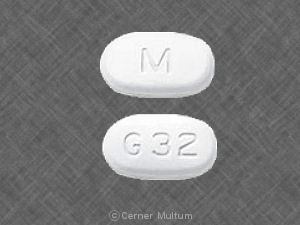
Glipizide / metformin Side Effects
Medically reviewed by Drugs.com. Last updated on Jul 10, 2023.
Applies to glipizide / metformin: oral tablet.
Warning
Oral route (Tablet)
Lactic acidosis is a rare, but serious, metabolic complication that can occur due to metformin accumulation during treatment with glipiZIDE/metformin hydrochloride; when it occurs, it is fatal in approximately 50% of cases. The risk of lactic acidosis increases with renal impairment, increased age, diabetes mellitus, congestive heart failure, hepatic insufficiency, and other conditions whenever there is significant tissue hypoperfusion and hypoxemia. Treatment with glipiZIDE/metformin hydrochloride should not be initiated in patients 80 years of age or older unless measurement of creatinine clearance demonstrates that renal function is normal. Therapy should temporarily be discontinued prior to any intravascular radiocontrast study or surgical procedure. Avoid excessive alcohol use since alcohol potentiates the effects of metformin on lactate metabolism. Discontinue therapy immediately and institute supportive measures promptly for suspected lactic acidosis.
Serious side effects
Along with its needed effects, glipizide / metformin may cause some unwanted effects. Although not all of these side effects may occur, if they do occur they may need medical attention.
Check with your doctor immediately if any of the following side effects occur while taking glipizide / metformin:
More common
- Anxiety
- blurred vision
- chills
- cold sweats
- coma
- confusion
- cool pale skin
- cough
- depression
- dizziness
- fast heartbeat
- fever
- headache
- increased hunger
- nausea
- nervousness
- nightmares
- seizures
- shakiness
- slurred speech
- sneezing
- sore throat
- unusual tiredness or weakness
Less common
- Bladder pain
- bloody or cloudy urine
- difficult, burning, or painful urination
- frequent urge to urinate
- lower back or side pain
- pounding in the ears
- slow heartbeat
Rare
- Abdominal discomfort
- decreased appetite
- diarrhea
- fainting spells
- fast, shallow breathing
- general feeling of discomfort
- muscle pain or cramping
- shortness of breath
- sleepiness
Symptoms of Overdose
Get emergency help immediately if any of the following symptoms of overdose occur while taking glipizide / metformin:
- Abdominal discomfort
- anxiety
- behavior change, similar to drunkenness
- blurred vision
- cold sweats
- coma
- confusion
- cool, pale skin
- decreased appetite
- diarrhea
- difficulty in concentrating
- drowsiness
- excessive hunger
- fast heartbeat
- fast, shallow breathing
- general feeling of discomfort
- headache
- muscle pain or cramping
- nausea
- nervousness
- nightmares
- restless sleep
- seizures
- shakiness
- slurred speech
- unusual sleepiness
- unusual tiredness or weakness
Other side effects
Some side effects of glipizide / metformin may occur that usually do not need medical attention. These side effects may go away during treatment as your body adjusts to the medicine. Also, your health care professional may be able to tell you about ways to prevent or reduce some of these side effects.
Check with your health care professional if any of the following side effects continue or are bothersome or if you have any questions about them:
More Common
- Muscle or bone pain
- stomach pain
- vomiting
For Healthcare Professionals
Applies to glipizide / metformin: oral tablet.
Metabolic
Metabolic side effects, including lactic acidosis, which is a potentially fatal metabolic complication of biguanide therapy, has been reported in patients receiving metformin. The incidence of lactic acidosis has been about 0.03 cases per 1,000 patient years with approximately 0.015 fatal cases per 1,000 patient-years. The risk of lactic acidosis is particularly high in patients with underlying renal insufficiency. Cases of lactic acidosis occurring in patients with normal renal function have been rarely reported. Concomitant cardiovascular or liver disease, sepsis, and hypoxia may also increase the risk of lactic acidosis.[Ref]
Glipizide-Metformin:
Very Common (10% or more): Hypoglycemia (up to 12.6%)
Glipizide:
Common (1% to 10%): Hypoglycemia
Metformin:
Rare (less than 0.1%): Lactic acidosis[Ref]
Gastrointestinal
Very common (10% or more): Diarrhea (up to 18.4%)
Common (1% to 10%): Nausea/vomiting, abdominal pain[Ref]
Hematologic
Glipizide:
Frequency not reported: Hemolytic anemia
Postmarketing reports: Hemolytic anemia in patients not known to have G6PD deficiency
Metformin:
Common (1% to 10%): Subnormal vitamin B12 levels
Frequency not reported: Anemia[Ref]
Hepatic
Glipizide:
Rare (less than 0.1%): Cholestatic and hepatocellular hepatic injury accompanied by jaundice[Ref]
Respiratory
Very common (10% or more): Upper respiratory infection (up to 10.3%)[Ref]
Genitourinary
Common (1% to 10%): Urinary tract infection[Ref]
Cardiovascular
Common (1% to 10%): Hypertension[Ref]
Nervous system
Very common (10% or more): Headache (up to 12.6%)
Common (1% to 10%): Dizziness[Ref]
Musculoskeletal
Common (1% to 10%):: Musculoskeletal pain.[Ref]
More about glipizide / metformin
- Check interactions
- Compare alternatives
- Pricing & coupons
- Reviews (2)
- Drug images
- Dosage information
- During pregnancy
- Drug class: antidiabetic combinations
- En español
Patient resources
Other brands
Professional resources
Related treatment guides
References
1. Product Information. Metaglip (glipizide-metformin). Bristol-Myers Squibb. 2002.
Further information
Always consult your healthcare provider to ensure the information displayed on this page applies to your personal circumstances.
Some side effects may not be reported. You may report them to the FDA.