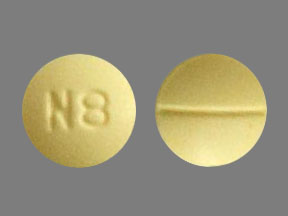
Folic Acid Side Effects
Medically reviewed by Drugs.com. Last updated on Dec 28, 2023.
Applies to folic acid: capsule, solution, tablet.
Serious side effects of folic acid
Along with its needed effects, folic acid may cause some unwanted effects. Although not all of these side effects may occur, if they do occur they may need medical attention.
Check with your doctor as soon as possible if any of the following side effects occur while taking folic acid:
Rare side effects
- fever
- general weakness or discomfort
- reddened skin
- shortness of breath
- skin rash or itching
- tightness in chest
- troubled breathing
- wheezing
See also:
Deplin
Deplin is used for depression, folate deficiency, hyperhomocysteinemia
Botox
Botox is used cosmetically to reduce facial lines and wrinkles and for medical purposes for ...
Folacin-800
Folacin-800 is used for anemia, megaloblastic, folate deficiency, vitamin/mineral supplementation ...
FA-8
FA-8 is used for anemia, megaloblastic, folate deficiency, vitamin/mineral supplementation and deficiency
Vitamin B12
Vitamin B12 is used for B12 Nutritional Deficiency, pernicious anemia, schilling test, vitamin b12 ...
Neuroforte-R
Neuroforte-R is used for B12 Nutritional Deficiency, pernicious anemia, schilling test, vitamin b12 ...
For healthcare professionals
Applies to folic acid: compounding powder, injectable solution, oral capsule, oral tablet.
Gastrointestinal adverse events
Nausea, abdominal distension, and flatulence were reported in patients taking 15 mg folic acid daily for 1 month.[Ref]
Nervous system
- Frequency not reported: Bitter or bad taste, altered sleep patterns, difficulty concentrating, overactivity, impaired judgement, increased incidence of seizures in some epileptic patients[Ref]
Bitter or bad taste, altered sleep patterns, difficulty concentrating, overactivity, and impaired judgement were reported in patients taking 15 mg folic acid daily for 1 month.
Increased seizure incidence was seen in some epileptic patients receiving phenobarbital, primidone, or diphenylhydantoin.[Ref]
Hypersensitivity
- Rare (less than 0.1%): Allergic responses (including erythema, skin rash, itching, general malaise, respiratory difficulty due to bronchospasm), anaphylaxis (including shock)[Ref]
Metabolic
- Rare (less than 0.1%): Anorexia
- Frequency not reported: Decreased vitamin B12 serum levels, worsening symptoms of B12 deficiency[Ref]
Anorexia was reported in patients taking 15 mg folic acid daily for 1 month.
Decreased vitamin B12 serum levels was reported with prolonged folic acid therapy.[Ref]
Other
- Frequency not reported: Decreased diphenylhydantoin serum levels[Ref]
Decreased diphenylhydantoin serum levels were reported in patients taking 5 or 15 mg folic acid daily.[Ref]
Psychiatric
- Frequency not reported: Irritability, excitement, mental depression, confusion[Ref]
Irritability, excitement, mental depression, and confusion were reported in patients taking 15 mg folic acid daily for 1 month.[Ref]
References
1. Cerner Multum, Inc. "UK Summary of Product Characteristics."
2. Cerner Multum, Inc. "Australian Product Information."
3. (2017) "Product Information. Folic Acid (folic acid)." Method Pharmaceuticals, LLC
Frequently asked questions
More about folic acid
- Check interactions
- Compare alternatives
- Pricing & coupons
- Reviews (11)
- Drug images
- Dosage information
- Patient tips
- During pregnancy
- Support group
- Drug class: vitamins
- En español
Patient resources
Other brands
Professional resources
Related treatment guides
Further information
Folic acid side effects can vary depending on the individual. Always consult your healthcare provider to ensure the information displayed on this page applies to your personal circumstances.
Note: Medication side effects may be underreported. If you are experiencing side effects that are not listed, submit a report to the FDA by following this guide.