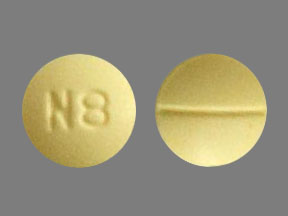
Folic Acid Dosage
Medically reviewed by Drugs.com. Last updated on Mar 5, 2024.
Applies to the following strengths: 1 mg; 0.4 mg; 5 mg/mL; 0.8 mg
Usual Adult Dose for:
- Megaloblastic Anemia
- Folic Acid Deficiency
- Vitamin/Mineral Supplementation during Pregnancy/Lactation
Usual Pediatric Dose for:
Additional dosage information:
Usual Adult Dose for Megaloblastic Anemia
Usual therapeutic dose: 1 mg daily, orally, intramuscularly, IV, or subcutaneously
- Resistant cases may require larger doses
Maintenance dose:
- 0.4 mg daily (adults)
- 0.8 mg daily (pregnancy and lactation)
Comments:
- Oral administration is preferred; patients who cannot absorb food folates are usually able to absorb oral folic acid.
- Do not use doses greater than 0.1 mg unless B12 deficiency anemia has been ruled out or is being adequately treated.
- Closely supervise patients; adjust maintenance dose if relapse appears imminent.
- Maintenance level may need to be increased for alcoholism, hemolytic anemia, anticonvulsant therapy, or chronic infection.
Uses: Megaloblastic anemia due to folic acid deficiency (e.g. sprue) and anemias of nutritional origin or pregnancy
Usual Adult Dose for Folic Acid Deficiency
Recommended Dietary Allowance (RDA):
400 mcg daily, orally, intramuscularly, IV, or subcutaneously
Pregnancy: 600 mcg daily
Lactation: 500 mcg daily
Usual Adult Dose for Vitamin/Mineral Supplementation during Pregnancy/Lactation
Recommended Dietary Allowance (RDA):
400 mcg daily, orally, intramuscularly, IV, or subcutaneously
Pregnancy: 600 mcg daily
Lactation: 500 mcg daily
Usual Pediatric Dose for Megaloblastic Anemia
Usual therapeutic dose: 1 mg daily, orally, intramuscularly, IV, or subcutaneously
- Resistant cases may require larger doses
Maintenance dose:
- Infants: 0.1 mg daily
- Children under 4 years: 0.3 mg daily
- Children 4 years and older: 0.4 mg daily
Comments:
- Oral administration is preferred; patients who cannot absorb food folates are usually able to absorb oral folic acid.
- Do not use doses greater than 0.1 mg unless B12 deficiency anemia has been ruled out or is being adequately treated.
- Closely supervise patients; adjust maintenance dose if relapse appears imminent.
- Maintenance level may need to be increased for alcoholism, hemolytic anemia, anticonvulsant therapy, or chronic infection.
Uses: Megaloblastic anemia due to folic acid deficiency (e.g. sprue) and anemias of nutritional origin, infancy, or childhood
Usual Pediatric Dose for Folic Acid Deficiency
Usual therapeutic dose: 1 mg daily, orally, intramuscularly, IV, or subcutaneously
- Resistant cases may require larger doses
Maintenance dose:
- Infants: 0.1 mg daily
- Children under 4 years: 0.3 mg daily
- Children 4 years and older: 0.4 mg daily
Comments:
- Oral administration is preferred; patients who cannot absorb food folates are usually able to absorb oral folic acid.
- Do not use doses greater than 0.1 mg unless B12 deficiency anemia has been ruled out or is being adequately treated.
- Closely supervise patients; adjust maintenance dose if relapse appears imminent.
- Maintenance level may need to be increased for alcoholism, hemolytic anemia, anticonvulsant therapy, or chronic infection.
Uses: Megaloblastic anemia due to folic acid deficiency (e.g. sprue) and anemias of nutritional origin, infancy, or childhood
Usual Pediatric Dose for Vitamin/Mineral Supplementation
Recommended Dietary Allowance (RDA):
0 to 6 months: 65 mcg orally daily
1 to 3 years: 150 mcg orally daily
4 to 8 years: 200 mcg orally daily
9 to 13 years: 300 mcg orally daily
14 and older: 400 mcg orally daily
Renal Dose Adjustments
Data not available
Liver Dose Adjustments
Data not available
Dose Adjustments
Women of childbearing age: 0.4 mg daily, started prior to conception
Women who have previously given birth to a child with neural tube defect: 4 to 5 mg daily
Dialysis
Data not available
Frequently asked questions
More about folic acid
- Check interactions
- Compare alternatives
- Pricing & coupons
- Reviews (9)
- Drug images
- Side effects
- Patient tips
- During pregnancy
- Support group
- Drug class: vitamins
- En español
Patient resources
Other brands
Professional resources
Related treatment guides
Further information
Always consult your healthcare provider to ensure the information displayed on this page applies to your personal circumstances.