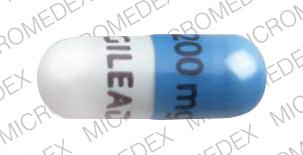
Emtriva Side Effects
Generic name: emtricitabine
Medically reviewed by Drugs.com. Last updated on Oct 1, 2024.
Note: This document provides detailed information about Emtriva Side Effects associated with emtricitabine. Some dosage forms listed on this page may not apply specifically to the brand name Emtriva.
Applies to emtricitabine: oral capsule, oral solution.
Important warnings
This medicine can cause some serious health issues
Oral route (capsule; solution)
Severe acute exacerbations of hepatitis B (HBV) have been reported in patients who are coinfected with HIV-1 and HBV and have discontinued emtricitabine.
Hepatic function should be monitored closely with both clinical and laboratory follow-up for at least several months in patients who are coinfected with HIV-1 and HBV and discontinue emtricitabine.
If appropriate, initiation of anti-hepatitis B therapy may be warranted.
Precautions
It is very important that your doctor check your or your child's progress at regular visits to make sure that this medicine is working properly. Blood and urine tests may be needed to check for unwanted effects.
Do not use this medicine if you or your child are also taking lamivudine, Atripla®, Combivir®, Complera®, Epivir®, Epivir-HBV®, Epzicom®, Odefsey®, Stribild®, Triumeq®, Trizivir®, or Truvada®. Tell your doctor right away if you or your child are using any of these medicines. Do not start using emtricitabine (the active ingredient contained in Emtriva) until your doctor tells you to.
Two rare but serious reactions to this medicine are lactic acidosis (build up of acid in the blood) and liver toxicity. These are more common if you are female, very overweight (obese), or have been taking anti-HIV medicines for a long time. Call your doctor right away if you or your child have abdominal or stomach discomfort or cramping, dark urine, a decreased appetite, diarrhea, general feeling of discomfort, light-colored stools, muscle cramping or pain, nausea, unusual tiredness or weakness, trouble breathing, vomiting, or yellow eyes or skin.
Do not change your dose or stop using this medicine, even for a short time, without talking to your doctor.
Check with your doctor right away if you have bloody urine, a decrease in frequency or amount of urine, an increase in blood pressure, increased thirst, loss of appetite, lower back or side pain, nausea, swelling of the face, fingers, or lower legs, troubled breathing, unusual tiredness or weakness, vomiting, or weight gain. These could be symptoms of a serious kidney problem.
Your immune system may get stronger when you start using HIV medicines. Tell your doctor right away if you notice any changes in your health. Sometimes the immune system will start to fight infections that were hidden in your body, such as pneumonia, herpes, or tuberculosis. Autoimmune disorders (eg, Graves' disease, polymyositis, and Guillain-Barré syndrome) may also occur.
Serious side effects of Emtriva
Along with its needed effects, emtricitabine may cause some unwanted effects. Although not all of these side effects may occur, if they do occur they may need medical attention.
Check with your doctor immediately if any of the following side effects occur while taking emtricitabine:
More common side effects
- body aches or pain
- chest pain or tightness
- chills
- cough
- diarrhea
- difficulty in breathing
- ear congestion
- earache
- fever
- headache
- hoarseness
- loss of appetite
- loss of voice
- lower back or side pain
- nasal congestion
- nausea
- painful or difficult urination
- pale skin
- redness or swelling in the ear
- runny nose
- sneezing
- sore throat
- stomach pain
- troubled breathing with exertion
- unusual bleeding or bruising
- unusual tiredness or weakness
Less common side effects
- bloody urine
- blurred vision
- dry mouth
- flushed, dry skin
- fruit-like breath odor
- increased hunger
- increased thirst
- increased urination
- sweating
- unexplained weight loss
- vomiting
Other side effects of Emtriva
Some side effects of emtricitabine may occur that usually do not need medical attention. These side effects may go away during treatment as your body adjusts to the medicine. Also, your health care professional may be able to tell you about ways to prevent or reduce some of these side effects.
Check with your health care professional if any of the following side effects continue or are bothersome or if you have any questions about them:
More common side effects
- abnormal dreams
- belching
- darkening of the skin
- difficulty in moving
- discouragement
- feeling sad or empty
- heartburn
- indigestion
- irritability
- joint pain or swelling
- lack or loss of strength
- loss of interest or pleasure
- muscle pain, cramps, or stiffness
- skin rash
- stomach discomfort or upset
- trouble concentrating
- trouble sleeping
Less common side effects
- burning, crawling, itching, numbness, prickling, "pins and needles", or tingling feelings
- dizziness
- stabbing pain
See also:
Biktarvy
Biktarvy is a complete HIV-1 treatment in a once-a-day single tablet containing three antiviral ...
Descovy
Descovy is used to treat and prevent HIV infection in adults and adolescents. When used for HIV-1 ...
Cabenuva
Cabenuva (cabotegravir and rilpivirine) injections are a long-acting HIV treatment used to keep HIV ...
Truvada
Truvada is used to prevent HIV (HIV PrEP) or treat HIV-1 infection in combination with other HIV-1 ...
Atripla
Atripla prevents the human immunodeficiency virus (HIV) from reproducing in your body. Learn about ...
Complera
Complera (emtricitabine, rilpivirine, and tenofovir) is used to treat HIV infection. Includes ...
Stribild
Stribild (cobicistat, elvitegravir, emtricitabine and tenofovir) is used to treat HIV-1 infection ...
Epzicom
Epzicom is used to treat HIV, which causes the acquired immunodeficiency syndrome (AIDS). Learn ...
For healthcare professionals
Applies to emtricitabine: oral capsule, oral solution.
General adverse events
The most common side effects reported during clinical trials in adults were headache, diarrhea, elevated creatine kinase, nausea, fatigue, dizziness, depression, insomnia, abnormal dreams, rash, abdominal pain, asthenia, increased cough, and rhinitis. The most common side effects reported during clinical trials in children were anemia and skin discoloration/hyperpigmentation.[Ref]
Dermatologic
- Very common (10% or more): Rash event (included rash, pruritus, maculopapular rash, urticaria, vesiculobullous rash, pustular rash, exfoliative rash, generalized rash, macular rash, pruritic rash, vesicular rash, allergic reaction; up to 30%)
- Common (1% to 10%): Vesiculobullous rash, pustular rash, maculopapular rash, rash, pruritus, urticaria, skin discoloration (hyperpigmentation)
- Postmarketing reports: Angioedema
Combination antiretroviral therapy:
- Frequency not reported: Lipodystrophy/redistribution of body fat[Ref]
Grades 2 to 4 rash event and rash were reported in 7% and 5% of patients, respectively.
Skin discoloration (manifested by hyperpigmentation primarily on the palms and/or soles) was generally mild and asymptomatic. Clinical significance and mechanism are unknown; according to some authorities, skin discoloration was of little clinical significance.
Skin discoloration (hyperpigmentation) was very common in pediatric patients.[Ref]
Nervous system
- Very common (10% or more): Dizziness (up to 25%), headache (up to 22%)
- Common (1% to 10%): Paresthesia, neuropathy/peripheral neuritis
- Frequency not reported: Somnolence[Ref]
Grades 2 to 4 dizziness and headache were reported in 8% and 6% of patients, respectively.[Ref]
Gastrointestinal
- Very common (10% or more): Diarrhea (up to 23%), nausea (up to 18%), abdominal pain (up to 14%)
- Common (1% to 10%): Elevated amylase (including elevated pancreatic amylase), elevated serum lipase, vomiting, dyspepsia
- Frequency not reported: Gastroenteritis[Ref]
Grades 2 to 4 diarrhea, nausea, and vomiting were reported in 9%, 9%, and 2% of patients, respectively.
Elevated serum amylase (greater than 2 times the upper limit of normal [2 x ULN), pancreatic amylase (greater than 2 x ULN), and serum lipase (greater than 2 x ULN) have been reported in up to 5%, up to 2%, and up to 1% of patients, respectively. Elevated serum amylase (greater than 175 units/L) was reported in 8% of patients.
Gastroenteritis was only reported in pediatric patients.[Ref]
Metabolic
- Very common (10% or more): Elevated fasting cholesterol (22%)
- Common (1% to 10%): Hypertriglyceridemia, hyperglycemia, elevated triglycerides, increased/decreased serum glucose, elevated fasting triglycerides
- Frequency not reported: Lactic acidosis
Antiretroviral therapy:
- Frequency not reported: Increased blood lipid levels, increased glucose levels[Ref]
Elevated fasting cholesterol (greater than 240 mg/dL) and fasting triglycerides (greater than 750 mg/dL) were reported in 22% and 4% of patients, respectively. Elevated triglycerides (greater than 750 mg/dL [greater than 8.47 mmol/L]) and increased/decreased serum glucose (less than 40 or greater than 250 mg/dL [less than 2.2 or greater than 13.9 mmol/L]) have been reported in up to 10% and up to 3% of patients, respectively. Elevated triglycerides (greater than 750 mg/dL) and hyperglycemia (greater than 250 mg/dL) were reported in 5% and 2% of patients, respectively.
Lactic acidosis and severe hepatomegaly with steatosis (including fatal cases) have been reported with the use of nucleoside analogs.[Ref]
Respiratory
- Very common (10% or more): Rhinitis (up to 18%), increased cough (up to 14%)
- Common (1% to 10%): Sinusitis, upper respiratory tract infections, nasopharyngitis
- Frequency not reported: Pneumonia[Ref]
Grades 2 to 4 sinusitis, upper respiratory tract infections, and nasopharyngitis were reported in 8%, 8%, and 5% of patients, respectively.
Pneumonia was only reported in pediatric patients.[Ref]
Psychiatric
- Very common (10% or more): Insomnia (up to 16%), abnormal dreams (up to 11%)
- Common (1% to 10%): Depressive disorders, depression[Ref]
Grades 2 to 4 depression, insomnia, and abnormal dreams were reported in 9%, 5%, and 4% of patients, respectively.[Ref]
Other
- Very common (10% or more): Asthenia (up to 16%)
- Common (1% to 10%): Pain, fatigue, elevated alkaline phosphatase
- Frequency not reported: Infection, otitis media, fever
Antiretroviral therapy:
- Frequency not reported: Increased weight[Ref]
Grades 2 to 4 fatigue was reported in 9% of patients.
Elevated alkaline phosphatase (greater than 550 units/L) was reported in 1% of patients.
Infection, otitis media, and fever were only reported in pediatric patients.[Ref]
Musculoskeletal
- Very common (10% or more): Elevated creatine kinase (up to 12%)
- Common (1% to 10%): Myalgia, arthralgia
- Frequency not reported: Osteonecrosis[Ref]
Elevated creatine kinase (greater than 4 x ULN) has been reported in up to 12% of patients. Elevated creatine kinase (greater than 990 units/L in males and 845 units/L in females) was reported in 9% of patients.[Ref]
Hepatic
- Common (1% to 10%): Elevated serum AST, elevated serum ALT, hyperbilirubinemia
- Uncommon (0.1% to 1%): Elevated bilirubin
- Frequency not reported: Posttreatment exacerbation of hepatitis B, liver failure, liver decompensation, severe hepatomegaly with steatosis, elevated GGT[Ref]
Elevated AST (greater than 5 x ULN), ALT (greater than 5 x ULN), and bilirubin (greater than 2.5 x ULN) have been reported in up to 6%, up to 5%, and up to 1% of patients, respectively. Elevated AST (greater than 180 units/L in males and 170 units/L in females) and ALT (greater than 215 units/L in males and 170 units/L in females) were reported in 3% and 2% of patients, respectively.
Elevated AST and ALT was reported more often in patients coinfected with HIV and hepatitis B virus (HBV) than in those only infected with HIV.
Severe acute exacerbations of hepatitis B (including fatalities) have been reported in patients coinfected with HIV-1 and HBV after discontinuation of this drug and were associated with liver failure and liver decompensation in some patients.
Lactic acidosis and severe hepatomegaly with steatosis (including fatal cases) have been reported with the use of nucleoside analogs.
Elevated GGT was only reported in a pediatric patient.[Ref]
Hematologic
- Common (1% to 10%): Neutropenia, decreased neutrophils
- Uncommon (0.1% to 1%): Anemia
- Frequency not reported: Decreased hemoglobin[Ref]
Decreased neutrophils (less than 750/mm3) have been reported in up to 5% of patients.
Anemia was common in pediatric patients. Decreased hemoglobin (less than 7 g/dL) was only reported in a pediatric patient.[Ref]
Genitourinary
- Common (1% to 10%): Hematuria
- Frequency not reported: Glycosuria[Ref]
Hematuria (greater than 75 RBC/high power field) and glycosuria (3 plus) were reported in 3% and less than 1% of patients, respectively.[Ref]
Hypersensitivity
- Common (1% to 10%): Allergic reaction[Ref]
Immunologic
- Frequency not reported: Immune reconstitution/reactivation syndrome, autoimmune disorders in the setting of immune reconstitution (e.g., Graves' disease, polymyositis, Guillain-Barre syndrome)[Ref]
References
1. (2003) "Product Information. Emtriva (emtricitabine)." Gilead Sciences
2. Benson CA, van der Horst C, Lamarca A, et al. (2004) "A randomized study of emtricitabine and lamivudine in stably suppressed patients with HIV." AIDS, 18, p. 2269-2276
3. Molina JM, Journot V, Morand-Joubert L, et al. (2005) "Simplification Therapy with Once-Daily Emtricitabine, Didanosine, and Efavirenz in HIV-1-Infected Adults with Viral Suppression Receiving a Protease Inhibitor-Based Regimen: A Randomized Trial." J Infect Dis, 191, p. 830-9
4. Frampton JE, Perry CM (2005) "Emtricitabine: A Review of its Use in the Management of HIV Infection." Drugs, 65, p. 1427-48
5. Cerner Multum, Inc. "UK Summary of Product Characteristics."
6. Piacenti FJ (2006) "An update and review of antiretroviral therapy." Pharmacotherapy, 26, p. 1111-33
7. Warnke D, Barreto J, Temesgen Z (2007) "Antiretroviral drugs." J Clin Pharmacol, 47, p. 1570-9
8. Cerner Multum, Inc. "Australian Product Information."
9. Borras-Blasco J, Navarro-Ruiz A, Borras C, Castera E (2008) "Adverse cutaneous reactions associated with the newest antiretroviral drugs in patients with human immunodeficiency virus infection." J Antimicrob Chemother, 62, p. 879-88
10. Panel on Antiretroviral Therapy and Medical Management (2017) Guidelines for the use of antiretroviral agents in pediatric HIV infection. https://aidsinfo.nih.gov/contentfiles/lvguidelines/pediatricguidelines.pdf
11. DHHS Panel on Antiretroviral Guidelines for Adults and Adolescents – A Working Group of the Office of AIDS Research Advisory Council (OARAC) (2017) Guidelines for the Use of Antiretroviral Agents in HIV-1-Infected Adults and Adolescents. https://aidsinfo.nih.gov/contentfiles/lvguidelines/adultandadolescentgl.pdf
12. (2009) "Drugs for HIV infection." Treat Guidel Med Lett, 7, p. 11-22
13. Blum MR, Chittick GE, Begley JA, Zong J (2007) "Steady-state pharmacokinetics of emtricitabine and tenofovir disoproxil fumarate administered alone and in combination in healthy volunteers." J Clin Pharmacol, 47, p. 751-9
14. Lim SG, Ng TM, Kung N, et al. (2006) "A Double-blind Placebo-Controlled Study of Emtricitabine in Chronic Hepatitis B." Arch Intern Med, 166, p. 49-56
Frequently asked questions
- HIV Antiviral Drugs - What are the common side effects?
- What drugs are contained in the HIV treatment Symtuza?
- What is the difference between HIV treatments Odefsey and Complera?
- Genvoya vs Stribild for HIV - How do they compare?
More about Emtriva (emtricitabine)
- Check interactions
- Compare alternatives
- Pricing & coupons
- Drug images
- Dosage information
- During pregnancy
- Generic availability
- Drug class: nucleoside reverse transcriptase inhibitors (NRTIs)
- Breastfeeding
- En español
Patient resources
Professional resources
Related treatment guides
Further information
Emtriva side effects can vary depending on the individual. Always consult your healthcare provider to ensure the information displayed on this page applies to your personal circumstances.
Note: Medication side effects may be underreported. If you are experiencing side effects that are not listed, submit a report to the FDA by following this guide.