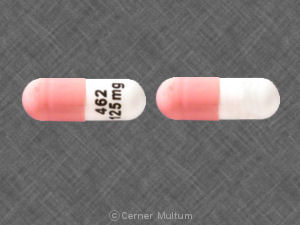
Emend Side Effects
Generic Name: aprepitant
Please note - some side effects for Emend may not be reported. Always consult your doctor or healthcare specialist for medical advice. You may also report side effects to the FDA at http://www.fda.gov/medwatch/ or 1-800-FDA-1088 (1-800-332-1088).
Side Effects of Emend - for the Consumer
Emend
All medicines may cause side effects, but many people have no, or minor, side effects. Check with your doctor if any of these most COMMON side effects persist or become bothersome when using Emend:
Seek medical attention right away if any of these SEVERE side effects occur when using Emend:Constipation; diarrhea; dizziness; headache; hiccups; loss of appetite; nausea; tiredness; upset stomach; weakness.
Severe allergic reactions (rash; hives; itching; difficulty breathing; tightness in the chest; swelling of the mouth, face, lips, or tongue); fast or irregular heartbeat; fever; shortness of breath; sore throat.
Emend for Injection Pimozide
All medicines may cause side effects, but many people have no, or minor, side effects. Check with your doctor if any of these most COMMON side effects persist or become bothersome when using Emend for Injection Pimozide:
Seek medical attention right away if any of these SEVERE side effects occur when using Emend for Injection Pimozide:Constipation; diarrhea; dizziness; headache; hiccups; loss of appetite; nausea; pain or hardening at the injection site; tiredness; upset stomach; weakness.
TopSevere allergic reactions (rash; hives; itching; difficulty breathing; tightness in the chest; swelling of the mouth, face, lips, or tongue); fast or irregular heartbeat; fever; shortness of breath; sore throat.
Emend Side Effects - for the Professional
Emend
The overall safety of aprepitant was evaluated in approximately 4400 individuals.
Chemotherapy Induced Nausea and Vomiting
Highly Emetogenic ChemotherapyIn 2 well-controlled clinical trials in patients receiving highly emetogenic cancer chemotherapy, 544 patients were treated with aprepitant during Cycle 1 of chemotherapy and 413 of these patients continued into the Multiple-Cycle extension for up to 6 cycles of chemotherapy. Emend was given in combination with ondansetron and dexamethasone and was generally well tolerated. Most adverse experiences reported in these clinical studies were described as mild to moderate in intensity.
In Cycle 1, clinical adverse experiences were reported in approximately 69% of patients treated with the aprepitant regimen compared with approximately 68% of patients treated with standard therapy. Table 6 shows the percent of patients with clinical adverse experiences reported at an incidence ≥3%.
| Aprepitant Regimen (N = 544) |
Standard Therapy (N = 550) |
|
| Body as a Whole/Site Unspecified | ||
|
Abdominal Pain Asthenia/Fatigue Dehydration Dizziness Fever Mucous Membrane Disorder |
4.6 17.8 5.9 6.6 2.9 2.6 |
3.3 11.8 5.1 4.4 3.5 3.1 |
| Digestive System | ||
|
Constipation Diarrhea Epigastric Discomfort Gastritis Heartburn Nausea Vomiting |
10.3 10.3 4.0 4.2 5.3 12.7 7.5 |
12.2 7.5 3.1 3.1 4.9 11.8 7.6 |
| Eyes, Ears, Nose, and Throat | ||
|
Tinnitus |
3.7 |
3.8 |
| Hemic and Lymphatic System | ||
|
Neutropenia |
3.1 |
2.9 |
| Metabolism and Nutrition | ||
|
Anorexia |
10.1 |
9.5 |
| Nervous System | ||
|
Headache Insomnia |
8.5 2.9 |
8.7 3.1 |
| Respiratory System | ||
|
Hiccups |
10.8 |
5.6 |
In addition, isolated cases of serious adverse experiences, regardless of causality, of bradycardia, disorientation, and perforating duodenal ulcer were reported in highly emetogenic CINV clinical studies.
Moderately Emetogenic ChemotherapyDuring Cycle 1 of a moderately emetogenic chemotherapy study, 438 patients were treated with the aprepitant regimen and 385 of these patients continued into the Multiple-Cycle extension for up to 4 cycles of chemotherapy. In Cycle 1, clinical adverse experiences were reported in approximately 73% of patients treated with the aprepitant regimen compared with approximately 75% of patients treated with standard therapy.
The adverse experience profile in the moderately emetogenic chemotherapy study was generally comparable to the highly emetogenic chemotherapy studies. Table 7 shows the percent of patients with clinical adverse experiences reported at an incidence ≥3%.
| Aprepitant Regimen (N = 438) |
Standard Therapy (N = 428) |
|
| Blood and Lymphatic System Disorders | ||
|
Neutropenia |
8.9 |
8.4 |
| Metabolism and Nutrition Disorders | ||
|
Anorexia |
4.3 |
5.8 |
| Psychiatric Disorders | ||
|
Insomnia |
4.1 |
5.6 |
| Nervous System Disorders | ||
|
Dizziness Headache |
3.4 16.4 |
4.2 16.4 |
| Vascular Disorders | ||
|
Hot Flush |
3.0 |
1.4 |
| Respiratory, Thoracic and Mediastinal Disorders | ||
|
Pharyngolaryngeal pain |
3.0 |
2.3 |
| Gastrointestinal Disorders | ||
|
Constipation Diarrhea Dyspepsia Nausea Stomatitis |
12.3 5.5 8.4 7.1 5.3 |
18.0 6.3 4.9 7.5 4.4 |
| Skin and Subcutaneous Tissue Disorders | ||
|
Alopecia |
24.0 |
22.2 |
| General Disorders and General Administration Site Conditions | ||
|
Asthenia Fatigue Mucosal inflammation |
3.4 21.9 2.5 |
3.7 21.5 3.5 |
Isolated cases of serious adverse experiences, regardless of causality, of dehydration, enterocolitis, febrile neutropenia, hypertension, hypoesthesia, neutropenic sepsis, pneumonia, and sinus tachycardia were reported in the moderately emetogenic CINV clinical study.
Highly and Moderately Emetogenic ChemotherapyThe following additional clinical adverse experiences (incidence >0.5% and greater than standard therapy), regardless of causality, were reported in patients treated with aprepitant regimen:
Infections and infestations: candidiasis, herpes simplex, lower respiratory infection, pharyngitis, septic shock, upper respiratory infection, urinary tract infection.
Neoplasms benign, malignant and unspecified (including cysts and polyps): malignant neoplasm, non-small cell lung carcinoma.
Blood and lymphatic system disorders: anemia, febrile neutropenia, thrombocytopenia.
Metabolism and nutrition disorders: appetite decreased, diabetes mellitus, hypokalemia.
Psychiatric disorders: anxiety disorder, confusion, depression.
Nervous system: peripheral neuropathy, sensory neuropathy, taste disturbance, tremor.
Eye disorders: conjunctivitis.
Cardiac disorders: myocardial infarction, palpitations, tachycardia.
Vascular disorders: deep venous thrombosis, flushing, hypertension, hypotension.
Respiratory, thoracic and mediastinal disorders: cough, dyspnea, nasal secretion, pneumonitis, pulmonary embolism, respiratory insufficiency, vocal disturbance.
Gastrointestinal disorders: acid reflux, deglutition disorder, dry mouth, dysgeusia, dysphagia, eructation, flatulence, obstipation, salivation increased.
Skin and subcutaneous tissue disorders: acne, diaphoresis, rash.
Musculoskeletal and connective tissue disorders: arthralgia, back pain, muscular weakness, musculoskeletal pain, myalgia.
Renal and urinary disorders: dysuria, renal insufficiency.
Reproductive system and breast disorders: pelvic pain.
General disorders and administrative site conditions: edema, malaise, rigors.
Investigations: weight loss.
Laboratory Adverse ExperiencesTable 8 shows the percent of patients with laboratory adverse experiences reported at an incidence ≥3% in patients receiving highly emetogenic chemotherapy.
| Aprepitant Regimen (N = 544) |
Standard Therapy (N = 550) |
|
|
ALT Increased AST Increased Blood Urea Nitrogen Increased Serum Creatinine Increased Proteinuria |
6.0 3.0 4.7 3.7 6.8 |
4.3 1.3 3.5 4.3 5.3 |
The following additional laboratory adverse experiences (incidence >0.5% and greater than standard therapy), regardless of causality, were reported in patients treated with aprepitant regimen: alkaline phosphatase increased, hyperglycemia, hyponatremia, leukocytes increased, erythrocyturia, leukocyturia.
The adverse experiences of increased AST and ALT were generally mild and transient.
The following laboratory adverse experiences were reported at an incidence ≥3% during Cycle 1 of the moderately emetogenic chemotherapy study in patients treated with the aprepitant regimen or standard therapy, respectively: decreased hemoglobin (2.3%, 4.7%) and decreased white blood cell count (9.3%, 9.0%).
The adverse experience profiles in the Multiple-Cycle extensions for up to 6 cycles of chemotherapy were generally similar to that observed in Cycle 1.
Stevens-Johnson syndrome was reported as a serious adverse experience in a patient receiving aprepitant with cancer chemotherapy in another CINV study.
Postoperative Nausea and Vomiting
In well-controlled clinical studies in patients receiving general anesthesia, 564 patients were administered 40 mg aprepitant orally and 538 patients were administered 4 mg ondansetron IV. Emend was generally well tolerated. Most adverse experiences reported in these clinical studies were described as mild to moderate in intensity.
Clinical adverse experiences were reported in approximately 60% of patients treated with 40 mg aprepitant compared with approximately 64% of patients treated with 4 mg ondansetron IV. Table 9 shows the percent of patients with clinical adverse experiences reported at an incidence ≥3% of the combined studies.
| Aprepitant 40 mg (N=564) |
Ondansetron (N=538) |
|
| Infections and Infestations | ||
|
Urinary Tract Infection |
2.3 | 3.2 |
| Blood and Lymphatic System Disorders | ||
|
Anemia |
3.0 | 4.3 |
| Psychiatric Disorders | ||
|
Insomnia |
2.1 | 3.3 |
| Nervous System Disorders | ||
|
Headache |
5.0 | 6.5 |
| Cardiac Disorders | ||
|
Bradycardia |
4.4 | 3.9 |
| Vascular Disorders | ||
|
Hypertension Hypotension |
2.1 5.7 |
3.2 4.6 |
| Gastrointestinal Disorders | ||
|
Constipation Flatulence Nausea Vomiting |
8.5 4.1 8.5 2.5 |
7.6 5.8 8.6 3.9 |
| Skin and Subcutaneous Tissue Disorders | ||
|
Pruritus |
7.6 | 8.4 |
| General Disorders and General Administration Site Conditions | ||
|
Pyrexia |
5.9 | 10.6 |
The following additional clinical adverse experiences (incidence >0.5% and greater than ondansetron), regardless of causality, were reported in patients treated with aprepitant:
Infections and infestations: postoperative infection
Metabolism and nutrition disorders: hypokalemia, hypovolemia.
Nervous system disorders: dizziness, hypoesthesia, syncope.
Vascular disorders: hematoma
Respiratory, thoracic and mediastinal disorders: dyspnea, hypoxia, respiratory depression.
Gastrointestinal disorders: abdominal pain, abdominal pain upper, dry mouth, dyspepsia.
Skin and subcutaneous tissue disorders: urticaria
General disorders and administrative site conditions: hypothermia, pain.
Investigations: blood pressure decreased
Injury, poisoning and procedural complications: operative hemorrhage, wound dehiscence.
Other adverse experiences (incidence ≤0.5%) reported in patients treated with aprepitant 40 mg for postoperative nausea and vomiting included:
Nervous system disorders: dysarthria, sensory disturbance.
Eye disorders: miosis, visual acuity reduced.
Respiratory, thoracic and mediastinal disorders: wheezing
Gastrointestinal disorders: bowel sounds abnormal, stomach discomfort.
There were no serious adverse drug-related experiences reported in the postoperative nausea and vomiting clinical studies in patients taking 40 mg aprepitant.
Laboratory Adverse ExperiencesOne laboratory adverse experience, hemoglobin decreased (40 mg aprepitant 3.8%, ondansetron 4.2%), was reported at an incidence ≥3% in a patient receiving general anesthesia.
The following additional laboratory adverse experiences (incidence >0.5% and greater than ondansetron), regardless of causality, were reported in patients treated with aprepitant 40 mg: blood albumin decreased, blood bilirubin increased, blood glucose increased, blood potassium decreased, glucose urine present.
The adverse experience of ALT increased occurred with similar incidence in patients treated with aprepitant 40 mg (1.1%) as in patients treated with ondansetron 4 mg (1.0%).
Other Studies
Angioedema and urticaria were reported as serious adverse experiences in a patient receiving aprepitant in a non-CINV/non-PONV study.
Post-Marketing Experience:
The following adverse reactions have been identified during post-marketing use of aprepitant. Because these reactions are reported voluntarily from a population of uncertain size, it is generally not possible to reliably estimate their frequency or establish a causal relationship to the drug.
Skin and subcutaneous tissue disorders: pruritus, rash, urticaria
Immune system disorders: hypersensitivity reactions including anaphylactic reactions
TopSide Effects by Body System
Dermatologic
Dermatologic side effects including alopecia (24%) and rash have been reported with the use of aprepitant as a part of a regimen that also included ondansetron and dexamethasone which was given along with moderately or highly emetogenic cancer chemotherapy. Pruritus and urticaria have also been reported.
General
General side effects including asthenia/fatigue (17.8%), dizziness (3.4% to 6.6%), dehydration (5.9%), abdominal pain (4.6%), fever (2.9%), mucous membrane disorder (2.6%) have been reported with the use of aprepitant as a part of a regimen that also included ondansetron and dexamethasone which was given along with moderately or highly emetogenic cancer chemotherapy. Diaphoresis, edema, flushing, malaise, pelvic pain, septic shock, and upper respiratory infection have also been reported.
Nervous system
Nervous system side effects including headache (8.5% to 16.4%) and insomnia (2.9%) have been reported with the use of aprepitant as a part of a regimen that also included ondansetron and dexamethasone which was given along with highly emetogenic cancer chemotherapy. Peripheral neuropathy and sensory neuropathy have also been reported.
Gastrointestinal
Gastrointestinal side effects including nausea (7.1% to 12.7%), constipation (10.3% to 12.3%), diarrhea (5.5% to 10.3%), dyspepsia (8.4%), vomiting (7.5%), stomatitis (5.3%), heartburn (5.3%), gastritis (4.2%), and epigastric discomfort (4.0%) have been reported with the use of aprepitant as a part of a regimen with ondansetron and dexamethasone which was given along with moderately or highly emetogenic cancer chemotherapy. Acid reflux, deglutination, disorder, dysgeusia, dysphagia, flatulence, obstipation, increased salivation, and taste disturbance have also been reported.
Respiratory
Respiratory side effects including hiccups (10.8%) have been reported with the use of aprepitant as a part of a regimen that also included ondansetron and dexamethasone which was given along with moderately or highly emetogenic cancer chemotherapy. Cough, dyspnea, pneumonitis, respiratory insufficiency, lower respiratory infection, nasal secretion, pharyngitis, pharyngolaryngeal pain, and vocal disturbance have also been reported.
Other
Other side effects including anorexia (4.3% to 10.1%) and tinnitus (3.7%) have been reported with the use of aprepitant as a part of a regimen that also included ondansetron and dexamethasone which was given along with moderately or highly emetogenic cancer chemotherapy.
Oncologic
Oncologic side effects including malignant neoplasm and non-small cell lung carcinoma have been reported with the use of aprepitant as a part of a regimen that also included ondansetron and dexamethasone which was given along with highly emetogenic cancer chemotherapy.
Thyroid follicular cell adenomas and carcinomas in male rats and increased incidences of hepatocellular adenoma and thyroid follicular adenoma in female rats have been reported. The drug has also been reported to cause skin fibrosarcomas in male mice.
Hematologic
Hematologic side effects including neutropenia have been reported with the use of aprepitant as a part of a regimen that also included ondansetron and dexamethasone which was given along with highly emetogenic cancer chemotherapy. Anemia, febrile neutropenia, and thrombocytopenia have also been reported.
Cardiovascular
Cardiovascular side effects including deep vein thrombosis, hypertension, hypotension, myocardial infarction, pulmonary embolism, and tachycardia have been reported with the use of aprepitant as a part of a regimen that also included ondansetron and dexamethasone which was given along with highly emetogenic cancer chemotherapy.
Metabolic
Metabolic side effects including diabetes mellitus have been reported with the use of aprepitant as a part of a regimen that also included ondansetron and dexamethasone which was given along with highly emetogenic cancer chemotherapy. Decreased appetite, hypokalemia, and weight loss have also been reported.
Musculoskeletal
Musculoskeletal side effects including muscular weakness, musculoskeletal pain, and myalgia have been reported with the use of aprepitant as a part of a regimen that also included ondansetron and dexamethasone which was given along with highly emetogenic cancer chemotherapy.
Psychiatric
Psychiatric side effects including anxiety disorder, confusion, and depression have been reported with the use of aprepitant as a part of a regimen that also included ondansetron and dexamethasone which was given along with highly emetogenic cancer chemotherapy.
Genitourinary
Genitourinary side effects including dysuria and renal insufficiency have been reported with the use of aprepitant as a part of a regimen that also included ondansetron and dexamethasone which was given along with highly emetogenic cancer chemotherapy.
TopDisclaimer: Every effort has been made to ensure that the information provided is accurate, up-to-date, and complete, but no guarantee is made to that effect. In addition, the drug information contained herein may be time sensitive and should not be utilized as a reference resource beyond the date hereof. This information does not endorse drugs, diagnose patients, or recommend therapy. This drug information is a reference resource designed as supplement to, and not a substitute for, the expertise, skill , knowledge, and judgement of healthcare practitioners in patient care. The absence of a warning for a given drug or drug combination in no way should be construed to indicate that the drug of drug combination is safe, effective, or appropriate for any given patient. Drugs.com does not assume any responsibility for any aspect of healthcare administered with the aid of information provided. The information contained herein is not intended to cover all possible uses, directions, precautions, warnings, drug interactions, allergic reactions, or adverse effects. If you have questions about the drugs you are taking, check with your doctor, nurse, or pharmacist.