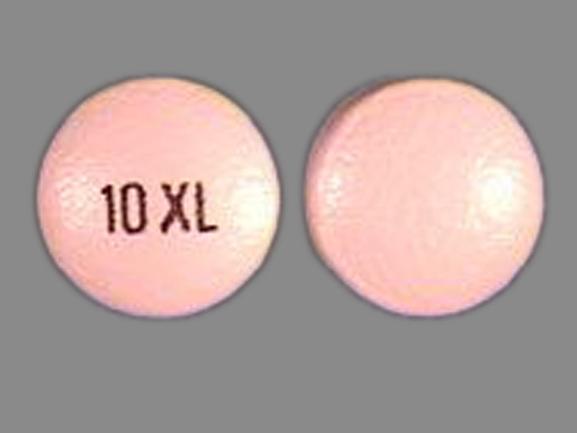
Ditropan XL Side Effects
Generic name: oxybutynin
Medically reviewed by Drugs.com. Last updated on Mar 26, 2024.
Note: This document provides detailed information about Ditropan XL Side Effects associated with oxybutynin. Some dosage forms listed on this page may not apply specifically to the brand name Ditropan XL.
Applies to oxybutynin: oral syrup, oral tablet, oral tablet extended release.
Other dosage forms:
Common side effects of Ditropan XL
Some side effects of oxybutynin may occur that usually do not need medical attention. These side effects may go away during treatment as your body adjusts to the medicine. Also, your health care professional may be able to tell you about ways to prevent or reduce some of these side effects.
Check with your health care professional if any of the following side effects continue or are bothersome or if you have any questions about them:
More common
- acid or sour stomach
- belching
- decreased sweating
- diarrhea
- difficulty having a bowel movement (stool)
- drowsiness
- dryness of the eyes, mouth, nose, or throat
- heartburn
- indigestion
- runny nose
- stomach discomfort, upset, or pain
Less common or rare
- blurred vision
- decreased flow of breast milk
- decreased sexual ability
- difficulty in swallowing
- feeling of warmth or heat
- headache
- increased sensitivity of the eyes to light
- nausea or vomiting
- trouble with sleeping
- unusual tiredness or weakness
Incidence not known
- bloating or swelling of the face, arms, hands, lower legs, or feet
- decreased interest in sexual intercourse
- inability to have or keep an erection
- loss in sexual ability, desire, drive, or performance
- rapid weight gain
- tingling of the hands or feet
- unusual weight gain or loss
Serious side effects of Ditropan XL
Along with its needed effects, oxybutynin (the active ingredient contained in Ditropan XL) may cause some unwanted effects. Although not all of these side effects may occur, if they do occur they may need medical attention.
Check with your doctor immediately if any of the following side effects occur while taking oxybutynin:
Rare
- eye pain
- skin rash or hives
Get emergency help immediately if any of the following symptoms of overdose occur while taking oxybutynin:
Symptoms of overdose
- clumsiness or unsteadiness
- confusion
- convulsions
- dizziness
- drowsiness (severe)
- fainting
- fast, slow, or irregular heartbeat
- fever
- flushing or redness of the face
- hallucinations (seeing, hearing, or feeling things that are not there)
- troubled breathing
- unusual excitement, nervousness, restlessness, or irritability
For healthcare professionals
Applies to oxybutynin: oral solution, oral syrup, oral tablet, oral tablet extended release, transdermal film extended release, transdermal gel.
General
The most common (incidence 5% or greater) adverse reactions were dry mouth, constipation, diarrhea, headache, somnolence, and dizziness.[Ref]
Cardiovascular
- Common (1% to 10%): Palpitations
- Uncommon (0.1% to 1%): Cardiac arrhythmia tachycardia, vasodilation, hypertension, flushing
- Frequency not reported: Heat stroke[Ref]
Dermatologic
- Very common (10% or more): Dry skin, pruritus
- Common (1% to 10%): Flushing, rash
- Frequency not reported: Angioedema, hypohidrosis[Ref]
Endocrine
- Postmarketing reports: Decreased lactation[Ref]
Gastrointestinal
- Very common (10% or more): Dry mouth (up to 72%), constipation (up to 15%), nausea
- Common (1% to 10%): Diarrhea, dyspepsia, abdominal pain, vomiting, flatulence, gastroesophageal reflux disease
- Uncommon (0.1% to 1%): Abdominal discomfort
- Frequency not reported: Pseudo-obstruction in patients at risk (elderly or patients with constipation and treated with other drugs that decrease intestinal motility), decreased GI motility[Ref]
Hypersensitivity
- Uncommon (0.1% to 1%): Hypersensitivity
- Frequency not reported: Anaphylactic reaction[Ref]
Genitourinary
- Common (1% to 10%): Urinary tract infection, urinary hesitation, urinary retention, dysuria, increased post void retention
- Frequency not reported: Impotence, suppression of lactation, cystitis, aggravation of prostatic hypertrophy[Ref]
Immunologic
- Uncommon (0.1% to 1%): Fungal infection[Ref]
Local
- Very common (10% or more): Application site pruritus (16.8%)
- Common (1% to 10%): Application site erythema, application site vesicles, application site rash, application site macules[Ref]
Metabolic
- Uncommon (0.1% to 1%): Anorexia, fluid retention[Ref]
Musculoskeletal
- Uncommon (0.1% to 1%): Back pain[Ref]
Nervous system
- Very common (10% or more): Dizziness (up to 17%), somnolence (up to 14%), headache, drowsiness, confusion
- Common (1% to 10%): Dysgeusia
- Uncommon (0.1% to 1%): Dysphagia, convulsions
- Frequency not reported: Cognitive disorders in elderly, convulsions, agitation, nightmares, anxiety, paranoia, symptoms of depression, hallucinations, asthenia, insomnia, restlessness, dependence to this drug (in patients with history of drug or substance abuse)[Ref]
Ocular
- Common (1% to 10%): Blurred vision, dry eye, abnormal vision
- Uncommon (0.1% to 1%): Angle closure glaucoma
- Frequency not reported: Onset of narrow-angle glaucoma, mydriasis, intraocular hypertension, amblyopia, cycloplegia, decreased lacrimation[Ref]
Other
- Common (1% to 10%): Fatigue
- Uncommon (0.1% to 1%): Dysphonia, thirst
- Frequency not reported: Falls, accidental injury[Ref]
Psychiatric
- Common (1% to 10%): Insomnia, nervousness
- Uncommon (0.1% to 1%): Hallucinations, confusional state, agitation, memory impairment
- Frequency not reported: Psychotic disorder, anxiety, nightmares, paranoia, abnormal behavior[Ref]
Respiratory
- Common (1% to 10%): Cough, oropharyngeal pain, dry throat, nasal dryness
- Uncommon (0.1% to 1%): Upper respiratory tract infection, rhinitis, chest discomfort, hoarseness
- Rare (0.01% to 0.1%): Nasal congestion, throat irritation[Ref]
Other
Concomitant use of oxybutynin (the active ingredient contained in Ditropan XL) with carbamazepine and dantrolene has been associated with adverse events suggestive of carbamazepine toxicity, such as vomiting, drowsiness, confusion, unsteadiness, slurred speech, and nystagmus.
References
1. (2001) "Product Information. Ditropan (oxybutynin)." Hoechst Marion Roussel
2. Cerner Multum, Inc. "UK Summary of Product Characteristics."
3. Pharmaceutical Society of Australia (2006) APPGuide online. Australian prescription products guide online. http://www.appco.com.au/appguide/default.asp
More about Ditropan XL (oxybutynin)
- Check interactions
- Compare alternatives
- Reviews (5)
- Drug images
- Dosage information
- During pregnancy
- Drug class: urinary antispasmodics
Patient resources
Other brands
Ditropan, Oxytrol, Gelnique, Anturol
Professional resources
Other brands
Related treatment guides
Further information
Ditropan XL side effects can vary depending on the individual. Always consult your healthcare provider to ensure the information displayed on this page applies to your personal circumstances.
Some side effects may not be reported. You may report them to the FDA.