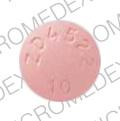
Crestor Side Effects
Generic name: rosuvastatin [ roe-SOO-va-sta-tin ]
Crestor is given orally (by mouth) as a tablet once a day. It may help lower your LDL, increase your HDL, lower fat in your blood (triglycerides), slow the build-up of fat deposits (plaque) on your blood vessel walls, and reduce the risk of heart attacks and strokes in some people.
What are the more common side effects of Crestor?
This medication is usually well-tolerated and most patients do not need to stop treatment due to side effects.
Common side effects include:
- Headache
- Muscle aches and pains
- Abdominal (stomach area) pain
- Weakness
- Nausea
These side effects were reported to occur in at least 2% (at least 2 out of every 100 patients) in studies.
Other common side effects include:
- Joint pain
- Dizziness
- Constipation
- Diabetes mellitus
- Protein in the urine
- Blood in the urine
- Trouble sleeping (trouble falling asleep or nightmares)
What are some mild side effects of Crestor?
Mild side effects may include temporary reactions like:
- Headache
- Nausea
- Dizziness
- Constipation
- Trouble sleeping
If these side effects do not go away or are concerning to you, contact your doctor right away. These side effects may not be mild in all patients.
What are some serious side effects of Crestor?
Most medicines may cause some unwanted effects. Although not all of these side effects may occur, if they do occur they may need medical attention.
Serious side effects may include:
- Muscle pain, tenderness and weakness (also called myopathy)
- Acute kidney (renal) failure
- Liver problems
- Depression
- Allergic reactions (hypersensitivity reactions); Angioedema
- Inflammation of the pancreas (pancreatitis)
- Thrombocytopenia (low blood platelet count)
- Weakness, numbness and pain, often in the hands and feet (peripheral neuropathy)
- Scarring of the lung tissue (interstitial lung disease)
- Diabetes mellitus, elevations in HbA1c
- Immune-Mediated Necrotizing Myopathy: cell death in the muscles that cause weakness and fatigue (rare reports)
- Memory loss, forgetfulness, amnesia, memory impairment, and confusion (cognitive impairment). Cognitive impairment has been reported with all statins.
Muscle pain
Muscle damage with statins can be serious and may rarely cause kidney problems that could lead to death. Contact your doctor right away if:
- you have unexplained muscle pain, tenderness, or weakness, especially with a fever or you feel more tired than usual
- muscle problems even after stopping Crestor (as directed by your doctor).
You may need blood tests to determine the cause of your muscle pain or weakness.
The risk for muscle damage can be higher if you take certain medicines, take higher doses of Crestor, are 65 years of age or older, have uncontrolled thyroid problems (hypothyroidism), or have kidney problems.
Ask your doctor or pharmacist to perform a drug interaction review before you start treatment. Tell your healthcare provider about all the medicines you take, including prescription and over-the-counter medicines, vitamins, and herbal supplements.
Liver problems
Tell your doctor if you have liver disease or a history of liver disease before you start Crestor treatment. Your doctor should order blood tests to look for any signs of liver damage before you start treatment, and if you develop signs or symptoms of liver injury during treatment.
Call your healthcare provider right away if you:
- feel more tired or weak than usual, lose your appetite
- have pain in your upper belly area
- have dark-colored urine
- notice that your skin or the whites of your eyes turn a yellow color (jaundice).
You may need a blood test to look for liver problems.
If you drink more than 2 glasses of alcohol per day or have a history of liver disease, be sure to tell your doctor. It may not be safe for you to use this medicine.
Allergic reactions
Do not take this medicine if you are allergic to rosuvastatin calcium, the active ingredient in Crestor.
Serious allergic reactions may include:
- Rash
- Itching
- Hives
- Trouble breathing
- Fast heartbeat
- Redness or flushing
- Swelling under the skin or around the face, eyes, or throat (angioedema)
Call your doctor right away or seek emergency help by calling 911 if the reaction is severe.
See also:
Ezallor
Ezallor is used for high cholesterol, high cholesterol, familial homozygous, hyperlipoproteinemia ...
Altoprev
Altoprev is used for high cholesterol, high cholesterol, familial heterozygous ...
Dupixent
Dupixent is used to treat eczema, eosinophilic or oral-corticosteroid-dependent asthma, chronic ...
Atorvaliq
Atorvaliq is used for high cholesterol, familial heterozygous, high cholesterol, familial ...
FloLipid
FloLipid is used for cardiovascular risk reduction, high cholesterol, high cholesterol, familial ...
Lescol XL
Lescol XL is used for high cholesterol, high cholesterol, familial heterozygous ...
Lipitor
Lipitor is used to treat high cholesterol. Learn about side effects, interactions and indications.
Livalo
Livalo is used to treat high cholesterol in adults (hypercholesterolemia). Learn about side ...
Zocor
Zocor (simvastatin) reduces low-density lipoprotein cholesterol and total cholesterol in the blood ...
Other warnings with Crestor
Pregnancy and Breastfeeding
Do not take Crestor if you are pregnant or think you may be pregnant, or are planning to become pregnant. Crestor may harm your unborn baby. If you become pregnant, stop taking the medicine and call your doctor right away. Use effective birth control while taking this medicine.
Do not use Crestor if you are breastfeeding. The medicine can pass into your breast milk and possibly harm your baby.
Asian patients
Tell your doctor if you are of Asian descent before you start treatment. You may need a lower dose of this medicine.
Laboratory test abnormalities
These may include elevated:
- Creatine phosphokinase (indicates possible muscle damage)
- Liver enzymes, like alkaline phosphatase, ALT, AST or GGT (indicates possible liver damage)
- Glucose (high blood sugar may indicate diabetes)
- Bilirubin (possible liver damage)
- Thyroid function test
FAQs about Crestor’s side effects
Here is a selection of our most commonly asked questions about Crestor’s side effects.
Does Crestor cause any long-term side effects?
Crestor does not usually cause any long-term, serious side effects. Most side effects will clear up once you stop taking the medicine. Only stop this medicine as directed by your healthcare provider.
Rarely, some side effects may continue long-term or cause prolonged side effects, even after the drug is stopped. Speak with your doctor about long-term side effects with Crestor.
- Kidney damage
- Liver damage
- Muscle damage
This medicine has been reported to cause enlargement of the breast tissue in men or boys (gynecomastia) after it was approved, but how this side effect occurs is not known.
Does Crestor cause memory loss?
There have been reports of cognitive impairment with Crestor (for example: memory loss, confusion, forgetfulness and amnesia). This side effect may start from 1 day to years after starting the medicine. If you experience memory loss after starting Crestor, speak to your doctor. Do not stop taking the medication on your own.
Cognitive impairment has been reported rarely with all statins. The memory loss reports were not usually serious and, if the statin is stopped, typically clears up in about 3 weeks.
Can you drink alcohol while taking Crestor?
There is no specific interaction between Crestor and alcohol, but statins in general can cause liver problems, which can be worsened by excessive alcohol consumption. It may be best to check with your doctor before you combine alcohol with Crestor, to find out if it is safe and how much alcohol you can drink.
These are not all the possible side effects of Crestor. Tell your doctor if you have any side effect that bothers you or that does not go away.
Frequently asked questions
More about Crestor (rosuvastatin)
- Check interactions
- Compare alternatives
- Pricing & coupons
- Reviews (139)
- Drug images
- Latest FDA alerts (5)
- Dosage information
- Patient tips
- During pregnancy
- Generic availability
- Support group
- Drug class: statins
- Breastfeeding
- En español
Patient resources
Other brands
Professional resources
Other brands
Related treatment guides
Further information
Crestor side effects can vary depending on the individual. Always consult your healthcare provider to ensure the information displayed on this page applies to your personal circumstances.
Note: Medication side effects may be underreported. If you are experiencing side effects that are not listed, submit a report to the FDA by following this guide.