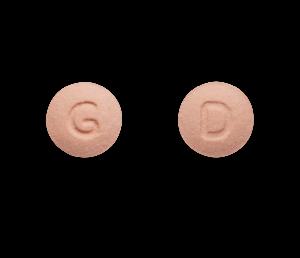
Rosuvastatin Calcium (Monograph)
Brand name: Crestor
Drug class: HMG-CoA Reductase Inhibitors
Introduction
Antilipemic agent; hydroxymethylglutaryl-CoA (HMG-CoA) reductase inhibitor (i.e., statin).
Uses for Rosuvastatin Calcium
Reduction in Risk of Cardiovascular Events
Adjunct to nondrug therapies (i.e., diet, lifestyle modifications) in adults without clinical evidence of CHD who have an increased risk of cardiovascular disease based on age, high-sensitivity C-reactive protein [hsCRP] ≥2 mg/L, and at least one additional cardiovascular disease risk factor; used to reduce the risk of MI, stroke, or angina and the risk of undergoing revascularization procedures in such patients.
Adjunct to dietary therapy to slow the progression of atherosclerosis in adults as part of a treatment strategy to lower total and LDL-cholesterol concentrations to target levels.
Also used for secondary prevention† [off-label] in patients with established atherosclerotic cardiovascular disease (ASCVD), defined as acute coronary syndrome (ACS), history of MI, stable or unstable angina or coronary or other arterial revascularization, stroke, TIA, or peripheral artery disease (including aortic aneurysm).
Extensive evidence demonstrates that statins can substantially reduce LDL-cholesterol concentrations and associated risk of ASCVD; may be used for secondary prevention or primary prevention in high-risk patients.
AHA/ACC cholesterol management guideline states that lifestyle modification is the foundation of ASCVD risk reduction. Patients with established ASCVD or high risk of ASCVD should also be treated with a statin.
Because relative ASCVD risk reduction is correlated with degree of LDL-cholesterol lowering, use maximum tolerated intensity of a statin to achieve greatest benefit. High-intensity statin therapy (defined as reducing LDL-cholesterol concentrations by ≥50%) is recommended; if high-intensity statin therapy not possible (e.g., because of a contraindication or intolerable adverse effect), may consider moderate-intensity statin therapy (defined as reducing LDL-cholesterol concentrations by 30–49%). AHA/ACC considers rosuvastatin 20–40 mg daily to be a high-intensity statin and rosuvastatin 5–10 mg daily to be a moderate-intensity statin.
The addition of a nonstatin drug (e.g., ezetimibe, PCSK9 inhibitor) to statin therapy may be considered in certain high-risk patients who require further reduction in LDL-cholesterol concentrations, particularly if there is evidence from randomized controlled studies suggesting that the addition of the nonstatin drug further reduces ASCVD events.
When considering whether to initiate statin therapy for primary prevention, AHA/ACC recommends an individualized approach and shared decision making between patient and clinician. According to the guidelines, statin therapy may be considered in certain high-risk groups such as adults 20–75 years of age with LDL cholesterol ≥190 mg/dL, adults 40–75 years of age with diabetes mellitus, adults 40–75 years of age without diabetes mellitus but with LDL-cholesterol levels ≥70 mg/dL and an estimated 10-year ASCVD risk ≥7.5%, and adults 40–75 years of age with chronic kidney disease (not treated with dialysis or transplantation) and LDL-cholesterol concentrations of 70–189 mg/dL who have a 10-year ASCVD risk ≥7.5%.
Dyslipidemias
Adjunct to diet to decrease LDL-cholesterol in adults with primary hyperlipidemia or mixed dyslipidemia (including heterozygous familial hypercholesterolemia [HeFH]).
Adjunct to diet to decrease LDL-cholesterol in pediatric patients ≥8 years of age with HeFH.
Adjunct to other lipid-lowering therapies (e.g., plasma LDL-apheresis) or alone, when such therapies are not available, to reduce LDL-cholesterol in adults with homozygous familial hypercholesterolemia (HoFH).
Adjunct to other lipid-lowering therapies (e.g., plasma LDL-apheresis) or alone, when such therapies are not available, to decrease LDL-cholesterol in pediatric patients ≥7 years of age with HoFH. Designated an orphan drug by FDA for this use.
Adjunct to diet for the management of hypertriglyceridemia in adults.
Adjunct to diet for the management of primary dysbetalipoproteinemia (Fredrickson type III) in adults.
Produces greater reductions in LDL-cholesterol concentrations than atorvastatin, pravastatin, or simvastatin on a mg-for-mg basis.
Rosuvastatin Calcium Dosage and Administration
General
Pretreatment Screening
-
Obtain baseline liver enzyme tests (e.g., AST, ALT).
-
Obtain baseline hepatic panel in appropriate patients with chronic stable liver disease (including non-alcoholic fatty liver disease).
-
Obtain baseline fasting lipid panel.
Patient Monitoring
-
Perform fasting lipid panel periodically 4–12 weeks after statin initiation or dose adjustment; monitoring should continue every 3–12 months thereafter as clinically indicated.
-
Periodically reinforce adherence to lifestyle modifications. Antilipemic therapy is an adjunct to, not a substitute for, lifestyle modification therapies that reduce the risk of ASCVD.
-
Perform repeat liver function tests (e.g., AST, ALT, total bilirubin, alkaline phosphatase) when clinically indicated (i.e., symptoms suggesting hepatotoxicity); routine monitoring in the absence of symptoms is not recommended.
-
Monitor hepatic panel in appropriate patients with chronic stable liver disease (including non-alcoholic fatty liver disease).
-
Obtain creatine kinase (CK) levels in patients with severe statin-associated muscle weakness; routine monitoring in the absence of symptoms is not recommended.
Administration
Oral Administration
Administer orally.
Administer at any time of day without regard to meals. Swallow tablets whole.
If a dose is missed, resume treatment with next dose; patients should not take an extra dose.
Dosage
Available as rosuvastatin calcium; dosage expressed in terms of rosuvastatin.
Pediatric Patients
Dyslipidemias
Heterozygous Familial Hypercholesterolemia
OralChildren 8 to <10 years of age: Recommended dosage range is 5–10 mg once daily.
Children and adolescents ≥10 years of age: Recommended dosage range is 5–20 mg once daily.
Homozygous Familial Hypercholesterolemia
OralChildren and adolescents ≥7 years of age: Recommended dosage is 20 mg once daily.
Adults
Reduction in Risk of Cardiovascular Events
Oral
Use maximally tolerated statin intensity to achieve optimal ASCVD risk reduction. High-intensity statin therapy (defined as reducing LDL-cholesterol concentrations by ≥50%) is preferred; if high-intensity statin therapy not possible (e.g., because of a contraindication or intolerable adverse effect), may consider moderate-intensity statin therapy (defined as reducing LDL-cholesterol concentrations by 30–49%).
The AHA/ACC guideline panel considers rosuvastatin 20–40 mg daily to be a high-intensity statin and rosuvastatin 5–10 mg daily to be a moderate-intensity statin.
Manufacturer states recommended dosage range is 5–40 mg daily.
Dyslipidemias
Oral
Dosage range is 5–40 mg once daily.
Special Populations
Hepatic Impairment
No specific dosage recommendations at this time.
Renal Impairment
Patients with severe renal impairment (Clcr <30 mL/minute) not undergoing hemodialysis: Initially, 5 mg once daily; do not exceed 10 mg once daily.
No dosage recommendations for patients with mild and moderate renal impairment.
Geriatric Patients
No specific dosage recommendations at this time; however, use with caution due to increased risk of myopathy.
Asian Patients
Consider initiating therapy at 5 mg once daily.
Consider benefits versus risks of therapy when treating Asian patients not adequately controlled at dosages up to 20 mg daily.
Pharmacogenomic Considerations
SLCO1B1 decreased or possible decreased function phenotype: No dosage adjustment recommended.
SLCO1B1 poor function phenotype: Initial dosage ≤20 mg/day
ABCG2 decreased function phenotype: No dosage adjustment recommended.
ABCG2 poor function phenotype: Initial dosage ≤20 mg/day.
SLCO1B1decreased or possible decreased function and ABCG2decreased function phenotype: No dosage adjustment recommended.
SLCO1B1 decreased or possible decreased function and ABCG2 poor function phenotype: Initial dosage ≤10 mg/day.
SLCO1B1 poor function and ABCG2 decreased function phenotype: Initial dosage ≤20 mg/day.
SLCO1B1 poor function and ABCG2 poor function phenotype: Initial dosage ≤10 mg/day.
Cautions for Rosuvastatin Calcium
Contraindications
-
Acute liver failure or decompensated cirrhosis.
-
Known hypersensitivity to rosuvastatin or any component of the formulation.
Warnings/Precautions
Musculoskeletal Effects
Myopathy (manifested as muscle pain, tenderness or weakness associated with elevated creatine kinase) and rhabdomyolysis may occur. Acute kidney injury secondary to myoglobinuria and rare fatalities reported. Can occur at any dosage, but risk is increased with highest dosage (40 mg daily).
Certain drug interactions also may increase risk of myopathy and/or rhabdomyolysis.
Use with caution in patients with predisposing factors for myopathy (e.g., age ≥65 years, renal impairment, inadequately treated hypothyroidism, higher rosuvastatin dosage).
AHA/ACC recommends measurement of CK levels in patients with severe statin-associated muscle symptoms; however, routine monitoring is not useful.
Discontinue therapy if serum CK concentrations increase markedly or if myopathy is diagnosed or suspected. Muscle symptoms and CK elevations may resolve if rosuvastatin discontinued.
Temporarily withhold or discontinue therapy if an acute, serious condition suggestive of myopathy or rhabdomyolysis occurs (e.g., sepsis; shock; severe hypovolemia; major surgery; trauma; severe metabolic, endocrine, or electrolyte disorders; uncontrolled seizures).
Immune-mediated Necrotizing Myopathy
Immune-mediated necrotizing myopathy (IMNM), an autoimmune myopathy, reported rarely in patients receiving statins. Characterized by proximal muscle weakness and elevated CK concentrations that persist despite discontinuance of statin therapy, positive anti-HMG CoA reductase antibody, muscle biopsy showing necrotizing myopathy, and improvement following therapy with immunosuppressive agents.
Additional neuromuscular and serologic testing may be necessary; treatment with immunosuppressive agents may be required.
Discontinue rosuvastatin if IMNM suspected.
Hepatic Effects
Increases in serum aminotransferase (AST, ALT) concentrations reported. Usually appears soon after initiation; such effects are transient and resolve or improve with continued therapy or after temporary interruption of therapy.
Rare postmarketing reports of fatal and nonfatal hepatic failure.
Consider liver enzyme tests before initiation of therapy and repeat as clinically indicated. Serious statin-related liver injury is rare and unpredictable, and routine periodic monitoring of liver enzymes does not appear to be effective in detecting or preventing serious liver injury. AHA/ACC cholesterol management guideline states that it is reasonable to obtain liver enzyme tests in patients with symptoms of hepatotoxicity (e.g., unusual fatigue or weakness, loss of appetite, abdominal pain, dark colored urine, yellowing of skin or sclera); however, routine monitoring not recommended.
If serious liver injury with clinical manifestations and/or hyperbilirubinemia or jaundice occurs, promptly interrupt rosuvastatin therapy.
Use with caution in patients who consume substantial amounts of alcohol and/or have a history of chronic liver disease.
Contraindicated in patients with acute liver failure or decompensated cirrhosis.
Proteinuria and Hematuria
Transient dipstick-positive proteinuria and microscopic hematuria (not associated with worsening renal function) reported; occurred more frequently with rosuvastatin 40 mg compared with lower doses of rosuvastatin or comparator statins. Clinical importance not known; however, consider reducing dosage in patients who have unexplained persistent proteinuria and/or hematuria during routine urinalysis testing.
Hyperglycemic Effects
Increases in HbA1c and fasting serum glucose concentrations reported. Possible increased risk of developing diabetes.
AHA/ACC cholesterol management guideline states that in patients with increased risk of diabetes mellitus or new-onset diabetes mellitus, statin therapy and lifestyle modifications should be continued to reduce risk of ASCVD.
Specific Populations
Pregnancy
All statins were previously contraindicated in pregnant women because fetal risk was thought to outweigh any possible benefit. However, the totality of evidence to date indicates limited potential for statins to cause malformations and other adverse embryofetal effects; FDA has therefore requested removal of the contraindication. Most pregnant patients should still discontinue statins because of the possibility of fetal harm; however, some patients (e.g., those with homozygous familial hypercholesterolemia or established cardiovascular disease) may benefit from continued therapy. Consider patient's individual risks and benefits.
Patients who become pregnant or suspect that they are pregnant while receiving a statin should notify their clinician; clinician should advise patient on the appropriate course of action.
Increased risk of miscarriage reported in pregnant women exposed to statins; however, not clear whether drug-related or due to other confounding factors.
Lactation
Distributed into human milk; effects on breast-fed infants or milk production not known. Use is not recommended in nursing women; women who require rosuvastatin therapy should not breast-feed their infants. Many patients can stop statin therapy temporarily until breast-feeding is complete; patients who require ongoing statin treatment should not breast-feed and should use alternatives such as infant formula.
Females and Males of Reproductive Potential
AHA/ACC cholesterol management guideline states women (including adolescents) of childbearing age who are sexually active should be counseled to use a reliable form of contraception.
Pediatric Use
Safety and efficacy not established in children <8 years of age with heterozygous familial hypercholesterolemia (HeFH), children <7 years of age with homozygous familial hypercholesterolemia (HoFH), or children with other types of hyperlipidemia (other than HeFH and HoFH).
Safety and effectiveness in pediatric patients ≥8 years of age with HeFH generally similar to those observed in the adult population. Pharmacokinetic studies indicate rosuvastatin exposure in pediatric patients similar to or less than that observed in adults.
Safety and effectiveness established in a limited number of children ≥7 years of age with HoFH.
No detectable adverse effects on growth, weight, BMI, or sexual maturation in children and adolescents.
Geriatric Use
No substantial differences in safety and efficacy relative to younger adults; however, increased sensitivity cannot be ruled out.
Use with caution and monitor for the development of myopathy since age ≥65 is a predisposing risk factor for myopathy and rhabdomyolysis.
Patients >75 years of age may have a higher risk of adverse effects and lower adherence to therapy; consider expected benefits versus adverse effects before initiating statin therapy in this population.
Hepatic Impairment
Use with caution in patients who consume substantial amounts of alcohol and/or have a history of liver disease (e.g., chronic alcoholic liver disease).
Contraindicated in patients with acute liver failure or decompensated cirrhosis.
Peak plasma concentrations and AUC modestly increased in patients with Child-Pugh class A and class B disease.
Renal Impairment
Dosage adjustments necessary in patients with severe renal impairment (Clcr <30 mL/minute per 1.73 m2). Clinically important increases in exposure occur in those with severe renal impairment (Clcr<30 mL/minute per 1.73 m2). Exposure is not influenced by mild or moderate renal impairment (Clcr≥30 mL/minute per 1.73 m2). Steady-state plasma concentrations in patients undergoing chronic hemodialysis are approximately 50% higher than those in healthy individuals with normal renal function. Renal impairment is a risk factor for myopathy and rhabdomyolysis; monitor patients for development of myopathy.
Asian Patients
Approximate twofold elevation in median exposure (peak plasma concentration and AUC) in Asian patients compared with Caucasian patients. Adjust dosage; weigh benefits versus risks in such patients without adequate control at dosages up to 20 mg daily.
Pharmacogenomic Considerations
Genetic variation in the solute carrier organic anion transporter (SLCO) family member (SLCO1B1), ABCG2 (also known as breast cancer resistance protein [BCRP]), and CYP2C9 genes alter systemic exposure to statins, which can increase the risk for statin-associated musculoskeletal symptoms.
In patients with phenotypes that result in increased statin exposure, consider potential for other patient-specific issues that may increase statin exposure (e.g., renal and hepatic function, drug-drug interactions).
Experts state statin therapy should neither be discontinued nor avoided based on SLCO1B1, ABCG2, or CYP2C9 genotype results for patients with an indication for statin therapy.
Patients with SLCO1B1decreased or possible decreased function phenotypes or poor function phenotypes will have increased exposure and risk of statin-associated musculoskeletal symptoms. Lower doses and/or combination therapy (i.e., addition of nonstatin guideline directed medical therapy) may be required.
Patients with ABCG2 decreased function phenotypes or poor function phenotypes will have increased exposure, increased lipid-lowering effects, and unknown risk of statin-associated musculoskeletal symptoms. Lower doses and/or combination therapy (i.e., addition of nonstatin guideline directed medical therapy) or an alternative statin may be required.
Patients with SLCO1B1 decreased or possible decreased function phenotypes or poor function phenotypes in combination with ABCG2 decreased function phenotypes or poor function phenotypes will have increased exposure and risk of statin-associated musculoskeletal symptoms. Lower doses and/or combination therapy (i.e., addition of nonstatin guideline directed medical therapy), or an alternative statin may be required.
Common Adverse Effects
Common adverse effects (≥2%): Headache, nausea, myalgia, asthenia, constipation.
Drug Interactions
Minimally (approximately 10%) metabolized by CYP2C9. Clearance not dependent on metabolism by CYP3A4 to a clinically important extent. Substrate for organic anion transport protein (OATP) 1B1 and breast cancer resistance protein (BCRP).
Drugs Affecting Transport Systems
Substrate for organic anion transport protein (OATP) 1B1 and breast cancer resistance protein (BCRP). Concomitant use with drugs that inhibit these transport proteins potentially may increase plasma concentrations of rosuvastatin and increase risk of myopathy and rhabdomyolysis. Consult relevant prescribing information of such drugs when considering concomitant use.
Specific Drugs
|
Drug |
Interaction |
Comments |
|---|---|---|
|
Antacids (aluminum hydroxide- and magnesium hydroxide-containing) |
Substantially decreased rosuvastatin peak plasma concentration and AUC following simultaneous administration; less substantial decreases when antacid administered 2 hours after rosuvastatin |
Administer antacid ≥2 hours after rosuvastatin |
|
Antifungals, azoles |
Fluconazole or itraconazole: Increased rosuvastatin peak plasma concentrations and AUC Ketoconazole: Rosuvastatin peak plasma concentration and AUC unaffected |
|
|
Capmatinib |
Clinically important increased rosuvastatin peak plasma concentration and AUC Increased risk of myopathy and rhabdomyolysis |
If used concomitantly, do not exceed rosuvastatin dosage of 10 mg daily |
|
Colchicine |
Myopathy, including rhabdomyolysis, reported |
Use concomitantly with caution and only if benefits outweigh risks Monitor for signs and symptoms of myopathy, particularly during initiation and upward dose titration of either drug |
|
Cyclosporine |
Clinically important increased rosuvastatin peak plasma concentration and AUC Increased risk of myopathy and rhabdomyolysis |
Avoid concomitant use If used concomitantly, do not exceed rosuvastatin dosage of 5 mg daily |
|
Darolutamide |
Clinically important increased rosuvastatin peak plasma concentration and AUC Increased risk of myopathy and rhabdomyolysis |
If used concomitantly, do not exceed rosuvastatin dosage of 5 mg daily |
|
Digoxin |
No effect on digoxin peak plasma concentration and AUC |
|
|
Dronedarone |
Increased rosuvastatin AUC |
|
|
Eltrombopag |
Increased rosuvastatin peak plasma concentration and AUC |
|
|
Elvitegravir |
Increased rosuvastatin peak plasma concentration and AUC |
Experts recommend rosuvastatin titration to lowest effective dosage; monitor for adverse events |
|
Enasidenib |
Increased rosuvastatin peak plasma concentration and AUC Increased risk of myopathy and rhabdomyolysis |
If used concomitantly, do not exceed rosuvastatin dosage of 10 mg daily |
|
Erythromycin |
Decreased rosuvastatin peak plasma concentrations and AUC |
|
|
Ezetimibe |
Increased rosuvastatin peak plasma concentration and AUC |
|
|
Febuxostat |
Clinically important increased rosuvastatin peak plasma concentration and AUC Increased risk of myopathy and rhabdomyolysis |
If used concomitantly, do not exceed rosuvastatin dosage of 20 mg daily |
|
Fibric acid derivatives (fenofibrate, gemfibrozil) |
Increased risk of myopathy and rhabdomyolysis Fenofibrate: Modest increase in rosuvastatin peak plasma concentration, rosuvastatin AUC unaffected; not considered clinically important Gemfibrozil: Increased rosuvastatin peak plasma concentration and AUC |
Fenofibrate: Use concomitantly with caution and only if benefits outweigh risks Experts state fenofibrate has a lower risk of severe myopathy compared to gemfibrozil Monitor for signs and symptoms of myopathy, particularly during initiation and upward dose titration of either drug Gemfibrozil: Avoid concomitant use; if concomitant use cannot be avoided, initiate rosuvastatin at 5 mg once daily and do not exceed 10 mg daily |
|
Fostamatinib |
Clinically important increased rosuvastatin peak plasma concentration and AUC Increased risk of myopathy and rhabdomyolysis |
If used concomitantly, do not exceed rosuvastatin dosage of 20 mg daily |
|
HCV antivirals |
Risk of myopathy and rhabdomyolysis increased Sofosbuvir/velpatasvir/voxilaprevir: Substantial increases in peak plasma concentrations and AUC of rosuvastatin observed Ledipasvir/sofosbuvir: Substantial increases in rosuvastatin exposure Simeprevir or combinations of elbasvir/grazoprevir, sofosbuvir/velpatasvir, and glecaprevir/pibrentasvir: Clinically important increased rosuvastatin peak plasma concentration and AUC |
Sofosbuvir/velpatasvir/voxilaprevir: Concomitant use not recommended Ledipasvir/sofosbuvir: Concomitant use not recommended Simeprevir or combinations of elbasvir/grazoprevir, sofosbuvir/velpatasvir, and glecaprevir/pibrentasvir: Initiate rosuvastatin at 5 mg once daily and do not exceed 10 mg once daily |
|
HIV protease inhibitors |
Increased risk of myopathy and rhabdomyolysis Ritonavir-boosted atazanavir or lopinavir/ritonavir: Clinically important increased rosuvastatin peak plasma concentration and AUC Ritonavir-boosted darunavir, ritonavir-boosted fosamprenavir, or ritonavir-boosted tipranavir: Minimal to no change in exposure to rosuvastatin Cobicistat-boosted atazanavir: Rosuvastatin peak plasma concentration and AUC increased Cobicistat-boosted darunavir: Rosuvastatin peak plasma concentration and AUC increased |
Use concomitantly with caution Ritonavir-boosted atazanavir or lopinavir/ritonavir: Initiate rosuvastatin at 5 mg once daily and do not exceed 10 mg once daily Cobicistat-boosted atazanavir: Experts recommend rosuvastatin titration to lowest effective dosage not to exceed 10 mg daily; monitor for adverse events Cobicistat-boosted darunavir: Experts recommend rosuvastatin titration to lowest effective dosage not to exceed 20 mg daily; monitor for adverse events |
|
Lomitapide |
Slight increases in peak plasma concentration and AUC of rosuvastatin |
Dosage adjustment of rosuvastatin not required |
|
Niacin (antilipemic dosages [≥1 g daily]) |
Cases of myopathy and rhabdomyolysis reported with concomitant use |
Use concomitantly with caution and only if benefits outweigh risks Monitor for signs and symptoms of myopathy, particularly during initiation and upward dose titration of either drug |
|
Omega-3-acid ethyl esters |
Steady-state rosuvastatin concentrations not altered |
|
|
Oral contraceptives |
Increased concentrations of ethinyl estradiol and norgestrel |
|
|
Regorafenib |
Increased rosuvastatin peak plasma concentration and AUC, possibly increasing risk of myopathy |
If used concomitantly, do not exceed rosuvastatin dosage of 10 mg daily |
|
Rifampin |
Rosuvastatin AUC unaffected |
|
|
Tafamidis |
Clinically important increased rosuvastatin peak plasma concentration and AUC |
Avoid concomitant use If concomitant use cannot be avoided, initiate rosuvastatin dosage at 5 mg daily, do not exceed rosuvastatin dosage of 20 mg daily; monitor for signs of myopathy and rhabdomyolysis |
|
Teriflunomide |
Clinically important increased rosuvastatin peak plasma concentration and AUC Increased risk of myopathy and rhabdomyolysis |
If used concomitantly, do not exceed rosuvastatin dosage of 10 mg daily |
|
Warfarin |
Potentiation of anticoagulant effects (e.g., increased INR) |
Use concomitantly with caution Obtain INR before initiating rosuvastatin and monitor INR frequently after initiation, dose titration, or discontinuation; once INR stable, monitor INR at regularly recommended intervals |
Rosuvastatin Calcium Pharmacokinetics
Absorption
Bioavailability
Absolute bioavailability is approximately 20%.
Peak plasma concentrations attained within 3–5 hours.
Peak plasma concentration and AUC increase in approximate proportion to dose.
AUC does not differ following evening or morning administration.
Onset
Therapeutic response occurs within 4 weeks.
Duration
Response maintained during continued therapy.
Food
Food does not affect AUC.
Special Populations
Pediatric patients: Exposure in children and adolescents (8–17 years of age) is similar to or less than that observed in adults.
Geriatric patients: Plasma concentrations are similar between geriatric (≥65 years of age) and younger patients.
Male and female patients: No differences in plasma concentrations
Race: Clinically important differences in pharmacokinetics among white, Hispanic, Black, or Afro-Caribbean groups not demonstrated. Compared with Caucasian patients, median rosuvastatin exposure (peak plasma concentration and AUC) is approximately twofold higher in Asian patients.
Mild to moderate renal impairment (Clcr ≥30 mL/minute): Plasma concentrations not altered.
Severe renal impairment (Clcr <30 mL/minute not requiring hemodialysis): Plasma concentrations increased about threefold.
Chronic hemodialysis: Steady-state plasma concentrations approximately 50% higher than in healthy individuals with normal renal function.
Hepatic impairment (Child-Pugh class A or B or chronic alcoholic liver disease): Increased plasma concentrations.
Genetic variation in SLCO1B1 and ABCG2 genes may affect rosuvastatin exposure. (See Pharmacogenomic Considerations under Cautions.)
Distribution
Extent
Crosses placenta in animals. Limited data indicate drug distributed into human milk.
Plasma Protein Binding
88% (mainly albumin). Binding reversible and independent of plasma concentrations.
Elimination
Metabolism
Not extensively metabolized; only 10% of dose is recovered as metabolite.
Metabolized by CYP2C9 to active metabolite.
Elimination Route
Excreted principally in feces (90%) as unchanged drug and metabolites.
Half-life
Approximately 19 hours.
Stability
Storage
Oral
Tablets
20–25°C; excursions permitted to 15–30°C. Protect from moisture.
Actions
-
Selectively and competitively inhibits HMG-CoA reductase, causing subsequent reduction in hepatic cholesterol synthesis. Reduces serum concentrations of total cholesterol, LDL-cholesterol, VLDL-cholesterol, non-HDL-cholesterol, apo B, and triglycerides; increases HDL-cholesterol concentrations.
-
Statins may slow progression of and/or induce regression of atherosclerosis in coronary and/or carotid arteries, and modulate BP in hypercholesterolemic patients with hypertension.
-
Other favorable (pleiotropic) effects include an antiproliferative influence on smooth muscle cells, reconstruction of endothelial activity, antioxidant, antithrombotic, anticancer, and anti-inflammatory effects.
Advice to Patients
-
Advise patients to read the manufacturer's patient information.
-
Advise patients of the importance of adhering to nondrug therapies and measures, including adherence to a heart-healthy diet, regular exercise, avoidance of tobacco products, and maintenance of a healthy weight.
-
Advise patients of the risk of myopathy and/or rhabdomyolysis; risk is increased with higher dosages or when used concomitantly with certain drugs. Advise patients of the importance of promptly reporting any unexplained muscle pain, tenderness, or weakness, particularly if accompanied by malaise or fever, or if manifestations persist after discontinuance of therapy.
-
Advise patients of the risk of adverse hepatic effects. Advise patients of the importance of promptly reporting any symptoms suggestive of liver injury (e.g., fatigue, anorexia, right upper abdominal discomfort, dark urine, jaundice).
-
Advise patients of the risk of increased glucose concentrations and development of type 2 diabetes.
-
Advise patients that rosuvastatin tablets may be administered once a day, at any time of day, with or without food. Advise patients to swallow tablets whole.
-
Advise patients to wait at least 2 hours after taking rosuvastatin to take an antacid that contains a combination of aluminum and magnesium hydroxide.
-
If a dose of rosuvastatin is missed, advise patients to take the next dose at the normal scheduled time; do not take an extra dose of rosuvastatin.
-
Advise females of reproductive potential of the risk to a fetus. Advise women to notify their clinician to discuss if rosuvastatin should be discontinued if they become pregnant or suspect pregnancy during therapy. Counsel women (including adolescents) of childbearing age who are sexually active to use a reliable form of contraception.
-
Advise women that breast-feeding is not recommended during therapy.
-
Advise patients to inform their clinicians of existing or contemplated concomitant therapy, including prescription and OTC drugs and dietary or herbal supplements, as well as any concomitant illnesses.
-
Inform patients of other important precautionary information.
Preparations
Excipients in commercially available drug preparations may have clinically important effects in some individuals; consult specific product labeling for details.
Please refer to the ASHP Drug Shortages Resource Center for information on shortages of one or more of these preparations.
* available from one or more manufacturer, distributor, and/or repackager by generic (nonproprietary) name
|
Routes |
Dosage Forms |
Strengths |
Brand Names |
Manufacturer |
|---|---|---|---|---|
|
Oral |
Tablets |
5 mg (of rosuvastatin)* |
Crestor |
AstraZeneca |
|
Rosuvastatin Tablets |
||||
|
10 mg (of rosuvastatin)* |
Crestor |
AstraZeneca |
||
|
Rosuvastatin Tablets |
||||
|
20 mg (of rosuvastatin)* |
Crestor |
AstraZeneca |
||
|
Rosuvastatin Tablets |
||||
|
40 mg (of rosuvastatin)* |
Crestor |
AstraZeneca |
||
|
Rosuvastatin Tablets |
AHFS DI Essentials™. © Copyright 2025, Selected Revisions October 10, 2024. American Society of Health-System Pharmacists, Inc., 4500 East-West Highway, Suite 900, Bethesda, Maryland 20814.
† Off-label: Use is not currently included in the labeling approved by the US Food and Drug Administration.
Reload page with references included
Related/similar drugs
Crestor
Crestor (rosuvastatin) is used to treat high cholesterol and high triglycerides in the blood ...
Ezallor
Ezallor is used for high cholesterol, high cholesterol, familial homozygous, hyperlipoproteinemia ...
Botox
Botox is used cosmetically to reduce facial lines and wrinkles and for medical purposes for ...
Altoprev
Altoprev is used for high cholesterol, high cholesterol, familial heterozygous ...
Atorvaliq
Atorvaliq is used for high cholesterol, familial heterozygous, high cholesterol, familial ...
FloLipid
FloLipid is used for cardiovascular risk reduction, high cholesterol, high cholesterol, familial ...
Lescol XL
Lescol XL is used for high cholesterol, high cholesterol, familial heterozygous ...
Lipitor
Lipitor is used to treat high cholesterol. Learn about side effects, interactions and indications.
Livalo
Livalo is used to treat high cholesterol in adults (hypercholesterolemia). Learn about side ...
More about rosuvastatin
- Check interactions
- Compare alternatives
- Pricing & coupons
- Reviews (261)
- Drug images
- Latest FDA alerts (3)
- Side effects
- Dosage information
- Patient tips
- During pregnancy
- Support group
- Drug class: statins
- Breastfeeding
- En español