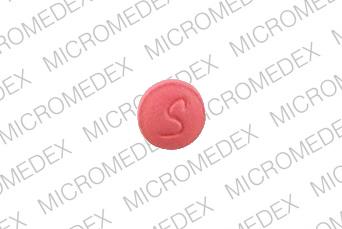
Seasonale
Generic name: ethinyl estradiol and levonorgestrel (extended-cycle) [ ETH-in-ill-ess-tra-DYE-ol-and-lee-voe-nor-JESS-trel ]
Drug class: Contraceptives
What is Seasonale?
Seasonale is a combination tablet medicine that contains ethinyl estradiol and levonorgestrel. Ethinyl estradiol and levonorgestrel are female hormones that prevent ovulation (the release of an egg from an ovary). This medication also causes changes in your cervical mucus and uterine lining, making it harder for sperm to reach the uterus and harder for a fertilized egg to attach to the uterus.
Seasonale is used as contraception to prevent pregnancy.
Seasonale may also be used for purposes not listed in this medication guide.
Warnings
Do not use Seasonale if you are pregnant or if you have recently had a baby.
You should not take Seasonale if you have any of the following conditions: uncontrolled high blood pressure, heart disease, a blood-clotting disorder, circulation problems, diabetic problems with your eyes or kidneys, unusual vaginal bleeding, liver disease or liver cancer, severe migraine headaches, if you smoke and are over 35, or if you have ever had breast or uterine cancer, jaundice caused by birth control pills, a heart attack, a stroke, or a blood clot.
Taking Seasonale can increase your risk of blood clots, stroke, or heart attack, especially if you have certain other conditions, or if you are overweight.
Smoking can greatly increase your risk of blood clots, stroke, or heart attack. You should not take Seasonale if you smoke and are over 35 years old.
Missing a pill increases your risk of becoming pregnant. Carefully follow the "missed dose" instructions if you forget to take your Seasonale tablets.
Some drugs can make Seasonale less effective in preventing pregnancy, including antibiotics, hepatitis C medications, HIV/AIDS medications, seizure medications, or barbiturate sedatives. Tell your doctor about all other medications you use.
Before taking this medicine
Taking Seasonale can increase your risk of blood clots, stroke, or heart attack. You are even more at risk if you have high blood pressure, diabetes, high cholesterol, or if you are overweight. Your risk of stroke or blood clot is highest during your first year of taking Seasonale. Your risk is also high when you restart taking Seasonale after not taking it for 4 weeks or longer.
Smoking can greatly increase your risk of blood clots, stroke, or heart attack. Your risk increases the older you are and the more you smoke. You should not take Seasonale if you smoke and are over 35 years old.
Do not use if you are pregnant. Stop using this medicine and tell your doctor right away if you become pregnant, or if you miss two menstrual periods in a row. If you have recently had a baby, wait at least 4 weeks before taking birth control pills.
You should not take Seasonale if you have:
-
untreated or uncontrolled high blood pressure;
-
heart disease (coronary artery disease, uncontrolled heart valve disorder, history of heart attack, stroke, or blood clot);
-
a blood-clotting disorder or circulation problems;
-
problems with your eyes, kidneys or circulation caused by diabetes;
-
a history of hormone-related cancer such as breast or uterine cancer;
-
unusual vaginal bleeding that has not been checked by a doctor;
-
liver disease or liver cancer;
-
severe migraine headaches (with aura, numbness, weakness, or vision changes), especially if you are older than 35;
-
a history of jaundice caused by pregnancy or birth control pills; or
-
if you smoke and are over 35 years old.
To make sure Seasonale are safe for you, tell your doctor if you have ever had:
-
heart disease, high blood pressure, or if you are prone to having blood clots;
-
high cholesterol or triglycerides, or if you are overweight;
-
depression;
-
diabetes, underactive thyroid, gallbladder disease;
-
a seizure or migraine headache;
-
irregular menstrual cycles; or
-
fibrocystic breast disease, lumps, nodules, or an abnormal mammogram.
The hormones in Seasonale can pass into breast milk and may harm a nursing baby. This medication may also slow breast milk production. Do not use Seasonale if you are breast feeding a baby.
How should I take Seasonale?
Take Seasonale exactly as prescribed by your doctor. Follow all directions on your prescription label. Do not take this medicine in larger or smaller amounts or for longer than recommended.
You will take your first pill on the first day of your period or on the first Sunday after your period begins. You may need to use back-up birth control, such as condoms or a spermicide, when you first start using Seasonale. Follow your doctor's instructions.
Take one pill every day, no more than 24 hours apart. When the pills run out, start a new pack the following day. You may get pregnant if you do not take one pill daily. Get your prescription refilled before you run out of pills completely.
You will not have a menstrual period every month while you are taking an extended-cycle birth control pill. Instead, your period should occur every 12 weeks.
The 91-day birth control pack contains three trays with cards that hold 84 "active" pills and seven "reminder" pills. You must use the pills in a certain order to keep you on a regular cycle. Trays 1 and 2 each hold 28 pills. Tray 3 holds 35 pills, including the 7 reminder pills. Your period should begin while you are using these reminder pills.
You may have breakthrough bleeding, especially during the first 3 months. Tell your doctor if this bleeding continues or is very heavy.
Use a back-up birth control if you are sick with severe vomiting or diarrhea.
If you need surgery or medical tests or if you will be on bed rest, you may need to stop using Seasonale for a short time. Any doctor or surgeon who treats you should know that you are using Seasonale.
While taking Seasonale, you will need to visit your doctor regularly.
Store this medication at room temperature away from moisture and heat.
What happens if I miss a dose?
Missing a pill increases your risk of becoming pregnant.
If you miss one "active" pill, take two pills on the day that you remember. Then take one pill per day for the rest of the pack.
If you miss two "active" pills in a row, take two pills per day for two days in a row. Then take one pill per day for the rest of the pack. Use back-up birth control for at least 7 days following the missed pills.
If you miss three "active" pills in a row, do not take the missed pills. Continue taking 1 pill per day on schedule according to the pill package and leave the missed pills in the package. You may have some bleeding or spotting if you miss three pills in a row. Use back-up birth control for at least the next 7 days.
If you miss any reminder pills, throw them away and keep taking one pill per day until the pack is empty. You do not need back-up birth control if you miss a reminder pill. If your period does not start while you are taking the reminder pills, call your doctor because you might be pregnant.
What happens if I overdose?
Seek emergency medical attention or call the Poison Help line at 1-800-222-1222. Overdose symptoms may include nausea, vomiting, and vaginal bleeding.
What to avoid
Do not smoke while taking Seasonale, especially if you are older than 35 years of age.
Seasonale will not protect you from sexually transmitted diseases - including HIV and AIDS. Using a condom is the only way to protect yourself from these diseases.
Seasonale side effects
Get emergency medical help if you have signs of an allergic reaction to Seasonale: hives; difficulty breathing; swelling of your face, lips, tongue, or throat.
Stop using Seasonale and call your doctor at once if you have:
-
sudden numbness or weakness (especially on one side of the body), sudden severe headache, slurred speech, problems with vision or balance;
-
sudden cough, wheezing, rapid breathing, coughing up blood;
-
pain, swelling, warmth, or redness in one or both legs;
-
chest pain or heavy feeling, pain spreading to the jaw or shoulder, nausea, sweating, general ill feeling;
-
a change in the pattern or severity of migraine headaches;
-
nausea, upper stomach pain, itching, tired feeling, loss of appetite, dark urine, clay-colored stools, jaundice (yellowing of the skin or eyes);
-
swelling in your hands, ankles, or feet;
-
a breast lump; or
-
symptoms of depression (sleep problems, weakness, tired feeling, mood changes).
Common Seasonale side effects may include:
-
mild nausea (especially when you first start taking this medicine), vomiting, bloating, stomach cramps;
-
breast tenderness or swelling, nipple discharge;
-
freckles or darkening of facial skin, increased hair growth, loss of scalp hair;
-
changes in weight or appetite;
-
problems with contact lenses;
-
vaginal itching or discharge; or
-
changes in your menstrual periods, decreased sex drive.
This is not a complete list of side effects and others may occur. Call your doctor for medical advice about side effects. You may report side effects to FDA at 1-800-FDA-1088.
What other drugs will affect Seasonale?
Some drugs can make Seasonale less effective, which may result in pregnancy. Other drugs may interact with ethinyl estradiol and levonorgestrel, including prescription and over-the-counter medicines, vitamins, and herbal products. Tell each of your health care providers about all medicines you use now and any medicine you start or stop using.
More about Seasonale (ethinyl estradiol / levonorgestrel)
- Check interactions
- Compare alternatives
- Reviews (55)
- Drug images
- Side effects
- Dosage information
- During pregnancy
- Generic availability
- Drug class: contraceptives
Patient resources
Other brands
Aviane, Seasonique, Alesse, Jolessa, ... +15 more
Professional resources
Other brands
Aviane, Vienva, Lutera, Seasonique, ... +47 more
Related treatment guides
Further information
Remember, keep this and all other medicines out of the reach of children, never share your medicines with others, and use Seasonale only for the indication prescribed.
Always consult your healthcare provider to ensure the information displayed on this page applies to your personal circumstances.
Copyright 1996-2024 Cerner Multum, Inc. Version: 11.01.