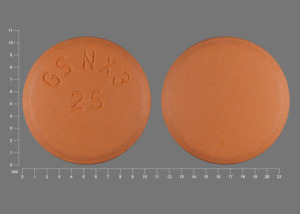
Promacta
Generic name: eltrombopag [ el-TROM-boe-pag ]
Drug class: Platelet-stimulating agents
What is Promacta?
Promacta is a man-made form of a protein that stimulates cells in the bone marrow to produce more platelets (blood-clotting cells). Eltrombopag belongs to a class of medications called thrombopoietin receptor agonists.
Promacta is used to increase the number of platelets (cells that help the blood clot) to decrease the risk of bleeding in adults and children one year of age and older who have chronic immune thrombocytopenia (ITP; an ongoing condition that may cause unusual bruising or bleeding due to an abnormally low number of platelets in the blood) and who have not been helped or cannot be treated with other treatments, including medications or surgery to remove the spleen.
Promacta is also used to increase the number of platelets in people who have hepatitis C (a viral infection that may damage the liver) so that they can begin and continue treatment with interferon (Peginterferon, Pegintron, others) and ribavirin (Rebetol).
Promacta is also used in combination with other medications to treat aplastic anemia (condition in which the body does not make enough new blood cells) in adults and children 2 years of age and older.
Promacta is also used to treat aplastic anemia in adults who have not been helped with other medications. Promacta is used to increase the number of platelets enough to decrease the risk of bleeding in people with ITP or aplastic anemia, or to allow treatment with interferon and ribavirin in people with hepatitis C. However it is not used to increase the number of platelets to a normal level.
Promacta should not be used to treat people who have low numbers of platelets due to conditions other than ITP, hepatitis C, or aplastic anemia.
Promacta is not for use in treating myelodysplastic syndrome (also called "preleukemia").
Warnings
Before you take Promacta tell your doctor if you have kidney disease, blood cancer, a bone marrow disorder, high platelet levels, liver problems (if you are not being treated for hepatitis C), a history of cataracts or blood clot, if your spleen has been removed, or if you are of East Asian descent. Also tell your doctor about all other medications you use.
Take Promacta on an empty stomach, at least 1 hour before or 2 hours after a meal. Do not take this medication with milk. Avoid all dairy products or products that contain calcium (including fortified fruit juice) for at least 4 hours before or after you take Promacta.
If you have chronic hepatitis C, taking Promacta with ribavirin and interferon treatment can increase your risk of liver problems. Call your doctor at once if you have signs of liver problems: nausea, upper stomach pain, confusion, tired feeling, loss of appetite, dark urine, clay-colored stools, jaundice (yellowing of the skin or eyes).
After you stop taking this medicine, your risk of bleeding may be even higher than it was before you started treatment. Be extra careful to avoid cuts or injury for at least 4 weeks after you stop taking this medicine. Your blood will need to be tested weekly during this time.
Call your doctor at once if you have signs of liver problems: nausea, upper stomach pain, confusion, tired feeling, loss of appetite, dark urine, clay-colored stools, jaundice (yellowing of the skin or eyes).
Before taking this medicine
To make sure Promacta is safe for you, tell your doctor if you have ever had:
-
a blood clot;
-
blood cancer;
-
bleeding problems;
-
cataracts;
-
surgery to remove your spleen;
-
if you are of East or Southeast Asian descent; or
-
liver disease (unless you are being treated for hepatitis C).
May harm an unborn baby. Do not use if you are pregnant. Use effective birth control while using Promacta and for at least 7 days after your last dose. Tell your doctor if you become pregnant.
You should not breastfeed while using this medicine.
How should I take Promacta?
Take Promacta exactly as prescribed by your doctor. Follow all directions on your prescription label and read all medication guides or instruction sheets. Your doctor may occasionally change your dose.
You may take Promacta in any of the following ways:
-
on an empty stomach, at least 1 hour before or 2 hours after eating;
-
with a meal containing fewer than 50 milligrams of calcium; or
-
at least 2 hours before or 4 hours after eating foods high in calcium (dairy products, calcium-fortified juices, certain fruits and vegetables).
Swallow the tablet whole and do not crush, chew, break it or mix with food or liquid.
Mix the oral suspension powder only with cool or cold water. Use a new dosing syringe each time you mix the medicine to measure the water and to give the correct dose.
You may need frequent medical tests to check your bone marrow cells or liver function. Your eyes may also need to be checked for signs of cataracts.
Promacta is usually taken for 6 months. It may take up to 4 weeks before the medicine prevents major bleeding episodes.
Keep taking Promacta as directed. Tell your doctor if you have any bruising or bleeding that happens while you take and after you stop taking Promacta.
If you take Promacta with medication to treat chronic hepatitis C, tell your doctor if you stop using any of your hepatitis medications.
Store at room temperature away from moisture and heat. Keep the tablets in their original container. After mixing Promacta oral suspension, use it right away, if it is not used within 30 minutes throw it away in the trash only.
After you stop taking Promacta, your risk of bleeding or bruising may be even higher than it was before you started treatment. Your blood will need to be tested weekly during this time.
Eltrombopag doses are based on weight in children younger than 6 years old. Your child's dose needs may change if the child gains or loses weight.
Dosing Information
Usual Adult Dose for Aplastic Anemia:
FIRST-LINE SEVERE APLASTIC ANEMIA:
Initial dose: 150 mg orally once a day
Patients of Asian Ancestry (such as Chinese, Japanese, Taiwanese, Korean, or Thai):
Initial dose: 75 mg orally once a day
Duration of therapy: 6 months.
REFRACTORY SEVERE APLASTIC ANEMIA:
Initial dose: 50 mg orally once a day; may adjust dose in 50 mg increments every 2 weeks as needed to achieve a platelet count between 50 and 200 x 10(9)/L.
Patients of Asian Ancestry:
Initial dose: 25 mg orally once a day; may adjust dose in 50 mg increments every 2 weeks as needed to achieve a platelet count between 50 and 200 x 10(9)/L.
Maintenance dose: The lowest dose needed to achieve and maintain a platelet count between 50 and 200 x 10(9)/L.
Maximum dose: 150 mg orally once a day
Duration of therapy: If no hematologic response has occurred after 16 weeks of therapy with this drug, discontinue therapy.
Usual Adult Dose for Idiopathic (Immune) Thrombocytopenic Purpura:
Initial dose: 50 mg orally once a day
Patients of East Asian ancestry (such as Chinese, Japanese, Taiwanese, or Korean):
Initial dose: 25 mg orally once a day
Maintenance dose: The lowest dose to achieve and maintain a platelet count between 50 to 200 x 10(9)/L as necessary to reduce the risk of bleeding.
Maximum dose: 75 mg orally once a day
Duration: Treatment should be discontinued if the platelet count does not increase to a level sufficient to avoid clinically important bleeding after 4 weeks of therapy at the maximum daily dose.
Usual Adult Dose for Thrombocytopenia:
Initial dose: 25 mg orally once a day
Maintenance dose: The lowest dose to achieve and maintain a platelet count necessary to initiate and maintain antiviral therapy with pegylated interferon and ribavirin.
Maximum dose: 100 mg orally once a day
Duration: Treatment should be discontinued when concomitant antiviral therapy is discontinued.
Usual Pediatric Dose for Idiopathic (Immune) Thrombocytopenic Purpura:
1 TO 5 YEARS:
Initial dose: 25 mg orally once a day
6 YEARS OR OLDER:
Initial dose: 50 mg orally once a day
Patients of East Asian ancestry (such as Chinese, Japanese, Taiwanese, or Korean):
Initial dose: 25 mg orally once a day
Maintenance dose: The lowest dose to achieve and maintain a platelet count between 50 to 200 x 10(9)/L as necessary to reduce the risk of bleeding.
Maximum dose: 75 mg orally once a day
Duration: Treatment should be discontinued if the platelet count does not increase to a level sufficient to avoid clinically important bleeding after 4 weeks of therapy at the maximum daily dose.
Usual Pediatric Dose for Aplastic Anemia:
FIRST-LINE SEVERE APLASTIC ANEMIA:
Initial dose:
2 to 5 years: 2.5 mg/kg orally once a day
6 to 11 years: 75 mg orally once a day
12 years or older: 150 mg orally once a day
Patients of Asian ancestry (such as Chinese, Japanese, Taiwanese, Korean, or Thai):
Initial dose:
2 to 5 years: 1.25 mg/kg orally once a day
6 to 11 years: 37.5 mg orally once a day
12 years or older: 75 mg orally once a day
Duration of therapy: 6 months.
What happens if I miss a dose?
Skip the missed dose and take your next dose at the regular time. Do not take two doses in one day.
What happens if I overdose?
Seek emergency medical attention or call the Poison Help line at 1-800-222-1222.
Taking too much eltrombopag may cause a life-threatening blood clot.
What should I avoid while taking Promacta?
Ask your doctor before using an antacid, and use only the type your doctor recommends. Some antacids can make it harder for your body to absorb eltrombopag and should not be taken at the same time.
Avoid activities that may increase your risk of bleeding or injury for at least 4 weeks after you stop taking Promacta. Use extra care while shaving or brushing your teeth.
Promacta side effects
Get emergency medical help if you have signs of an allergic reaction to Promacta: hives; difficult breathing; swelling of your face, lips, tongue, or throat.
You could develop a blood clot if your platelet count gets too high while you are using Promacta. Call your doctor or get emergency medical help if you have:
-
signs of a stroke - sudden numbness or weakness, severe headache, slurred speech, problems with vision or balance;
-
signs of a blood clot in the lung - chest pain, sudden cough or shortness of breath, dizziness, coughing up blood;
-
signs of a blood clot deep in the body - pain, swelling, or warmth in one leg; or
-
signs of a blood clot in the stomach - severe stomach pain, vomiting, diarrhea.
Promacta may cause serious side effects. Call your doctor at once if you have:
-
any bruising or bleeding episodes during or after treatment with Promacta;
-
vision changes, tunnel vision, eye pain, or seeing halos around lights;
-
pain or burning when you urinate;
-
low red blood cells (anemia) - pale skin, tiredness, feeling light-headed or short of breath, cold hands and feet; or
-
liver problems - confusion, tiredness, right-sided upper stomach pain, swelling around your midsection, dark urine, jaundice (yellowing of the skin or eyes).
Common Promacta side effects may include:
-
nausea, diarrhea;
-
cough;
-
headache, tiredness;
-
anemia; or
-
abnormal bone marrow or liver function tests.
This is not a complete list of side effects and others may occur. Call your doctor for medical advice about side effects. You may report side effects to FDA at 1-800-FDA-1088.
Related/similar drugs
What other drugs will affect Promacta?
Some medicines can make Promacta much less effective when taken at the same time. If you take any of the following medicines, take your Promacta dose 2 hours before or 4 hours after you take the other medicine:
-
antacids that contain calcium, magnesium, or aluminum; or
-
vitamin or mineral supplements that contain aluminum, calcium, iron, magnesium, selenium, or zinc.
Tell your doctor about all your other medicines, especially:
-
medicine used to prevent blood clots - alteplase, clopidogrel, dipyridamole, warfarin, enoxaparin, apixaban, ticlopidine, and others; or
-
cholesterol lowering medicine - atorvastatin, ezetimibe, fluvastatin, pitavastatin, pravastatin, rosuvastatin, or simvastatin.
This list is not complete. Other drugs may interact with eltrombopag, including prescription and over-the-counter medicines, vitamins, and herbal products. Not all possible drug interactions are listed here.
Ingredients
Active ingredient: eltrombopag olamine
Inactive ingredients: Tablet Core: magnesium stearate, mannitol, microcrystalline cellulose, povidone, and sodium starch glycolate.
Coating: FD& C Blue No. 2 aluminum lake (50-mg tablet), FD& C Yellow No. 6 aluminum lake (25-mg tablet), hypromellose, Iron Oxide Black and Iron Oxide Red (75-mg tablet), polyethylene glycol 400, polysorbate 80 (12.5-mg tablet), or titanium dioxide.
Manuacturer
Distributed by: Novartis Pharmaceuticals Corporation, East Hanover, New Jersey 07936.
Popular FAQ
Is Promacta a steroid?
Promacta is not a steroid it is a platelet booster that works like TPO (thrombopoietin) and tells the body to make more platelets.
Can Promacta cause cancer?
Promacta does not cause cancer, but it can worsen a precancerous blood condition called myelodysplastic syndrome (MDS) and cause it to develop into acute myelogenous leukemia (AML), a type of blood cancer. For this reason, people with MDS or with any type of pre-existing blood cancer should not take Promacta. But there is no evidence of an increased risk of cancer when Promacta is used by people without MDS or a blood cancer.
How long does it take for Promacta to work?
Following treatment with Promacta (Revolade, eltrombopag olamine) a maximum response (increase in platelet counts) was reached at approximately two weeks, according to the results of clinical trials.
Promacta is a thrombopoietin receptor agonist that is used to increase low blood platelet counts (thrombocytopenia) in certain people with chronic immune thrombocytopenia (ITP) and severe aplastic anemia. Continue reading
Can Promacta tablets be cut in half?
Promacta film-coated tablets should be swallowed whole according to the prescribing information. They should not be split, chewed or crushed and mixed with foods or liquids. Continue reading
Does Medicare cover Promacta?
Yes, Promacta (eltrombopag olamine) is covered by Medicare. There is low to no co-pay for Promacta for Medicare patients. Continue reading
References
More about Promacta (eltrombopag)
- Check interactions
- Compare alternatives
- Pricing & coupons
- Reviews (18)
- Drug images
- Side effects
- Dosage information
- Patient tips
- During pregnancy
- Generic availability
- FDA approval history
- Drug class: platelet-stimulating agents
- Breastfeeding
- En español
Patient resources
Other brands
Professional resources
Other brands
Related treatment guides
Further information
Remember, keep this and all other medicines out of the reach of children, never share your medicines with others, and use Promacta only for the indication prescribed.
Always consult your healthcare provider to ensure the information displayed on this page applies to your personal circumstances.
Copyright 1996-2025 Cerner Multum, Inc. Version: 14.01.