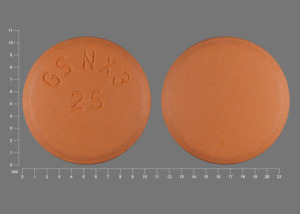
Promacta Side Effects
Generic name: eltrombopag
Medically reviewed by Drugs.com. Last updated on Jan 21, 2024.
Note: This document contains side effect information about eltrombopag. Some dosage forms listed on this page may not apply to the brand name Promacta.
Applies to eltrombopag: oral powder for suspension, oral tablet.
Warning
Oral route (Powder for Suspension; Tablet)
Risk For Hepatic Decompensation In Patients With Chronic Hepatitis CRisk of HepatotoxicityIn patients with chronic hepatitis C, eltrombopag in combination with interferon and ribavirin may increase the risk of hepatic decompensation. Eltrombopag may increase the risk of severe and potentially life-threatening hepatotoxicity. Monitor hepatic function and discontinue dosing as recommended.
Serious side effects of Promacta
Along with its needed effects, eltrombopag (the active ingredient contained in Promacta) may cause some unwanted effects. Although not all of these side effects may occur, if they do occur they may need medical attention.
Check with your doctor immediately if any of the following side effects occur while taking eltrombopag:
More common
- Bloating or swelling of the face, arms, hands, lower legs, or feet
- body aches or pain
- chills
- cough
- difficulty with breathing
- fever
- headache
- loss of voice
- pain in the chest, groin, or legs, especially the calves
- pale skin
- rapid weight gain
- runny nose
- severe, sudden headache
- slurred speech
- sore throat
- sudden loss of coordination
- sudden, severe weakness or numbness in the arm or leg
- tingling of the hands or feet
- troubled breathing with exertion
- unusual tiredness or weakness
- unusual weight gain or loss
- yellow eyes or skin
Less common
- Bladder pain
- blindness
- blurred or decreased vision
- bruising
- burning, crawling, itching, numbness, prickling, "pins and needles", or tingling feelings
- diarrhea
- general feeling of discomfort or illness
- hoarseness
- joint pain
- lower back or side pain
- muscle aches and pains
- nausea
- pinpoint red spots on the skin
- redness of the eye
- shivering
- sweating
- tender, swollen glands in the neck
- trouble sleeping
- trouble swallowing
- voice changes
- vomiting
Other side effects of Promacta
Some side effects of eltrombopag may occur that usually do not need medical attention. These side effects may go away during treatment as your body adjusts to the medicine. Also, your health care professional may be able to tell you about ways to prevent or reduce some of these side effects.
Check with your health care professional if any of the following side effects continue or are bothersome or if you have any questions about them:
More common
- Decreased appetite
- difficulty with moving
- hair loss or thinning of the hair
- itching skin
- lack or loss of strength
- muscle cramps or stiffness
- swollen joints
Less common
- Back pain
- belching
- bone pain
- darkening of the skin
- dry mouth
- heartburn
- indigestion
- rash
- stomach discomfort, upset, or pain
For Healthcare Professionals
Applies to eltrombopag: oral powder for reconstitution, oral tablet.
General
The most common side effects reported in ITP patients have included nausea, diarrhea, upper respiratory tract infection, vomiting, increased ALT, myalgia, urinary tract infection, oropharyngeal pain, increased AST, pharyngitis, back pain, influenza, paresthesia, and rash.
The most common side effects reported in thrombocytopenic patients with chronic hepatitis C have included anemia, pyrexia, fatigue, headache, nausea, diarrhea, decreased appetite, influenza-like illness, asthenia, insomnia, cough, pruritus, chills, myalgia, alopecia, and peripheral edema.[Ref]
Cardiovascular
Common (1% to 10%): Deep vein thrombosis, edema, palpitations, prolonged QT interval on ECG, thrombotic/thromboembolic events
Uncommon (0.1% to 1%): Acute myocardial infarction, cardiovascular disorder, chest pain, cyanosis, embolism, flushing, hematoma, hot flush, hypertension, sinus tachycardia, superficial thrombophlebitis, tachycardia[Ref]
Hepatic
In clinical trials, hepatic decompensation (ascites, hepatic encephalopathy, variceal hemorrhage, spontaneous bacterial peritonitis) was reported more commonly in chronic HCV patients with cirrhosis treated with eltrombopag (the active ingredient contained in Promacta) compared to placebo.[Ref]
Very common (10% or more): Total bilirubin greater than or equal to 1.5 times the upper limit of normal (ULN) (76%), ALT or AST greater than 3 x ULN with total bilirubin greater than 1.5 x ULN (44%), ALT or AST greater than 3 x ULN with total bilirubin greater than 2 x ULN (33%), ALT increased (32%), ALT common terminology criteria for adverse events (CTCAE) grade 3 increase (26%), AST increased (20%), blood bilirubin increased (20%), AST CTCAE grade 3 increase (15%), bilirubin CTCAE grade 3 increase (12%)
Common (1% to 10%): Abnormal hepatic function, ascites, hepatic failure, hyperbilirubinemia, increased blood alkaline phosphatase, jaundice, portal vein thrombosis, drug-induced liver injury, CTCAE grade 4 increase, AST CTCAE grade 4 increase, bilirubin CTCAE grade 4 increase
Uncommon (0.1% to 1%): Cholestasis, hepatic lesion, hepatitis[Ref]
Hematologic
In clinical studies, hemorrhage was the most common serious adverse reaction and most hemorrhagic reactions followed discontinuation of eltrombopag (the active ingredient contained in Promacta) [Ref]
Very common (10% or more): Anemia
Common (1% to 10%): Decreased hemoglobin, decreased neutrophil count, decreased white blood cell count, hemolytic anemia, increased INR, lymphopenia, prolonged activated partial thromboplastin time
Uncommon (0.1% to 1%): Anisocytosis, eosinophilia, increased hemoglobin, increased band neutrophil count, increased platelet cell counts, leukocytosis, myelocytosis, presence of myelocytes, thrombocytopenia
Frequency not reported: Thrombotic microangiopathy[Ref]
Gastrointestinal
Very common (10% or more): Diarrhea, nausea
Common (1% to 10%): Abdominal discomfort, abdominal distension, abdominal pain, aphthous stomatitis, constipation, dry mouth, dyspepsia, dysgeusia, esophageal varices hemorrhage, esophageal varices, gastritis, gastroenteritis,stomatitis, gastroesophageal reflux disease, hemorrhoids, toothache, upper abdominal pain, vomiting
Uncommon (0.1% to 1%): Abdominal tenderness, discolored feces, flatulence, food poisoning, frequent bowel movements, gingival bleeding, glossodynia, hematemesis, hemorrhoids, mouth hemorrhage, oral discomfort[Ref]
Dermatologic
Very common (10% or more): Pruritus, rash, alopecia
Common (1% to 10%): Dry skin, eczema, erythema, generalized pruritus, hyperhidrosis, night sweats, pruritic rash, skin lesion, skin discoloration including hyperpigmentation
Uncommon (0.1% to 1%): Cold sweat, contusion, dermatosis, ecchymosis, inflammation of wound, melanosis, petechia, pigmentation disorder, skin exfoliation, swelling face, sunburn, urticaria[Ref]
Genitourinary
Common (1% to 10%): Urinary tract infection
Uncommon (0.1% to 1%): Dysuria, leukocyturia, nocturia, proteinuria[Ref]
Hypersensitivity
Uncommon (0.1% to 1%): Hypersensitivity[Ref]
Immunologic
Very common (10% or more): Influenza-like illness
Common (1% to 10%): Influenza, oral herpes[Ref]
Metabolic
Very common (10% or more): Decreased appetite
Common (1% to 10%): Abnormal loss of weight, decreased blood albumin, hyperglycemia, increased blood glucose
Uncommon (0.1% to 10%): Gout, hypocalcemia, hypokalemia, increased appetite, increased blood albumin, increased blood uric acid, increased total protein, increased weight[Ref]
Musculoskeletal
Very common (10% or more): Pain in extremity, myalgia, muscle spasm, arthralgia
Common (1% to 10%): Back pain, bone pain, musculoskeletal pain
Uncommon (0.1% to 1%): Muscular weakness, sensation of heaviness[Ref]
Nervous system
Very common (10% or more): Headache, dizziness
Common (1% to 10%): Hepatic encephalopathy, lethargy, memory impairment, paresthesia
Uncommon (0.1% to 1%): Balance disorder, cerebral infarction, dysesthesia, hemiparesis, hypoesthesia, migraine, migraine with aura, peripheral neuropathy, peripheral sensory neuropathy, somnolence, speech disorder, toxic neuropathy, tremor, vascular headache[Ref]
Ocular
Very common (10% or more): Cataract developed or worsened (up to 11%)
Common (1% to 10%): Dry eye, ocular icterus, retinal exudates, retinal hemorrhage
Uncommon (0.1% to 1%): Abnormal visual acuity tests, astigmatism, blepharitis, blurred vision, conjunctival hemorrhage, cortical cataract, eye pain, increased lacrimation, keratoconjunctivitis sicca, lenticular opacities, retinal hemorrhage, retinal pigment epitheliopathy, reduced visual acuity, visual impairment,[Ref]
Oncologic
Common (1% to 10%): Malignant hepatic neoplasm
Uncommon (0.1% to 1%): Rectosigmoid cancer[Ref]
Psychiatric
Very common (10% or more): Insomnia
Common (1% to 10%): Agitation, anxiety, confusional state, depression, disturbance in attention, sleep disorder
Uncommon (0.1% to 1%): Altered mood, apathy, tearfulness[Ref]
Renal
Uncommon (0.1% to 1%): Increased blood creatinine, increased blood urea, increased urine pH, increased urine protein/creatinine ratio, lupus nephritis, renal failure[Ref]
Respiratory
Very common (10% or more): Cough (up to 23%), upper respiratory tract infection (up to 17%), nasopharyngitis (up to 12%), rhinorrhea (up to 12%)
Common (1% to 10%): Bronchitis, dyspnea, exertional dyspnea, oropharyngeal pain, pharyngitis, productive cough, pulmonary embolism, upper respiratory tract infection, rhinitis, oropharyngeal pain
Uncommon (0.1% to 1%): Epistaxis, nasal discomfort, oropharyngeal blistering, pneumonia, pulmonary infarction, sinusitis, sinus disorder, sleep apnea syndrome, tonsillitis[Ref]
Other
Very common (10% or more): Asthenia, chills, fatigue, pyrexia, peripheral edema, clonal cytogenetic evolution, new cytogenetic abnormality, complex changes in chromosome 7
Common (1% to 10%): Chest discomfort, irritability, malaise, non-cardiac chest pain, pain, loss of chromosome 7, chromosomal aberrations, deletion of chromosome 13
Uncommon (0.1% to 1%): Ear pain, feeling hot, feeling jittery, ill-defined disorder, mucosal inflammation, pyrexia, sensation of foreign body, vertigo, vessel puncture site hemorrhage, features of dysplasia with hypercellularity concerning for potential development of myelodysplastic syndrome[Ref]
Local
Common (1% to 10%): Injection site rash/pruritus, injection site reaction[Ref]
Frequently asked questions
More about Promacta (eltrombopag)
- Check interactions
- Compare alternatives
- Pricing & coupons
- Reviews (17)
- Drug images
- Latest FDA alerts (2)
- Dosage information
- Patient tips
- During pregnancy
- FDA approval history
- Drug class: platelet-stimulating agents
- Breastfeeding
- En español
Patient resources
Other brands
Professional resources
Other brands
Related treatment guides
References
1. Product Information. Promacta (eltrombopag). GlaxoSmithKline. 2008.
Further information
Always consult your healthcare provider to ensure the information displayed on this page applies to your personal circumstances.
Some side effects may not be reported. You may report them to the FDA.