Testosterone (Monograph)
Brand names: Androderm, AndroGel, Axiron, Delatestryl, Depo-testosterone,
... show all 11 brands
Drug class: Androgens
VA class: HS100
CAS number: 58-22-0
Warning
Risk Evaluation and Mitigation Strategy (REMS):
FDA approved a REMS for testosterone to ensure that the benefits outweigh the risks. The REMS may apply to one or more preparations of testosterone and consists of the following: medication guide or elements to assure safe use and implementation system. See https://www.accessdata.fda.gov/scripts/cder/rems/.
Warning
- Virilization in Children and Women from Secondary Exposure to Testosterone
-
Risk of virilization in children and women following secondary exposure to testosterone in topically administered testosterone gel or solution. Advise children and women to avoid contact with application sites of men using testosterone topical gel or solution. (See Virilization in Children and Women from Secondary Exposure to Testosterone under Cautions.)
-
Advise patients using testosterone topical gel or solution to strictly adhere to recommended instructions for use. (See Topical Administration under Dosage and Administration.)
- Serious Pulmonary Oil Microembolism Reactions and Anaphylaxis
-
Risk of serious pulmonary oil microembolism reactions and anaphylaxis following IM testosterone undecanoate.
-
Observe patients in a healthcare setting for 30 minutes following each dose of IM testosterone undecanoate.
-
Available only through a restricted distribution program. (See REMS and see Restricted Distribution Program under Dosage and Administration.)
Introduction
Androgenic anabolic steroid hormone; the principal endogenous androgen.
Uses for Testosterone
Male Hypogonadism
Management of congenital or acquired primary hypogonadism such as that resulting from orchiectomy or from testicular failure caused by cryptorchidism, bilateral torsion, orchitis, vanishing testis syndrome, Klinefelter’s syndrome, chemotherapy, or toxic damage from alcohol or heavy metals.
Management of congenital or acquired hypogonadotropic hypogonadism such as that resulting from idiopathic gonadotropin or gonadotropin-releasing hormone (luteinizing hormone-releasing hormone) deficiency or from pituitary-hypothalamic injury caused by tumors, trauma, or radiation. Used in the treatment of hypogonadotropic hypogonadism only in patients uninterested in or unable to achieve fertility.
Considered the androgen of choice for the treatment of androgen deficiency (e.g., hypogonadism) and AIDS wasting in HIV-infected men.
May be used to stimulate puberty when the diagnosis is well established in carefully selected males with delayed puberty (designated an orphan drug by FDA for this use).
Some experts (e.g., American College of Rheumatology) recommend that men who develop low serum testosterone concentrations (<300 ng/mL) while receiving long-term corticosteroid therapy receive testosterone replacement therapy in an attempt to treat hypogonadism and possibly reduce the risk of corticosteroid-induced osteoporosis† [off-label].
Safety and efficacy of testosterone replacement therapy in men with late-onset hypogonadism (i.e., low testosterone concentrations related to aging) not established. Further study needed to elucidate the role of testosterone replacement therapy in treatment of this condition.
Not indicated for the treatment of erectile dysfunction† [off-label] in men with normal testosterone concentrations.
Breast Cancer
Palliative treatment of androgen-responsive, advanced, inoperable, metastatic (skeletal) breast cancer in women who are 1–5 years postmenopausal and in premenopausal women who have benefited from oophorectomy.
Poorly tolerated (see Virilization under Cautions); other hormonal agents (e.g., tamoxifen, anastrozole, letrozole, exemestane) currently are preferred for this use.
Misuse, Abuse, and Dependence
Has been misused and abused by athletes, bodybuilders, weight lifters, and others to enhance athletic performance or physique† [off-label].
Based on review of data, FDA concluded that misuse and abuse of androgens associated with serious adverse cardiovascular, hepatic, endocrine, and mental health effects. Medical and sports experts (e.g., International Olympic Committee) consider such use to be inappropriate and unacceptable because of known adverse effects and potential long-term sequelae and because such use by athletes is contrary to the rules and ethical principles of athletic competition. (See Misuse, Abuse, and Dependence under Cautions.)
Testosterone Dosage and Administration
General
-
Confirm diagnosis of hypogonadism by laboratory testing prior to initiation of therapy.
-
Measure serum testosterone concentrations in the morning on at least 2 separate days. To confirm diagnosis, measurements must be consistently below the normal range. Serum testosterone concentrations may be low later in the day in men with or without hypogonadism; avoid measuring testosterone concentrations later in the day.
Male Hypogonadism
-
Individualize dosage according to the condition being treated; the severity of symptoms; the patient’s age, gender, and history of prior androgenic therapy; and the specific testosterone preparation being used.
-
Monitor every 3–4 months during the first year of testosterone replacement and periodically thereafter for response and tolerance.
Delayed Puberty
-
Prior to initiation of therapy, fully discuss the potential risk of therapy with the patient and his parents.
-
Take into consideration the chronologic and skeletal ages of the patient, both in determining the initial dosage and in adjusting the dosage.
-
Perform radiographic examination of the hand and wrist at 6-month intervals to determine the rate of bone maturation and to assess the effect of therapy on the epiphyseal centers. (See Pediatric Use under Cautions.)
Breast Cancer
-
Administer only under supervision of a qualified clinician experienced in the treatment of breast cancer.
-
May occasionally appear to accelerate progression of the disease; monitor patients closely.
-
Discontinue the drug if hypercalcemia occurs, since this may indicate progression of metastases to the bone.
Administration
Administer testosterone topically, intrabuccally, or intranasally.
Administer testosterone cypionate, testosterone enanthate, and testosterone undecanoate by deep IM injection; not for IV administration.
Administer testosterone pellets subcutaneously as a biodegradable implant.
IM Administration
Administer by deep IM injection into the upper outer quadrant of the gluteus maximus.
Restricted Distribution Program
Distribution of testosterone undecanoate injection (Aveed) is restricted because of the potential for serious pulmonary oil microembolism reactions and anaphylaxis. (See Pulmonary Oil Microembolism Reactions and also Sensitivity Reactions under Cautions.)
Must be obtained through the Aveed Risk Evaluation and Mitigation Strategy (REMS) Program designed to minimize risk of pulmonary oil microembolism reactions and anaphylaxis. Clinicians and institutions must enroll in and comply with all requirements of the Aveed REMS Program. Institutions required to have appropriate equipment for immediate treatment of serious pulmonary oil microembolism and anaphylactic reactions.
For additional information or to enroll in the Aveed REMS program, contact 855-755-0494 or visit www.AveedREMS.com.
Sub-Q Administration
Administer sub-Q as a biodegradable implant into hip or other fatty area.
Topical Administration
Gel
AndroGel: Apply gel topically once daily, preferably in the morning, to clean, dry, intact skin; apply AndroGel 1% only on shoulders and upper arms and/or abdomen, and AndroGel 1.62% only on shoulders and upper arms. Do not apply to other body parts (e.g., genitals, chest, axilla, knees, back).
Testim, Vogelxo: Apply gel topically once daily to clean, dry, intact skin on shoulders and/or upper arms. Do not apply to abdomen or genitals.
Fortesta: Apply gel topically once daily, in the morning, to clean, dry, intact skin on front and inner thighs. Do not apply to other body parts (e.g., genitals).
AndroGel unit-dose packet: Upon opening the packet, squeeze entire contents into the palm of the hand and immediately apply to application site. Alternatively, squeeze a portion of the contents into the palm of the hand and immediately apply to application site; repeat procedure until entire contents of the packet applied.
AndroGel and Vogelxo metered-dose pump: Collect gel in the palm of the hand by pressing the pump firmly and fully; apply to application site. Prime pump by pressing 3 times before using the pump for the first dose; discard gel so that household members or pets avoid exposure (i.e., rinse down sink).
Testim and Vogelxo unit-dose tube or packet: Upon opening the unit-dose tube (Testim, Vogelxo) or packet (Vogelxo), squeeze the entire contents into the palm of the hand and immediately apply to application site.
Fortesta metered-dose pump: Apply gel directly to application site by pressing the pump firmly and fully; avoid thigh area adjacent to scrotum. Use one finger to gently and evenly rub gel into application site. Prime pump by pressing 8 times before using the pump for the first dose; discard gel so that household members or pets avoid exposure (i.e., rinse down sink).
Immediately wash hands with soap and water after application of the gel.
Allow site to dry after application of gel. After gel has dried, cover site with clothing to prevent transfer to another individual.
Manufacturer of AndroGel 1 and 1.62% recommends waiting ≥5 and 2 hours, respectively, and the manufacturers of Fortesta, Testim, and Vogelxo recommend waiting ≥2 hours after application before showering, swimming, or washing application site.
Wash the application site(s) thoroughly with soap and water to remove any testosterone residue prior to situations in which skin-to-skin contact with other individuals is anticipated at the site of testosterone gel application. If unwashed or unclothed skin at the site of testosterone gel application comes in contact with the skin of another individual, wash the general area of contact with soap and water as soon as possible.
Consider the possibility of secondary exposure to testosterone topical gel. (See Virilization in Children and Women from Secondary Exposure to Testosterone under Cautions.)
Solution
Axiron: Apply solution topically once daily to clean, dry, intact skin only on the axilla. Do not apply to other body parts (i.e., genitals, abdomen, shoulders, upper arms). If concomitant deodorant or antiperspirant (stick or roll-on) products are used, apply deodorant or antiperspirant prior to application of Axiron to avoid contamination.
Axiron metered-dose pump: Collect solution into applicator cup and wipe cup steadily up and down the application site. Do not rub solution into the application site with hands or fingers. If solution drips or runs, collect excess solution using the applicator cup. Allow application sites to dry completely prior to another application. Prime pump by pressing 3 times before using the pump for the first dose; discard solution so that household members or pets avoid exposure (i.e., rinse down sink, basin, toilet).
Immediately wash hands with soap and water after application of solution.
Allow application site to dry after administration of solution. After solution has dried, cover site with clothing to prevent transfer to another individual.
Manufacturer of Axiron recommends waiting ≥2 hours after administration before showering, swimming, or washing application site.
Wash application site(s) thoroughly with soap and water to remove any testosterone residue in anticipation of skin-to-skin contact with other individuals at application site. If unwashed or unclothed skin at application site comes in contact with skin of another individual, wash general area of contact with soap and water as soon as possible.
Consider possibility of secondary exposure to testosterone topical solution. (See Virilization in Children and Women from Secondary Exposure to Testosterone under Cautions.)
Transdermal System
Apply the transdermal system to clean, dry area of skin on the back, abdomen, upper arm, or thigh by firmly pressing the system with the adhesive side touching the skin. Do not apply to the scrotum or to oily, damaged, or irritated areas of the skin.
To avoid burn-like blisters, do not apply systems over bony prominences or on a part of the body that may be subject to prolonged pressure during sleep or sitting (e.g., the deltoid region of the upper arm, the greater trochanter of the femur, the ischial tuberosity).
Apply once daily at night (e.g., 10 p.m.). Leave transdermal system in place for 24 hours; after 24 hours, remove system and apply a new system. Apply system immediately after removal from its protective pouch and removal of the protective liner.
If transdermal system becomes loose, smooth down by firmly rubbing a finger around the edges. If system inadvertently comes off before noon following application the previous evening, apply a new system until the next scheduled application that evening. If system inadvertently comes off later in the day, do not replace until the next scheduled application that evening. Do not reapply with tape.
To minimize and/or prevent potential skin irritation, apply each transdermal system at a different site, with ≥1 week between applications to a particular site.
Mild skin irritation may be ameliorated with topical OTC hydrocortisone cream after system removal; alternatively, apply a small amount of triamcinolone acetonide 0.1% cream to the skin under the drug reservoir (do not use ointment formulations because they may reduce testosterone absorption).
Transdermal system does not need to be removed during sexual intercourse or while showering or bathing; however, avoid swimming, showering, or washing the administration site for at least 3 hours following application.
Remove transdermal system before undergoing magnetic resonance imaging (MRI). (See Magnetic Resonance Imaging under Cautions.)
Intrabuccal Administration
Press the extended-release buccal (transmucosal) tablet against the gum above the upper left or right incisor twice daily (morning and evening) about 12 hours apart. These tablets will adhere to the gum and do not dissolve completely; do not chew or swallow. Dislodge and remove the tablet after 12 hours. Alternate application sites above the left and right upper incisors.
Consult manufacturer’s patient information for instructions on proper intrabuccal administration and removal of the tablet.
If the tablet fails to properly adhere to the gum or falls off within the first 8 hours, replace the old tablet with a new one. The new tablet may remain in place until the time of the next regularly scheduled dose (i.e., 12 hours after the original buccal tablet was administered). If the buccal tablet falls off after 8 hours but before 12 hours, replace the original tablet with one that can serve as the second dose for that day.
Intranasal
Administer intranasally 3 times daily. Do not apply to other body parts.
Clear nasal passages prior to administration.
Place right index finger on pump of actuator and slowly insert actuator into left nostril until the finger reaches base of the nose. Apply gel to lateral wall of nostril by slowly pressing the pump; to ensure adequate gel application, wipe tip of actuator along lateral nostril wall upon removal from the nose. Repeat procedure using left index finger for administration to right nostril. Press nostrils just below the nasal bridge to lightly massage application site.
Prime pump by pressing 10 times before using it for the first dose; discard gel so that household members or pets avoid exposure (i.e., rinse down sink).
Wash hands with soap and water after gel application.
Wait 1 hour after application before blowing the nose or sniffing.
Concomitant administration of testosterone nasal gel with other nasally administered drugs, except for topical sympathomimetic nasal decongestants (e.g., oxymetazoline) not studied; concomitant use with such drugs not recommended. (See Specific Drugs under Interactions.)
Dosage
Available as testosterone; dosage expressed in terms of testosterone. Also available as testosterone cypionate, testosterone enanthate, or testosterone undecanoate; dosage expressed in terms of the salts.
AndroGel 1% unit-dose packets contain 2.5 or 5 g of gel (25 or 50 mg of testosterone).
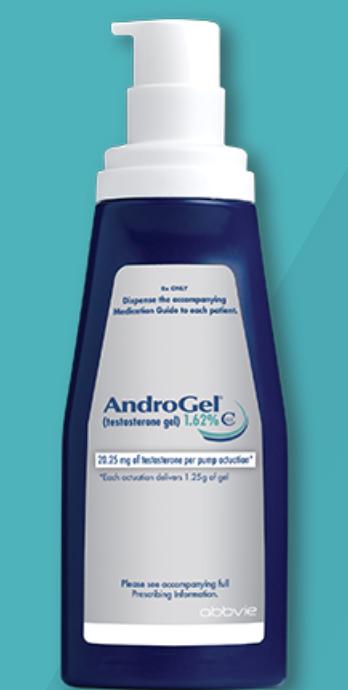
AndroGel 1.62% unit-dose packets contain 1.25 or 2.5 g of gel (20.25 or 40.5 mg of testosterone). Each actuation of the metered-dose pump delivers 1.25 g of gel (20.25 mg of testosterone) after priming.
Androderm 2 mg transdermal system contains 9.7 mg of testosterone for delivery of testosterone 2 mg/24 hours. Androderm 4 mg transdermal system contains 19.5 mg of testosterone for delivery of testosterone 4 mg/24 hours.
Testim unit-dose tubes contain 5 g of gel (50 mg of testosterone).
Vogelxo unit-dose packets or tubes contain 5 g of gel (50 mg of testosterone). Each actuation of the metered-dose pump delivers 1.25 g of gel (12.5 mg of testosterone) after priming.
Fortesta metered-dose pump delivers 0.5 g of gel (10 mg of testosterone) per actuation of the metered-dose pump.
Pediatric Patients
Male Hypogonadism
Delayed Puberty
IMDosage regimens vary. Some clinicians recommend that lower dosages be used initially, followed by gradual increases in dosage as puberty progresses; subsequently, the dosage may be decreased to maintenance levels. Other clinicians state that higher dosages are required initially to induce pubertal changes and lower dosages can then be used for maintenance therapy after puberty.
Usual dosage of testosterone enanthate: 50–200 mg every 2–4 weeks for limited period of time (e.g., 4–6 months).
Usual dosage of testosterone pellets for sub-Q implantation: Generally in the lower end of 150–450 mg and administered for limited period of time (e.g., 4–6 months).
Adults
Male Hypogonadism
IM
Usual dosage: 50–400 mg of testosterone cypionate or testosterone enanthate every 2–4 weeks or 750 mg of testosterone undecanoate every 4 weeks for first 2 doses, then every 10 weeks thereafter.
Some clinicians recommend testosterone cypionate or testosterone enanthate dosage of 50–100 mg every 7–10 days or 100–150 mg every 2 weeks. While dosage of 300 mg every 3 weeks also may be considered for convenience, such dosing is associated with wider testosterone fluctuations and generally is inadequate to ensure a consistent clinical response. Serum total testosterone concentrations generally should exceed lower limit of normal (in the range of 250–300 ng/dL) just before the next dose.
Adult males with prepubertal onset of hypogonadism who are going through puberty for the first time with testosterone replacement: Initially, 50 mg every 3–4 weeks; increase dosage gradually in subsequent months as tolerated up to full replacement within 1 year.
Attainment of full virilization may require up to 3–4 years of IM testosterone replacement.
Sub-Q
150–450 mg for sub-Q implantation every 3–6 months.
Topical (Gel)
AndroGel 1%, Testim, and Vogelxo: Apply 50 mg of testosterone (5 g of 1% gel) once daily, preferably in the morning; this dose delivers about 5 mg of testosterone systemically.
AndroGel 1.62%: Apply 40.5 mg of testosterone (2.5 g of 1.62% gel) once daily in the morning.
Fortesta: Apply 40 mg of testosterone (2 g of gel) once daily in the morning.
Adjust dosage according to serum testosterone concentrations obtained at regular intervals after initiating daily application of AndroGel 1%, approximately 14 days after initiating daily application of Testim or Vogelxo, approximately 14 and 28 days after initiating daily application or dosage adjustment of Androgel 1.62%, and approximately 14 and 35 days after initiating daily application or dosage adjustment of Fortesta.
AndroGel 1%: If serum testosterone concentrations are below the normal range, the dosage can be increased initially to 75 mg of testosterone (7.5 g of 1% gel) and, if necessary, subsequently to 100 mg of testosterone (10 g of 1% gel). If serum testosterone concentrations exceed the normal range, the daily dosage may be decreased. If serum testosterone concentrations consistently exceed the normal range at a daily dosage of 50 mg of testosterone (5 g of 1% gel), discontinue application of the gel.
Testim or Vogelxo: If serum testosterone concentrations are below the normal range, may increase dosage to 100 mg of testosterone (10 g of 1% gel).
Androgel 1.62%: For serum testosterone concentrations >750 ng/dL, decrease dosage to 20.25 mg of testosterone (1.25 g of 1.62% gel). For serum testosterone concentrations <350 ng/dL, increase dosage initially to 60.75 mg of testosterone (3.75 g of 1.62% gel) and, if necessary, subsequently to 81 mg of testosterone (5 g of 1.62% gel).
Fortesta: For serum testosterone concentrations ≥2500 ng/dL, decrease dosage by 20 mg of testosterone (1 g of gel). For serum testosterone concentrations ≥1250, but <2500 ng/dL, decrease testosterone dosage by 10 mg (0.5 g of gel). If a daily testosterone dosage of 10 mg requires further reduction, discontinue gel. For serum testosterone concentrations <500 ng/dL, adjust dosage of testosterone in 10-mg increments (0.5 g of gel).
Topical (Solution)
Apply 60 mg of testosterone (3 mL of solution) once daily.
Adjust dosage according to serum testosterone concentrations obtained after initiating therapy and at least 14 days after initiating daily application or dosage adjustment of testosterone solution. For serum testosterone concentrations >1050 ng/dL, decrease dosage from 60 mg (3 mL of solution) to 30 mg (1.5 mL of solution). If serum testosterone concentrations consistently >1050 ng/dL at a daily dosage of 30 mg, discontinue solution. For serum testosterone concentrations <300 ng/dL, adjust dosage of testosterone in 30-mg increments (1.5 mL of solution).
Topical (Transdermal System)
Usual initial dosage is 1 system delivering 4 mg/24 hours applied to the skin nightly.
Adjust dosage according to morning serum testosterone concentrations approximately 2 weeks following initiation of therapy. Depending on requirements, increase dosage to 6 mg once daily (administered nightly as 1 system delivering 4 mg/24 hours plus 1 system delivering 2 mg/24 hours) or decrease dosage to 2 mg once daily (administered nightly as 1 system delivering 2 mg/24 hours).
Switch patients currently maintained on a dosage of 2.5 mg/24 hours to 1 system delivering 2 mg/24 hours at next scheduled dose. Switch patients currently maintained on a dosage of 5 mg/24 hours to 1 system delivering 4 mg/24 hours at next scheduled dose. Switch patients currently maintained on a dosage of 7.5 mg/24 hours to 1 system delivering 4 mg/24 hours plus 1 system delivering 2 mg/24 hours at next scheduled dose.
Approximately 2 weeks after switching therapy, measure patient's morning serum testosterone concentrations following system application the previous evening to ensure proper dosing.
Intrabuccal
30 mg (1 extended-release transmucosal tablet) twice daily (morning and evening) about 12 hours apart. Serum testosterone concentration may be determined just prior to the morning dose at 4–12 weeks after initiation of intrabuccal therapy; if total serum testosterone concentration is excessive, discontinue intrabuccal therapy and consider alternative treatments.
Intranasal
1 actuation of pump (0.122 g of gel containing 5.5 mg of testosterone) per nostril (total dose: 11 mg) 3 times daily.
Adjust dosage according to serum testosterone concentrations obtained at least 1 month after initiating therapy and periodically thereafter. For serum testosterone concentrations consistently >1050 ng/dL, discontinue use of nasal gel. For serum testosterone concentrations consistently <300 ng/dL, discontinue nasal gel and consider alternative therapy.
If severe rhinitis occurs, temporarily interrupt use of nasal gel until resolution of symptoms. For persistent severe rhinitis, discontinue nasal gel and consider alternative therapy.
Breast Cancer
IM
200–400 mg of testosterone cypionate or testosterone enanthate every 2–4 weeks.
Prescribing Limits
Adults
Male Hypogonadism
Topical
Axiron: Maximum 120 mg of testosterone (6 mL of solution) once daily.
Fortesta: Maximum 70 mg of testosterone (3.5 g of gel) once daily.
Special Populations
No special population dosage recommendations at this time.
Cautions for Testosterone
Contraindications
-
Men with breast cancer or known or suspected prostate cancer.
-
Known hypersensitivity to testosterone, testosterone cypionate, testosterone enanthate, testosterone undecanoate, or any ingredient in the formulation.
-
Some manufacturers state that testosterone is contraindicated in patients with serious cardiac, renal, or hepatic disease.
-
Manufacturer of testosterone enanthate injection (preparation indicated for the treatment of breast cancer) states that androgens are contraindicated in women who are or may become pregnant.
-
Manufacturers of testosterone topical gel, topical solution, nasal gel, transdermal system, and buccal tablets and testosterone undecanoate injection state that testosterone is contraindicated in women who are or may become pregnant, or who are breast-feeding.
-
Manufacturers of testosterone topical gel, topical solution, nasal gel, transdermal system, and buccal tablets and testosterone undecanoate injection state that these preparations not be used in women.
Warnings/Precautions
Warnings
Fetal/Neonatal Morbidity
May cause fetal harm; dose-related virilization of the external genitalia (e.g., clitoral hypertrophy, abnormal vaginal development, fusion of genital folds to form a scrotal-like structure) of female fetus reported, particularly when exposure to androgens occurs during the first trimester.
Virilization in Children and Women from Secondary Exposure to Testosterone
Virilization in children and women can occur following secondary exposure to testosterone in topically administered products (e.g., gel, solution). Enlargement of penis or clitoris, development of pubic hair, increased erections and libido, aggressive behavior, and advanced bone age reported in children 9 months to 5 years of age during postmarketing surveillance of testosterone gel. Direct contact of children with testosterone gel application sites on men's skin reported in most cases. Secondary exposure to testosterone also possible from contact with items (e.g., shirts, bed linens) of men receiving testosterone gel. Signs and symptoms generally resolved with removal of testosterone exposure. In some cases, enlarged genitalia did not fully return to age-appropriate normal size, and bone age remained modestly greater than chronologic age.
Children and women should avoid contact with application sites on the skin of men using topical testosterone preparations. Consider also the possibility of secondary exposure from contact with items (e.g., shirts, bed linens) of men using testosterone gel.
Risk of testosterone transfer in some cases increased by lack of adherence to precautions for appropriate use of topical testosterone preparations. Advise men using topical testosterone preparations to strictly adhere to the recommended instructions for use and appropriate precautions from the manufacturers to minimize the potential for secondary exposure to testosterone in other individuals. (See Administration under Dosage and Administration.)
If unwashed or unclothed skin to which testosterone gel or solution was applied comes in contact with the skin of another individual, wash the general area of contact with soap and water as soon as possible.
Inform clinicians of inappropriate changes in genital size or development of pubic hair or libido in children, or changes in body hair distribution, substantial increases in acne, or other signs of virilization in women. Consider the possibility of secondary exposure to testosterone as the cause of virilization in these patients. Discontinue testosterone topical gel or solution promptly at least until the cause of virilization in such children and women is identified.
Hepatic Effects
Potentially serious and/or life-threatening adverse hepatic effects (e.g., peliosis hepatis, hepatic adenomas, hepatocellular carcinoma, cholestatic hepatitis, jaundice) associated with prolonged use of high dosages of androgens (e.g., testosterone enanthate). Abnormal liver function tests (e.g., ALT, AST, gamma-glutamyltranspeptidase [GGTP], bilirubin) reported with AndroGel 1% during postmarketing surveillance.
If cholestatic jaundice or hepatitis occurs or if liver function test results become abnormal during therapy, discontinue the drug and investigate the etiology of these disorders. Drug-induced jaundice usually is reversible following discontinuance of the drug. Discontinuance of androgen therapy following development of hepatocellular carcinoma does not always result in regression of the tumor.
GU Effects
Priapism or excessive sexual stimulation possible, especially in geriatric men. Oligospermia and decreased ejaculatory volume may also occur in men receiving excessive dosage or prolonged administration of testosterone. If any of these adverse effects occur, discontinue the drug temporarily. If therapy is restarted, use lower dosages.
Possible increased risk for the development of prostatic hyperplasia and prostate cancer, particularly in geriatric patients. Testosterone therapy associated with increases in PSA (0.1–0.5 ng/mL) in men with hypogonadism. Increased serum PSA concentrations observed in 18% of hypogonadal men receiving AndroGel 1% for up to 42 months; most increases occurred within the first year of therapy. Evaluate geriatric patients and other patients with known clinical or demographic risk factors for prostate cancer for the presence of the disease prior to initiation of testosterone replacement therapy. Routinely perform rectal prostate examinations along with assessment of prostate-related symptoms every 6–12 months. Annual determinations of PSA also recommended in older men. Manufacturers of testosterone transdermal system, nasal gel, and topical solution recommend evaluation for prostate cancer prior to therapy initiation, 3–6 months after initiation, and then in accordance with current standards of care. Manufacturers of testosterone topical gel and buccal tablets and testosterone undecanoate injection recommend evaluation for prostate cancer prior to therapy initiation and during therapy.
Gynecomastia frequently develops and occasionally persists. Consider surgery in some patients.
Postmarketing reports with AndroGel 1% include impaired urination, prostatic enlargement, testicular atrophy, oligospermia, priapism, gynecomastia, and mastodynia.
Fluid Retention
Edema, with or without CHF, possible as a result of sodium and water retention and may be a serious complication in patients with preexisting cardiac, renal, and/or hepatic disease. (See Contraindications under Cautions.)
If edema occurs and is considered a serious complication, discontinue the drug and, if necessary, initiate diuretic therapy.
Hypercalcemia
Possible hypercalcemia resulting from osteolysis, especially in immobile patients and in women with metastatic breast cancer. In patients with cancer, hypercalcemia may indicate progression of metastases to the bone. Monitor urine and serum calcium concentrations frequently during the course of androgen therapy in women with metastatic breast cancer.
If hypercalcemia occurs, discontinue the drug and institute appropriate measures to reduce serum calcium concentrations.
Sleep Apnea
May potentiate sleep apnea in some patients, especially those with risk factors such as obesity or chronic lung diseases.
If manifestations of sleep apnea occur or worsen during therapy, perform sleep studies. If sleep apnea is confirmed, decrease the dosage or discontinue the drug.
Some clinicians consider a history of sleep apnea to be a relative contraindication to testosterone therapy.
Misuse, Abuse, and Dependence
Serious adverse effects (e.g., increased aggression, antisocial behavior, manic episode, hostility, depression, changes in libido, increased risk of cardiovascular events, hepatotoxicity, testicular atrophy, sperm abnormalities) associated with misuse and abuse of androgens (see Misuse, Abuse, and Dependence under Uses); testosterone preparations currently subject to control as schedule III (C-III) drugs.
Manifestations of withdrawal (e.g., depressed mood, major depression, fatigue, cravings, restlessness, irritability, anorexia, insomnia, decreased libido, hypogonadotropic hypogonadism) may occur if androgens are discontinued abruptly or dosage is substantially reduced in physically dependent patients or those taking supratherapeutic doses of the drug; withdrawal symptoms may persist for weeks or months.
Evaluate serum testosterone concentrations if misuse or abuse of androgens is suspected (e.g., patients experiencing serious adverse cardiovascular or psychiatric reactions). Serum testosterone concentrations may be below or within the normal range in patients abusing synthetic derivatives of testosterone.
Flammability
Testosterone topical gels and solution contain alcohol and are flammable until dry; keep away from open flame.
Pulmonary Oil Microembolism Reactions
Serious pulmonary oil microembolism reactions reported during or immediately following any IM injection of testosterone undecanoate. Manifestations include cough, urge to cough, dyspnea, hyperhidrosis, throat tightening, chest pain, dizziness, syncope. Serious pulmonary oil microembolism reactions generally last a few minutes and resolve following supportive measures; some reactions may require emergency care and/or hospitalization.
Observe patients for 30 minutes in a healthcare setting following each IM injection of testosterone undecanoate.
Local Effects
Mild to moderate adverse nasal effects (e.g., nasal discomfort, nasal scabbing, rhinorrhea, epistaxis, nasopharyngitis, bronchitis, upper respiratory tract infection, sinusitis) commonly occur following administration of testosterone nasal gel. Long-term effects of testosterone nasal gel unknown.
Gum/mouth irritation, bitter taste, gum pain/tenderness reported in patients receiving testosterone buccal tablets. Gum edema or taste perversion also may occur. Most gum-related adverse effects are transient; gum irritation and tenderness generally resolve in 1–8 and 1–14 days, respectively.
Sensitivity Reactions
Allergic contact dermatitis possible with transdermal systems. Hypersensitivity reactions (e.g., anaphylactoid reactions, skin manifestations) rarely reported with testosterone.
General Precautions
Cardiovascular Effects
Long-term safety studies not conducted to date to determine the cardiovascular effects of testosterone replacement therapy in men. Epidemiologic data and results from randomized, controlled clinical trials inconclusive to date for determining risk of serious adverse cardiovascular events (i.e., nonfatal MI, nonfatal stroke, death) with testosterone use compared with nonuse.
Based on review of data, FDA concluded that testosterone therapy is associated with possible increased risk of serious adverse cardiovascular events. Inform patients of this potential increased cardiovascular risk when deciding whether to use or continue to use therapy.
Unclear whether potential cardiovascular risk is confined to a certain subset of patients; some experts suggest that clinicians use testosterone therapy with caution in patients at high risk for cardiovascular disease (e.g., older men, those with diabetes mellitus or obesity). Additional evidence needed to further elucidate the cardiovascular risk associated with testosterone use.
Cardiovascular events (e.g., MI, stroke) reported during postmarketing experience with testosterone transdermal system. Advise patients to immediately report symptoms suggestive of MI or stroke (e.g., chest pain, shortness of breath, unilateral weakness, difficulty talking) to their clinician.
Venous thromboembolism (i.e., PE, DVT) reported during postmarketing experience with testosterone preparations, including testosterone transdermal system. Evaluate patients reporting symptoms of pain, edema, warmth, erythema in a lower extremity for DVT, or presenting with acute shortness of breath for PE. If venous thromboembolism suspected, discontinue drug and institute appropriate evaluation and management.
Virilization in Women Receiving Testosterone Therapy
Virilization, including deepening of the voice, hirsutism, and clitoral enlargement, occurs commonly in females receiving testosterone therapy; these changes may not be reversible following discontinuance of the drug.
Monitor women receiving testosterone therapy for signs of virilization (e.g., deepening of the voice, hirsutism, clitoromegaly, menstrual irregularities). If virilization occurs, discontinue therapy.
See Virilization in Children and Women from Secondary Exposure to Testosterone under Cautions.
Lipid Abnormalities
Androgens may alter serum cholesterol concentration. Although lipid abnormalities generally do not develop during testosterone replacement therapy because of aromatization of testosterone to estradiol, consider the possibility that such changes could occur and use testosterone with caution in patients with a history of MI or CAD.
Perform a lipid profile at baseline, 6–12 months after initiating therapy, and then annually thereafter; adjust therapy accordingly. Changes in serum lipid profiles may require dosage adjustment or discontinuance of testosterone therapy.
Hematologic Effects
Supraphysiologic concentrations of testosterone can stimulate erythropoiesis and may increase the risk for a thromboembolic event. Increases in hematocrit may require dosage reduction or discontinuance of testosterone. To detect polycythemia, perform periodic hemoglobin and hematocrit determinations in patients receiving long-term therapy. Perform hematocrit determinations 3–6 months after therapy initiation and annually thereafter.
Some clinicians consider hyperviscosity to be a relative contraindication to testosterone therapy.
Transfer of Topically Administered Testosterone to Other Individuals
Possible transfer of testosterone from patients treated with topical gel or solution to their sexual partners or other individuals in close physical contact. (See Pregnancy and also see Virilization in Children and Women from Secondary Exposure to Testosterone under Cautions.)
Androderm transdermal system has an occlusive backing that prevents the partner from coming in contact with testosterone in the system; the system does not need to be removed during sexual intercourse. Transfer of the transdermal system itself from the patient’s body to that of his partner is unlikely.
Magnetic Resonance Imaging
Skin burns may occur at application site of testosterone transdermal system (Androderm) if worn during MRI, since system contains aluminum. Advise patients to remove the transdermal system before undergoing MRI.
Specific Populations
Pregnancy
Category X. (See Fetal/Neonatal Morbidity and also see Contraindications under Cautions.)
Avoid transfer of testosterone from topical preparations of the drug to pregnant women. (See Virilization in Children and Women from Secondary Exposure to Testosterone under Cautions.)
If unwashed or unclothed skin to which testosterone topical gel was applied comes in direct contact with the skin of a pregnant woman, wash the general area of contact with soap and water as soon as possible.
Lactation
Not known whether testosterone is distributed into milk. Potential for serious adverse reactions in nursing infants. Testosterone also may adversely affect lactation.
Manufacturers of testosterone cypionate injection, testosterone enanthate injection, and testosterone pellets recommend discontinuing nursing or the drug taking into account the importance of the drug to the woman. Use of testosterone topical gel, topical solution, nasal gel, transdermal system, and buccal tablets and testosterone undecanoate injection not recommended in nursing women.
Pediatric Use
Safety and efficacy not established for testosterone topical gel, topical solution, nasal gel, buccal tablets and transdermal system and testosterone undecanoate injection in children <18 years of age. Testosterone cypionate injection not recommended in children <12 years of age.
Secondary exposure to testosterone in children can occur with use of testosterone topical gel or solution in other individuals. (See Virilization in Children and Women from Secondary Exposure to Testosterone under Cautions.)
Testosterone enanthate injection may accelerate bone maturation without producing compensatory gain in linear growth, possibly resulting in compromised adult stature. The younger the child, the greater the risk of testosterone compromising final mature stature. Use with extreme caution in children and only under the supervision of a specialist who is aware of the adverse effects of testosterone on bone maturation. Perform radiographic examination of the hand and wrist every 6 months to determine the rate of bone maturation and to assess the effect of treatment on the epiphyseal centers.
Geriatric Use
Possible increased risk of developing prostatic hypertrophy and prostate cancer during androgen therapy. (See GU Effects under Cautions.)
Total amount of testosterone delivered over 24 hours in men 65–79 years of age following application of transdermal testosterone system (Androderm) was approximately 20% less than the average amount delivered in younger patients.
Clinical studies evaluating testosterone enanthate injection, testosterone undecanoate injection, and testosterone topical gel (AndroGel, Fortesta), topical solution, nasal gel, and transdermal system have not included sufficient numbers of adults ≥65 years of age to determine whether geriatric patients respond differently than younger adults.
No substantial differences in safety and efficacy of extended-release buccal testosterone tablets (Striant) in geriatric patients relative to younger adults. Pharmacokinetic differences observed between geriatric and younger adults, but not known whether these differences are clinically important.
Insufficient long-term safety data with testosterone enanthate injection, testosterone undecanoate injection, and testosterone topical gel (AndroGel, Fortesta, Testim, Vogelxo), topical solution, nasal gel, and transdermal system to determine the potential risks of cardiovascular disease, prostate cancer, and prostatic hyperplasia in geriatric adults.
Common Adverse Effects
Acne, edema, local irritation at application site (with topical, intranasal, or intrabuccal administration), headache, injection site pain (with IM administration), increased serum PSA or serum estradiol concentrations, increased hematocrit or hemoglobin, insomnia, mood swings, irritability, fatigue, hypogonadism, back pain, diarrhea, vomiting, taste perversion (with intrabuccal administration) reported.
With intranasal therapy, rhinorrhea, epistaxis, nasal discomfort, nasopharyngitis, bronchitis, upper respiratory tract infection, sinusitis, nasal scabbing reported.
Drug Interactions
Specific Drugs
|
Drug |
Interaction |
Comment |
|---|---|---|
|
Anticoagulants, oral |
Testosterone may potentiate the action of oral anticoagulants and decrease anticoagulant requirements |
Monitor INR and prothrombin time closely when androgen therapy is initiated or discontinued in patients receiving oral anticoagulants and adjust anticoagulant dosage as needed |
|
Corticotropin (ACTH) and corticosteroids |
Increased risk of fluid retention and edema |
Use with caution, particularly in patients with cardiac, renal, and/or hepatic disease Monitor patients for fluid retention and edema |
|
Insulin |
Testosterone may decrease blood glucose concentrations and, therefore, insulin requirements in patients with diabetes Changes in insulin sensitivity or glycemic control may occur in patients receiving androgens |
|
|
Nasal decongestants, sympathomimetic agents |
Topical application of oxymetazoline to nasal mucosa prior to administration of testosterone nasal gel did not affect absorption of testosterone |
|
|
Propranolol |
IM testosterone cypionate may increase clearance of propranolol. Not known whether topically administered testosterone gel has potential for this interaction |
|
|
Triamcinolone |
Reduced testosterone absorption following topical application of triamcinolone ointment prior to application of testosterone transdermal system Testosterone absorption not altered following topical administration of 0.1% triamcinolone cream prior to application of testosterone transdermal system |
|
|
Oxyphenbutazone |
Increased serum concentrations reported with concurrent androgen administration |
Testosterone Pharmacokinetics
Absorption
Bioavailability
Testosterone is absorbed systemically through the skin following topical application as a gel, solution, or transdermal system and through the gum and cheek following administration as an extended-release buccal (transmucosal) tablet.
Following oral administration, bioavailability is low secondary to metabolism in the GI mucosa during absorption and on first pass through the liver.
Following topical application of testosterone gel or solution (AndroGel 1%, Testim, Vogelxo, Axiron) to the skin, the skin surface serves as a reservoir for sustained release of the hormone into systemic circulation; approximately 10% of a testosterone dose applied topically to the skin as the 1% gel is absorbed into systemic circulation.
Showering 3 hours after application of testosterone transdermal system (Androderm) did not substantially alter peak concentrations or systemic exposure of testosterone compared with not showering 3 hours after application.
Cypionate, enanthate, and undecanoate esters of testosterone are absorbed slowly from the lipid tissue phase at the IM injection site. Peak serum concentrations are achieved about 72 hours after IM injection. Peak plasma concentrations following IM administration of testosterone undecanoate are achieved after a median of 7 days.
Onset
Increases in serum testosterone concentrations are apparent within 30 minutes of topical application of a 100-mg testosterone dose of AndroGel 1% gel; physiologic concentrations generally are achieved within 4 hours.
Physiologic concentrations are achieved within 24 hours of topical application of a 50- or 100-mg testosterone dose Testim gel; percutaneous absorption continues for the entire 24-hour dosing interval.
Following intranasal application of testosterone nasal gel, peak plasma concentrations achieved in approximately 40 minutes.
Following topical application of the transdermal testosterone system, peak plasma concentrations achieved in 6–12 hours.
Following application of an extended-release buccal (transmucosal) tablet, peak plasma concentrations achieved in 10–12 hours.
Duration
Following discontinuance of daily topical application of AndroGel 1% gel, serum testosterone concentrations remain within the normal range for 24–48 hours but return to pretreatment levels by the 5th day after the last application.
Following discontinuance of daily application of testosterone topical solution, serum testosterone concentrations return to pretreatment levels 7–10 days after the last application.
Testosterone concentrations return toward baseline within about 24 hours following removal of the transdermal system.
Following removal of the extended-release buccal (transmucosal) tablet, serum testosterone concentrations decline to below normal range within 2–4 hours.
Testosterone cypionate and enanthate have a prolonged (up to 2–4 weeks) duration of action following IM administration.
Plasma Concentrations
Administration of 10 or 5 g of AndroGel 1% gel daily results in average daily serum testosterone concentrations of 792 or 566 ng/dL, respectively, at day 30.
Administration of 10 or 5 g of Testim gel daily results in average daily serum testosterone concentrations of 612 or 365 ng/dL, respectively, at day 30.
Administration of 11 mg of Natesto nasal gel 3 times daily results in average daily serum testosterone concentrations of 421 ng/dL.
In patients receiving the transdermal system, average daily serum testosterone concentrations reportedly are 498 ng/dL at steady state.
In patients receiving the extended-release buccal tablet, average daily serum testosterone concentrations are 520–550 ng/dL at steady state.
Distribution
Plasma Protein Binding
Approximately 30–40% of testosterone in plasma is bound to sex hormone binding globulin (SHBG), 2% remains unbound (free), and the rest is bound to albumin and other proteins.
Special Populations
SHBG-binding capacity is high in prepubertal children, declines during puberty and adulthood, and increases again during the later decades of life.
Elimination
Metabolism
Metabolized principally in the liver to various 17-ketosteroids via 2 different pathways.
Elimination Route
Excreted principally in urine (90%) and also in feces (6%).
Half-life
Testosterone: Plasma half-life ranges from 10–100 minutes.
Testosterone cypionate after IM injection: Plasma half-life is approximately 8 days.
Stability
Storage
Buccal (Transmucosal)
Extended-release Tablets
20–25°C. Protect from heat and moisture.
Topical
Gel
20–25°C (may be exposed to 15–30°C).
Solution
25°C (may be exposed to 15–30°C).
Transdermal System
20–25°C. Protect from excessive heat.
Nasal
Gel
20–25°C (may be exposed to 15–30°C).
Parenteral
IM Injection
Testosterone cypionate: 20–25°C. Protect from light.
Testosterone enanthate: Room temperature.
Testosterone undecanoate: 25°C (may be exposed to 15–30°C).
A precipitate may form if testosterone cypionate or testosterone enanthate injection is stored at low temperatures; the precipitate will dissolve after shaking and warming to room temperature.
Pellets for Sub-Q Implantation
25°C (may be exposed to 15–30°C).
Actions
-
Replaces diminished or absent endogenous testicular hormone in hypogonadal males.
-
Endogenous androgens are essential hormones that are responsible for the normal growth and development of the male sex organs and for maintenance of secondary sex characteristics.
-
Androgens are responsible for the growth spurt that occurs during adolescence and for the eventual termination of linear growth that results from fusion of the epiphyseal growth centers.
-
Large doses of androgens may suppress spermatogenesis.
-
Increases protein anabolism and decreases amino acid catabolism; improves nitrogen balance only when there is sufficient intake of calories and protein.
-
Androgens reportedly stimulate the production of erythrocytes, apparently by enhancing production of erythropoietic-stimulating factor.
-
Importance of advising patients to read the manufacturer's medication guide before beginning treatment and each time the prescription for topical testosterone gel or solution is refilled or each time IM testosterone undecanoate (Aveed) is administered.
-
Importance of advising patients of the potential for serious adverse effects associated with misuse and abuse of testosterone.
-
Risk of MI or stroke. Contact clinician if symptoms suggestive of MI or stroke (e.g., chest pain, shortness of breath, unilateral weakness, difficulty talking) occur.
-
Risk of virilization in females. Advise female patients receiving testosterone therapy and female partners of patients treated with topical testosterone preparations (e.g., gel, solution, transdermal systems) to contact their clinician if they notice changes in body hair distribution, substantial increases in acne, or other manifestations of virilization.
-
Risk of virilization in children resulting from secondary exposure to testosterone. Contact clinician if inappropriate changes in genital size, development of pubic hair, increased erections and libido, or aggressive behavior occur in children when transfer of topically administered testosterone gel or solution from another individual is possible.
-
Importance of children and women avoiding contact with application sites on the skin of men using testosterone gel or solution. If contact with unwashed or unclothed skin at the site of testosterone gel or solution application occurs with the skin of another individual, importance of washing the general area of contact with soap and water as soon as possible.
-
Importance of promptly discontinuing testosterone gel or solution when virilization occurs in children or women in contact with men using topical testosterone products until the cause of virilization is identified.
-
Risk of developing benign prostatic hyperplasia or prostate cancer. Importance of evaluating patients for prostate cancer, especially geriatric patients and those with clinical or demographic characteristics associated with increased risk, prior to initiating and during testosterone therapy.
-
Importance of informing patients that changes in urinary habits may occur with testosterone therapy, including increased urinary frequency, urgency, incontinence, nocturia.
-
Risk of priapism; importance of adult or adolescent males informing their clinician if too frequent or persistent penile erections occur.
-
Importance of periodic assessments to determine the rate of bone maturation in prepubertal males receiving testosterone therapy for delayed puberty.
-
Importance of patients informing their clinician of nausea, vomiting, changes in skin color, ankle swelling, or breathing disturbances (e.g., sleep apnea).
-
Importance of instructing patients in the proper use (see Administration under Dosage and Administration) and disposal of testosterone preparations and of providing patients a copy of manufacturer’s patient information.
-
Importance of advising patients receiving therapy with extended-release buccal tablets to regularly inspect the gum region where the tablet is applied and to report any abnormality to their clinician.
-
For patients using topical testosterone preparations, importance of strictly adhering to the recommended instructions for use and precautions from the manufacturers.
-
For patients using topical testosterone preparations, importance of washing hands immediately with soap and water following application of gel or solution and covering the application site with clothing after allowing gel or solution to dry.
-
For patients using topical testosterone preparations, importance of avoiding fire, flames, and smoking until gel or solution has dried.
-
Risk of serious pulmonary oil microembolism reactions and anaphylaxis following administration of IM testosterone undecanoate; importance of patients informing their clinician of cough, urge to cough, dyspnea, sweating, throat tightening, chest pain, dizziness, syncope during or immediately following administration.
-
Risk of adverse nasal reactions following administration of testosterone nasal gel; importance of patients informing their clinician of nasopharyngitis, rhinorrhea, epistaxis, nasal discomfort, nasal scabbing.
-
Importance of women informing their clinician if they are or plan to become pregnant or plan to breast-feed.
-
Importance of informing clinicians of existing or contemplated concomitant therapy, including prescription and OTC drugs and herbal supplements, as well as any concomitant illnesses.
-
Importance of informing patients of other important precautionary information. (See Cautions.)
Preparations
Excipients in commercially available drug preparations may have clinically important effects in some individuals; consult specific product labeling for details.
Please refer to the ASHP Drug Shortages Resource Center for information on shortages of one or more of these preparations.
Distribution of testosterone undecanoate injection (Aveed) is restricted. (See REMS and also see Restricted Distribution Program under Dosage and Administration.)
Most preparations containing testosterone or its salts, esters, or ethers are subject to control under the Federal Controlled Substances Act of 1970, as amended by the Anabolic Steroids Control Act of 1990 and 2004, as schedule III (C-III) drugs. However, manufacturers of certain preparations containing androgenic anabolic steroid hormones (principally combinations that also include estrogens) have applied for and obtained for their products(s) an exemption from the record-keeping and other regulatory requirements of the Federal Controlled Substances Act. Under provisions of the Act, specific products can be exempted from such control by the Attorney General, in consultation with the Secretary of Health and Human Services, if the product is determined not to possess any significant potential for abuse because of concentration, preparation, combination, and/or delivery system. Because regulatory requirements for a given preparation containing an androgenic anabolic steroid may be subject to change based on these provisions, the manufacturer should be contacted when specific clarification about a preparation’s status is required.
* available from one or more manufacturer, distributor, and/or repackager by generic (nonproprietary) name
|
Routes |
Dosage Forms |
Strengths |
Brand Names |
Manufacturer |
|---|---|---|---|---|
|
Buccal (Transmucosal) |
Tablets, extended-release |
30 mg |
Striant (C-III) |
Columbia |
|
Nasal |
Gel |
5.5 mg |
Natesto (C-III) |
Aytu Bioscience |
|
Parenteral |
Implant, pellets for sub-Q injection |
75 mg |
Testopel (C-III) |
Endo |
|
Topical |
Gel |
1% (12.5 and 50 mg)* |
Testosterone Gel (C-III) |
|
|
Vogelxo (C-III) |
Upsher-Smith |
|||
|
1% (25 and 50 mg)* |
AndroGel (C-III) |
AbbVie |
||
|
Testosterone Gel (C-III) |
||||
|
1% (50 mg)* |
Testim (C-III) |
Endo |
||
|
Testosterone Gel (C-III) |
||||
|
1.62% (20.25 and 40.5 mg)* |
AndroGel (C-III) |
AbbVie |
||
|
2% (10 mg)* |
Fortesta (C-III) |
Endo |
||
|
Solution |
30 mg/1.5 mL* |
Axiron (C-III) |
Lilly |
|
|
Testosterone Topical Solution (C-III) |
||||
|
Transdermal system |
2 mg/24 hours (9.7 mg/32 cm2) |
Androderm (C-III) |
Allergan |
|
|
4 mg/24 hours (19.5 mg/39 cm2) |
Androderm (C-III) |
Allergan |
* available from one or more manufacturer, distributor, and/or repackager by generic (nonproprietary) name
|
Routes |
Dosage Forms |
Strengths |
Brand Names |
Manufacturer |
|---|---|---|---|---|
|
Parenteral |
Injection (in oil) |
200 mg/mL* |
Depo-Testosterone (C-III) |
Pfizer |
|
Testosterone Cypionate Injection (C-III) |
* available from one or more manufacturer, distributor, and/or repackager by generic (nonproprietary) name
|
Routes |
Dosage Forms |
Strengths |
Brand Names |
Manufacturer |
|---|---|---|---|---|
|
Parenteral |
Injection (in oil) |
200 mg/mL* |
Delatestryl (C-III) |
Endo |
|
Testosterone Enanthate Injection (C-III) |
|
Routes |
Dosage Forms |
Strengths |
Brand Names |
Manufacturer |
|---|---|---|---|---|
|
Parenteral |
Injection (in oil) |
250 mg/mL |
Aveed (C-III) |
Endo |
AHFS DI Essentials™. © Copyright 2025, Selected Revisions November 27, 2017. American Society of Health-System Pharmacists, Inc., 4500 East-West Highway, Suite 900, Bethesda, Maryland 20814.
† Off-label: Use is not currently included in the labeling approved by the US Food and Drug Administration.
Reload page with references included
Related/similar drugs
Frequently asked questions
- Is Jatenzo cost covered by insurance?
- Is Xyosted a controlled substance?
- What are the brands of testosterone?
More about testosterone
- Check interactions
- Compare alternatives
- Pricing & coupons
- Reviews (540)
- Latest FDA alerts (7)
- Side effects
- Dosage information
- During pregnancy
- Support group
- Drug class: androgens and anabolic steroids
- Breastfeeding
Patient resources
Professional resources
- Testosterone prescribing information
- Testosterone Cypionate (FDA)
- Testosterone Enanthate (FDA)
- Testosterone Topical Solution (FDA)
Other brands
AndroGel, Xyosted, Jatenzo, Depo-Testosterone, ... +13 more