Sucralfate (Monograph)
Brand name: Carafate
Drug class: Protectants
- Antiulcer Agents
ATC class: A02BX02
VA class: GA302
CAS number: 54182-58-0
Introduction
Antiulcer agent; anionic sulfated disaccharide.
Uses for Sucralfate
Duodenal Ulcer
Short-term (up to 8 weeks) treatment of active duodenal ulcer.
Maintenance of healing and reduction in recurrence of duodenal ulcer.
Conventional antiulcer therapy, including sucralfate therapy, is associated with a high rate of ulcer recurrence (e.g., 60–100% per year) in patients with initial or recurrent duodenal ulcer and documented Helicobacter pylori infection. All such patients should receive anti-infective therapy for treatment of the infection; choice of a particular regimen should be based on current data on optimal therapy.
Efficacy of short-term sucralfate similar to that of cimetidine in adults with duodenal ulcer.
Gastric Ulcer
Short-term treatment of gastric ulcer† [off-label].
Conventional antiulcer therapy, including sucralfate therapy, is associated with a high rate of ulcer recurrence (e.g., 60–100% per year) in patients with initial or recurrent gastric ulcer and documented H. pylori infection. All such patients should receive anti-infective therapy for treatment of the infection; choice of a particular regimen should be based on current data on optimal therapy.
Chemotherapy-induced Mucositis
Has been used as an oral suspension† [off-label] for prevention and treatment of chemotherapy-induced mucositis† [off-label]. Results have been conflicting; additional study necessary.
Sucralfate Dosage and Administration
General
-
Equivalence of sucralfate suspension and tablets not demonstrated.
Administration
Oral Administration
Administer orally on an empty stomach, 1 hour before each meal and at bedtime.
Agitate suspension well prior to administration of each dose.
Antacids may be given as necessary for pain relief but should not be taken within 30 minutes before or after sucralfate. (See Specific Drugs under Interactions.)
NG Tube
Bezoars may form with concomitant use of sucralfate and enteral tube feedings. (See Bezoars under Cautions.)
Dosage
Adults
Duodenal Ulcer
Treatment
Oral1 g 4 times daily for 4–8 weeks.
Although healing may occur during first 2 weeks of therapy, continue treatment for full 4–8 weeks unless healing is confirmed by radiographic or endoscopic examination.
Maintenance of Healing
Oral1 g twice daily.
Gastric Ulcer† [off-label]
Oral
1 g 4 times daily.
Special Populations
Hepatic Impairment
No specific dosage recommendations at this time.
Renal Impairment
No specific dosage recommendations at this time. (See Renal Impairment under Cautions.)
Geriatric Patients
Select dosage with caution because of age-related decreases in hepatic, renal, and/or cardiac function and concomitant disease and drug therapy.
Cautions for Sucralfate
Contraindications
-
Manufacturer states that there are no known contraindications to use of sucralfate.
Warnings/Precautions
General Precautions
Although sucralfate may result in complete ulcer healing, it does not alter the post-healing frequency or severity of duodenal ulceration; duodenal ulcer is a chronic, recurrent disease.
Administration Precautions
Do not administer IV; may cause fatal complications, including pulmonary and cerebral emboli.
Bezoars
Formation of bezoars reported, primarily in patients with underlying predisposing medical conditions (e.g., delayed gastric emptying) or those receiving concomitant enteral tube feedings.
Specific Populations
Pregnancy
Category B.
Lactation
Not known whether sucralfate is distributed into milk. Caution if used in nursing women.
Pediatric Use
Safety and efficacy not established.
Geriatric Use
Insufficient experience in patients ≥65 years of age to determine whether geriatric patients respond differently than younger adults; select dosage with caution.
Substantially eliminated by kidneys; assess renal function periodically since geriatric patients are more likely to have decreased renal function.
Renal Impairment
Use with caution in patients with chronic renal failure or those undergoing dialysis; possible impaired excretion of absorbed aluminum.
Possible aluminum accumulation and toxicity (e.g., aluminum osteodystrophy, osteomalacia, encephalopathy) in patients with renal impairment.
Common Adverse Effects
Constipation.
Drug Interactions
Effects on GI Absorption of Drugs
May bind to a number of drugs in the GI tract, reducing extent of absorption. Instruct patients to administer other drugs at least 2 hours before sucralfate and monitor patients appropriately if alteration in bioavailability of the other drug(s) is critical.
Specific Drugs
|
Drug |
Interaction |
Comments |
|---|---|---|
|
Antacids |
Aluminum-containing antacids: Concomitant use may increase total body burden of aluminum, possibly resulting in aluminum toxicity (see Renal Impairment under Cautions) |
Aluminum-containing antacids: Use caution in patients with chronic renal failure or those undergoing dialysis All antacids: Take antacids at least 30 minutes before or after sucralfate |
|
Cimetidine |
Possible decreased absorption of cimetidine |
Take cimetidine 2 hours before sucralfate |
|
Digoxin |
Possible decreased absorption of digoxin |
Take digoxin 2 hours before sucralfate |
|
Fluoroquinolone antibiotics (e.g., ciprofloxacin, norfloxacin, ofloxacin) |
Possible decreased absorption of fluoroquinolone |
Take fluoroquinolones 2 hours before sucralfate |
|
Ketoconazole |
Possible decreased absorption of ketoconazole |
Take ketoconazole 2 hours before sucralfate |
|
Levothyroxine |
Possible decreased absorption of levothyroxine |
Take levothyroxine 2 hours before sucralfate |
|
Phenytoin |
Possible decreased absorption of phenytoin |
Take phenytoin 2 hours before sucralfate |
|
Quinidine |
Possible decreased absorption of quinidine |
Take quinidine 2 hours before sucralfate |
|
Ranitidine |
Possible decreased absorption of ranitidine |
Take ranitidine 2 hours before sucralfate |
|
Tetracycline |
Possible decreased absorption of tetracycline |
Take tetracycline 2 hours before sucralfate |
|
Theophylline |
Possible decreased absorption of theophylline |
Take theophylline 2 hours before sucralfate |
|
Warfarin |
Possible decreased absorption of warfarin; may result in subtherapeutic PT |
Take warfarin 2 hours before sucralfate |
Sucralfate Pharmacokinetics
Absorption
Bioavailability
Minimally absorbed following oral administration.
Duration
Binding to ulcer site persists for up to 6 hours.
Distribution
Extent
Minimally distributed into tissues.
Not known whether sucralfate crosses the placenta or is distributed into milk.
Elimination
Metabolism
Reacts with hydrochloric acid in the stomach to form sucrose sulfate, which is not metabolized.
Elimination Route
Excreted principally in feces (>90%) and urine (3–5%) as sucrose sulfate within 48 hours.
Stability
Storage
Oral
Tablets
Tight containers at room temperature.
Suspension
20–25°C; do not freeze.
Actions
-
Anionic sulfated disaccharide; pepsin inhibitor.
-
Exact mechanism(s) of action unclear; therapeutic effects result from local (i.e., at the ulcer site) rather than systemic activity.
-
Does not affect gastric acid output or concentration; does not neutralize acidity of gastric contents.
-
Reacts with hydrochloric acid in the stomach; forms highly condensed, viscous, adhesive, paste-like substance that buffers acid (14–16 mEq of in vitro acid-neutralizing capacity per 1-g dose).
-
Binds to surface of gastric and duodenal ulcers with greater affinity for ulcer site than normal GI mucosa; also binds to acute gastric erosions produced by alcohol or other drugs (e.g., aspirin).
-
Binds electrostatically to positively charged protein molecules in damaged mucosa of the GI tract, forming insoluble, stable complexes which form an adherent, protective barrier at the ulcer site.
-
Allows ulcer to heal by protecting ulcer site from ulcerogenic properties of pepsin, acid, and bile; prevents back diffusion of hydrogen ions and adsorbs pepsin and bile acids.
-
May decrease rate of gastric emptying.
Advice to Patients
-
Importance of taking sucralfate on an empty stomach.
-
Importance of shaking suspension well prior to each use.
-
Importance of not taking antacids 30 minutes before or after sucralfate dose.
-
Importance of completing full course of therapy, unless healing is shown on radiographic or endoscopic examination.
-
Importance of informing clinicians of existing or contemplated concomitant therapy, including prescription and OTC drugs and dietary or herbal supplements, as well as any concomitant illnesses (e.g., renal failure).
-
Importance of women informing their clinician if they are or plan to become pregnant or plan to breast-feed.
-
Importance of informing patients of other important precautionary information. (See Cautions.)
Preparations
Excipients in commercially available drug preparations may have clinically important effects in some individuals; consult specific product labeling for details.
Please refer to the ASHP Drug Shortages Resource Center for information on shortages of one or more of these preparations.
* available from one or more manufacturer, distributor, and/or repackager by generic (nonproprietary) name
|
Routes |
Dosage Forms |
Strengths |
Brand Names |
Manufacturer |
|---|---|---|---|---|
|
Oral |
Suspension |
500 mg/5 mL |
Carafate (with methylparaben) |
Axcan |
|
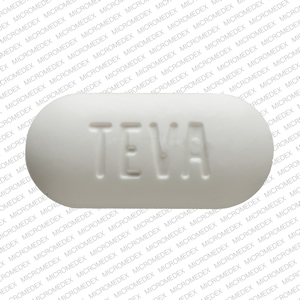
Tablets |
1 g* |
Carafate (scored) |
Axcan |
|
|
Sucralfate Tablets |
Eon |
AHFS DI Essentials™. © Copyright 2024, Selected Revisions June 1, 2008. American Society of Health-System Pharmacists, Inc., 4500 East-West Highway, Suite 900, Bethesda, Maryland 20814.
† Off-label: Use is not currently included in the labeling approved by the US Food and Drug Administration.
Reload page with references included
More about sucralfate
- Check interactions
- Compare alternatives
- Pricing & coupons
- Reviews (236)
- Drug images
- Latest FDA alerts (1)
- Side effects
- Dosage information
- Patient tips
- During pregnancy
- Support group
- Drug class: miscellaneous GI agents
- Breastfeeding
- En español