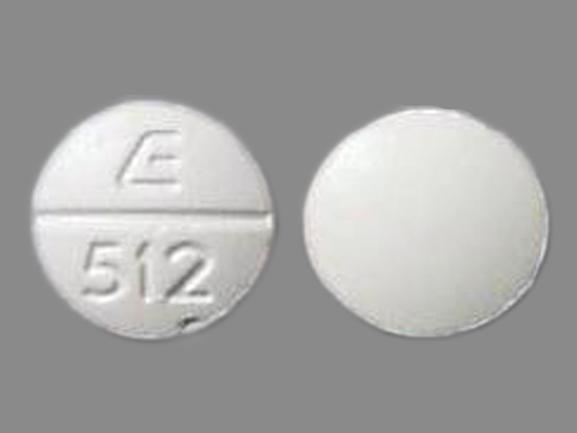
quiNIDine (Monograph)
Drug class: Class Ia Antiarrhythmics
- Antimalarial Agents
VA class: CV300
CAS number: 7054-25-3
Warning
- Mortality
-
In many antiarrhythmic drug trials for non-life-threatening arrhythmias, active antiarrhythmic drug therapy was associated with increased mortality.
-
Risk associated with antiarrhythmic drug therapy probably is greatest in patients with structural heart disease.
-
A meta-analysis of data from several randomized, controlled studies in patients with atrial flutter and fibrillation indicates that quinidine therapy may be associated with a mortality rate >3 times higher than that associated with placebo.
-
A meta-analysis in patients with various non-life-threatening ventricular arrhythmias showed mortality associated with quinidine was consistently greater than that associated with various other antiarrhythmic agents (i.e., flecainide, mexiletine, propafenone, tocainide).
Introduction
Antiarrhythmic agent (class Ia); antimalarial.
Uses for quiNIDine
Comparably effective to procainamide for atrial or ventricular arrhythmias; choice based on pharmacokinetics and adverse effect profile.
Supraventricular Tachyarrhythmias
Used for conversion of atrial fibrillation or flutter in patients whose symptoms are not adequately controlled by measures to reduce ventricular rate; also may be used to maintain normal sinus rhythm after conversion. However, used infrequently because of adverse effects (e.g., QT-interval prolongation, torsades de pointes, increased mortality) and considered an alternative to other antiarrhythmic agents.
Has been used for treatment of other supraventricular tachycardias (e.g., paroxysmal atrial tachycardia, paroxysmal AV junctional rhythm); however, other therapies preferred.
Ventricular Arrhythmias
Suppression and prevention of recurrent ventricular arrhythmias (e.g., sustained VT) that in the judgment of the clinician are life-threatening. Because of arrhythmogenic potential and lack of evidence for improved survival for class I antiarrhythmic agents, not recommended for less severe arrhythmias; avoid treatment in asymptomatic VPCs. (See Boxed Warning.)
Parenteral lidocaine is considered drug of choice for treatment of VPCs because quinidine can decrease myocardial contractility.
Like other antiarrhythmic drugs, not shown to decrease mortality rate in VPCs associated with acute MI.
Malaria
Treatment of severe malaria caused by Plasmodium falciparum or other Plasmodium species† [off-label].
Severe malaria usually caused by P. falciparum; P. knowlesi also can cause severe disease. Can be rapidly progressive and fatal (most deaths occur within first 24–48 hours of illness); initial aggressive treatment with a parenteral antimalarial regimen indicated as soon as possible after diagnosis (regardless of Plasmodium species involved) and whenever suspected based on possible exposure and symptoms.
For initial treatment of severe malaria in adults or children, CDC recommends a regimen of IV quinidine gluconate in conjunction with doxycycline, tetracycline, or clindamycin (oral or IV as tolerated). After at least 24 hours and when parasitemia is reduced to <1% and an oral regimen can be tolerated, IV quinidine gluconate can be discontinued and oral quinine sulfate initiated to complete 7 or 3 days of total quinidine and quinine therapy as determined by geographic origin of infecting parasite (7 days if acquired in Southeast Asia or 3 days if acquired elsewhere). Oral antimalarials not recommended for initial treatment of severe malaria.
Because of potentially fatal consequences of delays in initiating treatment of severe malaria, institutional pharmacy services should be aware of the essential role of ready availability of IV quinidine gluconate. (See Availability for Use in Treatment of Severe Malaria under Cautions.)
If IV quinidine gluconate is unavailable locally and cannot be obtained quickly or cannot be used because of adverse effects or contraindications or if parasitemia is high and has not responded to quinidine gluconate, IV artesunate is available from CDC under an investigational new drug (IND) protocol for initial treatment of severe malaria. WHO recommends IV artesunate as the drug of choice for treatment of severe malaria.
Although oral quinidine sulfate has been used for treatment of malaria, including uncomplicated malaria† [off-label] caused by multidrug-resistant P. falciparum, oral quinine sulfate is not included in CDC recommendations for treatment of uncomplicated or severe P. falciparum malaria.
Assistance with diagnosis or treatment of malaria or assistance obtaining IV quinidine gluconate or IV artesunate for treatment of severe malaria is available by contacting CDC Malaria Hotline at 770-488-7788 or 855-856-4713 from 9:00 a.m. to 5:00 p.m. Eastern Standard Time or CDC Emergency Operation Center at 770-488-7100 after hours and on weekends and holidays.
quiNIDine Dosage and Administration
General
Arrhythmias
-
Initiate quinidine or adjust quinidine dosage in a setting where facilities and personnel for patient monitoring and resuscitation are continuously available, especially if used in patients with known structural heart disease or other risk factors for toxicity.
-
ECG monitoring of cardiac function and determination of plasma concentrations are recommended, especially when given IV or when >2 g is administered orally daily, and in patients with an increased risk of adverse reactions to quinidine (e.g., severe heart disease, hypotension, hepatic or renal disease).
-
Use for conversion of atrial fibrillation/flutter only after alternative measures (e.g., use of other drugs to control ventricular rate) have been inadequate. Discontinue quinidine if sinus rhythm is not restored within a reasonable amount of time.
-
Discontinue quinidine and consider other means of conversion if QRS complex widens to 130% of its pretreatment duration, QTc interval widens to 130% of its pretreatment duration and is >500 milliseconds, P waves disappear, or patient develops clinically important tachycardia, symptomatic bradycardia, or hypotension.
Malaria
-
Initiate IV quinidine gluconate regimen as soon as possible after severe malaria diagnosed (regardless of Plasmodium species involved) and whenever suspected based on possible exposure and symptoms.
-
CDC and others recommend IV quinidine gluconate regimen be administered in an intensive care facility with close monitoring.
-
Monitor BP, plasma quinidine concentrations, and ECG closely and monitor blood glucose periodically in patients receiving quinidine for treatment of malaria; adjust dosage accordingly.
-
Because most deaths from severe malaria occur within first 24–48 hours of illness, an initial IV loading dose usually used to rapidly provide therapeutic plasma concentrations. Do not use a loading dose if patient received >40 mg/kg of quinine in the previous 48 hours or received mefloquine in the previous 12 hours.
-
Calculate loading dose and infusion rate carefully to prevent acute cardiac events. Consider that risk of serious ventricular arrhythmias associated with quinidine is increased by bradycardia, hypokalemia, hypomagnesemia, and concomitant use of drugs that can prolong QT interval (e.g., halofantrine [an antimalarial drug not commercially available in US], mefloquine, quinine).
-
CDC recommends consultation with a cardiologist and a clinician with experience in treating malaria. A cardiologist may be helpful if attempting to resume IV infusion of quinidine gluconate in patients who develop prolongation of QT interval or hypotension during treatment.
Administration
Administer quinidine sulfate orally. Administer quinidine gluconate orally or by IV infusion.
IM administration of quinidine gluconate is not recommended because absorption may vary depending on patient’s peripheral perfusion.
Oral Administration
Administer quinidine sulfate orally as conventional or extended-release tablets.
Administer quinidine gluconate orally as extended-release tablets.
May be administered with food or antacids to decrease adverse GI effects. Avoid grapefruit juice. (See Specific Drugs and Foods under Interactions.)
To determine possible idiosyncrasy to quinidine, administer a test dose of 200 mg of quinidine sulfate orally several hours before initiating full dosage. For children, the test dose for idiosyncrasy is 2 mg/kg (up to 200 mg) of quinidine sulfate orally.
Extended-release Tablets
Used principally for maintenance therapy in the management of arrhythmias.
Quinidine gluconate extended-release tablets may be broken in half in order to titrate dosage; however, do not chew or crush.
IV Administration
For solution and drug compatibility, see Compatibility under Stability.
Arrhythmias: Administer by IV infusion.
Malaria: Administer by continuous or intermittent IV infusion.
Dilution
Arrhythmias: Dilute contents of multiple-dose vial containing 800 mg of quinidine gluconate (10 mL of 80-mg/mL injection) in 40 mL of 5% dextrose injection to provide solution containing 16 mg/mL.
Malaria (continuous IV infusion regimen): Dilute loading dose of 6.25 mg/kg of quinidine (10 mg/kg of quinidine gluconate) in approximately 5 mL/kg of 0.9% sodium chloride injection.
Malaria (intermittent IV infusion regimen): Dilute loading dose of 15 mg/kg of quinidine (24 mg/kg of quinidine gluconate) in 250 mL of 0.9% sodium chloride injection.
Rate of Administration
Minimize length of IV tubing because of quinidine adsorption to PVC tubing. (See Compatibility under Stability.)
Overly rapid IV administration can cause potentially severe cardiovascular effects. (See IV Administration under Cautions.)
Arrhythmias: Up to 0.25 mg/kg per minute (i.e., about 1 mL/kg per hour of 16-mg/mL dilution).
Malaria (continuous IV infusion regimen): Give loading dose of 6.25 mg/kg of quinidine (10 mg/kg of quinidine gluconate) by IV infusion over 1–2 hours, followed by continuous IV infusions given at a rate of 12.5 mcg/kg of quinidine per minute (20 mcg/kg of quinidine gluconate per minute) for at least 24 hours. Decrease infusion rate or interrupt flow if corrected QT interval is >0.6 seconds, corrected QT interval exceeds baseline by >25%, QRS widening is >50% of baseline, or clinically important hypotension unresponsive to fluid expansion develops.
Malaria (intermittent IV infusion regimen): Give loading dose of 15 mg/kg of quinidine (24 mg/kg of quinidine gluconate) by IV infusion over 4 hours, followed 4 hours later (i.e., 8 hours after the beginning of the loading-dose infusion) by maintenance doses of 7.5 mg/kg of quinidine (12 mg/kg of quinidine gluconate) given by IV infusion over 4 hours at 8-hour intervals. Decrease infusion rate or interrupt flow if corrected QT interval is >0.6 seconds, corrected QT interval exceeds baseline by >25%, QRS widening exceeds baseline by >50%, or clinically important hypotension unresponsive to fluid expansion develops.
Dosage
Available as quinidine sulfate and quinidine gluconate. Dosage for treatment of arrhythmias usually expressed in terms of the salt; dosage for treatment of malaria expressed in terms of the base or salt.
On a molar basis, approximately 267 mg of quinidine gluconate is equivalent to 200 mg of quinidine sulfate.
Each 100 mg of quinidine gluconate contains 62.5 mg of quinidine.
Pediatric Patients
Quinidine Sulfate
Arrhythmias† [off-label]
Oral15–60 mg/kg of quinidine sulfate daily given in divided doses every 6 hours has been recommended by some clinicians. Others recommend 30 mg/kg daily or 900 mg/m2 daily, given in 5 divided doses.
Quinidine Gluconate
Arrhythmias† [off-label]
Oral20–60 mg/kg of quinidine gluconate daily given in divided doses every 8 hours has been recommended by some clinicians.
IV30 mg/kg daily or 900 mg/m2 daily of quinidine gluconate, given in 5 divided doses, is recommended by some clinicians.
Severe Malaria
IVContinuous IV infusion regimen: Initial loading dose of 6.25 mg/kg of quinidine (10 mg/kg of quinidine gluconate) given by IV infusion over 1–2 hours, followed by a maintenance infusion of 12.5 mcg/kg of quinidine per minute (20 mcg/kg of quinidine gluconate per minute) continued for ≥24 hours and until parasitemia is reduced to <1% and oral quinine sulfate can be substituted. Some clinicians state initial loading dose should not exceed 375 mg of quinidine (600 mg of quinidine gluconate).
Intermittent IV infusion regimen: Initial loading dose of 15 mg/kg of quinidine (24 mg/kg of quinidine gluconate) given by IV infusion over 4 hours, followed 4 hours later (i.e., 8 hours after the beginning of the loading-dose infusion) by maintenance doses of 7.5 mg/kg of quinidine (12 mg/kg of quinidine gluconate) given by IV infusion over 4 hours at 8-hour intervals until 3 maintenance doses have been administered and parasitemia is reduced to <1% and oral quinine sulfate can be substituted.
After ≥24 hours of quinidine gluconate and when clinically indicated, switch to oral quinine sulfate therapy to complete a total of 7 or 3 days of total quinidine and quinine therapy as determined by geographic origin of infecting parasite (7 days if acquired in Southeast Asia or 3 days if acquired elsewhere).
IV quinidine gluconate regimen followed by oral quinine sulfate is used in conjunction with a 7-day regimen of doxycycline, tetracycline, or clindamycin (given IV or orally as tolerated).
Adults
Quinidine Sulfate
Arrhythmias
OralConversion of atrial fibrillation/flutter (conventional tablets): Manufacturers recommend 400 mg of quinidine sulfate (332 mg of quinidine) every 6 hours initially; dose may be cautiously increased if conversion is not attained after 4 or 5 doses.
Conversion of atrial fibrillation/flutter (extended-release tablets): Manufacturer recommends 300 mg of quinidine sulfate (249 mg of quinidine) every 8–12 hours initially; dose may be cautiously increased if conversion not attained, quinidine serum concentrations are within the therapeutic range, and the drug is well tolerated.
If successful conversion of atrial fibrillation does not occur when quinidine serum concentrations are in the therapeutic range, further dosage increases generally are unsuccessful and increase the possibility of toxicity.
Reduction in frequency of relapse into atrial fibrillation/flutter (conventional tablets): Manufacturers recommend 200 mg of quinidine sulfate (166 mg of quinidine) every 6 hours initially. Dose may be cautiously increased if well tolerated, serum quinidine concentrations are within therapeutic range, and average time between arrhythmic episodes has not been satisfactorily increased. Use such prophylaxis only if alternative measures have been inadequate and if potential benefits outweigh risks; consider mortality risk.
Reduction in frequency of relapse into atrial fibrillation/flutter (extended-release tablets): Manufacturer recommends 300 mg of quinidine sulfate (249 mg of quinidine) every 8–12 hours initially. Dose may be cautiously increased if well tolerated, serum quinidine concentrations are within therapeutic range, and average time between arrhythmic episodes has not been satisfactorily increased. Use such prophylaxis only if alternative measures have been inadequate and if potential benefits outweigh risks; consider mortality risk.
Manufacturers state that dosage regimens for suppression of life-threatening ventricular arrhythmias have not been adequately studied, but regimens similar to those used in the management of atrial fibrillation/flutter have been described. Whenever possible, such therapy should be guided by results of programmed electrical stimulation and/or Holter monitoring with exercise.
Malaria
Oral300–600 mg or 10 mg/kg of quinidine sulfate every 8 hours for 5–7 days has been used for treatment of uncomplicated P. falciparum malaria.
Not included in CDC recommendations for treatment of uncomplicated or severe malaria. (See Malaria under Uses.)
Quinidine Gluconate
Arrhythmias
OralConversion of atrial fibrillation/flutter (extended-release tablets): Manufacturers recommend 648 mg of quinidine gluconate (403 mg of quinidine) every 8 hours initially; dose may be cautiously increased if conversion is not attained after 3 or 4 doses. Alternatively, manufacturers state that a regimen of 324 mg of quinidine gluconate (202 mg of quinidine) may be given every 8 hours for 2 days, then 648 mg of quinidine gluconate (403 mg of quinidine) every 12 hours for 2 days, and then 648 mg of quinidine gluconate (403 mg of quinidine) every 8 hours for up to 4 days. If the 648-mg dose is not tolerated, the lower dosage can be continued for the last 4 days.
Reduction in frequency of relapse into atrial fibrillation/flutter (extended-release tablets): Manufacturers recommend 324 mg of quinidine gluconate (202 mg of quinidine) every 8 or 12 hours initially. Dose may be cautiously increased if well tolerated, serum quinidine concentrations are within therapeutic range, and average time between arrhythmic episodes has not been satisfactorily increased. Use such prophylaxis only if alternative measures have been inadequate and if potential benefits outweigh risks; consider mortality risk.
Manufacturers state that dosage regimens for suppression of life-threatening ventricular arrhythmias have not been adequately studied, but regimens similar to those used in the management of atrial fibrillation/flutter have been described. Whenever possible, such therapy should be guided by results of programmed electrical stimulation and/or Holter monitoring with exercise.
IVTreatment of symptomatic atrial fibrillation/flutter: Initially, up to 0.25 mg/kg of quinidine gluconate per minute (i.e., up to 1 mL/kg per hour) of 16-mg/mL dilution. Discontinue IV infusion as soon as sinus rhythm is restored.
Most arrhythmias responsive to IV quinidine respond to a total IV dosage <5 mg/kg, although 10 mg/kg may be required in some patients. If conversion to sinus rhythm has not occurred after infusion of quinidine gluconate 10 mg/kg, discontinue the infusion and consider other means of cardioversion.
Although dosing regimens for the management of life-threatening ventricular arrhythmias have not been systematically evaluated, regimens similar to that used in the management of atrial fibrillation/flutter have been described.
Severe Malaria
IVContinuous IV infusion regimen: Initial loading dose of 6.25 mg/kg of quinidine (10 mg/kg of quinidine gluconate) given by IV infusion over 1–2 hours, followed by a maintenance infusion of 12.5 mcg/kg of quinidine per minute (20 mcg/kg of quinidine gluconate per minute) continued for ≥24 hours and until parasitemia is reduced to <1% and oral quinine sulfate can be substituted. Some clinicians state initial loading dose should not exceed 375 mg of quinidine (600 mg of quinidine gluconate).
Intermittent IV infusion regimen: Initial loading dose of 15 mg/kg of quinidine (24 mg/kg of quinidine gluconate) given by IV infusion over 4 hours, followed 4 hours later (i.e., 8 hours after the beginning of the loading-dose infusion) by maintenance doses of 7.5 mg/kg of quinidine (12 mg/kg of quinidine gluconate) given by IV infusion over 4 hours at 8-hour intervals until 3 maintenance doses have been administered and parasitemia is reduced to <1% and oral quinine sulfate can be substituted.
After ≥24 hours of quinidine gluconate and when clinically indicated, switch to oral quinine sulfate therapy to complete a total of 7 or 3 days of total quinidine and quinine therapy as determined by geographic origin of infecting parasite (7 days if acquired in Southeast Asia or 3 days if acquired elsewhere).
IV quinidine gluconate regimen followed by oral quinine sulfate is used in conjunction with a 7-day regimen of doxycycline, tetracycline, or clindamycin (given IV or orally as tolerated).
Prescribing Limits
Pediatric Patients
Arrhythmias† [off-label]
Quinidine Gluconate or Quinidine Sulfate
Oral2.4 g of quinidine sulfate or quinidine gluconate daily.
Severe Malaria
Quinidine Gluconate
IVContinuous IV infusion regimen: Maximum initial loading dose of 375 mg of quinidine (600 mg of quinidine gluconate).
Adults
Severe Malaria
Quinidine Gluconate
IVContinuous IV infusion regimen: Maximum initial loading dose of 375 mg of quinidine (600 mg of quinidine gluconate).
Special Populations
Hepatic Impairment
Dosage reduction may be necessary to avoid toxicity.
Renal Impairment
Dosage reduction may be necessary to avoid toxicity.
In patients with severe malaria receiving IV quinidine gluconate, CDC states that initial (including loading) doses do not need to be reduced in those with renal failure. If renal failure persists or clinical improvement does not occur in such patients, CDC recommends reducing maintenance IV infusion rate by one-third to one-half on the third day of treatment.
CHF
Dosage reduction may be necessary to avoid toxicity.
Geriatric Patients
Select dosage with caution, usually starting at the low end of the dosage range, and consider age-related decreases in hepatic, renal, and/or cardiac function and concomitant disease and drug therapy.
Cautions for quiNIDine
Contraindications
-
Patients with AV junctional or idioventricular pacemaker, including those in complete AV block.
-
History of quinidine- or quinine-associated thrombocytopenic purpura.
-
Myasthenia gravis or other conditions that might be adversely affected by anticholinergic effects.
-
Known hypersensitivity to quinidine.
Warnings/Precautions
Warnings
Mortality
Pooled analysis of data from several randomized, controlled studies in patients with ventricular arrhythmias indicates that mortality rate associated with quinidine therapy is at least as high as that associated with other antiarrhythmic agents (e.g., flecainide, mexiletine, propafenone, tocainide).
Use quinidine only for life-threatening arrhythmias. Avoid use for less severe ventricular arrhythmias and treatment of asymptomatic VPCs.
Additionally, pooled analysis of data from several randomized, controlled studies in patients with atrial flutter and fibrillation indicates that quinidine therapy may be associated with a mortality rate >3 times higher than that associated with placebo; consider the increased risk of death when initiating quinidine therapy.
Use with extreme caution, if at all, in patients with incomplete AV nodal block, since complete heart block and asystole may result. Parenteral administration is especially hazardous in the presence of AV block, in the absence of atrial activity, and in patients with extensive myocardial injury.
Proarrhythmic Effects
The possibility that potentially serious cardiac arrhythmias, including torsades de pointes, could occur if used concomitantly with other drugs that prolong the QTc interval should be considered.
Hypokalemia, hypoxia, and disorders of acid-base balance must be eliminated as potentiating factors in patients who require large doses of antiarrhythmic agents to control ventricular arrhythmias.
Paradoxical Increase in Ventricular Rate in Atrial Flutter/Fibrillation
Paradoxically, an extremely rapid ventricular rate may occur when used in the treatment of atrial flutter or fibrillation, due to a reduction in the degree of AV nodal block to a 1:1 ratio. The anticholinergic action on the AV node also may increase the heart rate.
This tachycardia may be prevented by prior digitalization.
If cessation of atrial fibrillation or flutter is accompanied by depression of the normal pacemaker, an idioventricular rhythm (including ventricular tachycardia and fibrillation) may result.
Exacerbated Bradycardia in Sick Sinus Syndrome
Possible marked sinus node depression and bradycardia.
IV Administration
Overly rapid IV administration may cause peripheral vascular collapse and hypotension.
Sensitivity Reactions
Hypersensitivity Reactions
Idiosyncratic and hypersensitivity reactions to quinidine may occur, and the reaction to a test dose or the first dose of the drug should be observed carefully. (See Oral Administration under Dosage and Administration.)
Observe for hypersensitivity for the first weeks of therapy.
Symptoms of cinchonism such as tinnitus, headache, vertigo, fever, dizziness, lightheadedness, tremor, nausea, and disturbed vision may occur in sensitive patients after a single dose.
Decrease dosage if signs of cinchonism appear.
General Precautions
Cardiovascular Effects
Possible syncope, probably due to ventricular tachycardia or fibrillation in usual doses. Syncopal episodes may subside spontaneously, but occasionally are fatal. If quinidine-induced syncope occurs, discontinue the drug. Also may cause bradycardia.
Severe hypotension may occur following IV administration or oral overdosage. Vascular collapse, respiratory distress, and respiratory arrest may occur. Reportedly related to the dose and rate of administration of the drug. Rapid IV injection of as little as 200 mg reportedly may cause a decrease in blood pressure of 40–50 mm Hg. Norepinephrine or metaraminol may be used if necessary to treat vascular collapse; artificial respiration and other supportive measures may be required.
While substantial cardiovascular toxicity generally has not occurred, ECG changes, including prolonged QT interval, widened QRS complex, and flattened T waves (without dysrhythmia), have occurred frequently and hypotension and ventricular tachycardia have occurred occasionally in patients receiving IV quinidine gluconate for the treatment of Plasmodium falciparum malaria.
Use with caution in patients without implanted pacemakers at high risk of complete atrioventricular block (e.g., digitalis intoxication, second-degree atrioventricular block, severe intraventricular conduction defects).
Availability for Use in Treatment of Severe Malaria
Because of potentially fatal consequences of delays in initiating treatment of severe malaria, institutional pharmacy services should be aware of the essential role of ready availability of IV quinidine gluconate.
If IV quinidine gluconate is not readily available for a patient with severe P. falciparum malaria (e.g., in hospitals where the drug is not maintained on formulary or otherwise available), health-care professionals should contact a nearby healthcare facility that stocks the drug. If a local source cannot be found, contact local or regional distributor or manufacturer of the drug.
If IV quinidine gluconate is unavailable locally and cannot be obtained quickly or cannot be used because of adverse effects or contraindications or if parasitemia is high and has not responded to quinidine gluconate, IV artesunate is available from CDC under an IND protocol for initial treatment of severe malaria. (See Malaria under Uses.)
Specific Populations
Pregnancy
Category C.
Generally considered relatively safe at usual dosages, but may exhibit oxytocic effect (possible abortion) at high dosages.
Lactation
Distributed into milk. Avoid, if possible, in nursing women.
Pediatric Use
Safety and efficacy as an antiarrhythmic agent in children not established. Has been used in children with arrhythmias†.
Study and experience in children with malaria suggest that safety and efficacy of IV quinidine gluconate are similar to those in adults.
Geriatric Use
Safety and efficacy not systematically studied in geriatric patients. Clinical studies did not include sufficient numbers of patients ≥65 years of age to determine whether they respond differently than younger adults; other reported clinical experience has not identified differences in responses between geriatric adults and younger patients.
When used in geriatric patients, select dosage with caution, usually initiating therapy at the low end of dosage range, and consider the greater frequency of decreased hepatic, renal, and/or cardiac function and concomitant disease and drug therapy in this age group.
Hepatic Impairment
Decreased clearance; may result in quinidine toxicity if dosage is not reduced.
Renal Impairment
Decreased clearance; may result in quinidine toxicity if dosage is not reduced. (See Special Populations under Dosage and Administration.)
Common Adverse Effects
GI effects (diarrhea, nausea, vomiting, heartburn/esophagitis, upper GI distress), lightheadedness.
Drug Interactions
Appears to be metabolized principally by CYP3A4. Not metabolized by CYP2D6.
Inhibits CYP2D6; therapeutic serum quinidine concentrations may effectively convert CYP2D6 extensive metabolizers into CYP2D6 poor metabolizers.
Drugs or Foods Affecting or Metabolized by Hepatic Microsomal Enzymes
Possible pharmacokinetic interactions with drugs that are inhibitors, inducers, or substrates of CYP3A4.
Use caution if drugs metabolized by CYP2D6 (e.g., mexiletine, some phenothiazines, polycyclic antidepressants) are used concomitantly with quinidine; reduced dosage of such drugs may be necessary to obtain clinical benefit without toxicity. If some prodrugs that require CYP2D6 for conversion to an active metabolite (e.g., codeine, hydrocodone) are used concomitantly with quinidine, it may not be possible to achieve desired clinical benefits of those drugs.
Specific Drugs and Foods
|
Drug or Food |
Interaction |
Comments |
|---|---|---|
|
Alkalinizing agents (e.g., carbonic anhydrase inhibitors [e.g., acetazolamide], thiazide diuretics, some antacids, sodium bicarbonate) |
Drugs that increase urine pH may reduce renal excretion of quinidine; toxicity may occur |
Monitor patients closely during initiation of therapy with alkalinizing agents |
|
Amiodarone |
Increased serum quinidine concentrations |
Reduce quinidine dosage by 33–50% when amiodarone therapy is initiated in patients currently receiving quinidine or discontinue quinidine therapy Monitor serum quinidine concentrations carefully and reduce quinidine dosage as necessary in patients receiving amiodarone Observe patients closely for signs of toxicity, including QT prolongation |
|
Antacids |
Concomitant administration may delay oral absorption of quinidine Concomitant use of aluminum hydroxide antacid and oral quinidine gluconate does not have a clinically important effect on quinidine absorption |
|
|
Antiarrhythmic agents (e.g., diltiazem, flecainide, lidocaine, metoprolol, mexiletine, procainamide, propafenone, propranolol, timolol) |
Possible additive or antagonistic cardiac effects; toxic effects may be additive Mexiletine: Possible increased mexiletine concentrations Procainamide: Increased serum procainamide concentrations Propranolol: Usually does not affect quinidine pharmacokinetics, but increased peak quinidine concentrations and decreased volume of distribution and decreased clearance has been reported; no clinically important effect on propranolol pharmacokinetics Flecainide, metoprolol, propafenone: Quinidine has no clinically important effect on pharmacokinetics of these antiarrhythmics |
Mexiletine: Use caution |
|
Anticholinergic agents |
Possible additive effects |
|
|
Anticoagulants (oral) |
Quinidine potentiates anticoagulant effect of warfarin |
Closely observe patients; anticoagulant dosage may need to be reduced |
|
Anticonvulsants (e.g., mephenytoin, phenytoin, phenobarbital) |
Phenytoin, phenobarbital: Possible accelerated clearance of quinidine Mephenytoin: Quinidine has no clinically important effect on mephenytoin pharmacokinetics |
Use caution when anticonvulsant is initiated or discontinued in patients receiving quinidine |
|
Caffeine |
No clinically important effect on quinidine pharmacokinetics |
|
|
Calcium-channel blocking agents (e.g., diltiazem, felodipine, nifedipine, verapamil) |
Diltiazem: Decreased clearance and increased half-life of quinidine; no clinically important effect on diltiazem pharmacokinetics Felodipine: No clinically important effect on quinidine pharmacokinetics; possible decreased metabolism of felodipine Nifedipine: Decreased serum quinidine concentrations; decreased rate of nifedipine metabolism Verapamil: Decreased hepatic clearance of quinidine; possible additive effects and hypotension in patients with arrhythmia or hypertrophic cardiomyopathy |
Nifedipine: Monitor serum quinidine concentrations whenever nifedipine is initiated or discontinued in patients maintained on the antiarrhythmic; adjust quinidine dosage accordingly Verapamil: Concomitant use in such patients should probably be avoided |
|
Cholinergic agents |
Quinidine antagonizes the effects of cholinergic agents |
Use with caution, if at all, in patients with myasthenia gravis; dose of anticholinesterase drugs (e.g., neostigmine, pyridostigmine) may have to be increased |
|
Cigarette smoking |
No clinically important effect on quinidine pharmacokinetics |
|
|
Cimetidine |
Increased serum quinidine concentrations |
Clinical importance uncertain |
|
Ciprofloxacin |
No clinically important effect on quinidine pharmacokinetics |
|
|
Clarithromycin |
Torsades de pointes reported rarely in patients receiving concomitant quinidine and clarithromycin |
If quinidine and clarithromycin are used concomitantly, monitor ECGs and serum quinidine concentrations |
|
Dextromethorphan |
Substantial increase in bioavailability of dextromethorphan due to CYP2D6 inhibition; used for therapeutic benefit in fixed combination containing dextromethorphan and quinidine (Nuedexta) |
|
|
Digoxin |
Increased plasma concentrations of digoxin (in ≥90% of patients) which may result in GI and cardiac toxicity; no clinically important effect on quinidine pharmacokinetics |
Monitor serum digoxin concentrations carefully when quinidine therapy is initiated in a patient receiving digoxin; reduce digoxin dosage as needed Observe patient closely for signs of toxicity |
|
Grapefruit juice |
May delay GI absorption of quinidine and inhibit metabolism of quinidine to 3-hydroxyquinidine; may delay effects on QTc interval |
Clinical importance unknown, remain alert for possible interaction Manufacturers of extended-release formulations of quinidine state avoid grapefruit juice |
|
Haloperidol |
Increased serum haloperidol concentrations |
|
|
Hypotensive agents |
Possible additive hypotensive effects |
Observe patients for hypotensive effects |
|
Ketoconazole |
Increased plasma quinidine concentrations |
|
|
Neuromuscular blocking agents (e.g., pancuronium bromide, succinylcholine chloride, tubocurarine chloride) |
Quinidine potentiates the effects of depolarizing and nondepolarizing neuromuscular blocking agents Neostigmine methylsulfate does not appear to reverse these effects |
Avoid use of quinidine immediately after surgery when the effects of neuromuscular blocking agents may be present; respiratory support may be needed if quinidine must be used |
|
Omeprazole |
No clinically important effect on quinidine pharmacokinetics |
|
|
Phenothiazines |
Possible additive cardiac depressant effects |
|
|
Quinine |
Additive pharmacological effects No clinically important effect on quinine or quinidine pharmacokinetics |
|
|
Reserpine |
Possible additive cardiac depressant effects |
|
|
Rifampin |
Possible accelerated quinidine elimination |
quiNIDine Pharmacokinetics
Absorption
Bioavailability
Quinidine sulfate conventional tablets: Absolute bioavailability is about 70% (range 45–100%) and peak serum concentrations are attained in about 2 hours.
Quinidine gluconate or quinidine sulfate extended-release tablets: Absolute bioavailability is 70–80% and peak serum concentrations are attained within 3–6 hours.
Onset
After oral administration of 400–600 mg of quinidine sulfate, onset of cardiovascular effects usually occurs in 1–3 hours.
Duration
Therapeutic cardiovascular effects of an oral 400- to 600-mg dose of quinidine sulfate persist for 6–8 hours.
Food
Quinidine sulfate conventional tablets: Food slows the rate of absorption, but does not affect the extent of absorption.
Quinidine gluconate extended-release tablets: Food increases the rate (by 27%) and extent (by 17%) of absorption.
Grapefruit juice may delay absorption and inhibit GI metabolism.
Distribution
Extent
Rapidly distributed into all body tissues except the brain.
Crosses the placenta.
Distributed into breast milk.
Plasma Protein Binding
About 80–88% bound to plasma proteins in adults and older children; lower protein binding in pregnant women, infants, and neonates (may be as low as 50–70% in neonates and infants).
Elimination
Metabolism
Metabolized in the liver by CYP3A4; some metabolites have antiarrhythmic activity.
Major metabolite is 3-hydroxyquinidine (3HQ); animal studies indicate 3HQ has at least half of the antiarrhythmic activity of quinidine.
Elimination Route
Eliminated mainly in urine, with less than 5% of a dose excreted in feces.
Rate of quinidine excretion increases when the pH of urine ≤6; the rate of excretion decreases and plasma concentrations increase when the urine is alkaline.
Half-life
6–8 hours (range: 3–16 hours or longer) in healthy adults and 3–4 hours in children.
12.8 hours in malaria.
Stability
Storage
Oral
Quinidine Sulfate Conventional or Extended-release Tablets
20–25°C in tight container. Protect from light and moisture.
Quinidine Gluconate Extended-release Tablets
20–25°C in tight container. Protect from light.
Parenteral
Quinidine Gluconate Injection
25°C (may be exposed to 15–30°C).
Diluted solutions (16 mg/mL in 5% dextrose injection) are stable for 24 hours at room temperature and up to 48 hours at 4°C.
Compatibility
Parenteral
Minimize length of IV tubing because of quinidine adsorption to PVC tubing. 3% adsorption with 12 inches vs 30% with 112 inches.
Solution Compatibility
|
Compatible |
|---|
|
Dextrose 5% in water |
|
Sodium chloride 0.9% |
Drug Compatibility
|
Compatible |
|---|
|
Milrinone lactate |
|
Ranitidine HCl |
|
Verapamil HCl |
|
Incompatible |
|
Atracurium besylate |
|
Variable |
|
Amiodarone HCl |
|
Compatible |
|---|
|
Diazepam |
|
Milrinone lactate |
|
Nesiritide |
|
Incompatible |
|
Furosemide |
|
Variable |
|
Heparin sodium |
Actions
-
A class I (membrane-stabilizing) antiarrhythmic agent with actions similar to those of procainamide.
-
Decreases myocardial excitability and conduction velocity, and may depress myocardial contractility.
-
Possesses anticholinergic properties that may modify the direct myocardial effects of the drug.
-
The exact mechanism has not been determined conclusively, but is believed to combine with fast sodium channels in their inactive state and thereby inhibit recovery after repolarization in a time- and voltage-dependent manner, which is associated with subsequent dissociation of the drug from the sodium channels.
-
Suppresses automaticity in the His-Purkinje system. Decreases conduction velocity in the atria, ventricles, and His-Purkinje system, and may decrease or cause no change in conduction velocity through the AV node.
-
May suppress atrial fibrillation or flutter by prolonging the effective refractory period (ERP) and increasing the action potential duration in atrial and ventricular muscle and in the His-Purkinje system.
-
May produce sinus tachycardia via its anticholinergic effects.
-
Has a direct negative inotropic effect, but therapeutic plasma concentrations of the drug do not usually depress contractility in the normal heart.
-
May reduce peripheral resistance and blood pressure by blockade of α-adrenergic receptors and by its effects on myocardial contractility; decreased blood pressure is most likely to occur with high plasma concentrations of the drug. At high plasma concentrations, quinidine may produce sinus tachycardia because of reflex sympathetic response to the drug’s hypotensive effect.
-
When used as an antimalarial agent, acts principally as an intraerythrocytic schizonticide; the drug has little effect on sporozoites or preerythrocytic parasites.
-
Gametocidal against Plasmodium vivax and P. malariae, but not P. falciparum.
-
Appears to be more active (in vitro on a weight basis) than quinine against P. falciparum.
Advice to Patients
-
If used for prophylaxis against recurrence of atrial fibrillation, advise patient of the risks and benefits. Advise patients that the goal is reduction in frequency of episodes of atrial fibrillation (probably not elimination); symptomatic benefits may occur if reduced frequency of fibrillatory episodes is achieved; no data indicate that reduced frequency of fibrillatory episodes reduces risks of irreversible harm through stroke or death; and data are available suggesting that quinidine treatment is likely to increase the risk of death.
-
Importance of informing clinician if rash, fever, unusual bleeding or bruising, ringing in the ears, or visual disturbance occurs.
-
Importance of informing clinician of existing or contemplated concomitant therapy, including prescription and OTC drugs, as well as any concomitant illnesses.
-
Importance of women informing clinicians if they are or plan to become pregnant or plan to breast-feed.
-
Importance of informing patients of other important precautionary information. (See Cautions.)
Preparations
Excipients in commercially available drug preparations may have clinically important effects in some individuals; consult specific product labeling for details.
Please refer to the ASHP Drug Shortages Resource Center for information on shortages of one or more of these preparations.
* available from one or more manufacturer, distributor, and/or repackager by generic (nonproprietary) name
|
Routes |
Dosage Forms |
Strengths |
Brand Names |
Manufacturer |
|---|---|---|---|---|
|
Oral |
Tablets, extended-release |
324 mg (equivalent to quinidine 202 mg)* |
quiNIDine Gluconate Extended-release Tablets |
|
|
Parenteral |
Injection |
80 mg (equivalent to quinidine 50 mg) per mL* |
quiNIDine Gluconate Injection |
* available from one or more manufacturer, distributor, and/or repackager by generic (nonproprietary) name
|
Routes |
Dosage Forms |
Strengths |
Brand Names |
Manufacturer |
|---|---|---|---|---|
|
Oral |
Tablets |
200 mg (equivalent to quinidine 166 mg)* |
quiNIDine Sulfate Tablets |
|
|
300 mg (equivalent to quinidine 249 mg)* |
quiNIDine Sulfate Tablets |
|||
|
Tablets, extended-release |
300 mg (equivalent to quinidine 249 mg)* |
quiNIDine Sulfate Extended-release Tablets |
AHFS DI Essentials™. © Copyright 2025, Selected Revisions November 14, 2016. American Society of Health-System Pharmacists, Inc., 4500 East-West Highway, Suite 900, Bethesda, Maryland 20814.
† Off-label: Use is not currently included in the labeling approved by the US Food and Drug Administration.
Reload page with references included
Related/similar drugs
More about quinidine
- Check interactions
- Compare alternatives
- Pricing & coupons
- Reviews (2)
- Drug images
- Side effects
- Dosage information
- During pregnancy
- Drug class: group I antiarrhythmics
- Breastfeeding
- En español