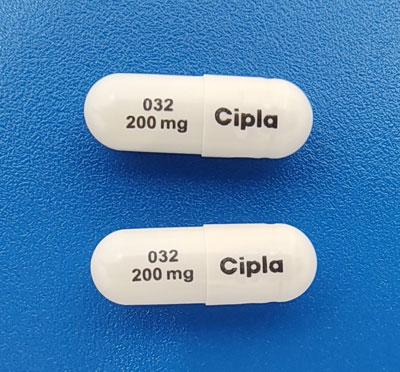
Nilotinib (Monograph)
Brand name: Tasigna
Drug class: Antineoplastic Agents
Warning
- QT Interval Prolongation and Sudden Death
-
Prolongs QT interval. ECG monitoring recommended at baseline, 7 days after initiation, following any dosage adjustments, and periodically thereafter.
-
Sudden deaths reported in patients receiving nilotinib.
-
Contraindicated in patients with hypokalemia, hypomagnesemia, or long QT syndrome. Correct hypokalemia or hypomagnesemia prior to administration; periodically monitor electrolytes.
-
Avoid concomitant administration of drugs known to prolong the QT interval and potent CYP3A4 inhibitors.
-
Avoid food 2 hours before and 1 hour after taking dose.
Introduction
Antineoplastic agent; inhibitor of Bcr-Abl tyrosine kinase.
Uses for Nilotinib
Chronic Myelogenous Leukemia (CML)
Treatment of newly diagnosed Philadelphia chromosome-positive (Ph+) CML in adults and pediatric patients ≥1 year of age who are in chronic phase of the disease.
Treatment of Ph+ CML in adults who are in chronic or accelerated phase of the disease, after failure (secondary to resistance or intolerance) of prior therapy that included imatinib. Efficacy based on hematologic and cytogenetic response rates.
Treatment of Ph+ CML in pediatric patients ≥1 year of age who are in the chronic or accelerated phase of disease, after failure (secondary to resistance or intolerance) of prior tyrosine-kinase inhibitor therapy.
Designated an orphan drug by FDA for use in the treatment of CML.
Other Uses
Nilotinib has been used in combination with chemotherapy† [off-label] for first-line treatment of Ph+ acute lymphocytic leukemia (ALL)† [off-label] .
Nilotinib has been used in adults with ALL following failure of prior therapy† [off-label].
Nilotinib has been used for the treatment of malignant GI stromal tumors (GISTs)† [off-label].
Nilotinib Dosage and Administration
General
Pretreatment Screening
-
Complete blood cell count (CBC).
-
Assess serum electrolytes; correct hypokalemia and hypomagnesemia prior to administration of nilotinib.
-
Correct uric acid levels prior to initiation of therapy.
-
Assess cardiovascular status and risk factors for cardiovascular events.
-
Electrocardiogram (ECG) at baseline and repeated 7 days following initiation of nilotinib.
-
Verify pregnancy status in females of reproductive potential.
Patient Monitoring
-
Monitor CBC every 2 weeks during the first 2 months of therapy and then monthly thereafter or as clinically indicated.
-
Perform ECG periodically during therapy and approximately 7 days after any dosage adjustments.
-
Monitor serum electrolytes periodically during therapy.
-
Assess cardiovascular status and risk factors for cardiovascular events periodically during therapy.
-
Monitor for manifestations of bleeding.
-
Monitor serum lipase monthly or as clinically indicated.
-
Monitor liver function tests monthly or as clinically indicated.
-
Monitor for signs or symptoms of fluid retention and respiratory or cardiac compromise during therapy.
-
Monitor growth and development in pediatric patients.
- Monitoring Following Discontinuance of Therapy
-
Monitor Bcr-Abl transcript levels and CBC with differential every month for 1 year, every 6 weeks for the second year, and then every 12 weeks thereafter.
-
If loss of molecular response (MR4.0; defined as Bcr-Abl of 0.01% or less) occurs during the treatment-free phase, monitor Bcr-Abl transcript levels every 2 weeks until Bcr-Abl levels remain lower than major molecular response (MR3.0; defined as Bcr-Abl 0.1% or less) for 4 consecutive measurements, then resume regular monitoring schedule.
-
Consistently use the same FDA-authorized test to monitor Bcr-Abl transcript levels during therapy and following discontinuation.
- Monitoring Following Reinitiation of Therapy
-
In patients with newly diagnosed chronic phase CML who reinitiate nilotinib therapy due to loss of major molecular response, monitor Bcr-Abl transcript levels monthly until major molecular response is re-established and then every 12 weeks thereafter.
-
In patients with CML following failure or intolerance of prior therapy who have a confirmed loss of MR4.0 (2 consecutive measures at least 4 weeks apart) or loss of major molecular response who reinitiate nilotinib therapy, monitor Bcr-Abl transcript levels monthly until previous major molecular response or MR4.0 is re-established and then every 12 weeks thereafter.
Dispensing and Administration Precautions
-
Based on the Institute for Safe Medication Practices (ISMP), nilotinib is a high-alert medication that has a heightened risk of causing significant patient harm when used in error.
Other General Considerations
-
Maintain adequate hydration throughout therapy.
Administration
Oral Administration
Administer orally twice daily (approximately 12 hours apart in the morning and evening).
Administer on an empty stomach, at least 1 hour before or 2 hours after any food.
Swallow capsules whole with water. Alternatively, patients who are unable to swallow capsules may open nilotinib capsules, disperse the contents of each capsule in one teaspoonful of applesauce, and swallow the mixture immediately (within 15 minutes). Do not store mixture for later use. Do not use foods other than applesauce. Do not mix contents of each capsule with more than one teaspoonful of applesauce.
May be administered in conjunction with hematopoietic growth factors (e.g., erythropoietin, filgrastim, sargramostim), if clinically indicated. If clinically indicated, may administer concomitantly with hydroxyurea or anagrelide.
Dosage
Pediatric Patients
CML
Newly Diagnosed Chronic Phase CML
Oral≥1 year of age: 230 mg/m2 (maximum dose of 400 mg) twice daily. Round dosage to nearest 50 mg dose (see Table 1). Continue therapy for the duration of clinical benefit or until unacceptable toxicity occurs.
|
Body Surface Area |
Nilotinib Dosage |
|---|---|
|
≤0.32 m2 |
50 mg twice daily |
|
0.33–0.54 m2 |
100 mg twice daily |
|
0.55–0.76 m2 |
150 mg twice daily |
|
0.77–0.97 m2 |
200 mg twice daily |
|
0.98–1.19 m2 |
250 mg twice daily |
|
1.2–1.41 m2 |
300 mg twice daily |
|
1.42–1.63 m2 |
350 mg twice daily |
|
≥1.64 m2 |
400 mg twice daily |
Discontinuance of therapy may be considered in patients who meet the following criteria :
-
Received ≥3 years of nilotinib therapy
-
Sustained molecular response (MR4.0; defined as Bcr-Abl transcripts of ≤0.01% for 1 year)
-
Achieved deep molecular response (MR4.5; defined as Bcr-Abl transcripts of ≤0.0032%) immediately prior to discontinuing therapy
-
Confirmed expression of typical Bcr-Abl transcripts (e13a2/b2a2 or e14a2/b3a2)
-
No history of accelerated phase or blast crisis
-
No prior history of relapse following treatment-free remission
Measure molecular response during and following discontinuation of therapy with the same FDA-authorized test.
Patients with newly diagnosed chronic phase CML who lose major molecular response must reinitiate treatment within 4 weeks at the dosage used prior to discontinuation of therapy; monitor Bcr-Abl transcript levels monthly until major molecular response is re-established and then every 12 weeks thereafter.
Chronic or Accelerated Phase CML Following Failure of Prior Therapy
Oral≥1 year of age: 230 mg/m2 (maximum dose of 400 mg) twice daily. Round dosage to nearest 50 mg dose (see Table 1). Continue therapy for the duration of clinical benefit or until unacceptable toxicity occurs.
Discontinuance of therapy may be considered in patients who meet the following criteria :
-
Received ≥3 years of nilotinib therapy
-
Prior therapy with imatinib only
-
Achieved deep molecular response (MR4.5; defined as Bcr-Abl transcripts of ≤0.0032%)
-
Sustained MR4.5 for ≥1 year immediately prior to discontinuing therapy
-
Confirmed expression of typical Bcr-Abl transcripts (e13a2/b2a2 or e14a2/b3a2)
-
No history of accelerated phase or blast crisis
-
No prior history of relapse following treatment-free remission
Measure molecular response during and following discontinuation of therapy with the same FDA-authorized test.
Patients with CML following failure or intolerance of prior therapy who have a confirmed loss of MR4.0 (2 consecutive measures at least 4 weeks apart) or loss of major molecular response must reinitiate treatment within 4 weeks at the dosage used prior to discontinuation of therapy; monitor Bcr-Abl transcript levels monthly until major molecular response is re-established and then every 12 weeks thereafter.
Pediatric Patients: Dosage Modification for Toxicity
Prolongation of QT Interval
OralIf QTc is >480 msec, withhold nilotinib. Resume treatment within 2 weeks at prior dosage if QTcF (QT interval corrected using Fridericia’s formula) returns to <450 msec and to within 20 msec of baseline. If QTcF is 450–480 msec after withholding nilotinib for 2 weeks, resume therapy at a reduced dosage of 230 mg/m2 once daily. If QTcF >480 msec following this dosage reduction, discontinue nilotinib.
Adverse Hematologic Effects
OralAdjust dosage if neutropenia and/or thrombocytopenia (unrelated to leukemia) occurs.
If ANC <1500/mm3 and platelet counts <50,000/mm3, withhold nilotinib. Resume treatment within 2 weeks at prior dosage if ANC >1500/mm3 and platelet counts >75,000/mm3. If blood counts remain low for >2 weeks, reduce dosage to 230 mg/m2 once daily.
If toxicity recurs on a reduced dosage, discontinue nilotinib therapy.
Other Nonhematologic Adverse Effects
OralWithhold therapy in patients with grade 3 or greater lipase, amylase, or hepatic aminotransferase concentrations or grade 2 or greater bilirubin concentrations . If toxicity decreases to grade 1 or less, resume treatment at a reduced dosage of 230 mg/m2 once daily. If elevations in bilirubin and/or hepatic aminotransferases do not recover to grade 1 or less within 28 days, discontinue nilotinib therapy. If elevated lipase or amylase of grade 3 or higher or elevated bilirubin and/or hepatic aminotransferase concentrations recur on a reduced dosage of 230 mg/m2 once daily, discontinue nilotinib therapy.
Withhold therapy if other moderate or severe nonhematologic toxicities (grade 2 or higher) occur; once toxicity resolves, resume therapy, as appropriate, at a reduced dosage of 230 mg/m2 once daily. If toxicity recurs on a reduced dosage, discontinue nilotinib therapy. If clinically appropriate, consider escalation of dosage back to 230 mg/m2 twice daily.
Adults
CML
Newly Diagnosed Chronic Phase CML
Oral300 mg twice daily. Manufacturer recommends 200 mg once daily if concomitant use of a potent CYP3A4 inhibitor is required.
In a phase 3 clinical trial, median duration of treatment was 82.8 months.
Discontinuance of therapy may be considered in patients who meet the following criteria :
-
Received ≥3 years of nilotinib therapy
-
Sustained molecular response (MR4.0; defined as Bcr-Abl transcripts of ≤0.01% for 1 year)
-
Achieved deep molecular response (MR4.5; defined as Bcr-Abl transcripts of ≤0.0032%) immediately prior to discontinuing therapy
-
Confirmed expression of typical Bcr-Abl transcripts (e13a2/b2a2 or e14a2/b3a2)
-
No history of accelerated phase or blast crisis
-
No prior history of relapse following treatment-free remission
Measure molecular response during and following discontinuation of therapy with the same FDA-authorized test.
Patients with newly diagnosed chronic phase CML who lose major molecular response must reinitiate treatment within 4 weeks at the dosage used prior to discontinuation of therapy; monitor Bcr-Abl transcript levels monthly until major molecular response is re-established and then every 12 weeks thereafter.
Chronic or Accelerated Phase CML Following Failure of Prior Therapy That Included Imatinib
Oral400 mg twice daily. Manufacturer recommends 300 mg once daily if concomitant use of a potent CYP3A4 inhibitor is required .
In a phase 2 clinical trial, median duration of treatment was 87.5 months.
Discontinuance of therapy may be considered in patients who meet the following criteria :
-
Received ≥3 years of nilotinib therapy
-
Prior therapy with imatinib only
-
Achieved deep molecular response (MR4.5; defined as Bcr-Abl transcripts of ≤0.0032%)
-
Sustained MR4.5 for ≥1 year immediately prior to discontinuing therapy
-
Confirmed expression of typical Bcr-Abl transcripts (e13a2/b2a2 or e14a2/b3a2)
-
No history of accelerated phase or blast crisis
-
No prior history of relapse following treatment-free remission
Measure molecular response during and following discontinuation of therapy with the same FDA-authorized test.
Patients with CML following failure or intolerance of prior therapy who have a confirmed loss of MR4.0 (2 consecutive measures at least 4 weeks apart) or loss of major molecular response must reinitiate treatment within 4 weeks at the dosage used prior to discontinuation of therapy; monitor Bcr-Abl transcript levels monthly until major molecular response is re-established and then every 12 weeks thereafter.
Adults: Dosage Modification for Toxicity
Prolongation of QT Interval
OralIf QTc is >480 msec, withhold nilotinib. Resume treatment within 2 weeks at prior dosage if QTcF (QT interval corrected using Fridericia’s formula) returns to <450 msec and to within 20 msec of baseline. If QTcF is 450–480 msec after withholding nilotinib for 2 weeks, resume therapy at a reduced dosage of 400 mg once daily. If QTcF >480 msec following this dosage reduction, discontinue nilotinib.
Adverse Hematologic Effects
OralAdjust dosage if neutropenia and/or thrombocytopenia (unrelated to leukemia) occurs.
If ANC <1000/mm3 and/or platelets <50,000/mm3, withhold nilotinib. Resume treatment within 2 weeks at prior dosage if ANC >1000/mm3 and platelets >50,000/mm3. If blood counts remain low for >2 weeks, reduce dosage to 400 mg once daily.
Other Nonhematologic Adverse Effects
OralWithhold therapy in patients with elevated lipase, amylase, bilirubin, and/or hepatic aminotransferase concentrations of grade 3 or higher. If toxicity decreases to grade 1 or less, resume treatment at a reduced dosage of 400 mg once daily (in adults receiving nilotinib either as first-line therapy for CML or following failure of prior therapy).
Withhold therapy if other moderate or severe nonhematologic toxicities occur; once toxicity resolves, resume therapy, as appropriate, at a reduced dosage of 400 mg once daily. If toxicity recurs on a reduced dosage, discontinue nilotinib therapy. If clinically appropriate, consider escalation of dosage back to 300 mg twice daily (in adults receiving nilotinib as first-line therapy for CML) or 400 mg twice daily (in those receiving nilotinib following failure of prior therapy).
Prescribing Limits
Pediatric Patients
Newly Diagnosed Chronic Phase CML
Oral
≥1 year of age: Maximum 400 mg per dose.
Chronic Phase CML Following Failure of Prior Therapy
Oral
≥1 year of age: Maximum 400 mg per dose.
Special Populations
Hepatic Impairment
If possible, consider alternative therapy. If use of nilotinib is required, consider reducing initial dosage.
Newly diagnosed chronic phase CML: In adults with mild, moderate, or severe hepatic impairment (Child-Pugh class A, B, or C), reduce initial dosage to 200 mg twice daily, followed by dosage escalation to 300 mg twice daily as tolerated.
Chronic or accelerated phase CML following failure of prior therapy: In adults with mild or moderate hepatic impairment (Child-Pugh class A or B), reduce initial dosage to 300 mg twice daily, followed by dosage escalation to 400 mg twice daily as tolerated. In adults with severe hepatic impairment (Child-Pugh class C), reduce initial dosage to 200 mg twice daily, followed by dosage escalation, as tolerated, to 300 mg twice daily and then to 400 mg twice daily.
Renal Impairment
Manufacturer makes no specific dosage recommendations.
Geriatric Patients
Manufacturer makes no specific dosage recommendations.
Total Gastrectomy
Nilotinib exposure is reduced in patients who have undergone total gastrectomy. Consider more frequent follow-up of these patients. If necessary, consider increasing nilotinib dosage or instituting alternative therapy.
Cautions for Nilotinib
Contraindications
-
Hypokalemia, hypomagnesemia, or long QT syndrome.
Warnings/Precautions
Warnings
Prolongation of QT Interval
Plasma concentration-dependent QT interval prolongation has occurred; may be associated with torsades de pointes, leading to syncope, seizure, and/or sudden death.
ECG monitoring is recommended at baseline, 7 days after initiation of drug, approximately 7 days after any dosage adjustments, and periodically during therapy to monitor for QT interval effects.
Contraindicated in patients with hypokalemia, hypomagnesemia, or long QT syndrome.
Concomitant use of potent CYP3A4 inhibitors or antiarrhythmics or other drugs that prolong QT interval may result in substantial prolongation of QT interval; avoid concomitant use of these agents.
Administration with food may result in substantial prolongation of QT interval; do not administer with food.
Mortality
Sudden deaths reported in patients receiving nilotinib. Possibility that ventricular repolarization abnormalities may have contributed to their occurrence.
Other Warnings and Precautions
Hematologic Effects
Grade 3 or 4 myelosuppression (neutropenia, anemia, and thrombocytopenia) reported; usually reversible by withholding or reducing the dosage.
Perform CBCs every 2 weeks during the first 2 months of therapy and monthly (or as clinically indicated) thereafter.
Cardiovascular Effects
Cardiovascular effects (i.e., arterial vascular occlusive events, ischemic heart disease-related cardiac events, peripheral arterial occlusive disease, ischemic cerebrovascular events) reported.
Assess cardiovascular status and risk factors for cardiovascular events prior to starting therapy and periodically during therapy.
Pancreatitis and Elevated Serum Lipase
Grade 3 or 4 elevations in serum lipase reported. Caution in patients with a previous history of pancreatitis. Monitor serum lipase monthly or as clinically indicated; interruption of therapy and/or dosage reduction may be required.
If lipase elevations are accompanied by abdominal symptoms, interrupt therapy and consider diagnostic testing to exclude pancreatitis.
Hepatic Effects
Grade 3 or 4 elevations of serum bilirubin, AST, ALT, and/or alkaline phosphatase reported. Monitor hepatic function tests monthly or as clinically indicated and following dosage adjustments; interruption of therapy and/or dosage reduction may be required.
Pharmacogenetic analysis evaluating potential association between genetic polymorphisms of uridine diphosphate-glucuronosyltransferase (UGT) 1A1 and nilotinib-associated hyperbilirubinemia found increased risk of hyperbilirubinemia with the (TA)7/(TA)7 genotype relative to the (TA)6/(TA)6 and (TA)6/(TA)7 genotypes; largest increases in bilirubin observed in patients with the (TA)7/(TA)7 genotype (UGT1A1*28).
Electrolyte Abnormalities
Grade 3 or 4 electrolyte abnormalities (hypophosphatemia, hypokalemia, hyperkalemia, hypocalcemia, and hyponatremia) reported.
Correct electrolyte abnormalities prior to administration of nilotinib; monitor electrolytes periodically during therapy.
Tumor Lysis Syndrome
May increase risk of tumor lysis syndrome, primarily in patients with advanced disease who are resistant to or intolerant of imatinib therapy.
Correct uric acid levels prior to starting therapy and monitor electrolytes periodically thereafter. Maintain adequate hydration during therapy.
Hemorrhage
Severe hemorrhage, sometimes fatal, reported.
Monitor for manifestations of hemorrhage. If hemorrhagic event occurs, provide appropriate treatment.
Lactose Intolerance
Contains lactose monohydrate; not recommended in patients with rare hereditary problems of galactose intolerance, severe lactase deficiency with severe intolerance to lactose-containing products, or glucose-galactose malabsorption.
Fluid Retention or Edema
Fluid retention reported. Effusions (including pleural effusion, pericardial effusion, ascites) or pulmonary edema reported.
Monitor for signs and symptoms of fluid retention (e.g., unexpected rapid weight gain, swelling) and respiratory or cardiac compromise (e.g. shortness of breath) during therapy.
Effects on Growth and Development of Pediatric Patients
Nilotinib has been associated with adverse reactions related to bone growth and development. Growth retardation reported in 3 patients.
Monitor growth and development during therapy in pediatric patients.
Fetal/Neonatal Morbidity and Mortality
May cause fetal harm; maternal and embryofetal toxicity demonstrated in animals.
Avoid pregnancy during therapy. Verify pregnancy status in females of reproductive potential prior to starting nilotinib therapy and advise such patients to use effective contraception during therapy with nilotinib and for ≥14 days after the last dose. If used during pregnancy or if patient becomes pregnant, apprise of potential fetal hazard.
Specific Populations
Pregnancy
May cause fetal harm.
If used during pregnancy or if patient becomes pregnant, apprise of potential fetal hazard.
Lactation
Distributed into milk in rats; not known whether nilotinib is distributed into human milk. Discontinue breast-feeding during therapy and for ≥14 days after the last dose.
Pediatric Use
Safety and efficacy of nilotinib have been evaluated in pediatric patients ≥1 year of age with Ph+ CML in the chronic phase that is newly diagnosed or failed prior therapy. No data in pediatric patients <2 years of age.
The frequency, type, and severity of adverse effects in pediatric population are generally consistent with those observed in adults; however, grade 3 or 4 hyperbilirubinemia and elevations in serum aminotransferase concentrations occurred more frequently in pediatric patients than in adults. Adverse effects on growth and development in pediatric patients with Ph+ chronic phase CML receiving nilotinib has been reported. Monitor growth and development in pediatric patients.
Geriatric Use
In newly diagnosed chronic-phase CML patients, no difference in major molecular response rates between patients ≥65 years of age and younger adults.
In chronic-phase CML patients receiving nilotinib after failure of prior therapy that included imatinib, no difference in major cytogenetic response rates between patients ≥65 years of age and younger adults.
In accelerated-phase CML patients receiving nilotinib after failure of prior therapy that included imatinib, hematologic response rate was 29% in patients ≥65 years of age compared with 44% in patients <65 years of age.
No major differences in safety relative to younger adults.
Hepatic Impairment
Increased nilotinib exposure in patients with hepatic impairment. If possible, consider alternative therapy. If nilotinib therapy is required, reduce initial dosage and closely monitor QT interval.
Renal Impairment
Not studied in patients with renal impairment; however, renal impairment not expected to decrease nilotinib clearance.
Pharmacogenomics
Nilotinib can increase serum bilirubin concentrations. A statistically significant increase in the risk of hyperbilirubinemia in patients with uridine diphosphate-glucuronosyltransferase (UGT) 1A1 (TA)7/(TA)7 genotype relative to the (TA)6/(TA)6 and (TA)6/(TA)7 genotypes. The largest increases in bilirubin were observed in patients with the (TA)7/(TA)7 genotype (UGT1A1*28).
Common Adverse Effects
Adverse nonhematologic effects reported in 20% or more of adult and pediatric patients receiving nilotinib include nausea, rash, headache, fatigue, pruritus, vomiting, diarrhea, cough, constipation, arthralgia, nasopharyngitis, pyrexia, and night sweats.
Adverse hematologic effects include thrombocytopenia, neutropenia, and anemia.
In patients who discontinued nilotinib after attaining a sustained molecular response, musculoskeletal symptoms were reported more frequently the first year of the treatment-free phase (34% in newly diagnosed CML and 48% in previously treated CML) compared to during nilotinib therapy, but decreased in the second year (9% in newly diagnosed CML and 15% in previously treated CML).
Among patients who entered the nilotinib treatment reinitiation phase, musculoskeletal symptoms decreased in those with newly diagnosed or previously treated CML (12.5 or 25%, respectively).
Drug Interactions
Metabolized principally by CYP3A4.
Inhibits CYP2C8, CYP2D6, and UGT1A1; induces CYP2B6, and CYP2C8. Potential pharmacokinetic interactions with drugs metabolized by these isoenzymes.
Substrate and inhibitor of efflux transporter P-gp (ABCB1).
Drugs and Foods Affecting Hepatic Microsomal Enzymes
Potent CYP3A4 inhibitors: Potential pharmacokinetic interaction (increased serum nilotinib concentrations). Avoid concomitant use; interrupt nilotinib therapy if use of a potent CYP3A4 inhibitor is required. If interruption is not possible, consider reduced nilotinib dosage (200 mg once daily as first-line therapy for CML in adults or 300 mg once daily in adults with previously treated CML) and closely monitor for QT interval prolongation. Recommended dosage adjustment based on pharmacokinetic studies, not on clinical experience. If the CYP3A4 inhibitor is discontinued, increase nilotinib dosage to usual indicated dosage after a suitable washout period.
Potent CYP3A4 inducers: Potential pharmacokinetic interaction (decreased plasma nilotinib concentrations). Avoid concomitant use.
Drugs Metabolized by Hepatic Microsomal Enzymes
Substrates of CYP3A4, CYP2C8, CYP2D6: Potential pharmacokinetic interaction (increased plasma substrate concentrations).
Substrates of CYP2B6 and CYP2C8: Potential pharmacokinetic interaction (decreased plasma substrate concentrations).
Drugs Metabolized by Uridine Diphosphate-glucuronosyltransferase (UGT)
Substrates of UGT1A1: Potential pharmacokinetic interaction (increased concentrations of drugs metabolized by this enzyme).
Substrates or Inhibitors of P-Glycoprotein Transport Systems (P-gp)
Substrates of P-gp: Potential pharmacokinetic interaction (increased plasma substrate concentrations).
P-gp inhibitors: Potential pharmacokinetic interaction (increased plasma nilotinib concentrations).
Drugs that Prolong QT Interval
Potential pharmacologic interactions (additive effect on QT interval prolongation). Avoid concomitant use of nilotinib with drugs known to prolong the QT interval. If use of such drugs is required, interrupt nilotinib therapy. If interruption is not possible, closely monitor patients for QT interval prolongation.
Specific Drugs and Foods
|
Drug or Food |
Interaction |
Comments |
|---|---|---|
|
Antacids |
Possible decreased nilotinib bioavailability secondary to decreased solubility at higher pH |
Administer nilotinib 2 hours before or 2 hours after an antacid |
|
Antifungals, azoles (ketoconazole) |
Possible increased plasma nilotinib concentrations Ketoconazole: Increased nilotinib AUC approximately threefold |
Avoid concomitant use; interrupt nilotinib therapy if use of antifungal with potent CYP3A4 inhibitory activity is required If interruption is not possible in adults, consider reduced nilotinib dosage (200 mg once daily as first-line therapy for CML or 300 mg once daily following failure of prior CML therapy that included imatinib) and closely monitor for QT interval prolongation If antifungal is discontinued, increase nilotinib dosage to usual indicated dosage after a suitable washout period |
|
Antimycobacterials (rifampin) |
Possible decreased plasma nilotinib concentrations Rifampin: Decreased nilotinib AUC approximately 80% |
Avoid concomitant use |
|
Grapefruit |
Possible increased plasma nilotinib concentrations Double-strength grapefruit increased nilotinib AUC by 1.3-fold |
Avoid grapefruit products |
|
Histamine H2-receptor antagonists |
Possible decreased nilotinib bioavailability secondary to decreased solubility at higher pH |
Administer nilotinib 2 hours before or 10 hours after a histamine H2-receptor antagonist |
|
Imatinib |
Increase in nilotinib and imatinib exposure Increased nilotinib AUC by 30–50% Increased imatinib AUC by 20% |
|
|
Midazolam |
Increased midazolam AUC by 2.6-fold |
|
|
Proton-pump inhibitors |
Decreased nilotinib bioavailability and exposure secondary to decreased solubility at higher pH Esomeprazole: Decreased nilotinib AUC by 34% |
Avoid concomitant use; select alternative drug such as histamine H2-receptor antagonists or antacids |
|
St. John’s wort (Hypericum perforatum) |
Possible decreased nilotinib concentrations |
Avoid concomitant use |
|
Warfarin |
In healthy individuals, single nilotinib dose did not alter warfarin pharmacokinetics or pharmacodynamics |
Nilotinib Pharmacokinetics
Absorption
Bioavailability
Peak plasma concentrations are attained 3 hours following oral administration.
Single-dose administration of two intact 200-mg nilotinib capsules is bioequivalent to single-dose administration of two 200-mg capsules when the contents of each capsule are dispersed in a teaspoonful of applesauce and ingested within 15 minutes following dispersal.
Food
Food increases oral bioavailability. When administered 30 minutes after a high-fat meal, AUC increased by 82% relative to administration in the fasted state.
Plasma Concentrations
Steady-state exposure is dose dependent; at dosages >400 mg once daily, increase in exposure is less than proportional to increase in dose. Steady-state exposure at dosage of 400 mg twice daily is about 13% higher than exposure at dosage of 300 mg twice daily.
Special Populations
In individuals with mild (Child-Pugh class A), moderate (Child-Pugh class B), or severe (Child-Pugh class C) hepatic impairment, AUC increased 1.4-, 1.4-, or 1.6-fold, respectively.
Following administration of the recommended dosage of nilotinib in pediatric patients, steady-state exposure of nilotinib were within 2-fold of those observed following administration of nilotinib 400 mg twice daily in adults. Minimum plasma concentrations at steady-state were comparable across all age groups (pediatric patients from ages 2 to <18 years) and diseases (newly diagnosed or resistant or intolerant Ph+ CML).
In patients having undergone total gastrectomy, median steady-state trough concentrations reduced by 53%.
Distribution
Extent
Not known whether distributed into human milk.
Plasma Protein Binding
Approximately 98%.
Elimination
Metabolism
Metabolized in the liver, principally by CYP3A4, to primarily inactive metabolites. Undergoes oxidation.
Elimination Route
Eliminated principally in feces (93%) mainly as unchanged drug.
Half-life
Approximately 17 hours.
Special Populations
Body surface area correlates with nilotinib clearance and was the primary factor responsible for the pharmacokinetic differences between pediatric patients and adults.
Renal impairment not expected to reduce clearance.
No clinically relevant effects of age, body weight, sex, or ethnic origin on pharmacokinetics.
Stability
Storage
Oral
Capsules
20–25°C (excursions permitted between 15–30°C).
Actions
-
Inhibits Bcr-Abl tyrosine kinase, an abnormal protein created by the Philadelphia chromosome abnormality in CML.
-
Competitively inhibits the ATP-binding site of Bcr-Abl tyrosine kinase, leading to inhibition of tyrosine phosphorylation of proteins involved in the intracellular signal transduction that Bcr-Abl mediates.
-
Binds to and stabilizes the inactive conformation of the Abl kinase; inhibits proliferation of murine leukemic cells as well as human cell lines derived from Ph+ CML patients.
-
Overcomes imatinib resistance resulting from Bcr-Abl kinase domain mutations in vitro.
Advice to Patients
-
A copy of the manufacturer’s patient information (medication guide) for nilotinib should be provided to all patients with each prescription of the drug. Importance of patients reading the medication guide prior to initiation of therapy and each time the prescription is refilled.
-
Inform patients of the necessity of monitoring blood cell counts, electrolytes, liver enzymes, lipase, lipids, and glucose.
-
Instruct patients to inform clinicians immediately if they experience any of the following symptoms: lightheadedness, faintness, irregular heartbeat, sudden stomach pain with concurrent nausea and vomiting, decrease in urine production, uncontrolled bleeding, changes in eyesight, unconsciousness, sudden headache or confusion, shortness of breath, rapid weight gain, or swelling.
-
Inform patients that a possible loss of remission may occur if a treatment-free remission period is attempted, and musculoskeletal symptoms may occur more frequently during the first year.
-
Importance of advising patients that nilotinib is a long-term therapy. Importance of taking only as prescribed; do not alter the dosage or discontinue therapy without first consulting clinician.
-
Importance of advising patients to swallow nilotinib capsules whole with water. Alternatively, instruct patients who cannot swallow capsules to open nilotinib capsules, sprinkle the contents of each capsule on one teaspoonful of applesauce, and swallow the mixture immediately (within 15 minutes). Advise patients that foods other than applesauce should not be used and that no more than one teaspoonful of applesauce should be mixed with the contents of each capsule.
-
Importance of advising patients that if a dose is missed, the next dose should be taken at the regularly scheduled time; the dose should not be doubled.
-
Importance of advising patients to take nilotinib on an empty stomach (at least 1 hour before and at least 2 hours after eating any food); advise patients receiving nilotinib twice daily to take doses approximately 12 hours apart.
-
Importance of advising patients to separate doses of nilotinib and doses of antacids or H2-receptor antagonists; the manufacturer recommends administering nilotinib 2 hours before or 10 hours after a histamine H2-receptor antagonist and 2 hours before or 2 hours after an antacid.
-
Importance of informing clinicians if patient is lactose intolerant.
-
Importance of advising patients to avoid any grapefruit products or any other foods that inhibit CYP3A4 while taking nilotinib.
-
Importance of women informing a clinician immediately if they are or plan to become pregnant or plan to breast-feed; necessity for clinicians to advise women to avoid pregnancy during therapy and for 14 days after receiving the last dose of nilotinib, and advise pregnant women of risk to the fetus.
-
Importance of informing clinicians of existing or contemplated concomitant therapy, including prescription and OTC drugs and herbal products (e.g., St. John’s wort), as well as any concomitant illnesses (e.g., long QT syndrome).
-
Importance of informing patients of other important precautionary information.
Additional Information
The American Society of Health-System Pharmacists, Inc. represents that the information provided in the accompanying monograph was formulated with a reasonable standard of care, and in conformity with professional standards in the field. Readers are advised that decisions regarding use of drugs are complex medical decisions requiring the independent, informed decision of an appropriate health care professional, and that the information contained in the monograph is provided for informational purposes only. The manufacturer’s labeling should be consulted for more detailed information. The American Society of Health-System Pharmacists, Inc. does not endorse or recommend the use of any drug. The information contained in the monograph is not a substitute for medical care. For further information on the handling of antineoplastic agents, see the ASHP Guidelines on Handling Hazardous Drugs at [Web].
Preparations
Excipients in commercially available drug preparations may have clinically important effects in some individuals; consult specific product labeling for details.
Please refer to the ASHP Drug Shortages Resource Center for information on shortages of one or more of these preparations.
|
Routes |
Dosage Forms |
Strengths |
Brand Names |
Manufacturer |
|---|---|---|---|---|
|
Oral |
Capsules |
50 mg |
Tasigna |
Novartis |
|
150 mg |
Tasigna |
Novartis |
||
|
200 mg |
Tasigna |
Novartis |
AHFS DI Essentials™. © Copyright 2025, Selected Revisions September 28, 2023. American Society of Health-System Pharmacists, Inc., 4500 East-West Highway, Suite 900, Bethesda, Maryland 20814.
† Off-label: Use is not currently included in the labeling approved by the US Food and Drug Administration.
Reload page with references included
Related/similar drugs
Frequently asked questions
- Gleevec vs Sprycel vs Tasigna - how do they compare?
- Is Tasigna a form of chemotherapy?
- Does Tasigna (nilotinib) cause hair loss?
More about nilotinib
- Check interactions
- Compare alternatives
- Pricing & coupons
- Reviews (40)
- Drug images
- Side effects
- Dosage information
- During pregnancy
- Drug class: BCR-ABL tyrosine kinase inhibitors
- Breastfeeding
- En español