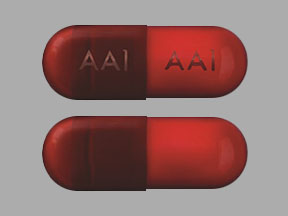
Methyltestosterone (Monograph)
Brand names: Android, Methitest, Testred
Drug class: Androgens
Introduction
A synthetic androgenic anabolic steroid hormone.
Uses for Methyltestosterone
Male Hypogonadism
Management of congenital or acquired primary hypogonadism such as that resulting from orchiectomy or from testicular failure caused by cryptorchidism, bilateral torsion, orchitis, or vanishing testis syndrome.
Management of congenital or acquired hypogonadotropic hypogonadism such as that resulting from idiopathic gonadotropin or gonadotropin releasing hormone (luteinizing hormone releasing hormone) deficiency or from pituitary-hypothalamic injury caused by tumors, trauma, or radiation.
If any of these conditions occur before puberty, replacement therapy will be necessary during adolescence for the development of secondary sexual characteristics. Will require prolonged therapy to maintain these characteristics in pubertal males or postpubertal males who develop testosterone deficiency.
May be used to stimulate puberty in carefully selected males with delayed puberty (family history of delayed puberty not secondary to a pathologic disorder). Brief treatment with conservative doses occasionally may be justified if patients do not respond to psychologic support.
Safety and efficacy of methyltestosterone therapy in men with low testosterone concentrations related to aging (i.e., late-onset hypogonadism) not established. Further study needed to elucidate the role of testosterone replacement therapy in treatment of this condition.
Breast Cancer
Palliative treatment of androgen-responsive, advanced, inoperable, metastatic (skeletal) breast cancer in women who are 1–5 years postmenopausal and in premenopausal women who have benefited from oophorectomy and are considered to have a hormone-responsive tumor.
Poorly tolerated; other hormonal agents (e.g., tamoxifen, anastrozole, letrozole, exemestane) currently are preferred for this use.
Menopause
Used in combination with estrogens for the short-term management of moderate to severe vasomotor symptoms† [off-label] associated with menopause in patients who do not respond adequately to estrogens alone. However, the FDA is reexamining the efficacy of estrogen/androgen combinations for this use.
Misuse, Abuse, and Dependence
Has been misused and abused by athletes, bodybuilders, weight lifters, and others to enhance athletic performance and physique† [off-label].
Based on review of data, FDA concluded that misuse and abuse of androgens associated with serious adverse cardiovascular, hepatic, endocrine, and mental health effects.
Medical and sports experts (e.g., International Olympic Committee) consider such use to be inappropriate and unacceptable because of known adverse effects and potential for long-term sequelae. Such use by athletes is contrary to the rules and ethical principles of athletic competition.
Evaluate serum testosterone concentrations if misuse or abuse of androgens suspected (e.g., patients experiencing serious adverse cardiovascular or psychiatric effects). Serum testosterone concentrations may be below or within the normal range in patients abusing synthetic derivatives of testosterone.
Methyltestosterone Dosage and Administration
General
-
Confirm diagnosis of male hypogonadism by laboratory testing prior to initiation of therapy.
-
Measure serum testosterone concentrations in the morning on at least 2 separate days. To confirm diagnosis, measurements must be consistently below the normal range. Serum testosterone concentrations may be low later in the day in men with or without hypogonadism; avoid measuring testosterone concentrations later in the day.
-
Individualize dosage according to the condition being treated, the severity of symptoms, and the patient’s age, gender, and history of prior androgenic therapy.
-
Adjust dosage carefully according to individual response and appearance of adverse effects.
Delayed Puberty
-
Take into consideration the chronological and skeletal ages of the patient, both in determining the initial dosage and in adjusting the dosage.
-
Perform radiographic examination of the hand and wrist at 6-month intervals to determine the rate of bone maturation and to assess the effect of therapy on the epiphyseal centers.
Breast Cancer
-
Administer only under supervision of a qualified clinician experienced in the treatment of breast cancer.
-
Occasionally may appear to accelerate progression of the disease; monitor patients closely.
Administration
Administer orally, usually in divided daily doses.
Dosage
Pediatric Patients
Male Hypogonadism
Hypogonadism
OralFor development of secondary sexual characteristics during adolescence: 10–50 mg daily. Prolonged therapy is required to maintain sexual characteristics.
Delayed Puberty
OralUse dosages in the lower end of the usual range for replacement (i.e., 10 mg daily) for 4–6 months.
Some clinicians recommend lower dosages initially, followed by gradual increases in dosage as puberty progresses; subsequently, the dosage may or may not be decreased to maintenance levels. Other clinicians state that higher dosages are required initially to induce pubertal changes and lower dosages can then be used for maintenance therapy after puberty.
Adults
Male Hypogonadism
Oral
Usual dosage: 10–50 mg daily; prolonged therapy is required to maintain sexual characteristics.
Breast Cancer
Oral
Usual dosage: 50–200 mg daily.
Cautions for Methyltestosterone
Contraindications
-
Males with breast cancer or known or suspected prostate cancer.
-
Known or suspected pregnancy.
-
Some manufacturers state that methyltestosterone is contraindicated in patients with cardiac, renal, or hepatic decompensation; hypercalcemia; impaired liver function; and in patients who are easily sexually stimulated.
Warnings/Precautions
Warnings
Fetal/Neonatal Morbidity
May cause fetal harm; dose-related virilization of the external genitalia (e.g., clitoral hypertrophy, labial fusion of the external genital fold to form a scrotal-like structure, abnormal vaginal development, persistence of a urogenital sinus) of female fetus reported, particularly when exposure to androgens occurs during the first trimester. If used during pregnancy or patient becomes pregnant, apprise of potential fetal hazard.
Hepatic Effects
Potentially serious and/or life-threatening adverse hepatic effects (e.g., peliosis hepatitis, hepatic adenomas, hepatocellular carcinoma) associated with prolonged use of high dosages of androgens. Discontinuance of androgen therapy following development of hepatocellular carcinoma does not always result in regression of the tumor.
If cholestatic jaundice or hepatitis occurs, or if liver function test results become abnormal during therapy, discontinue the drug and investigate the etiology of these disorders. Drug-induced jaundice usually is reversible following discontinuance of the drug.
Periodic liver function evaluation recommended.
GU Effects
Priapism or excessive sexual stimulation possible, especially in geriatric men. Oligospermia and decreased ejaculatory volume also may occur in men receiving excessive dosage or prolonged administration. If any of these adverse effects occur, discontinue the drug temporarily. If therapy is restarted, use lower dosages.
Possible increased risk for the development of prostatic hyperplasia and prostate cancer, particularly in geriatric patients.
Possible increased or decreased libido.
Gynecomastia frequently develops and occasionally persists in patients being treated for hypogonadism.
Cardiovascular Effects
Cardiovascular events (e.g., MI, stroke) reported with methyltestosterone therapy.
Long-term safety studies not conducted to date to determine the cardiovascular effects of testosterone replacement therapy in men. Epidemiologic data and results from randomized, controlled clinical trials inconclusive to date for determining risk of serious adverse cardiovascular events (i.e., nonfatal MI, nonfatal stroke, death) with testosterone use compared with nonuse.
Based on review of data, FDA concluded that testosterone therapy is associated with possible increased risk of serious adverse cardiovascular events. Inform patients of this potential increased cardiovascular risk when deciding whether to use or continue to use therapy.
Unclear whether potential cardiovascular risk is confined to a certain subset of patients; some experts suggest that clinicians use testosterone therapy with caution in patients at high risk for cardiovascular disease (e.g., older men, those with diabetes mellitus or obesity). Additional evidence needed to further elucidate the cardiovascular risk associated with testosterone use.
Venous thromboembolism (i.e., PE, DVT) reported during postmarketing experience with testosterone preparations, including methyltestosterone. Evaluate patients reporting symptoms of pain, edema, warmth, erythema in a lower extremity for DVT, or presenting with acute shortness of breath for PE. If venous thromboembolism suspected, discontinue drug and institute appropriate evaluation and management.
Fluid Retention
Edema, with or without CHF, possible as a result of sodium and water retention and may be a serious complication in patients with preexisting cardiac, renal, or hepatic disease. If edema occurs and is considered a serious complication, discontinue the drug and, if necessary, initiate diuretic therapy.
Retention of potassium and inorganic phosphates also has occurred.
Hypercalcemia
Possible hypercalcemia resulting from osteolysis, especially in immobile patients and women with metastatic breast cancer. In patients with cancer, hypercalcemia may indicate progression of metastases to the bone. Monitor urine and serum calcium concentrations frequently during the course of androgen therapy in women with metastatic breast cancer. If hypercalcemia occurs, discontinue the drug.
Misuse, Abuse, and Dependence
Serious adverse effects (e.g., increased aggression, antisocial behavior, manic episode, hostility, depression, changes in libido, increased risk of cardiovascular events, hepatotoxicity, testicular atrophy, sperm abnormalities) associated with misuse and abuse of androgens; methyltestosterone preparations currently subject to control as schedule III (C-III) drugs.
Manifestations of withdrawal (e.g., depressed mood, major depression, fatigue, cravings, restlessness, irritability, anorexia, insomnia, decreased libido, hypogonadotropic hypogonadism) may occur if androgens discontinued abruptly or dosage substantially reduced in physically dependent patients or in those taking supratherapeutic dosages of such drugs; withdrawal symptoms may persist for weeks or months.
General Precautions
Virilization
Virilization, including deepening of the voice, hirsutism, menstrual irregularities, and clitoral enlargement, occurs commonly in females receiving high-dose methyltestosterone therapy; these changes may not be reversible following discontinuance of the drug.
Monitor women receiving methyltestosterone therapy for signs of virilization. If virilization occurs, discontinue therapy.
Hematologic Effects
Possible polycythemia, especially with high dosages of androgens. Perform periodic hemoglobin and hematocrit determinations in patients receiving high dosages of methyltestosterone.
Specific Populations
Pregnancy
Category X.
Lactation
Not known whether methyltestosterone is distributed into milk. Use not recommended.
Pediatric Use
May accelerate bone maturation without producing compensatory gain in linear growth, possibly resulting in compromised adult stature. The younger the child, the greater the risk of methyltestosterone compromising final mature stature. Use with extreme caution in children and only under the supervision of a specialist who is aware of the adverse effects of methyltestosterone on bone maturation. Perform radiographic examination of the hand and wrist every 6 months to determine the rate of bone maturation and to assess the effect of treatment on the epiphyseal centers.
Geriatric Use
Possible increased risk of developing prostatic hypertrophy and carcinoma during androgen therapy.
Males, especially geriatric patients, may become overly sexually stimulated during therapy and such stimulation may be a sign of excessive dosage. Carefully monitor males for the development of excessive sexual stimulation.
Common Adverse Effects
Males: Gynecomastia, frequent or persistent penile erections.
Females: Amenorrhea, other menstrual irregularities, inhibition of gonadotropin secretion, virilization (e.g., deepening of the voice, clitoral enlargement).
Drug Interactions
Specific Drugs and Laboratory Tests
|
Drug or Test |
Interaction |
Comments |
|---|---|---|
|
Anticoagulants, oral |
May potentiate the action of oral anticoagulants and decrease anticoagulant requirements |
Monitor closely when androgen therapy is initiated or discontinued in patients receiving oral anticoagulants and adjust anticoagulant dosage as needed |
|
Insulin |
May decrease blood glucose concentrations in patients with diabetes |
May require dosage reduction of insulin |
|
Oxyphenbutazone |
Possible increased serum concentrations of oxyphenbutazone |
|
|
Tests for thyroid function |
Possible decreased thyroxine-binding globulin concentrations, resulting in decreased total serum thyroxine (T4) concentrations and increased resin uptake of triiodothyronine (T3) and T4 Free thyroid hormone concentrations remain unchanged May decrease protein-bound iodine (PBI) concentrations |
No clinical evidence of thyroid dysfunction Decrease in PBI concentrations does not appear to be clinically important |
Methyltestosterone Pharmacokinetics
Absorption
Bioavailability
Rapidly absorbed following oral administration, with peak serum concentrations usually attained within a mean of 1.04 hours.
Elimination
Metabolism
Metabolized in the liver to various hydroxysteroids. Methylation at the 17 position is associated with less hepatic metabolism following oral administration compared with testosterone.
Half-life
Averages 2.29 hours.
Stability
Storage
Oral
Tablets
Tight, light-resistant containers at 15–30°C; protect from moisture and heat.
Capsules
25°C (may be exposed to 15–30°C).
Actions
-
Replaces diminished or absent endogenous testicular hormone in hypogonadal males.
-
Endogenous androgens are essential hormones that are responsible for the normal growth and development of the male sex organs and for maintenance of secondary sex characteristics.
-
Responsible for the growth spurt that occurs during adolescence and for the eventual termination of linear growth that results from fusion of the epiphyseal growth centers.
-
Methylation at the 17 position (methyltestosterone) enhances pharmacologic activity compared to testosterone.
-
Produces retention of nitrogen, potassium, sodium, and phosphorus; increases protein anabolism; and decreases amino acid catabolism and urinary calcium concentrations.
-
Stimulates the production of erythrocytes, apparently by enhancing the production of erythropoietic stimulating factor.
-
Inhibits the release of endogenous testosterone via feedback inhibition of pituitary luteinizing hormone.
-
Large doses of androgens may suppress spermatogenesis.
Advice to Patients
-
Importance of advising patients of the potential for serious adverse effects associated with misuse and abuse.
-
Risk of MI or stroke. Contact clinician if symptoms suggestive of MI or stroke (e.g., chest pain, shortness of breath, unilateral weakness, difficulty talking) occur.
-
Risk of virilization in females. Advise female patients to contact their clinician if they notice hoarseness, acne, menstrual changes, or the growth of facial hair.
-
Risk of priapism; importance of males informing clinicians if too frequent or persistent penile erections occur.
-
Importance of discussing the potential for adverse effects on bone maturation in prepubertal males prior to initiation of therapy.
-
Importance of informing clinicians if nausea, vomiting, changes in skin color, or ankle swelling occurs.
-
Importance of informing clinicians of existing or contemplated concomitant therapy, including prescription and OTC drugs as well as any concomitant illnesses.
-
Importance of women informing clinicians if they are or plan to become pregnant or plan to breast-feed.
-
Importance of informing patients of other important precautionary information.
Additional Information
The American Society of Health-System Pharmacists, Inc. represents that the information provided in the accompanying monograph was formulated with a reasonable standard of care, and in conformity with professional standards in the field. Readers are advised that decisions regarding use of drugs are complex medical decisions requiring the independent, informed decision of an appropriate health care professional, and that the information contained in the monograph is provided for informational purposes only. The manufacturer’s labeling should be consulted for more detailed information. The American Society of Health-System Pharmacists, Inc. does not endorse or recommend the use of any drug. The information contained in the monograph is not a substitute for medical care.
Preparations
Excipients in commercially available drug preparations may have clinically important effects in some individuals; consult specific product labeling for details.
Please refer to the ASHP Drug Shortages Resource Center for information on shortages of one or more of these preparations.
Most methyltestosterone-containing preparations are subject to control under the Federal Controlled Substances Act of 1970, as amended by the Anabolic Steroids Control Act of 1990 and 2004, as schedule III (C-III) drugs. However, manufacturers of certain preparations containing androgenic anabolic steroids (principally combinations that also include estrogens) have applied for and obtained for their product(s) an exemption from the record-keeping and other regulatory requirements of the Federal Controlled Substances Act. Because regulatory requirements for a given preparation containing an androgenic anabolic steroid may be subject to change under the provisions of the Act, the manufacturer should be contacted when specific clarification about a preparation’s status is required.
* available from one or more manufacturer, distributor, and/or repackager by generic (nonproprietary) name
|
Routes |
Dosage Forms |
Strengths |
Brand Names |
Manufacturer |
|---|---|---|---|---|
|
Oral |
Capsules |
10 mg* |
Android (C-III) |
Valeant |
|
methylTESTOSTERone Capsules (C-III) |
||||
|
Testred (C-III) |
Valeant |
|||
|
Tablets |
10 mg* |
Methitest (C-III; scored) |
Global |
|
|
methylTESTOSTERone Tablets (C-III) |
AHFS DI Essentials™. © Copyright 2025, Selected Revisions October 10, 2024. American Society of Health-System Pharmacists, Inc., 4500 East-West Highway, Suite 900, Bethesda, Maryland 20814.
† Off-label: Use is not currently included in the labeling approved by the US Food and Drug Administration.
Reload page with references included
Related/similar drugs
More about methyltestosterone
- Check interactions
- Compare alternatives
- Pricing & coupons
- Drug images
- Side effects
- Dosage information
- During pregnancy
- Drug class: androgens and anabolic steroids
- En español