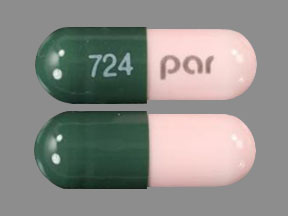
Hydroxyurea (Monograph)
Brand names: Droxia, Hydrea
Drug class: Antineoplastic Agents
Warning
- Toxicity
-
Highly toxic drug with a low therapeutic index.
-
Possible severe, sometimes life-threatening or fatal, adverse effects.
- Limit to Qualified Personnel
-
Administer only under supervision of qualified clinicians experienced in use of cytotoxic therapy. (See Adequate Patient Evaluation and Monitoring under Cautions.)
- Carcinogenicity
-
Hydroxyurea is genotoxic and is a presumed human carcinogen; also, mutagenic and clastogenic in vitro.
-
Secondary leukemias have been reported in patients receiving long-term therapy for myeloproliferative disorders (e.g., polycythemia vera, thrombocythemia).
-
Carefully consider risks of developing secondary malignancies against the benefits of therapy. (See Carcinogenicity under Cautions.)
Introduction
Antineoplastic agent; exhibits beneficial effects against sickle cell anemia; exhibits antiviral activity.
Uses for Hydroxyurea
Chronic Myelogenous Leukemia
Treatment of resistant chronic myelogenous leukemia (CML).
Used as an alternative agent for the palliative treatment of chronic-phase CML in patients who cannot undergo allogeneic bone marrow or stem cell transplantation; superior to busulfan for the palliative treatment of CML.
Used as an alternative agent for the palliative treatment of the accelerated phase of CML.
Used to reduce WBC count prior to bone marrow transplantation or initiation of interferon alfa therapy.
Sickle Cell Anemia
Palliative treatment of sickle cell anemia generally in patients with recurrent moderate to severe painful crises occurring on at least 3 occasions during the preceding 12 months (designated an orphan drug by FDA for this use).
Therapy is prophylactic; the drug has no role in the treatment of a crisis in progress.
Polycythemia Vera
Management of polycythemia vera† [off-label] including use as an adjunct to intermittent phlebotomy.
Cervical Cancer
Has been used for treatment of cervical cancer† [off-label]; however, other agents are considered more effective.
Head and Neck Cancer
Has been used in combination with radiation therapy for local control of primary squamous cell (epidermoid) carcinoma of the head and neck, excluding the lip.
Melanoma
Has been used for treatment of melanoma; however, other agents are preferred.
Ovarian Cancer
Has been used for treatment of recurrent, metastatic, or inoperable ovarian cancer; however, other agents are preferred.
Hydroxyurea Dosage and Administration
General
-
Consult specialized references for procedures for proper handling and disposal of antineoplastic drugs.
-
Individualize dosage according to actual or ideal body weight, whichever is less.
-
Consult published protocols for the dosage of hydroxyurea and other chemotherapeutic agents and the method and sequence of administration.
Chronic Myelogenous Leukemia
-
An adequate trial period for determining the antineoplastic effectiveness is 6 weeks.
Sickle Cell Anemia
-
Following initiation of therapy, monitor patient's blood cell count every 2 weeks and adjust dosage accordingly. (See Dosage under Dosage and Administration.)
-
Some clinicians perform less frequent monitoring (e.g., weekly until stabilization occurs and then every 2 weeks for the initial months of therapy, followed by monthly or less frequent monitoring once response has been established) when the drug is used chronically and dosage is titrated carefully for sickle cell anemia.
Polycythemia Vera
-
Individualize dosage according to hematocrit response (usually to less than 45–50%) and hematologic tolerance of the patient.
-
Supplemental phlebotomy can be performed as necessary to control hematocrit.
Administration
Administer orally.
If the patient is unable to swallow the commercially available capsules, the contents may be emptied into a glass of water and administered immediately.
Handle the drug with care; the powder should not be allowed to come in contact with skin or mucous membranes. To minimize risk of exposure, wear impervious gloves at all times when handling the drug or bottles containing the drug, including unpacking and inspection, transport within a facility, dose preparation, and dose administration. Wash hands before and after contact with the drug or bottles containing the drug. If the contents of the capsule are spilled, wipe the powder immediately with a damp disposable towel and discard in a closed container. Caution patients on proper handling, storage, and disposal of the drug.
Extemporaneously Compounded Oral Solution
An extemporaneously compounded oral solution of hydroxyurea has been prepared using the commercially available capsules and a flavored syrup.
Standardize 4 Safety
Standardized concentrations for an extemporaneously prepared oral solution of hydroxyurea have been established through Standardize 4 Safety (S4S), a national patient safety initiative to reduce medication errors, especially during transitions of care. Because recommendations from the S4S panels may differ from the manufacturer’s prescribing information, caution is advised when using concentrations that differ from labeling, particularly when using rate information from the label. For additional information on S4S (including updates that may be available), see [Web].
|
Concentration Standards |
|---|
|
100 mg/mL |
Dosage
Adults
Chronic Myelogenous Leukemia
Oral
20–30 mg/kg as a single dose daily.
Continue therapy indefinitely in patients who show regression or arrest of tumor growth.
Solid Tumors
Oral
80 mg/kg as a single dose every third day. Alternatively, 20–30 mg/kg as a single dose daily.
Head and Neck Cancer
Oral
80 mg/kg as a single dose every third day.
Administration should begin at least 7 days before initiation of radiation therapy; continue during irradiation as well as afterward provided patient is closely monitored and no unusual or severe reactions occur.
Sickle Cell Anemia
Oral
Initially, 15 mg/kg as a single dose.
Adjust dosage according to patient's blood cell count. If blood cell count is in an acceptable range, dosage may be increased in increments of 5 mg/kg daily once every 12 weeks to a maximum tolerated dosage of up to 35 mg/kg daily. Dosage should not be increased if blood cell counts are between the acceptable range and the toxic range.
If blood cell count is in the toxic range, discontinue hydroxyurea until hematologic recovery occurs; treatment may then be resumed at a reduced daily dose. (See Hematologic Toxicity under Dosage and Administration.)
Polycythemia Vera† [off-label]
Oral
Initially, 15–20 mg/kg daily.
Most adults respond adequately to dosages of 500 mg to 1 g daily; some patients may respond to as little as 1.5–2 g weekly (along with occasional phlebotomy), while others may require dosages as high as 1.5–2 g or more daily.
Dosage Modification for Toxicity
Hematologic Toxicity
In patients receiving hydroxyurea for antineoplastic therapy, withhold therapy when leukocyte count is <2500/mm3 or platelet count is <100,000/mm3. Reevaluate leukocyte and platelet counts after 3 days; therapy may be resumed when the counts return to acceptable levels. Severe anemia may be managed without interrupting hydroxyurea therapy.
If hematologic recovery does not occur promptly during combined hydroxyurea and radiation therapy, irradiation may be interrupted.
In patients receiving hydroxyurea for sickle cell anemia, withhold therapy when neutrophil count is <2000/mm3, the platelet count is <80,000/mm3, the hemoglobin concentration is <4.5 g/dL, or the reticulocyte count is <80,000/mm3 with a hemoglobin concentration of <9 g/dL. Following hematologic recovery, resume therapy at a reduced daily dose of 2.5 mg/kg less than the dose that resulted in toxicity. Resume titration of the dosage by increasing or decreasing the daily dose in increments of 2.5 mg/kg once every 12 weeks to a maximum tolerated dosage (up to 35 mg/kg daily) at which the patient does not experience hematologic toxicity during 24 consecutive weeks of therapy. Further attempts should not be made to titrate to a dosage level that resulted in hematologic toxicity during 2 separate periods of dosage adjustment.
GI Toxicity
Temporarily discontinue hydroxyurea if severe gastric distress (e.g., nausea, vomiting, anorexia) resulting from combined hydroxyurea and radiation therapy occurs.
Dermatologic Toxicity
Discontinue hydroxyurea if cutaneous vasculitic toxicity (e.g., vasculitic ulcerations, gangrene) occurs in patients with myeloproliferative disorders; initiate alternative cytoreductive agents as clinically indicated.
Prescribing Limits
Adults
Sickle Cell Anemia
Oral
Maximum 35 mg/kg daily.
Special Populations
Hepatic Impairment
No specific dosage adjustment recommended, however close monitoring of hematologic parameters is recommended.
Renal Impairment
Dosage reduction may be necessary; close monitoring of hematologic parameters recommended.
Sickle Cell Anemia
Oral
If Clcr ≥60 mL/min, reduce initial dosage to 15 mg/kg daily.
If Clcr is <60 mL/min, reduce initial dosage to 7.5 mg/kg daily.
For hemodialysis patients, administer 7.5 mg/kg following dialysis.
Geriatric Patients
Careful dosage selection recommended due to possible age-related decrease in renal function; lower dosages may be required. (See Renal Impairment under Dosage and Administration.)
Cautions for Hydroxyurea
Contraindications
-
Marked bone marrow depression. (See Hematologic Effects under Cautions.)
-
Known hypersensitivity to hydroxyurea or any component of the formulation.
Warnings/Precautions
Warnings
Hematologic Effects
Risk of bone marrow depression (manifested commonly as leukopenia and less commonly as thrombocytopenia and anemia); usually reversible following discontinuance of the drug.
Do not initiate therapy for neoplasms in patients with myelosuppression (i.e., leukocyte count <2500/mm3, platelet count <100,000/mm3, or severe anemia).
Do not initiate therapy for sickle cell anemia in patients with myelosuppression (i.e., neutrophil count <2000/mm3, platelet count <80,000/mm3, hemoglobin concentration <4.5 g/dL, or reticulocyte count <80,000/mm3 with a hemoglobin concentration of <9 g/dL).
Prior Irradiation or Myelosuppressive Therapy
Possible additive myelosuppressive effects; use with caution in patients who have recently received other cytotoxic drugs or radiation therapy.
Erythrocytic Abnormalities
Possible self-limiting megaloblastic erythropoiesis; resembles pernicious anemia but not related to vitamin B12 or folic acid deficiency. Often occurs soon after initiation of therapy and becomes less pronounced as therapy continues.
Hydroxyurea may delay plasma iron clearance and reduce the rate of iron utilization by the erythrocytes; red blood cell survival time not altered.
Hydroxyurea-induced macrocytosis may mask incidental folic acid deficiency; prophylactic administration of folic acid recommended.
Patients with HIV Infection
Potentially fatal pancreatitis and hepatotoxicity and potentially severe peripheral neuropathy reported in patients with HIV infection receiving concomitant therapy with antiretroviral agents. (See Specific Drugs under Interactions.)
Use of hydroxyurea in combination with antiretroviral agents is not recommended. Close monitoring for clinical manifestations of pancreatitis and hepatotoxicity is necessary in patients with HIV infection receiving hydroxyurea, especially when the drug is administered in combination with didanosine and/or stavudine. Permanently discontinue hydroxyurea if signs and/or symptoms of pancreatitis or hepatotoxicity develop.
Carcinogenicity
Possible leukemia or secondary malignancies; assess risk/benefits of therapy for nonmalignant disease (e.g., sickle cell anemia, polycythemia vera).
Skin cancer has been reported in patients receiving long-term therapy.
Fetal/Neonatal Morbidity and Mortality
May cause fetal harm; teratogenicity and embryotoxicity demonstrated in animals.
Use during pregnancy only in life-threatening situations or severe disease for which safer drugs cannot be used or are ineffective. If used during pregnancy or patient becomes pregnant, apprise of potential fetal hazard.
Cutaneous Vasculitic Toxicity
Potentially severe cutaneous vasculitic toxicities (e.g., vasculitic ulcerations, gangrene) reported in patients with myeloproliferative disorders; reported most often in patients with a history of, or concomitantly receiving, interferon therapy.
If cutaneous vasculitic ulcerations occur, discontinue hydroxyurea therapy and initiate alternative cytoreductive therapy as indicated.
General Precautions
Adequate Patient Evaluation and Monitoring
Highly toxic drug with a low therapeutic index; therapeutic response is not likely to occur without some evidence of toxicity. Administer only under constant supervision by clinicians experienced in therapy with cytotoxic agents or the use of this agent for sickle cell anemia.
Monitor hematologic status carefully before initiation of therapy and repeatedly during therapy. Perform blood counts (e.g., hemoglobin, total leukocyte counts, platelet counts, reticulocyte counts) at least weekly during therapy for neoplasms and at least every 2 weeks during therapy for sickle cell anemia; bone marrow examination also may be necessary.
Evaluate renal and hepatic function before initiation of therapy and check repeatedly during therapy.
Impairment of Fertility
Testicular atrophy, decreased spermatogenesis, and reduced ability to impregnate females were observed in male rats.
Specific Populations
Pregnancy
Category D.
Lactation
Distributed into milk. Discontinue nursing or the drug.
Pediatric Use
Safety and efficacy not established.
Geriatric Use
Possibility exists of greater sensitivity to the drug in some geriatric individuals. Select dosage with caution. (See Geriatric Patients under Dosage and Administration.)
Substantially eliminated by kidneys; assess renal function periodically and select dosage with caution since geriatric patients are more likely to have decreased renal function.
Pharmacokinetics not evaluated in geriatric patients.
Hepatic Impairment
Possible decreased elimination; close monitoring of hematologic parameters is recommended.
Renal Impairment
Substantially eliminated by kidneys; increased risk of toxicity. Use with caution.
Possible decreased elimination; reduced dosage and close monitoring of hematologic parameters is recommended. (See Renal Impairment under Dosage and Administration.)
Common Adverse Effects
Bone marrow suppression.
Drug Interactions
Specific Drugs
|
Drug |
Interaction |
Comments |
|---|---|---|
|
Antiretroviral agents (didanosine, stavudine) |
Potentially fatal pancreatitis and hepatotoxicity reported in patients with HIV infection receiving concomitant therapy |
Concomitant use is not recommended; if used, close monitoring for clinical manifestations of pancreatitis and hepatotoxicity is necessary |
|
Interferon |
Potentially severe cutaneous vasculitic toxicities reported in patients with myeloproliferative disorders with a history of, or concomitantly receiving, interferon therapy |
Discontinue hydroxyurea if cutaneous vasculitic ulcerations occur (see Cutaneous Vasculitic Toxicity under Cautions) |
|
Myelosuppressive agents |
Possible additive bone marrow depression |
Dosage adjustment may be required |
|
Uricosuric agents |
Potential increased serum uric acid concentrations |
Dosage adjustment of uricosuric agent may be required |
Hydroxyurea Pharmacokinetics
Absorption
Bioavailability
Readily absorbed from the GI tract.
Peak serum concentrations are attained within 1–4 hours following oral administration.
Food
Effect of food on absorption is not known.
Distribution
Extent
Rapidly distributed throughout the body; concentrates in leukocytes and erythrocytes. Crosses the blood-brain barrier and is distributed into ascitic fluid.
Hydroxyurea crosses the placenta and is distributed into milk.
Elimination
Metabolism
Up to 50% of an orally administered dose is metabolized in the liver; however, precise metabolic pathways not determined.
Elimination Route
Nonlinear excretion via 2 separate routes: A saturable pathway most likely involving hepatic metabolism, and a linear pathway involving first-order renal excretion.
Special Populations
Renal and/or hepatic impairment may decrease elimination.
Stability
Storage
Oral
Capsules
Tight, light-resistant containers at 25°C.
Store out of reach of children and pets.
Actions
-
Exact mechanism of antineoplastic activity not known; appears to interfere with the synthesis of DNA without interfering with the synthesis of RNA or protein.
-
Inhibits the incorporation of thymidine into DNA; also may directly damage DNA.
Destroys the tyrosyl free radical that is formed as the catalytic center of ribonucleoside diphosphate reductase, the enzyme that catalyzes the reductive conversion of ribonucleotides to deoxyribonucleotides; this conversion is a critical and probably rate-limiting step in the synthesis of DNA.
-
An S-phase inhibitor; may cause cells to arrest at the G1—S border, decreases the rate of cell progression into the S phase, and/or causes cells to accumulate in the S phase as a result of inhibiting DNA synthesis.
-
Cytotoxic effects are limited to those tissues with high rates of cellular proliferation; effects are evident only in those cells that are actively synthesizing DNA.
-
Stimulates production and increases concentrations of fetal hemoglobin (HbF).
-
May interfere with the polymerization of hemoglobin S (Hb S) and diminish some of the manifestations of sickle cell disease.
-
Increases water content and secondarily increases deformability of red blood cells; alters the permeability of vascular endothelial cells and decreases adhesion of red blood cells to these cells; and alters properties of red blood cell membranes.
Advice to Patients
-
Importance of close medical supervision in patients receiving hydroxyurea.
-
Importance of informing patients on proper handling, storage, and disposal of the drug, and that hydroxyurea capsules must be handled with care.
-
Importance of informing patients that hydroxyurea powder (contained in the capsules) should not be allowed to come in contact with skin or mucous membranes. To decrease risk of exposure, disposable gloves should be worn when patients handle the drug or bottles containing the drug and patients should wash their hands before and after contact with the bottle or capsules.
-
Importance of informing patients that if the contents of the capsule are spilled, the powder should be wiped up immediately with a damp disposable towel and discarded in a closed container (e.g., plastic bag).
-
Importance of contacting clinician for instructions on how to discard unused or expired drug.
-
Importance of informing patients that the capsules should be stored out of reach of children and pets.
-
Importance of informing patients of the increased risk of a secondary malignancy associated with use of the drug.
-
Importance of informing clinicians of existing or contemplated concomitant therapy, including prescription and OTC drugs as well as any concomitant illnesses.
-
Importance of women informing clinicians if they are or plan to become pregnant or plan to breast-feed; necessity for clinicians to advise women to avoid pregnancy during therapy; advise pregnant women of risk to the fetus.
-
Importance of informing patients of other important precautionary information. (See Cautions.)
Additional Information
The American Society of Health-System Pharmacists, Inc. represents that the information provided in the accompanying monograph was formulated with a reasonable standard of care, and in conformity with professional standards in the field. Readers are advised that decisions regarding use of drugs are complex medical decisions requiring the independent, informed decision of an appropriate health care professional, and that the information contained in the monograph is provided for informational purposes only. The manufacturer’s labeling should be consulted for more detailed information. The American Society of Health-System Pharmacists, Inc. does not endorse or recommend the use of any drug. The information contained in the monograph is not a substitute for medical care. For further information on the handling of antineoplastic agents, see the ASHP Guidelines on Handling Hazardous Drugs at [Web].
Preparations
Excipients in commercially available drug preparations may have clinically important effects in some individuals; consult specific product labeling for details.
Please refer to the ASHP Drug Shortages Resource Center for information on shortages of one or more of these preparations.
* available from one or more manufacturer, distributor, and/or repackager by generic (nonproprietary) name
|
Routes |
Dosage Forms |
Strengths |
Brand Names |
Manufacturer |
|---|---|---|---|---|
|
Oral |
Capsules |
200 mg |
Droxia |
Bristol-Myers Squibb |
|
250 mg |
Hydroxyurea Capsules |
|||
|
300 mg |
Droxia |
Bristol-Myers Squibb |
||
|
400 mg |
Droxia |
Bristol-Myers Squibb |
||
|
500 mg* |
Hydrea |
Bristol-Myers Squibb |
||
|
Hydroxyurea Capsules |
AHFS DI Essentials™. © Copyright 2025, Selected Revisions June 10, 2024. American Society of Health-System Pharmacists, Inc., 4500 East-West Highway, Suite 900, Bethesda, Maryland 20814.
† Off-label: Use is not currently included in the labeling approved by the US Food and Drug Administration.
Reload page with references included
Related/similar drugs
More about hydroxyurea
- Check interactions
- Compare alternatives
- Pricing & coupons
- Reviews (48)
- Drug images
- Side effects
- Dosage information
- During pregnancy
- Drug class: antimetabolites
- Breastfeeding
- En español