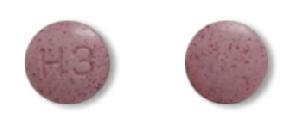
Cyanocobalamin
Medically reviewed by Drugs.com. Last updated on Aug 11, 2025.
Pronunciation
(sye an oh koe BAL a min)
Index Terms
- CaloMist
- Vitamin B12
Dosage Forms
Excipient information presented when available (limited, particularly for generics); consult specific product labeling. [DSC] = Discontinued product
Kit, Injection:
B-12 Compliance Injection: 1000 mcg/mL [contains benzyl alcohol]
Physicians EZ Use B-12: 1000 mcg/mL [contains benzyl alcohol]
Vitamin Deficiency System-B12: 1000 mcg/mL [contains benzyl alcohol]
Liquid, Sublingual:
Generic: 3000 mcg/mL (52 mL)
Lozenge, Oral:
Generic: 50 mcg (100 ea); 100 mcg (100 ea); 250 mcg (100 ea, 250 ea); 500 mcg (100 ea, 250 ea)
Solution, Injection:
Generic: 1000 mcg/mL (1 mL, 10 mL, 30 mL)
Solution, Nasal:
Nascobal: 500 mcg/0.1 mL (1 ea) [contains benzalkonium chloride]
Tablet, Oral:
Generic: 100 mcg, 250 mcg, 500 mcg, 1000 mcg
Tablet, Oral [preservative free]:
Generic: 100 mcg [DSC], 500 mcg [DSC], 1000 mcg
Tablet Extended Release, Oral:
Generic: 1000 mcg
Tablet Sublingual, Sublingual:
Generic: 2500 mcg [DSC]
Tablet Sublingual, Sublingual [preservative free]:
Generic: 2500 mcg
Brand Names: U.S.
- B-12 Compliance Injection
- Nascobal
- Physicians EZ Use B-12
- Vitamin Deficiency System-B12
Pharmacologic Category
- Vitamin, Water Soluble
Pharmacology
Coenzyme for various metabolic functions, including fat and carbohydrate metabolism and protein synthesis, used in cell replication and hematopoiesis
Absorption
Oral: Variable from the terminal ileum; requires the presence of calcium and gastric “intrinsic factor” to transfer the compound across the intestinal mucosa
Distribution
Principally stored in the liver and bone marrow, also stored in the kidneys and adrenals
Metabolism
Converted in tissues to active coenzymes, methylcobalamin and deoxyadenosylcobalamin; undergoes some enterohepatic recycling
Excretion
Urine (50% to 98%, unchanged drug)
Onset of Action
Megaloblastic anemia: IM:
Conversion of megaloblastic to normoblastic erythroid hyperplasia within bone marrow: 8 hours
Increased reticulocytes: 2 to 5 days
Complicated vitamin B12 deficiency: IM, SubQ: Resolution of:
Psychiatric sequelae: 24 hours
Thrombocytopenia: 10 days
Granulocytopenia: 2 weeks
Time to Peak
Serum: IM, SubQ: 30 minutes to 2 hours; Intranasal: 1.25 ± 1.9 hours
Protein Binding
Transcobalamins
Use: Labeled Indications
Vitamin B12 deficiency: Treatment of pernicious anemia, vitamin B12 deficiency due to dietary deficiencies, gastrointestinal malabsorption, folic acid deficiency, parasitic infestation, inadequate secretion of intrinsic factor, and inadequate utilization of B12 (eg, during neoplastic treatment); treatment of increased B12 requirements due to pregnancy, thyrotoxicosis, hemorrhage, malignancy, liver or kidney disease
Off Label Uses
Aphthous ulcers (recurrent)
Data from 2 small studies support the use of cyanocobalamin in reducing the frequency of recurrent aphthous ulcers in patients with normal or low serum vitamin B12 levels at baseline [Gulcan 2008], [Volkov 2009].
Contraindications
Hypersensitivity to cyanocobalamin (vitamin B12), cobalt, or any component of the formulation
Dosing: Adult
Aphthous ulcers, recurrent (off-label use):
Oral (sublingual): 1,000 mcg once every evening for 6 months (Volkov 2009)
IM: 1,000 mcg once daily for 7 days, followed by weekly for 1 month, followed by monthly for 6 months (Gulcan 2008)
Vitamin B12 deficiency: Note: Folic acid supplementation may also be required.
Intranasal (Nascobal): 500 mcg in 1 nostril once weekly; may increase dose if vitamin B12 levels decline after 1 month of treatment. Alternate route (eg, IM, SubQ) should be considered if B12 levels are persistently low.
Oral: 1,000 to 2,000 mcg daily for 1 to 2 weeks; maintenance: 1,000 mcg daily (Langan 2011; Oh 2003)
IM, deep SubQ: May use initial treatment similar to that for pernicious anemia depending on severity of deficiency: 100 mcg daily for 6 to 7 days; if improvement, administer same dose on alternate days for 7 doses, then every 3 to 4 days for 2 to 3 weeks; once hematologic values have returned to normal, maintenance dosage: 100 mcg monthly.
Note: Higher doses may be preferred, especially in cases of severe deficiency; consider alternate dosing regimens with initial doses ranging from 100 to 1,000 mcg every day or every other day for 1 to 2 weeks and maintenance doses of 100 to 1,000 mcg every 1 to 3 months (Oh 2003) or 1,000 mcg once a week for 8 weeks followed by 1,000 mcg once a month (Langan 2011).
Mild B12 deficiency (eg, malabsorption, atrophic gastritis, metformin use, chronic acid reducing medication use):
Oral: 500 to 1,000 mcg orally once daily (Stabler 2013)
IM: 1,000 mcg once daily or every other day for 1 week, then 1,000 mcg weekly for 4 to 8 weeks, and then 1,000 mcg monthly for life (Stabler 2013)
Pernicious anemia:
IM: 1,000 mcg once daily or every other day for 1 week, then 1,000 mcg weekly for 4 to 8 weeks, then 1,000 mcg once monthly for life (Stabler 2013) or 100 to 1,000 mcg every day or every other day for 1 to 2 weeks followed by 100 to 1,000 mcg every 1 to 3 months (Oh 2003) or 1,000 mcg once a week for 8 weeks followed by 1,000 mcg once a month for life (Langan 2011)
Oral: 1,000 to 2,000 mcg once daily for life (Stabler 2013)
IM, deep SubQ: Initial: 100 mcg once daily for 6 to 7 days; if improvement, administer same dose on alternate days for 7 doses, then every 3 to 4 days for 2 to 3 weeks; maintenance (once hematologic values have returned to normal): 100 mcg once monthly for life
Severe B12 deficiency (due to gastrectomy, ileal resection, inflammatory bowel disease, sprue):
IM: 1,000 mcg once daily or every other day for 1 week, then 1,000 mcg weekly for 4 to 8 weeks, then 1,000 mcg once monthly for life (Stabler 2013)
Oral: 1,000 to 2,000 mcg once daily for life (Stabler 2013).
Vitamin B12 repletion in gastric bypass surgery patients: IM or SubQ: 1,000 mcg once daily until normal B12 levels are achieved and then resume supplementations dosage (ASBMS [Parrott 2017]) or 1,000 mcg IM once daily or every other day for 1 week, then 1,000 mcg IM weekly for 4 to 8 weeks, followed by supplementation dosing (Stabler 2013).
Vitamin B12 supplementation in gastric bypass surgery patients:
IM or SubQ: 1,000 mcg once monthly (ASMBS [Parrott 2017]) or 1,000 mcg once monthly to 1,000 to 3,000 mcg once every 6 to 12 months (if oral or intranasal therapy are ineffective) (AACE/TOS/ACE [Mechanick 2013]) or 1,000 mcg IM once monthly for life (Stabler 2013).
Oral: 350 to 500 mcg (disintegrating tablet, sublingual, or liquid) once daily (ASMBS [Parrott 2017]) or ≥1,000 mcg once daily (AACE/TOS/ACE [Mechanick 2013]) or 1,000 to 2,000 mcg orally once daily for life (Stabler 2013)
Intranasal: 500 mcg in one nostril once weekly (ASMBS [Parrott 2017]; AACE/TOS/ACE [Mechanick 2013]).
Vitamin B12 supplementation to reduce toxicity associated with pemetrexed: IM: 1,000 mcg every 9 weeks, beginning 1 to 3 weeks prior to pemetrexed treatment initiation; continue for 3 weeks after last pemetrexed dose; administer with oral folic acid supplementation (Scagliotti 2008; Vogelzang 2003); may administer cyanocobalamin on the same day as pemetrexed.
Vitamin B12 supplementation to reduce toxicity associated with pralatrexate: IM: 1,000 mcg every 8 to 10 weeks; administer with oral folic acid supplementation (O'Connor 2011); begin cyanocobalamin within 10 weeks prior to pralatrexate treatment initiation. After the initial dose, may administer cyanocobalamin on the same day as pralatrexate.
Dosing: Geriatric
Refer to adult dosing.
Dosing: Pediatric
Pernicious anemia: Note: Concurrent folic acid supplementation may also be needed.
Manufacturer's labeling: Infants, Children, and Adolescents: IM, SubQ: 100 mcg once daily for 6 to 7 days; if improvement occurs, administer 100 mcg on alternate days for 7 doses, then every 3 to 4 days for 2 to 3 weeks; once hematologic values have returned to normal, maintenance dose: 100 mcg monthly
Alternate dosing: Limited data available: Infants, Children, and Adolescents: IM, SubQ: Initial: 1,000 mcg/day for 2 to 7 days based upon clinical response; followed by 100 mcg once weekly for 4 weeks and then maintenance dose: 100 mcg/month; for severe anemia, a lower initial dose of 0.2 mcg/kg/dose for 2 days followed by the above regimen has been recommended due to potential hypokalemia observed during initial treatment of adults with severe anemia (Orkin 2015; Rasmussen 2001; Stabler 2013); however, in more recent experience, while some adult patients may experience hypokalemia with initial treatment, this is unlikely to be clinically significant (Carmel 2008). For infants and young children, some experts have recommended doses as low as 50 to 100 mcg (Orkin 2015).
Vitamin B12 deficiency, severe: Limited data available; dosing regimens variable:
Dietary deficiency: Infants (breastfed with vitamin B12 deficient mothers): IM: 250 to 1,000 mcg once daily for 1 to 2 weeks, followed by weekly dosing until patient recovers (Stabler 2013); patients with neurologic symptoms have been treated with doses of 1,000 mcg (Guez 2012; Roumeliotis 2012)
Malabsorption: Infants, Children, and Adolescents: IM: 250 to 1,000 mcg daily or every other day for 1 week, then weekly for 4 to 8 weeks, and then monthly for life; younger children should receive monthly doses of 100 mcg (Bjørke-Monsen 2011; Kliegman 2016; Stabler 2013). For infants and young children, some experts have recommended doses as low as 50 to 100 mcg (Orkin 2015).
Administration
IM, SubQ: IM or deep SubQ are the preferred routes of administration. IV administration is not recommended.
Intranasal: Nasal spray (Nascobal): Administer 1 hour before or 1 hour after ingestion of hot foods/liquids.
Oral: Not generally recommended due to variable absorption; however, oral therapy in appropriate doses has been effective for anemia if IM/SubQ routes refused or not tolerated. Some tablets are available for sublingual administration.
Bariatric surgery: Tablet, extended release: Some institutions may have specific protocols that conflict with these recommendations; refer to institutional protocols as appropriate. Do not cut, crush, or chew. Switch to an IR tablet, chewable tablet, orally disintegrating or sublingual tablet, oral solution drops, or a nonoral formulation such as injection or nasal spray.
Dietary Considerations
Strict vegetarian diets (eg, without eggs or dairy products) may result in vitamin B12 deficiency.
Adequate intake (IOM 1998):
1 to 6 months: 0.4 mcg daily
7 to 12 months: 0.5 mcg daily
Recommended intake (IOM 1998):
1 to 3 years: 0.9 mcg daily
4 to 8 years: 1.2 mcg daily
9 to 13 years: 1.8 mcg daily
≥14 years: 2.4 mcg daily
Pregnancy: 2.6 mcg daily
Lactation: 2.8 mcg daily
Storage
Injection: Clear pink to red solutions are stable at room temperature. Protect from light.
Intranasal spray: Store at 15°C to 30°C (59°F to 86°F); do not freeze. Protect from light.
Drug Interactions
Chloramphenicol (Systemic): May diminish the therapeutic effect of Vitamin B12. Monitor therapy
Colchicine: May decrease the serum concentration of Cyanocobalamin. Monitor therapy
Test Interactions
Methotrexate, pyrimethamine, and most antibiotics invalidate folic acid and vitamin B12 diagnostic blood assays
Adverse Reactions
The following adverse drug reactions and incidences are derived from product labeling unless otherwise specified.
>10%:
Central nervous system: Headache (IM: 20%; intranasal: 4%)
Infection: Infection (12% to 13%)
Neuromuscular & skeletal: Asthenia (IM: 16%; intranasal: 4%)
1% to 10%:
Central nervous system: Paresthesia (4%)
Gastrointestinal: Glossitis (nasal: 4%), nausea (4%)
Respiratory: Rhinitis (4% to 8%)
Frequency not defined:
Cardiovascular: Cardiac failure, thrombosis (peripheral)
Dermatologic: Pruritus, skin rash (transient)
Endocrine & metabolic: Hypokalemia
Gastrointestinal: Diarrhea
Hematologic & oncologic: Polycythemia vera, thrombocythemia
Hypersensitivity: Anaphylactic shock (IM/SubQ)
Respiratory: Pulmonary edema
Miscellaneous: Swelling
Related/similar drugs
Warnings/Precautions
Concerns related to adverse effects:
• CNS effects: Vitamin B12 deficiency for >3 months results in irreversible degenerative CNS lesions; neurologic manifestations will not be prevented with folic acid unless vitamin B12 is also given. Spinal cord degeneration might also occur when folic acid used as a substitute for vitamin B12 in anemia prevention.
• Hypokalemia: According to the manufacturer, treatment of severe vitamin B12 megaloblastic anemia may result in severe hypokalemia, sometimes fatal, due to intracellular potassium shift upon anemia resolution; however, in more recent experience, while some patients may experience hypokalemia with initial treatment, this is unlikely to be clinically significant (Carmel 2008).
• Thrombocytosis: Treatment of severe vitamin B12 megaloblastic anemia may result in thrombocytosis.
Disease-related concerns:
• Leber disease: Patients with Leber disease who received B12 treatment have suffered from severe rapid optic atrophy. Use of cyanocobalamin in these patients is not recommended.
• Megaloblastic anemia: Vitamin B12 doses >10 mcg daily may produce a hematologic response in patients with folate deficient megaloblastic anemia and mask previously unrecognized folate deficiency; vitamin B12 is not a substitute for folic acid.
• Pernicious anemia: Appropriate use: IM/SubQ routes are used to treat pernicious anemia; oral and intranasal administration are not indicated until hematologic remission and no signs of nervous system involvement.
• Polycythemia vera: Vitamin B12 deficiency masks signs of polycythemia vera; vitamin B12 administration may unmask this condition.
Dosage form specific issues:
• Aluminum: The parenteral product may contain aluminum; toxic aluminum concentrations may be seen with high doses, prolonged use, or renal dysfunction. Premature neonates are at higher risk due to immature renal function and aluminum intake from other parenteral sources. Parenteral aluminum exposure of >4 to 5 mcg/kg/day is associated with CNS and bone toxicity; tissue loading may occur at lower doses (Federal Register, 2002). See manufacturer's labeling.
• Benzyl alcohol and derivatives: Some dosage forms may contain benzyl alcohol; large amounts of benzyl alcohol (≥99 mg/kg/day) have been associated with a potentially fatal toxicity (“gasping syndrome”) in neonates; the “gasping syndrome” consists of metabolic acidosis, respiratory distress, gasping respirations, CNS dysfunction (including convulsions, intracranial hemorrhage), hypotension and cardiovascular collapse (AAP ["Inactive" 1997]; CDC 1982); some data suggests that benzoate displaces bilirubin from protein binding sites (Ahlfors 2001); avoid or use dosage forms containing benzyl alcohol with caution in neonates. See manufacturer's labeling.
• Intranasal administration: The effectiveness of intranasal cyanocobalamin in patients with allergic rhinitis, nasal congestion, and upper respiratory tract infections has not been determined. Defer treatment until symptoms have subsided.
Other warnings/precautions:
• IV administration: Avoid intravenous route; anaphylactic shock has occurred.
• Test dose: Intradermal test dose of vitamin B12 is recommended for any patient suspected of cyanocobalamin hypersensitivity prior to intranasal or injectable administration.
Monitoring Parameters
Vitamin B12, hemoglobin, hematocrit, erythrocyte and reticulocyte count; folate and iron levels should be obtained prior to treatment; vitamin B12 and peripheral blood counts should be monitored 1 month after beginning treatment (and vitamin B12 1 month after each dosage adjustment if using intranasal formulation), then every 3 to 6 months thereafter.
Evaluate serum methylmalonic acid and total homocysteine levels at baseline (prior to supplementation) in untreated patients to confirm vitamin B12 deficiency (and extent of deficiency); repeat to confirm adequate supplementation (Stabler 2013).
Megaloblastic/pernicious anemia: In addition to normal hematological parameters, serum potassium and platelet counts should be monitored during therapy. Note: Some patients may develop hypokalemia during initial treatment; however, this is unlikely to be clinically significant (Carmel 2008).
Bariatric surgery: Vitamin B12 levels at baseline and once a year postoperatively then every 3 to 6 months if supplemented; every trimester in pregnant females (Mechanick 2013). In patients on chronic administration of medications known to increase risk of B12 deficiency (eg, colchicine, metformin, neomycin, nitrous oxide, proton pump inhibitors, seizure medication), screen every 3 months for the initial postoperative year and then annually (Parrott 2017). Serum methylmalonic acid (MMA) is the recommended assay to evaluate vitamin B12 levels for patients who are asymptomatic, symptomatic, have a history of B12 deficiency, or preexisting neuropathy (Parrott 2017). Monitor for early signs/symptoms of B12 deficiency, including pernicious anemia (pale skin/eyes, glossitis, fatigue, anorexia, diarrhea) or neuropathy (numbness, paresthesia in extremities, ataxia, decreased reflexes), lightheadedness or vertigo, dyspnea, tinnitus, palpitations, and /or increased HR; monitor for advanced signs/symptoms of B12 deficiency, including angina, HF symptoms and/or mental status changes (Parrott 2017).
Pregnancy Considerations
Water soluble vitamins cross the placenta. Absorption of vitamin B12 may increase during pregnancy. Vitamin B12 requirements may be increased in pregnant women compared to nonpregnant women. Serum concentrations of vitamin B12 are higher in the neonate at birth than the mother (IOM 1998).
Patient Education
What is this drug used for?
• It is used to help with some kinds of anemia.
• It is used to treat or prevent low vitamin B12.
• It may be given to you for other reasons. Talk with the doctor.
All drugs may cause side effects. However, many people have no side effects or only have minor side effects. Call your doctor or get medical help if any of these side effects or any other side effects bother you or do not go away:
• Dizziness
• Headache
• Loss of strength and energy
• Anxiety
• Joint pain
• Common cold symptoms
• Nose irritation
• Throat irritation
• Diarrhea
• Vomiting
• Nausea
WARNING/CAUTION: Even though it may be rare, some people may have very bad and sometimes deadly side effects when taking a drug. Tell your doctor or get medical help right away if you have any of the following signs or symptoms that may be related to a very bad side effect:
• Low potassium like muscle pain or weakness, muscle cramps, or an abnormal heartbeat
• Swelling, warmth, numbness, change of color, or pain in a leg or arm
• Vision changes
• Shortness of breath
• Burning or numbness feeling
• Excessive weight gain
• Change in balance
• Swelling of arms or legs
• Signs of an allergic reaction, like rash; hives; itching; red, swollen, blistered, or peeling skin with or without fever; wheezing; tightness in the chest or throat; trouble breathing, swallowing, or talking; unusual hoarseness; or swelling of the mouth, face, lips, tongue, or throat.
Note: This is not a comprehensive list of all side effects. Talk to your doctor if you have questions.
Consumer Information Use and Disclaimer: This information should not be used to decide whether or not to take this medicine or any other medicine. Only the healthcare provider has the knowledge and training to decide which medicines are right for a specific patient. This information does not endorse any medicine as safe, effective, or approved for treating any patient or health condition. This is only a limited summary of general information about the medicine’s uses from the patient education leaflet and is not intended to be comprehensive. This limited summary does NOT include all information available about the possible uses, directions, warnings, precautions, interactions, adverse effects, or risks that may apply to this medicine. This information is not intended to provide medical advice, diagnosis or treatment and does not replace information you receive from the healthcare provider. For a more detailed summary of information about the risks and benefits of using this medicine, please speak with your healthcare provider and review the entire patient education leaflet.
More about cyanocobalamin
- Check interactions
- Compare alternatives
- Pricing & coupons
- Reviews (30)
- Drug images
- Side effects
- Dosage information
- During pregnancy
- Drug class: vitamins
Patient resources
- Vitamin B12 Injection drug information
- Cyanocobalamin
- Cyanocobalamin injection
- Cyanocobalamin nasal
- Cyanocobalamin (Intramuscular) (Advanced Reading)
Other brands
Vitamin B12, Neuroforte-R, CaloMist, Nascobal, ... +4 more
Professional resources
Other brands
Related treatment guides
Further information
Always consult your healthcare provider to ensure the information displayed on this page applies to your personal circumstances.