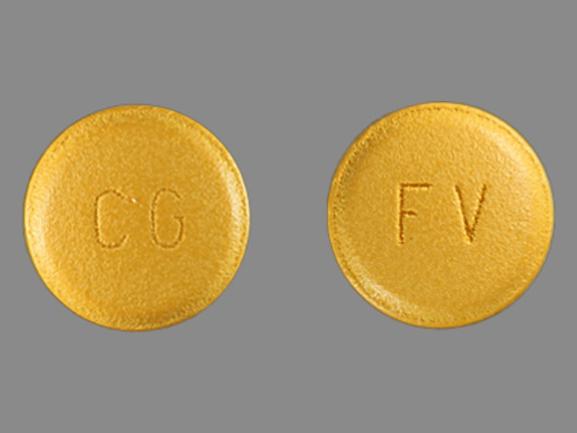
Femara
Generic name: letrozole [ LET-roe-zol ]
Drug classes: Aromatase inhibitors, Hormones / antineoplastics
What is Femara?
Femara lowers estrogen levels in postmenopausal women, which may slow the growth of certain types of breast tumors that need estrogen to grow in the body.
Femara is used to treat breast cancer in postmenopausal women. It is often given to women who have been taking tamoxifen (Nolvadex, Soltamox) for 5 years.
Warnings
Femara can harm an unborn baby or cause birth defects. Do not use if you are pregnant.
Before taking Femara, tell your doctor if you have osteoporosis, high cholesterol, or liver disease (especially cirrhosis).
Femara may impair your thinking or reactions. Be careful if you drive or do anything that requires you to be alert. To be sure this medicine is helping your condition, your blood may need to be tested often. Your bone mineral density may also need to be checked. Visit your doctor regularly.
Tell your doctor about all other medicines you use, especially tamoxifen (Soltamox).
Before taking this medicine
You should not use Femara if you are allergic to letrozole, or if you have:
-
if you have not gone completely through menopause; or
-
you are pregnant.
Femara is for use only in women who can no longer get pregnant. Letrozole can harm an unborn baby. Do not use letrozole if you are pregnant. Use effective birth control if you are not past menopause. Keep using birth control for at least 3 weeks after your last dose of Femara. Tell your doctor if you think you may be pregnant.
To make sure this medicine is safe for you, tell your doctor if you have:
-
liver disease (especially cirrhosis);
-
osteoporosis, osteopenia (low bone mineral density);
-
high cholesterol; or
-
if you also take tamoxifen.
You should not breastfeed while you are using letrozole and for at least 3 weeks after your last dose.
How should I take Femara?
Femara is usually taken once per day, or once every other day. Follow all directions on your prescription label. Do not take this medicine in larger or smaller amounts or for longer than recommended.
You may take this medicine with or without food.
While using Femara, you may need frequent medical tests and your bone mineral density may also need to be checked.
Store at room temperature away from moisture and heat.
Dosing information
Usual Adult Dose for Breast Cancer:
For use as first-line treatment of postmenopausal women with hormone receptor positive or hormone receptor unknown locally advanced or metastatic breast cancer. Femara is also indicated for the treatment of advanced breast cancer in postmenopausal women with disease progression following antiestrogen therapy: 2.5 mg tablet orally administered once a day without regard to meals.
In patients with advanced disease, Letrozole therapy should continue until tumor progression is evident.
Usual Adult Dose for Breast Cancer - Adjuvant:
For use as extended adjuvant treatment of early breast cancer in postmenopausal women who have received 5 years of adjuvant tamoxifen therapy: 2.5 mg tablet orally administered once a day without regard to meals.
The optimal duration of treatment with Femara is not known. Treatment should be discontinued if there is a tumor relapse.
What happens if I miss a dose?
Take the missed dose as soon as you remember. Skip the missed dose if it is almost time for your next scheduled dose. Do not take extra medicine to make up the missed dose.
What happens if I overdose?
Seek emergency medical attention or call the Poison Help line at 1-800-222-1222.
What to avoid
Avoid driving or performing any hazardous activities until you know how this medicine will affect you. Your reactions could be impaired.
Femara side effects
Get emergency medical help if you have signs of an allergic reaction to Femara: hives; difficult breathing; swelling of your face, lips, tongue, or throat.
Common Femara side effects may include:
-
hot flashes, warmth or redness in your face or chest;
-
headache, dizziness, weakness;
-
bone pain, muscle or joint pain;
-
swelling, weight gain;
-
increased sweating; or
-
increased cholesterol in your blood.
This is not a complete list of side effects and others may occur. Call your doctor for medical advice about side effects. You may report side effects to FDA at 1-800-FDA-1088.
Related/similar drugs
What other drugs will affect Femara?
Other drugs may interact with letrozole, including prescription and over-the-counter medicines, vitamins, and herbal products. Tell each of your health care providers about all medicines you use now and any medicine you start or stop using.
Popular FAQ
What are the benefits of taking Kisqali and Femara together?
Taking Kisqali and Femara together can benefit patients with specific types of breast cancer because the medications work in different ways. Kisqali blocks the growth of cancer cells, while Femara reduces the amount of estrogen in the body that can fuel cancer growth.
Continue readingMore FAQ
- How does Femara affect your period?
- Can Femara cause twins?
- Does Femara make your hair fall out?
- When do you ovulate on Femara?
- What is the success rate for Femara in breast cancer?
- Which is better - Aromasin or Femara?
- Aromasin vs Femara - how do they compare?
- How do you take Femara? What days do you take it?
More about Femara (letrozole)
- Check interactions
- Compare alternatives
- Pricing & coupons
- Reviews (67)
- Drug images
- Side effects
- Dosage information
- Patient tips
- During pregnancy
- Generic availability
- Support group
- Drug class: aromatase inhibitors
- Breastfeeding
- En español
Professional resources
Related treatment guides
Further information
Remember, keep this and all other medicines out of the reach of children, never share your medicines with others, and use Femara only for the indication prescribed.
Always consult your healthcare provider to ensure the information displayed on this page applies to your personal circumstances.
Copyright 1996-2025 Cerner Multum, Inc. Version: 8.02.