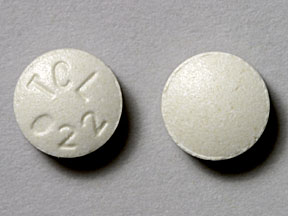
Thyroid desiccated and Alcohol/Food Interactions
There are 3 alcohol/food/lifestyle interactions with thyroid desiccated.
Thyroid Desiccated Multivitamins With Minerals
Moderate Drug Interaction
Using multivitamin with minerals together with thyroid desiccated may decrease the effects of thyroid desiccated. You should separate the administration of thyroid desiccated and multivitamin with minerals by at least 4 hours. If your doctor does prescribe these medications together, you may need a dose adjustment or special test to safely use both medications. It is important to tell your doctor about all other medications you use, including vitamins and herbs. Do not stop using any medications without first talking to your doctor.
Thyroid Desiccated Food
Moderate Food Interaction
The timing of meals relative to your oral thyroid desiccated dose can affect the absorption of the medication. Therefore, thyroid desiccated should be taken on a consistent schedule with regard to time of day and relation to meals to avoid large fluctuations in blood levels, which may alter its effects. In addition, absorption of thyroid desiccated may be decreased and/or delayed by foods such as soybean flour, cotton seed meal, walnuts, dietary fiber, calcium, calcium fortified juices and grapefruit or grapefruit juice. These foods should be avoided within several hours of dosing if possible. It is important to tell your doctor about all other medications you use, including vitamins and herbs. Do not stop using any medications without first talking to your doctor.
Thyroid Desiccated High Blood Pressure (Hypertension)
Major Potential Hazard, High plausibility
thyroid hormones - cardiovascular disease
Thyroid hormones cause increases in myocardial contractility and heart rate as a result of increased metabolic demands and oxygen consumption. Therapy with thyroid hormones should be administered cautiously and initiated at reduced dosages in patients with cardiovascular disorders such as angina, coronary artery disease, and hypertension. Clinical monitoring of cardiovascular function is recommended. If chest pain or exacerbation of cardiovascular disease occurs, the dosage of thyroid hormone should be reduced, even at the expense of achieving euthyroid state. Thyroid hormones should not be administered to patients with an acute myocardial infarction that is not complicated by hypothyroidism.
Thyroid desiccated drug interactions
There are 215 drug interactions with thyroid desiccated.
Thyroid desiccated disease interactions
There are 5 disease interactions with thyroid desiccated which include:
Report options

More about thyroid desiccated
- thyroid desiccated consumer information
- Check interactions
- Compare alternatives
- Pricing & coupons
- Reviews (628)
- Drug images
- Latest FDA alerts (4)
- Side effects
- Dosage information
- During pregnancy
- Drug class: thyroid drugs
- Breastfeeding
- En español
Related treatment guides
Drug Interaction Classification
| Highly clinically significant. Avoid combinations; the risk of the interaction outweighs the benefit. | |
| Moderately clinically significant. Usually avoid combinations; use it only under special circumstances. | |
| Minimally clinically significant. Minimize risk; assess risk and consider an alternative drug, take steps to circumvent the interaction risk and/or institute a monitoring plan. | |
| No interaction information available. |
Further information
Always consult your healthcare provider to ensure the information displayed on this page applies to your personal circumstances.