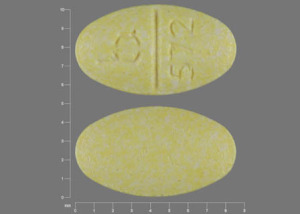
Methotrexate and Alcohol/Food Interactions
There are 3 alcohol/food/lifestyle interactions with methotrexate.
Methotrexate Caffeine
Moderate Drug Interaction
Caffeine may reduce the effectiveness of methotrexate in the treatment of arthritis. If you are receiving methotrexate for arthritis, you may want to limit your intake of caffeine-containing foods and products. Contact your doctor if your symptoms worsen or your condition changes during treatment with these medications. Your doctor may be able to prescribe alternatives that do not interact. It is important to tell your doctor about all other medications you use, including vitamins and herbs. Do not stop using any medications without first talking to your doctor.
Methotrexate Alcohol (Ethanol)
Moderate Drug Interaction
Methotrexate may cause liver problems, and using it with other medications that can also affect the liver such as ethanol (alcohol) may increase that risk. You should avoid or limit the use of alcohol while being treated with these medications. Call your doctor immediately if you have fever, chills, joint pain or swelling, unusual bleeding or bruising, skin rash, itching, loss of appetite, fatigue, nausea, vomiting, abdominal pain, dark urine, pale stools, and/or yellowing of the skin or eyes, as these may be signs and symptoms of liver damage. Talk to your doctor or pharmacist if you have any questions or concerns. It is important to tell your doctor about all other medications you use, including vitamins and herbs. Do not stop using any medications without first talking to your doctor.
Methotrexate Food
Moderate Food Interaction
Caffeine may reduce the effectiveness of methotrexate in the treatment of arthritis. If you are receiving methotrexate for arthritis, you may want to limit your intake of caffeine-containing foods and medications. Check with your doctor or pharmacist if you have concerns or are uncertain what products may contain caffeine.
Switch to professional interaction data
Methotrexate drug interactions
There are 724 drug interactions with methotrexate.
Methotrexate disease interactions
There are 5 disease interactions with methotrexate which include:
Report options

More about methotrexate
- methotrexate consumer information
- Check interactions
- Compare alternatives
- Pricing & coupons
- Reviews (337)
- Drug images
- Side effects
- Dosage information
- Patient tips
- During pregnancy
- Support group
- Drug class: antimetabolites
- Breastfeeding
Related treatment guides
Drug Interaction Classification
| Highly clinically significant. Avoid combinations; the risk of the interaction outweighs the benefit. | |
| Moderately clinically significant. Usually avoid combinations; use it only under special circumstances. | |
| Minimally clinically significant. Minimize risk; assess risk and consider an alternative drug, take steps to circumvent the interaction risk and/or institute a monitoring plan. | |
| No interaction information available. |
See also:
Skyrizi
Skyrizi (risankizumab) is used to treat plaque psoriasis, psoriatic arthritis, ulcerative colitis ...
Verzenio
Verzenio is used to treat early and advanced-stage hormone receptor-positive, HER2-negative breast ...
Otezla
Otezla (apremilast) is used to treat plaque psoriasis, psoriatic arthritis, and oral ulcers ...
Trodelvy
Trodelvy (sacituzumab govitecan) is a targeted therapy used to treat breast cancer (triple-negative ...
Stelara
Stelara (ustekinumab) is used to treat Crohn's disease, ulcerative colitis, plaque psoriasis, and ...
Enhertu
Enhertu is a treatment for breast cancer, stomach cancer, and non-small cell lung cancer with HER2 ...
Taltz
Taltz (ixekizumab) is used to treat plaque psoriasis, psoriatic arthritis, and ankylosing ...
Opdivo Qvantig
Opdivo Qvantig is used to treat adults with melanoma, non-small cell lung cancer, renal cell ...
Rybrevant
Rybrevant is used to treat certain types of non-small cell lung cancer (NSCLC) in adults. It is ...
Further information
Always consult your healthcare provider to ensure the information displayed on this page applies to your personal circumstances.