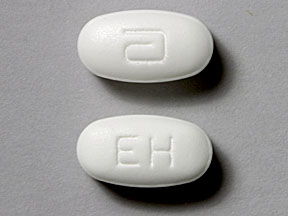
Ery-Tab
Generic name: erythromycin (oral) [ er-ITH-roe-MYE-sin ]
Drug class: Macrolides
What is Ery-Tab?
Ery-Tab is a delayed release tablet containing either 250 mg, 333 mg, or 500 mg of erythromycin as the free base. Erythromycin belongs to a group of drugs called macrolide antibiotics. Macrolide antibiotics slow the growth of, or sometimes kill, sensitive bacteria by reducing the production of important proteins needed by the bacteria to survive.
Ery-Tab is used to treat or prevent many different types of infections caused by bacteria.
Ery-Tab may also be used for purposes not listed in this medication guide.
Warnings
Some medicines can cause unwanted or dangerous effects when used with Ery-Tab. Your doctor may need to change your treatment plan if you use cisapride, pimozide, ergotamine, or dihydroergotamine.
Before you take Ery-Tab, tell your doctor if you have liver disease, myasthenia gravis, a heart rhythm disorder, a history of Long QT syndrome, or low levels of potassium or magnesium in your blood.
Take Ery-Tab for the full prescribed length of time. Your symptoms may improve before the infection is completely cleared. Skipping doses may also increase your risk of further infection that is resistant to antibiotics. Erythromycin will not treat a viral infection such as the common cold or flu.
Antibiotic medicines can cause diarrhea, which may be a sign of a new infection. If you have diarrhea that is watery or bloody, stop taking Ery-Tab and call your doctor. Do not use anti-diarrhea medicine unless your doctor tells you to.
Before taking this medicine
You should not use Ery-Tab if you are allergic to erythromycin.
Some medicines can cause unwanted or dangerous effects when used with erythromycin. Your doctor may change your treatment plan if you also use:
-
cisapride;
-
pimozide; or
Tell your doctor if you have ever had:
-
liver or kidney disease;
-
a heart rhythm disorder (especially if you take medicine to treat it);
-
long QT syndrome (in you or a family member); or
-
an electrolyte imbalance (such as low levels of potassium or magnesium in your blood).
It is not known whether erythromycin will harm an unborn baby. Tell your doctor if you are pregnant or plan to become pregnant.
It may not be safe to breast-feed while using Ery-Tab. Ask your doctor about any risk.
Related/similar drugs
prednisone, amoxicillin, doxycycline, ciprofloxacin, cephalexin, azithromycin, metronidazole
How should I use Ery-Tab?
Take Ery-Tab exactly as prescribed by your doctor. Follow all directions on your prescription label and read all medication guides or instruction sheets. Your doctor may occasionally change your dose. Use the medicine exactly as directed.
Read and carefully follow any Instructions for Use provided with your medicine. Do not use Ery-Tab if you don't understand all instructions for proper use. Ask your doctor or pharmacist if you have questions.
Do not crush, chew, or break a delayed-release Ery-Tab. Swallow the tablet whole.
Use this medicine for the full prescribed length of time, even if your symptoms quickly improve. Skipping doses can increase your risk of infection that is resistant to medication. Erythromycin will not treat a viral infection such as the flu or a common cold.
This medicine can affect the results of certain medical tests. Tell any doctor who treats you that you are using erythromycin.
Store at room temperature away from moisture, heat, and light.
What happens if I miss a dose?
Use the medicine as soon as you can, but skip the missed dose if it is almost time for your next dose. Do not use two doses at one time.
What happens if I overdose?
Seek emergency medical attention or call the Poison Help line at 1-800-222-1222.
What should I avoid while using Ery-Tab?
Antibiotic medicines can cause diarrhea, which may be a sign of a new infection. If you have diarrhea that is watery or bloody, call your doctor before using anti-diarrhea medicine.
Ery-Tab side effects
Get emergency medical help if you have signs of an allergic reaction to Ery-Tab (hives, difficult breathing, swelling in your face or throat) or a severe skin reaction (fever, sore throat, burning eyes, skin pain, red or purple skin rash with blistering and peeling).
Call your doctor at once if you have:
-
severe stomach pain, diarrhea that is watery or bloody (even if it occurs months after your last dose);
-
headache with chest pain and severe dizziness, fainting, fast or pounding heartbeats;
-
a seizure;
-
hearing problems (rare);
-
pancreatitis - severe pain in your upper stomach spreading to your back, nausea and vomiting; or
-
liver problems - loss of appetite, stomach pain (upper right side), tiredness, easy bruising or bleeding, dark urine, clay-colored stools, jaundice (yellowing of the skin or eyes).
Serious side effects may be more likely in older adults, including hearing loss, or a life-threatening fast heart rate.
Call your doctor if a baby using this medicine is vomiting or irritable with feeding.
Common Ery-Tab side effects may include:
-
severe stomach pain, diarrhea that is watery or bloody (even if it occurs months after your last dose);
-
liver problems; or
-
abnormal liver function tests.
This is not a complete list of side effects and others may occur. Call your doctor for medical advice about side effects. You may report side effects to FDA at 1-800-FDA-1088.
What other drugs will affect Ery-Tab?
Sometimes it is not safe to use certain medications at the same time. Some drugs can affect your blood levels of other drugs you take, which may increase side effects or make the medications less effective.
Many drugs can interact with erythromycin, and some drugs should not be used at the same time. Tell your doctor about all your current medicines and any medicine you start or stop using. This includes prescription and over-the-counter medicines, vitamins, and herbal products. Not all possible interactions are listed here.
Popular FAQ
What causes black hairy tongue?
Black hairy tongue is often caused by an overgrowth of papillae (taste buds) on the tongue. It results in a dark, furry appearance of dead skin cells on the surface of the tongue that can be stained from bacteria, food, or tobacco. Although it may be unpleasant, it doesn't usually require medical treatment and it's temporary and harmless. Continue reading
More FAQ
More about Ery-Tab (erythromycin)
- Check interactions
- Compare alternatives
- Pricing & coupons
- Reviews (1)
- Drug images
- Side effects
- Dosage information
- During pregnancy
- Drug class: macrolides
- Breastfeeding
- En español
Patient resources
Other brands
Erythrocin, Ilosone, Eryc, Erythrocin Lactobionate, ... +3 more
Professional resources
Other brands
Erythrocin, E.E.S. Granules, EryPed, PCE Dispertab
Related treatment guides
Further information
Remember, keep this and all other medicines out of the reach of children, never share your medicines with others, and use Ery-Tab only for the indication prescribed.
Always consult your healthcare provider to ensure the information displayed on this page applies to your personal circumstances.
Copyright 1996-2024 Cerner Multum, Inc. Version: 17.01.