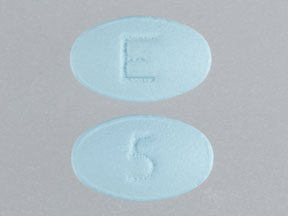
Enjuvia
Generic name: conjugated estrogens (oral) [ KON-joo-gay-ted-ES-troe-jenz ]
Brand names: Enjuvia, Premarin
Drug class: Estrogens
The Enjuvia brand name has been discontinued in the U.S. If generic versions of this product have been approved by the FDA, there may be generic equivalents available.
What is Enjuvia?
Enjuvia tablets contain conjugated estrogens, a mixture of estrogen hormones. Estrogen is a female sex hormone produced by the ovaries. Estrogen is necessary for many processes in the body.
Enjuvia is used to treat menopause symptoms such as hot flashes and vaginal changes, and to prevent osteoporosis (bone loss) in menopausal women.
Enjuvia is also used to replace estrogen in women with ovarian failure or other conditions that cause a lack of natural estrogen in the body.
Warnings
You should not use Enjuvia if you have: undiagnosed vaginal bleeding, liver disease, a bleeding disorder, if you will have major surgery, or if you have ever had a heart attack, a stroke, a blood clot, or cancer of the breast, uterus/cervix, or vagina.
Do not use Enjuvia if you are pregnant.
Enjuvia may increase your risk of developing a condition that may lead to uterine cancer. Report any unusual vaginal bleeding right away.
Using this medicine can increase your risk of blood clots, stroke, or heart attack or cancer of the breast, uterus, or ovaries. Estrogen should not be used to prevent heart disease, stroke, or dementia.
Have regular physical exams and self-examine your breasts for lumps on a monthly basis while using Enjuvia.
Before taking this medicine
You should not use Enjuvia if you have:
-
unusual vaginal bleeding that has not been checked by a doctor;
-
liver disease;
-
a history of heart attack, stroke, or blood clot;
-
an increased risk of having blood clots due to a heart problem or a hereditary blood disorder; or
-
a history of hormone-related cancer, or cancer of the breast, uterus/cervix, or vagina.
Do not use Enjuvia if you are pregnant. Tell your doctor right away if you become pregnant during treatment.
Using this medicine can increase your risk of blood clots, stroke, or heart attack. You are even more at risk if you have high blood pressure, diabetes, high cholesterol, if you are overweight, or if you smoke.
Estrogen should not be used to prevent heart disease, stroke, or dementia. This medicine may actually increase your risk of developing these conditions.
To make sure Enjuvia is safe for you, tell your doctor if you have ever had:
-
a hysterectomy;
-
heart disease;
-
liver problems, or jaundice caused by pregnancy or taking hormones;
-
kidney disease;
-
epilepsy or other seizure disorder;
-
migraines;
-
endometriosis or uterine fibroid tumors;
-
porphyria (a genetic enzyme disorder that causes symptoms affecting the skin or nervous system);
-
a thyroid disorder; or
-
high levels of calcium in your blood.
Use of Enjuvia may increase your risk of cancer of the breast, uterus, or ovaries. Talk with your doctor about this risk.
Estrogen lowers the hormone needed to produce breast milk and can slow breast milk production. Tell your doctor if you are breast-feeding.
Related/similar drugs
Erleada, alendronate, estradiol, tamoxifen, Prolia, Fosamax, testosterone
How should I take Enjuvia?
Take Enjuvia exactly as prescribed by your doctor. Follow all directions on your prescription label. Do not take this medicine in larger amounts or for longer than recommended.
Enjuvia may increase your risk of developing a condition that may lead to uterine cancer. Your doctor may prescribe a progestin to take while you are using Enjuvia, to help lower this risk. Report any unusual vaginal bleeding right away.
Read all patient information, medication guides, and instruction sheets provided to you. Ask your doctor or pharmacist if you have any questions.
Enjuvia is sometimes taken on a daily basis. For certain conditions, the medicine is given in a cycle, such as 3 weeks on followed by 1 week off. Follow your doctor's instructions.
If you see what looks like part of an Enjuvia tablet in your stool, talk with your doctor.
Your doctor should check your progress on a regular basis to determine whether you should continue this treatment. Self-examine your breasts for lumps on a monthly basis, and have regular mammograms.
If you need major surgery or will be on long-term bed rest, you may need to stop using this medicine for a short time. Any doctor or surgeon who treats you should know that you are using Enjuvia.
Store at room temperature away from moisture, heat, and light.
What happens if I miss a dose?
Take the missed dose as soon as you remember. Skip the missed dose if it is almost time for your next scheduled dose. Do not take extra medicine to make up the missed dose.
What happens if I overdose?
Seek emergency medical attention or call the Poison Help line at 1-800-222-1222.
What to avoid
Avoid smoking. It can greatly increase your risk of blood clots, stroke, or heart attack while using Enjuvia.
Grapefruit and grapefruit juice may interact with conjugated estrogens and lead to unwanted side effects. Avoid the use of grapefruit products.
Enjuvia side effects
Get emergency medical help if you have signs of an allergic reaction to Enjuvia: hives; difficult breathing; swelling of your face, lips, tongue, or throat.
Call your doctor at once if you have:
-
heart attack symptoms - chest pain or pressure, pain spreading to your jaw or shoulder, nausea, sweating;
-
signs of a stroke - sudden numbness or weakness (especially on one side of the body), sudden severe headache, slurred speech, problems with vision or balance;
-
signs of a blood clot - sudden vision loss, stabbing chest pain, feeling short of breath, coughing up blood, pain or warmth in one or both legs;
-
swelling or tenderness in your stomach;
-
jaundice (yellowing of the skin or eyes);
-
memory problems, confusion, unusual behavior;
-
unusual vaginal bleeding, pelvic pain;
-
a lump in your breast; or
-
high levels of calcium in your blood - nausea, vomiting, constipation, increased thirst or urination, muscle weakness, bone pain, lack of energy.
Common Enjuvia side effects may include:
-
nausea, gas, stomach pain;
-
headache, back pain;
-
depression, sleep problems (insomnia);
-
breast pain; or
-
vaginal itching or discharge, changes in your menstrual periods, breakthrough bleeding.
This is not a complete list of side effects and others may occur. Call your doctor for medical advice about side effects. You may report side effects to FDA at 1-800-FDA-1088.
What other drugs will affect Enjuvia?
Sometimes it is not safe to use certain medications at the same time. Some drugs can affect your blood levels of other drugs you take, which may increase side effects or make the medications less effective.
Many drugs can interact with conjugated estrogens. This includes prescription and over-the-counter medicines, vitamins, and herbal products. Not all possible interactions are listed in this medication guide. Tell your doctor about all your current medicines and any medicine you start or stop using.
More about Enjuvia (conjugated estrogens)
- Check interactions
- Compare alternatives
- Reviews (5)
- Drug images
- Side effects
- Dosage information
- During pregnancy
- FDA approval history
- Drug class: estrogens
Patient resources
Other brands
Professional resources
Other brands
Premarin, Cenestin, Premarin Intravenous
Related treatment guides
Further information
Remember, keep this and all other medicines out of the reach of children, never share your medicines with others, and use Enjuvia only for the indication prescribed.
Always consult your healthcare provider to ensure the information displayed on this page applies to your personal circumstances.
Copyright 1996-2024 Cerner Multum, Inc. Version: 13.03.