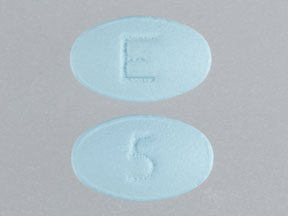
Enjuvia Side Effects
Generic name: conjugated estrogens
Medically reviewed by Drugs.com. Last updated on Feb 25, 2024.
Note: This document contains side effect information about conjugated estrogens. Some dosage forms listed on this page may not apply to the brand name Enjuvia.
Applies to conjugated estrogens: oral tablet. Other dosage forms:
Warning
Oral route (Tablet)
Endometrial Cancer, Cardiovascular Disorders, Breast Cancer and Probable DementiaEstrogen-Alone TherapyThere is an increased risk of endometrial cancer in a woman with a uterus who uses unopposed estrogens.Estrogen-alone therapy should not be used for the prevention of cardiovascular disease or dementia.Women's Health Initiative estrogen-alone substudy reported increased risks of stroke and deep vein thrombosis.The Women’s Health Initiative Memory Study estrogen-alone ancillary study of Women’s Health Initiative reported an increased risk of probable dementia in postmenopausal women 65 years of age and older.Estrogen Plus Progestin TherapyEstrogen plus progestin therapy should not be used for the prevention of cardiovascular disease or dementia.The Women’s Health Initiative estrogen plus progestin substudy reported increased risks of stroke, DVT, pulmonary embolism, and myocardial infarction.The Women’s Health Initiative estrogen plus progestin substudy reported increased risks of invasive breast cancer.The Women’s Health Initiative Memory Study estrogen plus progestin ancillary study of Women’s Health Initiative reported an increased risk of probable dementia in postmenopausal women 65 years of age and older.
Serious side effects of Enjuvia
Along with its needed effects, conjugated estrogens (the active ingredient contained in Enjuvia) may cause some unwanted effects. Although not all of these side effects may occur, if they do occur they may need medical attention.
Check with your doctor immediately if any of the following side effects occur while taking conjugated estrogens:
More common
- Heavy non-menstrual vaginal bleeding
Less common
- Body aches or pain
- chills
- cough
- difficulty with breathing
- ear congestion
- fever
- headache
- loss of voice
- nasal congestion
- runny nose
- sneezing
- sore throat
- unusual tiredness or weakness
Incidence not known
- Abdominal or stomach pain and tenderness
- acid or sour stomach
- anxiety
- backache
- belching
- bloody stools
- blurred vision
- breast tenderness, enlargement, pain, or discharge
- change in vaginal discharge
- change in vision
- changes in skin color
- chest pain or discomfort
- clay-colored stools
- clear or bloody discharge from the nipple
- confusion
- constipation
- dark urine
- diarrhea
- difficulty with speaking
- dimpling of the breast skin
- dizziness or lightheadedness
- double vision
- fainting
- fast heartbeat
- full or bloated feeling or pressure in the stomach
- headache, severe and throbbing
- heartburn
- hives
- hoarseness
- inability to move the arms, legs, or facial muscles
- inability to speak
- indigestion
- inverted nipple
- irritation
- itching
- joint pain, stiffness, or swelling
- loss of appetite
- lump in the breast or under the arm
- migraine headache
- nausea
- pain or discomfort in the arms, jaw, back, or neck
- pain or feeling of pressure in the pelvis
- pain, redness, or swelling in the arm or leg
- pain, tenderness, or swelling of the foot or leg
- painful or tender cysts in the breasts
- pains in the stomach, side, or abdomen, possibly radiating to the back
- persistent crusting or scaling of the nipple
- poor insight and judgment
- problems with memory or speech
- rash
- rectal bleeding
- redness of the skin
- redness or swelling of the breast
- shortness of breath
- slow speech
- sore on the skin of the breast that does not heal
- stomach discomfort or upset
- sudden shortness of breath or troubled breathing
- sweating
- swelling of the abdominal or stomach area
- swelling of the eyelids, face, lips, hands, or feet
- tightness in the chest
- trouble recognizing objects
- trouble thinking and planning
- trouble walking
- troubled breathing or swallowing
- unpleasant breath odor
- vaginal bleeding
- vomiting
- vomiting of blood
- wheezing
- yellow eyes or skin
Other side effects of Enjuvia
Some side effects of conjugated estrogens may occur that usually do not need medical attention. These side effects may go away during treatment as your body adjusts to the medicine. Also, your health care professional may be able to tell you about ways to prevent or reduce some of these side effects.
Check with your health care professional if any of the following side effects continue or are bothersome or if you have any questions about them:
More common
- Back pain
- excess air or gas in the stomach or intestines
- itching of the vagina or genital area
- lack or loss of strength
- pain during sexual intercourse
- passing gas
- thick, white vaginal discharge with no odor or with a mild odor
Less common
- Increased clear or white vaginal discharge
- leg cramps
Incidence not known
- Blistering, peeling, or loosening of the skin
- cramps
- decreased interest in sexual intercourse
- diarrhea
- difficulty with moving
- heavy bleeding
- hives or welts
- inability to have or keep an erection
- increased hair growth, especially on the face
- increased in sexual ability, desire, drive, or performance
- increased interest in sexual intercourse
- irritability
- itching of the vagina or outside genitals
- joint or muscle pain
- loss in sexual ability, desire, drive, or performance
- loss of scalp hair
- mental depression
- mood changes
- muscle stiffness
- pain
- pain during sexual intercourse
- pain in the ankles or knees
- painful, red lumps under the skin, mostly on the legs
- patchy brown or dark brown discoloration of the skin
- rash
- red, irritated eyes
- sores, ulcers, or white spots in the mouth or on the lips
- swelling of the breasts or breast soreness in both females and males
- thick, white curd-like vaginal discharge without odor or with mild odor
- unexpected or excess milk flow from the breasts
- weight changes
For Healthcare Professionals
Applies to conjugated estrogens: injectable powder for injection, oral tablet, vaginal cream.
Cardiovascular
Common (1% to 10%): Hypertension, palpitation, vasodilation
Rare (less than 0.1%): Stroke
Postmarketing reports: Deep and superficial venous thrombosis, pulmonary embolism, thrombophlebitis, myocardial infarction, stroke[Ref]
-HRT is associated with a 1.3 to 3-fold increased relative risk of developing VTE, i.e., deep vein thrombosis or pulmonary embolism. This event is more likely to occur in the first year of using HRT.
-The use of estrogen-only and estrogen-progestin therapy is associated with an up to 1.5 fold increased relative risk of ischemic stroke.
-The risk of hemorrhagic stroke is not increased during use of HRT. This relative risk is not dependent on age or on duration of use, but as the baseline risk is strongly age-dependent, the overall risk of stroke in women who use HRT will increase with age.[Ref]
Dermatologic
Common (1% to 10%): Acne, alopecia, hirsutism, pruritus, rash, skin discoloration, sweating, fungal dermatitis
Postmarketing reports: Chloasma or melasma (may persist when drug is discontinued), erythema multiforme, erythema nodosum, loss of scalp hair[Ref]
Gastrointestinal
Common (1% to 10%): Constipation, diarrhea, dyspepsia, eructation, flatulence, nausea
Uncommon (0.1% to 1%): Bloating, abdominal pain
Postmarketing reports: Vomiting, abdominal discomfort, abdominal distension[Ref]
Genitourinary
Common (1% to 10%): Pelvic pain, breast disorder, breast enlargement, breast neoplasm, breast pain, cervix disorder, dysmenorrhea, endometrial disorder, endometrial hyperplasia, leukorrhea, metrorrhagia, urinary tract infection, uterine fibroids enlarged, uterine spasm, abnormal uterine bleeding (breakthrough bleeding/spotting), vaginal dryness, vaginal hemorrhage, vaginal moniliasis, vaginitis
Uncommon (0.1% to 1%): Vaginal candidiasis, changes in menstrual flow, changes in cervical ectropion and secretion
Postmarketing reports: Increases in seize of uterine leiomyomata, change in cervical secretion, ovarian cancer, endometrial cancer, breast tenderness, breast discharge, galactorrhea, fibrocystic breast changes, breast cancer, gynecomastia in males[Ref]
Metabolic
Common (1% to 10%): Hyperlipidemia, weight gain, increased appetite
Very rare (less than 0.01%): Hypocalcemia
Postmarketing reports: Increase or decrease in weight, glucose intolerance, aggravation of porphyria, increased triglycerides[Ref]
Musculoskeletal
Common (1% to 10%): Back pain, arthralgia, leg cramps, myalgia, muscle spasm[Ref]
Nervous system
Common (1% to 10%): Headache, dizziness, paresthesia, migraine, hypertonia, insomnia, nervousness
Very rare (less than 0.01%): Exacerbation of chorea
Postmarketing reports: Exacerbation of epilepsy, dementia[Ref]
Other
Common (1% to 10%): Accidental injury, asthenia, chills, flu syndrome, pain, edema, peripheral edema, generalized edema, moniliasis
Postmarketing reports: Irritability[Ref]
Psychiatric
Common (1% to 10%): Depression, emotional liabilities, anxiety
Uncommon (0.1% to 1%): Changes in libido, mood disturbances[Ref]
Respiratory
Common (1% to 10%): Chest pain, bronchitis, increased cough, pharyngitis, rhinitis, sinusitis, upper respiratory tract infection
Postmarketing reports: Exacerbation of asthma[Ref]
Hepatic
Uncommon (0.1% to 1%): Gallbladder disease
Postmarketing reports: Cholestatic jaundice, pancreatitis, enlargement of hepatic hemangiomas, ischemic colitis[Ref]
Hypersensitivity
Uncommon (0.1% to 1%): Hypersensitivity
Rare (less than 0.1%): Anaphylactic/anaphylactoid reactions including urticaria and angioedema[Ref]
Ocular
Uncommon (0.1% to 1%): Intolerance to contact lenses, steepening of corneal curvature
Postmarketing reports: Retinal vascular thrombosis[Ref]
Oncologic
Breast cancer:
-An up to 2-fold increased risk of having breast cancer diagnosed is reported in women taking combined estrogen-progestin therapy for more than 5 years.
-Any increased risk in users of estrogen-only therapy is substantially lower than that seen in users of estrogen-progestin combinations. The level of risk is dependent on the duration of use.
Endometrial Cancer:
-Endometrial cancer risk is about 5 in every 1000 women with a uterus not using HRT.
-In women with a uterus, use of estrogen-only HRT is not recommended because it increases the risk of endometrial cancer.
-Depending on the duration of estrogen-only use and estrogen dose, the increase in risk of endometrial cancer varied from between 5 and 55 extra cases diagnosed in every 1000 women between the ages of 50 and 65.
-Adding a progestin to estrogen-only therapy for at least 12 days per cycle can prevent this increased risk. In the Million Women Study the use of five years of combined HRT did not increase risk of endometrial cancer.
Ovarian cancer:
-Long-term use of estrogen-only and combined estrogen-progestin HRT has been associated with a slightly increased risk of ovarian cancer. In the Million Women Study 5 years of HRT resulted in 1 extra case per 2500 users.[Ref]
Rare (0.01% to 0.1%): Breast cancer, ovarian cancer, fibrocystic breast changes, growth potentiation of benign meningioma.
Very rare (less than 0.01%): Endometrial cancer, enlargement of hepatic hemangiomas[Ref]
More about Enjuvia (conjugated estrogens)
- Check interactions
- Compare alternatives
- Reviews (5)
- Drug images
- Dosage information
- During pregnancy
- FDA approval history
- Drug class: estrogens
Patient resources
Other brands
Professional resources
Other brands
Premarin, Cenestin, Premarin Intravenous
Related treatment guides
References
1. Crane MG, Harris JJ. Estrogens and hypertension: effect of discontinuing estrogens on blood pressure, exchangeable sodium, and the renin-aldosterone system. Am J Med Sci. 1978;276:33-55.
2. Crane MG, Harris JJ, Winsor W 3d. Hypertension, oral contraceptive agents, and conjugated estrogens. Ann Intern Med. 1971;74:13-21.
3. Rosenberg L, Slone D, Shapiro S, Kaufman D, Stolley PD, Miettinen OS. Noncontraceptive estrogens and myocardial infarction in young women. JAMA. 1980;244:339-42.
4. Jick H, Dinan B, Rothman KJ. Noncontraceptive estrogens and nonfatal myocardial infarction. JAMA. 1978;239:1407-8.
5. Wren BG, Routledge DA. Blood pressure changes: oestrogens in climacteric women. Med J Aust. 1981;2:528-31.
6. Belchetz PE. Hormonal treatment of postmenopausal women. N Engl J Med. 1994;330:1062-71.
7. Stampfer MJ, Colditz GA, Willett WC, et al. Postmenopausal estrogen and cardiovascular disease. Ten-year follow-up from the Nurses' Health Study. N Engl J Med. 1991;325:756-62.
8. Barrett-Connor E, Bush TL. Estrogen and coronary heart disease in women. JAMA. 1991;265:1861-7.
9. Grady D, Rubin SM, Petiti DB, et al. Hormone therapy to prevent disease and prolong life in postmenopausal women. Ann Intern Med. 1992;117:1016-36.
10. Barrett-Connor E, Wingard DL, Criqui MH. Postmenopausal estrogen use and heart disease risk factors in the 1980s. Rancho Bernardo, Calif, revisited. JAMA. 1989;261:1095-2100.
11. Product Information. Premarin (conjugated estrogens). Wyeth-Ayerst Laboratories. 2001;PROD.
12. Schwartz J, Freeman R, Frishman W. Clinical pharmacology of estrogens: cardiovascular actions and cardioprotective benefits of replacement therapy in postmenopausal women. J Clin Pharmacol. 1995;35:1-16.
13. The Writing Group for the PEPI Trial. Effects of estrogen or estrogen/progestin regimens on heart disease risk factors in postmenopausal women: the Postmenopausal Estrogen/Progestin Interventions (PEPI) Trial. JAMA. 1995;273:199-208.
14. Collins P, Beale CM, Rosano GMC. Oestrogen as a calcium channel blocker. Eur Heart J. 1996;17 ( Suppl:27-31.
15. Sidney S, Petitti DB, Quesenberry CP. Myocardial infarction and the use of estrogen and estrogen-progestogen in postmenopausal women. Ann Intern Med. 1997;127:501-8.
16. Hulley S, Grady D, Bush T, Furberg C, Herrington D, Riggs B, Vittinghoff E. Randomized trial of estrogen plus progestin for secondary prevention of coronary heart disease in postmenopausal women. JAMA. 1998;280:605-13.
17. Petitti DB. Hormone replacement therapy and heart disease prevention: experimentation trumps observation. JAMA. 1998;280:650-2.
18. Mendelsohn ME, Karas RH. The protective effects of estrogen on the cardiovascular system. N Engl J Med. 1999;340:1801-11.
19. Herrington DM. The HERS Trial results: paradigms lost? Ann Intern Med. 1999;131:463-6.
20. Pripp U, Hall G, Csemiczky G, Eksborg S, Landgren BM, SchenckGustafsson K. A randomized trial on effects of hormone therapy on ambulatory blood pressure and lipoprotein levels in women with coronary artery disease. J Hypertens. 1999;17:1379-86.
21. Kamali P, Muller T, Lang U, Clapp JF. Cardiovascular responses of perimenopausal women to hormonal replacement therapy. Am J Obstet Gynecol. 2000;182:17-22.
22. Gordeuk VR, Brittenham GM, Hughes M, Keating LJ, Opplt JJ. High-dose carbonyl iron for iron deficiency anemia: a randomized double-blind trial. Am J Clin Nutr. 1987;46:1029-34.
23. Grady D, Wenger NK, Herrington D, et al. Postmenopausal hormone therapy increases risk for venous thromboembolic disease: the heart and estrogen replacement study. Ann Intern Med. 2000;132:689-96.
24. Herrington DM, Reboussin DM, Brosniham KB, et al. Effects of estrogen replacement on the progression of coronary-artery atherosclerosis. N Engl J Med. 2000;343:522-9.
25. Lindsay R, Gallagher JC, Kleerekoper M, Pickar JH. Effect of lower doses of conjugated equine estrogens with and without medroxyprogesterone acetate on bone in early postmenopausal women. JAMA. 2002;287:2668-76.
26. Miller J, Chan BK, Nelson HD. Postmenopausal estrogen replacement and risk for venous thromboembolism: a systematic review and meta-analysis for the U.S. preventive services task force. Ann Intern Med. 2002;136:680-90.
27. Cerner Multum, Inc. UK Summary of Product Characteristics.
28. Cerner Multum, Inc. Australian Product Information.
29. Product Information. Enjuvia (conjugated estrogens). Barr Pharmaceuticals Inc. 2015.
30. McClennan BL. Ischemic colitis secondary to Premarin: report of a case. Dis Colon Rectum. 1976;19:618-20.
31. Perusse R, Morency R. Oral pigmentation induced by Premarin. Cutis. 1991;48:61-4.
32. Boston Collaborative Drug Surveilance Program. Surgically confirmed gallbladder disease, venous thromboembolism, and breast tumors in relation to postmenopausal estrogen therapy. N Engl J Med. 1974;290:15-9.
33. OrrWalker BJ, Horne AM, Evans MC, Grey AB, Murray MAF, McNeil AR, Reid IR. Hormone replacement therapy causes a respiratory alkalosis in normal postmenopausal women. J Clin Endocrinol Metab. 1999;84:1997-2001.
34. Gambacciani M, Ciaponi M, Cappagli B, Genazzani AR. Effects of low-dose continuous combined conjugated estrogens and medroxyprogesterone acetate on menopausal symptoms, body weight, bone density, and metabolism in postmenopausal women. Am J Obstet Gynecol. 2001;185:1180-5.
35. Wakatsuki A, Okatani Y, Ikenoue N, Fukaya T. Different effects of oral conjugated equine estrogen and transdermal estrogen replacement therapy on size and oxidative susceptibility of low-density lipoprotein particles in postmenopausal women. Circulation. 2002;106:1771-6.
36. Civitelli R, Pilgram TK, Dotson M, et al. Alveolar and Postcranial Bone Density in Postmenopausal Women Receiving Hormone/Estrogen Replacement Therapy: A Randomized, Double-blind, Placebo-Controlled Trial. Arch Intern Med. 2002;162:1409-15.
37. Steiger MJ, Quinn NP. Hormone replacement therapy induced chorea. BMJ. 1991;302:762.
38. Jick SS, Walker AM, Jick H. Conjugated estrogens and fibrocystic breast disease. Am J Epidemiol. 1986;124:746-51.
39. Pastides H, Najjar MA, Kelsey JL. Estrogen replacement therapy and fibrocystic breast disease. Am J Prev Med. 1987;3:282-6.
40. Oppenheim G. A case of rapid mood cycling with estrogen: implications for therapy. J Clin Psychiatry. 1984;45:34-5.
41. Conter RL, Longmire WP Jr. Recurrent hepatic hemangiomas. Possible association with estrogen therapy. Ann Surg. 1988;207:115-9.
42. Aldinger K, Ben-Menachem Y, Whalen G. Focal nodular hyperplasia of the liver associated with high-dosage estrogens. Arch Intern Med. 1977;137:357-9.
43. Caucino JA, Armenaka M, Rosenstreich DL. Anaphylaxis associated with a change in premarin dye formulation. Ann Allergy. 1994;72:33-5.
44. Searcy CJ, Kushner M, Nell P, Beckmann CR. Anaphylactic reaction to intravenous conjugated estrogens. Clin Pharm. 1987;6:74-6.
45. Obrink A, Bunne G, Collen J, Tjernberg B. Endometrial cancer and exogenous estrogens. Acta Obstet Gynecol Scand. 1979;58:123.
46. Palmer JR, Rosenberg L, Clarke EA, Miller DR, Shapiro S. Breast cancer risk after estrogen replacement therapy: results from the Toronto Breast Cancer Study. Am J Epidemiol. 1991;134:1386-95.
47. Kaufman DW, Palmer JR, de Mouzon J, Rosenberg L, Stolley PD, Warshauer ME, Zauber AG, Shapiro S. Estrogen replacement therapy and the risk of breast cancer: results from the case-control surveillance study. Am J Epidemiol. 1991;134:1375-85.
48. Spengler RF, Clarke EA, Woolever CA, Newman AM, Osborn RW. Exogenous estrogens and endometrial cancer: a case-control study and assessment of potential biases. Am J Epidemiol. 1981;114:497-506.
49. Buring JE, Bain CJ, Ehrmann RL. Conjugated estrogen use and risk of endometrial cancer. Am J Epidemiol. 1986;124:434-41.
50. Persson I, Adami HO, Bergkvist L, Lindgren A, Pettersson B, Hoover R, Schairer C. Risk of endometrial cancer after treatment with oestrogens alone or in conjunction with progestogens: results of a prospective study. BMJ. 1989;298:147-51.
51. Hoover R, Glass A, Finkle WD, Azevedo D, Milne K. Conjugated estrogens and breast cancer risk in women. J Natl Cancer Inst. 1981;67:815-20.
52. Thomas DB, Persing JP, Hutchinson WB. Exogenous estrogens and other risk factors for breast cancer in women with benign breast diseases. J Natl Cancer Inst. 1982;69:1017-25.
53. Antunes CM, Strolley PD, Rosenshein NB, Davies JL, Tonascia JA, Brown C, Burnett L, Rutledge A, Pokempner M, Garcia R. Endometrial cancer and estrogen use. Report of a large case-control study. N Engl J Med. 1979;300:9-13.
54. Gordon J, Reagan JW, Finkle WD, Ziel HK. Estrogen and endometrial carcinoma. An independent pathology review supporting original risk estimate. N Engl J Med. 1977;297:570-1.
55. Bergkvist L, Adami HO, Persson I, Hoover R, Schairer C. The risk of breast cancer after estrogen and estrogen-progestin replacement. N Engl J Med. 1989;321:293-7.
56. Shapiro S, Kelly JP, Rosenberg L, Kaufman DW, Helmrich SP, Rosenshein NB, Lewis JL Jr, Knapp RC, Stolley PD, Schottenfeld D. Risk of localized and widespread endometrial cancer in relation to recent and discontinued use of conjugated estrogens. N Engl J Med. 1985;313:969-72.
57. Gray LA Sr, Christopherson WM, Hoover RN. Estrogens and endometrial carcinoma. Obstet Gynecol. 1977;49:385-9.
58. Woodruff JD, Pickar JH. Incidence of endometrial hyperplasia in postmenopausal women taking conjugated estrogens (Premarin) with medroxyprogesterone acetate or conjugated estrogens alone. Am J Obstet Gynecol. 1994;170:1213-23.
59. Colditz GA, Hankinson SE, Hunter DJ, et al. The use of estrogens and progestins and the risk of breast cancer in postmenopausal women. N Engl J Med. 1995;332:1589-93.
60. Stanford JL, Weiss NS, Voigt LF, Daling JR, Habel LA, Rossing MA. Combined estrogen and progestin hormone replacement therapy in relation to risk of breast cancer in middle-aged women. JAMA. 1995;274:137-42.
61. The Writing Group for the PEPI Trial. Effects of hormone replacement therapy on endometrial histology in postmenopausal women. JAMA. 1996;275:370-5.
62. Greendale GA, Reboussin BA, Sie A, et al. Effects of estrogen and estrogen-progestin on mammographic parenchymal density. Ann Intern Med. 1999;130:262-9.
63. Gapstur SM, Morrow M, Sellers TA. Hormone replacement therapy and risk of breast cancer with a favorable histology: results of the Iowa women's health study. JAMA. 1999;281:2091-7.
64. Ziel HK, Finkle WD. Increased risk of endometrial carcinoma among users of conjugated estrogens. N Engl J Med. 1975;293:1167-70.
Further information
Always consult your healthcare provider to ensure the information displayed on this page applies to your personal circumstances.
Some side effects may not be reported. You may report them to the FDA.