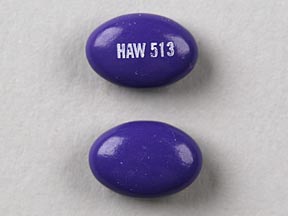
Hyoscyamine/methenamine/methylene blue/phenyl salicylate Interactions
There are 576 drugs known to interact with hyoscyamine/methenamine/methylene blue/phenyl salicylate, along with 32 disease interactions, and 2 alcohol/food interactions. Of the total drug interactions, 152 are major, 403 are moderate, and 21 are minor.
- View all 576 medications that may interact with hyoscyamine/methenamine/methylene blue/phenyl salicylate
- View hyoscyamine/methenamine/methylene blue/phenyl salicylate alcohol/food interactions (2)
- View hyoscyamine/methenamine/methylene blue/phenyl salicylate disease interactions (32)
Most frequently checked interactions
View interaction reports for hyoscyamine / methenamine / methylene blue / phenyl salicylate and the medicines listed below.
- Abelcet (amphotericin b lipid complex)
- Accutane (isotretinoin)
- Acidophilus Probiotic Blend (lactobacillus acidophilus)
- Aciphex (rabeprazole)
- Actemra (tocilizumab)
- Acthar (corticotropin)
- Activase (alteplase)
- Adasuve (loxapine)
- Adderall (amphetamine / dextroamphetamine)
- Advair Diskus (fluticasone / salmeterol)
- Advil (ibuprofen)
- Aerolate III (theophylline)
- Alaway (ketotifen ophthalmic)
- Ambien (zolpidem)
- Amphojel (aluminum hydroxide)
- Ampyra (dalfampridine)
- AndroGel (testosterone)
- Anoro Ellipta (umeclidinium / vilanterol)
- Anzemet (dolasetron)
- Apresoline (hydralazine)
- Apriso (mesalamine)
- Ativan (lorazepam)
- Carafate (sucralfate)
- Celexa (citalopram)
- Cymbalta (duloxetine)
- Dilaudid (hydromorphone)
- Latuda (lurasidone)
- Lotensin (benazepril)
- Restasis (cyclosporine ophthalmic)
- Tylenol (acetaminophen)
Hyoscyamine/methenamine/methylene blue/phenyl salicylate alcohol/food interactions
There are 2 alcohol/food interactions with hyoscyamine / methenamine / methylene blue / phenyl salicylate.
Hyoscyamine/methenamine/methylene blue/phenyl salicylate disease interactions
There are 32 disease interactions with hyoscyamine / methenamine / methylene blue / phenyl salicylate which include:
- autonomic neuropathy
- GI obstruction
- glaucoma
- obstructive uropathy
- reactive airway diseases
- myasthenia gravis
- infectious diarrhea
- crystalluria
- gout
- liver disease
- methemoglobinemia in G-6-PD
- GI toxicity
- renal dysfunction
- Reye's syndrome
- cardiac disease
- tachycardia
- coronary artery disease
- gastric ulcer
- gastroesophageal reflux
- ulcerative colitis
- liver disease
- renal failure
- renal dysfunction
- anemia
- coagulation
- dialysis
- G-6-PD deficiency
- hepatotoxicity
- hypertension
- hyperthyroidism
- diarrhea
- fever
Report options

More about hyoscyamine / methenamine / methylene blue / phenyl salicylate
- Compare alternatives
- Reviews (17)
- Drug images
- Side effects
- Dosage information
- Drug class: urinary antispasmodics
Related treatment guides
Drug Interaction Classification
| Highly clinically significant. Avoid combinations; the risk of the interaction outweighs the benefit. | |
| Moderately clinically significant. Usually avoid combinations; use it only under special circumstances. | |
| Minimally clinically significant. Minimize risk; assess risk and consider an alternative drug, take steps to circumvent the interaction risk and/or institute a monitoring plan. | |
| No interaction information available. |
Further information
Always consult your healthcare provider to ensure the information displayed on this page applies to your personal circumstances.