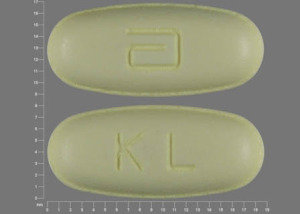
Biaxin Dosage
Generic name: CLARITHROMYCIN 250mg
Dosage form: tablets, extended-release tablets, oral suspension
Drug class: Macrolides
Medically reviewed by Drugs.com. Last updated on Jun 17, 2024.
Important Administration Instructions
BIAXIN Filmtab and BIAXIN Granules may be given with or without food.
BIAXIN XL Filmtab should be taken with food. Swallow BIAXIN XL Filmtab whole; do not chew, break or crush BIAXIN XL Filmtab.
Adult Dosage
The recommended dosages of BIAXIN Filmtab and BIAXIN XL Filmtab for the treatment of mild to moderate infections in adults are listed in Table 1.
| BIAXIN Filmtab | BIAXIN XL Filmtab | |||
| Infection | Dosage (every 12 hours) |
Duration (days) |
Dosage (every 24 hours) |
Duration (days) |
| Acute bacterial exacerbation of chronic bronchitis | 250 to 500 mga | 7b-14 | 1 gram | 7 |
| Acute maxillary sinusitis | 500 mg | 14 | 1 gram | 14 |
| Community-acquired pneumonia | 250 mgc | 7d-14 | 1 gramc | 7 |
| Pharyngitis/Tonsillitis | 250 mg | 10 | - | - |
| Uncomplicated skin and skin structure infections | 250 mg | 7-14 | - | - |
| Treatment and prophylaxis of disseminated Mycobacterium avium disease [see Dosage and Administration (2.5)] | 500 mge | - | - | - |
| H.pylori eradication to reduce the risk of duodenal ulcer recurrence with amoxicillin and omeprazole or lansoprazole [see Dosage and Administration (2.3)] | 500 mg | 10-14 | - | - |
| H.pylori eradication to reduce the risk of duodenal ulcer recurrence with omeprazole [see Dosage and Administration (2.3)] | 500 mg every 8 hours | 14 | - | - |
| a For M. catarrhalis and S. pneumoniae use 250 mg. For H. influenzae and H. parainfluenzae, use 500 mg. b For H parainfluenzae, the duration of therapy is 7 days. c For H. parainfluenzae and M. catarrhalis use BIAXIN XL tablets only. d For H. influenzae, the duration of therapy is 7 days. e BIAXIN therapy should continue if clinical response is observed. BIAXIN can be discontinued when the patient is considered at low risk of disseminated infection. |
||||
Combination Dosing Regimens for H. pylori Infection
- Triple therapy: BIAXIN Filmtab/lansoprazole/amoxicillin
The recommended adult dosage is 500 mg BIAXIN Filmtab, 30 mg lansoprazole, and 1 gram amoxicillin, all given every 12 hours for 10 or 14 days [see Indications and Usage (1.8) and Clinical Studies (14.3)].
- Triple therapy: BIAXIN Filmtab/omeprazole/amoxicillin
The recommended adult dosage is 500 mg BIAXIN Filmtab, 20 mg omeprazole, and 1 gram amoxicillin; all given every 12 hours for 10 days. In patients with an ulcer present at the time of initiation of therapy, an additional 18 days of omeprazole 20 mg once daily is recommended for ulcer healing and symptom relief [see Indications and Usage (1.8)and Clinical Studies (14.3)].
- Dual therapy: BIAXIN Filmtab/omeprazole
The recommended adult dosage is 500 mg BIAXIN Filmtab given every 8 hours and 40 mg omeprazole given once every morning for 14 days. An additional 14 days of omeprazole 20 mg once daily is recommended for ulcer healing and symptom relief [see Indications and Usage (1.8) andClinical Studies (14.3)].
Pediatric Dosage
The recommended daily dosage is 15 mg/kg/day divided every 12 hours for 10 days (up to the adult dose). Refer to dosage regimens for mycobacterial infections in pediatric patients for additional dosage information [see Dosage and Administration (2.5)].
Dosage Regimens for Mycobacterial Infections
For the treatment of disseminated infection due to Mycobacterium avium complex (MAC), BIAXIN Filmtab and BIAXIN Granules are recommended as the primary agents. BIAXIN Filmtab and BIAXIN Granules should be used in combination with other antimycobacterial drugs (e.g. ethambutol) that have shown in vitro activity against MAC or clinical benefit in MAC treatment [see Clinical Studies (14.1)].
For treatment and prophylaxis of mycobacterial infections in adults, the recommended dose of BIAXIN is 500 mg every 12 hours.
For treatment and prophylaxis of mycobacterial infections in pediatric patients, the recommended dose is 7.5 mg/kg every 12 hours up to 500 mg every 12 hours. [See Use in Specific Populations (8.4) and Clinical Studies (14.1)].
BIAXIN therapy should continue if clinical response is observed. BIAXIN can be discontinued when the patient is considered at low risk of disseminated infection.
Dosage Adjustment in Patients with Renal Impairment
See Table 2 for dosage adjustment in patients with moderate or severe renal impairment with or without concomitant atazanavir or ritonavir-containing regimens [see Drug Interactions (7)].
| Recommended BIAXIN Dosage Reduction | |
| Patients with severe renal impairment (CLcr of <30 mL/min) | Reduce the dosage of BIAXIN by 50% |
| Patients with moderate renal impairment (CLcr of 30 to 60 mL/min) taking concomitant atazanavir or ritonavir-containing regimens | Reduce the dosage of BIAXIN by 50% |
| Patients with severe renal impairment (CLcr of <30 mL/min) taking concomitant atazanavir or ritonavir-containing regimens | Reduce the dosage of BIAXIN by 75% |
Dosage Adjustment Due to Drug Interactions
Decrease the dose of BIAXIN by 50 % when co-administered with atazanavir [see Drug Interactions (7)]. Dosage adjustments for other drugs when co-administered with BIAXIN may be recommended due to drug interactions [see Drug Interactions (7)].
Reconstitution of BIAXIN Granules
The supplied BIAXIN Granules must be reconstituted with water prior to administration of BIAXIN for oral suspension. Table 3 below indicates the volume of water to be added when reconstituting. To reconstitute:
- Add half the volume of water to the bottle containing the BIAXIN granules and shake vigorously.
- Add the remainder of water to the bottle and shake.
Shake well before each use. After mixing, store at 15° to 30°C (59° to 86°F) and use within 14 days. Do not refrigerate.
| Total Volume After Reconstitution | Clarithromycin Concentration After Reconstitution | Amount of Water to be Added |
| 50 mL | 125 mg/5 mL | 27 mL |
| 100 mL | 125 mg/5 mL | 55 mL |
| 50 mL | 250 mg/5 mL | 27 mL |
| 100 mL | 250 mg/5 mL | 55 mL |
Frequently asked questions
- Is Biaxin good for a tooth infection or abscess?
- Can you take Biaxin if you’re allergic to penicillin?
- Can Biaxin cause yeast infections?
- Is Biaxin a sulfa-based drug?
- Can Biaxin cause headaches?
- How long does it take for Biaxin to work?
- What is the best antibiotic to treat strep throat?
- What are the best antibiotics for pneumonia?
More about Biaxin (clarithromycin)
- Check interactions
- Compare alternatives
- Reviews (91)
- Drug images
- Side effects
- During pregnancy
- Drug class: macrolides
- Breastfeeding
Patient resources
- Biaxin Filmtab advanced reading
- Biaxin (Clarithromycin Oral Suspension)
- Biaxin (Clarithromycin Tablets)
Other brands
Professional resources
Related treatment guides
Further information
Always consult your healthcare provider to ensure the information displayed on this page applies to your personal circumstances.