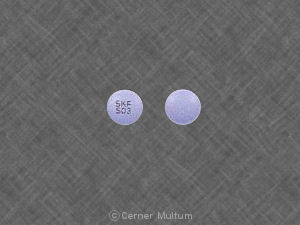
Stelazine Disease Interactions
There are 16 disease interactions with Stelazine (trifluoperazine).
- Dementia
- Acute alcohol intoxication
- Cardiovascular disease
- CNS depression
- Head injury
- Liver damage
- Anticholinergic effects
- Breast cancer
- Dystonic reactions
- Hematologic toxicity
- NMS
- Parkinsonism
- Renal dysfunction
- Respiratory disorders
- Seizure disorders
- Tardive dyskinesia
Atypical antipsychotic agents (applies to Stelazine) dementia
Major Potential Hazard, High plausibility.
Older patients with dementia-related psychosis treated with antipsychotic drugs are at an increased risk of death; although the causes were varied, most of the deaths appeared to be either cardiovascular (e.g., heart failure, sudden death) or infectious (e.g., pneumonia) in nature. A causal relationship with antipsychotic use has not been established. In controlled trials in older patients with dementia-related psychosis, patients randomized to risperidone, aripiprazole, and olanzapine had higher incidence of cerebrovascular adverse events (e.g., stroke, transient ischemic attack), including fatalities, compared to patients treated with placebo. These agents are not approved for the treatment of patients with dementia-related psychosis.
References
- (2001) "Product Information. Clozaril (clozapine)." Novartis Pharmaceuticals
- (2001) "Product Information. Risperdal (risperidone)." Janssen Pharmaceuticals
- (2001) "Product Information. Zyprexa (olanzapine)." Lilly, Eli and Company
- (2001) "Product Information. Seroquel (quetiapine)." Astra-Zeneca Pharmaceuticals
- (2001) "Product Information. Geodon (ziprasidone)." Pfizer U.S. Pharmaceuticals
- (2002) "Product Information. Abilify (aripiprazole)." Bristol-Myers Squibb
- (2007) "Product Information. Invega (paliperidone)." Janssen Pharmaceuticals
- (2009) "Product Information. Fanapt (iloperidone)." Vanda Pharmaceuticals Inc
- (2009) "Product Information. Saphris (asenapine)." Schering-Plough Corporation
- (2010) "Product Information. Latuda (lurasidone)." Sunovion Pharmaceuticals Inc
- (2015) "Product Information. Rexulti (brexpiprazole)." Otsuka American Pharmaceuticals Inc
- (2015) "Product Information. Vraylar (cariprazine)." Actavis Pharma, Inc.
- (2016) "Product Information. Nuplazid (pimavanserin)." Accelis Pharma
- (2022) "Product Information. Caplyta (lumateperone)." Intra-Cellular Therapies, Inc., SUPPL-9
Phenothiazines (applies to Stelazine) acute alcohol intoxication
Major Potential Hazard, High plausibility. Applicable conditions: Alcoholism
The use of phenothiazines is contraindicated in patients with acute alcohol intoxication exhibiting depressed vital signs. The central nervous system depressant effects of phenothiazines may be additive with those of alcohol. Severe respiratory depression and respiratory arrest may occur. Therapy with phenothiazines should be administered cautiously in patients who might be prone to acute alcohol intake.
References
- (2002) "Product Information. Thorazine (chlorpromazine)." SmithKline Beecham
- (2001) "Product Information. Sparine (promazine)." Wyeth-Ayerst Laboratories
- (2001) "Product Information. Phenergan (promethazine)." Wyeth-Ayerst Laboratories
- (2001) "Product Information. Prolixin (fluphenazine)." Bristol-Myers Squibb
- (2001) "Product Information. Compazine (prochlorperazine)." SmithKline Beecham
- (2001) "Product Information. Mellaril (thioridazine)." Sandoz Pharmaceuticals Corporation
- (2001) "Product Information. Serentil (mesoridazine)." Boehringer-Ingelheim
- (2001) "Product Information. Torecan (thiethylperazine)." Roxane Laboratories Inc
- (2001) "Product Information. Trilafon (perphenazine)." Schering Corporation
- (2001) "Product Information. Tacaryl (methdilazine)." Westwood Squibb Pharmaceutical Corporation
- (2001) "Product Information. Temaril (trimeprazine)." Allergan Inc
- (2001) "Product Information. Stelazine (trifluoperazine)." SmithKline Beecham
- (2001) "Product Information. Vesprin (triflupromazine)." Bristol-Myers Squibb
Phenothiazines (applies to Stelazine) cardiovascular disease
Major Potential Hazard, Moderate plausibility. Applicable conditions: Cerebrovascular Insufficiency, History - Cerebrovascular Disease, History - Myocardial Infarction, Hypotension, Pheochromocytoma, Dehydration, Arrhythmias
Phenothiazines may cause hypotension (including orthostatic hypotension), reflex tachycardia, increased pulse rate, syncope, and dizziness, particularly after the first parenteral dose but rarely after the first oral dose. Low-potency agents such as chlorpromazine and thioridazine are more likely to induce these effects, which usually subside within the first couple of hours following administration. Tolerance to the hypotensive effects often develops after a few doses. Rarely, fatal cardiac arrest has occurred secondary to severe hypotension. Other reported adverse cardiovascular effects include edema, thrombosis, and ECG abnormalities such as PR and QT interval prolongation, diffuse T-wave flattening, and ST segment depression. Therapy with phenothiazines should be avoided or otherwise administered cautiously in patients with severe cardiovascular disease, pheochromocytoma, a predisposition to hypotension, or conditions that could be exacerbated by hypotension such as a history of myocardial infarction, angina, or ischemic stroke. Close monitoring of cardiovascular status, including ECG changes, is recommended at all dosages. If parenteral therapy is given, patients should be in a supine position during administration and for at least 30 to 60 minutes afterwards. Patients who experience orthostatic hypotension should be cautioned not to rise too abruptly. Occasionally, when severe, hypotension may require treatment with vasoconstrictive agents such as norepinephrine or phenylephrine. Epinephrine should not be used, however, since phenothiazines can reverse its vasopressor effects and cause a further lowering of blood pressure.
References
- Varia I, Krishnan R, Davidson J (1983) "Deep-vein thrombosis with antipsychotic drugs." Psychosomatics, 24, p. 1097-8
- Schreiber G, Belmaker R (1987) "In vivo differentiation of cardiac vagal blocking effects of chlorpromazine and haloperidol." Biol Psychiatry, 22, p. 1417-21
- Witz L, Shapiro M, Shenkman L (1987) "Chlorpromazine induced fluid retention masquerading as idiopathic oedema." Br Med J, 294, p. 807-8
- Dorson P, Crismon M (1988) "Chlorpromazine accumulation and sudden death in a patient with renal insufficiency." Drug Intell Clin Pharm, 22, p. 776-8
- Fruncillo R, Gibbons W, Vlasses P, Ferguson R (1985) "Severe hypotension associated with concurrent clonidine and antipsychotic medication." Am J Psychiatry, 142, p. 274
- Stevenson R, Blanshard C, Patterson D (1989) "Ventricular fibrillation due to lithium withdrawal: an interaction with chlorpromazine?" Postgrad Med J, 65, p. 936-8
- (2002) "Product Information. Thorazine (chlorpromazine)." SmithKline Beecham
- (2001) "Product Information. Sparine (promazine)." Wyeth-Ayerst Laboratories
- (2001) "Product Information. Phenergan (promethazine)." Wyeth-Ayerst Laboratories
- Fletcher GF, Kazamias TM (1969) "Cardiotoxic effects of Mellaril: conduction disturbances and supraventricular arrhythmias." Am Heart J, 78, p. 135-8
- Margolis J (1972) "Massive edema induced by thioridazine (Mellaril): an unusual complication." J Am Geriatr Soc, 20, p. 593-4
- Kumar BB (1975) "Letter: Acute hypotension from thioridazine." JAMA, 234, p. 1321
- Jones J, Sklar D, Dougherty J, White W (1989) "Randomized double-blind trial of intravenous prochlorperazine for the treatment of acute headache." JAMA, 261, p. 1174-6
- (2001) "Product Information. Prolixin (fluphenazine)." Bristol-Myers Squibb
- (2001) "Product Information. Compazine (prochlorperazine)." SmithKline Beecham
- (2001) "Product Information. Mellaril (thioridazine)." Sandoz Pharmaceuticals Corporation
- (2001) "Product Information. Serentil (mesoridazine)." Boehringer-Ingelheim
- (2001) "Product Information. Torecan (thiethylperazine)." Roxane Laboratories Inc
- (2001) "Product Information. Trilafon (perphenazine)." Schering Corporation
- (2001) "Product Information. Tacaryl (methdilazine)." Westwood Squibb Pharmaceutical Corporation
- (2001) "Product Information. Temaril (trimeprazine)." Allergan Inc
- (2001) "Product Information. Stelazine (trifluoperazine)." SmithKline Beecham
- (2001) "Product Information. Vesprin (triflupromazine)." Bristol-Myers Squibb
- Talbert RL, Yee GC, DiPiro JT, Matzke GR, Posey LM, Wells BG (1999) "Pharmacotherapy: A Pathophysiologic Approach" Stamford, CT: Appleton & Lange
Phenothiazines (applies to Stelazine) CNS depression
Major Potential Hazard, High plausibility. Applicable conditions: Altered Consciousness, Respiratory Arrest
The use of phenothiazines is contraindicated in comatose patients and patients with severe central nervous system depression. Phenothiazines may potentiate the CNS and respiratory depression in these patients.
References
- (2002) "Product Information. Thorazine (chlorpromazine)." SmithKline Beecham
- (2001) "Product Information. Sparine (promazine)." Wyeth-Ayerst Laboratories
- (2001) "Product Information. Phenergan (promethazine)." Wyeth-Ayerst Laboratories
- (2001) "Product Information. Prolixin (fluphenazine)." Bristol-Myers Squibb
- (2001) "Product Information. Compazine (prochlorperazine)." SmithKline Beecham
- (2001) "Product Information. Mellaril (thioridazine)." Sandoz Pharmaceuticals Corporation
- (2001) "Product Information. Serentil (mesoridazine)." Boehringer-Ingelheim
- (2001) "Product Information. Torecan (thiethylperazine)." Roxane Laboratories Inc
- (2001) "Product Information. Trilafon (perphenazine)." Schering Corporation
- (2001) "Product Information. Tacaryl (methdilazine)." Westwood Squibb Pharmaceutical Corporation
- (2001) "Product Information. Temaril (trimeprazine)." Allergan Inc
- (2001) "Product Information. Stelazine (trifluoperazine)." SmithKline Beecham
- (2001) "Product Information. Vesprin (triflupromazine)." Bristol-Myers Squibb
Phenothiazines (applies to Stelazine) head injury
Major Potential Hazard, High plausibility.
The use of phenothiazines is contraindicated in patients with suspected or established subcortical brain damage, with or without hypothalamic involvement. Phenothiazines can interfere with thermoregulatory mechanisms, and a hyperthermic reaction with temperatures in excess of 104 F may occur in such patients, sometimes not until 14 to 16 hours after drug administration.
References
- (2002) "Product Information. Thorazine (chlorpromazine)." SmithKline Beecham
- (2001) "Product Information. Sparine (promazine)." Wyeth-Ayerst Laboratories
- Dilsaver SC (1988) "Effects of neuroleptics on body temperature" J Clin Psychiatry, 49, p. 78-9
- Caroff S, Rosenberg H, Gerber JC (1983) "Neuroleptic malignant syndrome and malignant hyperthermia" Lancet, 1, p. 244
- Keshavan MS, Kambhampati RK (1989) "Prolonged fever without extrapyramidal symptoms during neuroleptic treatment" J Clin Psychopharmacol, 9, p. 230-1
- (2001) "Product Information. Prolixin (fluphenazine)." Bristol-Myers Squibb
- (2001) "Product Information. Compazine (prochlorperazine)." SmithKline Beecham
- (2001) "Product Information. Mellaril (thioridazine)." Sandoz Pharmaceuticals Corporation
- (2001) "Product Information. Serentil (mesoridazine)." Boehringer-Ingelheim
- (2001) "Product Information. Torecan (thiethylperazine)." Roxane Laboratories Inc
- (2001) "Product Information. Trilafon (perphenazine)." Schering Corporation
- (2001) "Product Information. Stelazine (trifluoperazine)." SmithKline Beecham
- (2001) "Product Information. Vesprin (triflupromazine)." Bristol-Myers Squibb
Trifluoperazine (applies to Stelazine) liver damage
Major Potential Hazard, Moderate plausibility. Applicable conditions: Liver Disease
The manufacturer considers the use of trifluoperazine to be contraindicated in patients with preexisting liver damage. Phenothiazines are extensively metabolized by the liver and may accumulate in patients with hepatic impairment.
References
- (2001) "Product Information. Stelazine (trifluoperazine)." SmithKline Beecham
Phenothiazines (applies to Stelazine) anticholinergic effects
Moderate Potential Hazard, Moderate plausibility. Applicable conditions: Gastrointestinal Obstruction, Glaucoma/Intraocular Hypertension, Urinary Retention
Phenothiazines have anticholinergic activity, to which elderly patients are particularly sensitive. Low-potency agents such as chlorpromazine and thioridazine tend to exhibit greater anticholinergic effects than other agents in the class. Therapy with phenothiazines should be administered cautiously in patients with preexisting conditions that are likely to be exacerbated by anticholinergic activity, such as urinary retention or obstruction; angle-closure glaucoma, untreated intraocular hypertension, or uncontrolled primary open-angle glaucoma; and gastrointestinal obstructive disorders.
References
- (2002) "Product Information. Thorazine (chlorpromazine)." SmithKline Beecham
- (2001) "Product Information. Sparine (promazine)." Wyeth-Ayerst Laboratories
- (2001) "Product Information. Prolixin (fluphenazine)." Bristol-Myers Squibb
- (2001) "Product Information. Compazine (prochlorperazine)." SmithKline Beecham
- (2001) "Product Information. Mellaril (thioridazine)." Sandoz Pharmaceuticals Corporation
- (2001) "Product Information. Serentil (mesoridazine)." Boehringer-Ingelheim
- (2001) "Product Information. Torecan (thiethylperazine)." Roxane Laboratories Inc
- (2001) "Product Information. Trilafon (perphenazine)." Schering Corporation
- (2001) "Product Information. Stelazine (trifluoperazine)." SmithKline Beecham
- (2001) "Product Information. Vesprin (triflupromazine)." Bristol-Myers Squibb
- Talbert RL, Yee GC, DiPiro JT, Matzke GR, Posey LM, Wells BG (1999) "Pharmacotherapy: A Pathophysiologic Approach" Stamford, CT: Appleton & Lange
Phenothiazines (applies to Stelazine) breast cancer
Moderate Potential Hazard, Moderate plausibility.
The chronic use of phenothiazines is associated with persistent elevations in prolactin levels. Based on in vitro data, approximately one-third of human breast cancers are thought to be prolactin-dependent. The clinical significance of this observation is unknown. Chronic administration of neuroleptic drugs has been associated with mammary tumorigenesis in rodent studies but not in human clinical or epidemiologic studies. Therapy with phenothiazines should be administered cautiously in patients with existing or suspected malignancy of the breast.
References
- Ash PR, Bouma D (1981) "Exaggerated hyperprolactinemia in response to thiothixene ." Arch Neurol, 38, p. 534-5
- Ristic PI, Ory SJ, Lurain JR (1986) "Endometrial adenocarcinoma associated with drug-induced hyperprolactinemia." Obstet Gynecol, 67, s86-8
- (2002) "Product Information. Thorazine (chlorpromazine)." SmithKline Beecham
- (2001) "Product Information. Sparine (promazine)." Wyeth-Ayerst Laboratories
- Kane JM (1985) "Antipsychotic drug side effects: their relationship to dose." J Clin Psychiatry, 46, p. 16-21
- Gift T, Plum K, Price M (1985) "Depot fluphenazine and plasma prolactin." Prog Neuropsychopharmacol Biol Psychiatry, 9, p. 407-12
- (2001) "Product Information. Prolixin (fluphenazine)." Bristol-Myers Squibb
- (2001) "Product Information. Compazine (prochlorperazine)." SmithKline Beecham
- (2001) "Product Information. Mellaril (thioridazine)." Sandoz Pharmaceuticals Corporation
- (2001) "Product Information. Serentil (mesoridazine)." Boehringer-Ingelheim
- (2001) "Product Information. Torecan (thiethylperazine)." Roxane Laboratories Inc
- (2001) "Product Information. Trilafon (perphenazine)." Schering Corporation
- (2001) "Product Information. Tacaryl (methdilazine)." Westwood Squibb Pharmaceutical Corporation
- (2001) "Product Information. Temaril (trimeprazine)." Allergan Inc
- (2001) "Product Information. Stelazine (trifluoperazine)." SmithKline Beecham
- (2001) "Product Information. Vesprin (triflupromazine)." Bristol-Myers Squibb
Phenothiazines (applies to Stelazine) dystonic reactions
Moderate Potential Hazard, Moderate plausibility. Applicable conditions: Dehydration, Hypocalcemia
Phenothiazines may cause acute, dose-related dystonic reactions secondary to central dopaminergic blockade. These reactions are characterized by spastic contraction of discrete muscle groups and may include torticollis, opisthotonos, carpopedal spasm, trismus, difficulty swallowing, perioral spasms with protrusion of the tongue, and oculogyric crisis. Onset is usually within 24 to 96 hours following initiation of therapy or an increase in dosage. Risk factors include young age, male gender, use of high-potency agents (e.g., fluphenazine, perphenazine, trifluoperazine), high dosages, and IM administration. Therapy with phenothiazines should be administered cautiously in patients, particularly children, with hypocalcemia or severe dehydration, since these patients may be more susceptible to dystonic reactions. Most symptoms subside within a few hours and are almost always reversible within 24 to 48 hours following withdrawal of therapy. However, severe reactions such as laryngospasm may be life-threatening and require appropriate supportive therapy. Parenteral administration of an anticholinergic antiparkinsonian agent (e.g., benztropine, trihexyphenidyl) or diphenhydramine usually produces a prompt response and may be given orally for short-term maintenance to prevent recurrence of symptoms if phenothiazine therapy must be continued.
References
- Wood G, Waters A (1980) "Prolonged dystonic reaction to chlorpromazine in myxoedema coma." Postgrad Med J, 56, p. 192-3
- Nahata MC, Clotz MA, Krogg EA (1985) "Adverse effects of meperidine, promethazine, and chlorpromazine for sedation in pediatric patients." Clin Pediatr (Phila), 24, p. 558-60
- Schwinghammer TL, Kroboth FJ, Juhl RP (1984) "Extrapyramidal reaction secondary to oral promethazine." Clin Pharm, 3, p. 83-5
- Marcotte DB (1973) "Neuroleptics and neurologic reactions." South Med J, 66, p. 321-4
- (2002) "Product Information. Thorazine (chlorpromazine)." SmithKline Beecham
- (2001) "Product Information. Sparine (promazine)." Wyeth-Ayerst Laboratories
- (2001) "Product Information. Phenergan (promethazine)." Wyeth-Ayerst Laboratories
- Idzorek S (1976) "Antiparkinsonian agents and fluphenazine decanoate." Am J Psychiatry, 133, p. 80-2
- Bailie GR, Nelson MV, Krenzelok EP, Lesar T (1987) "Unusual treatment response of a severe dystonia to diphenhydramine." Ann Emerg Med, 16, p. 705-8
- West D (1970) "Dangers of fluphenazine." Br J Psychiatry, 117, p. 718-9
- Curson DA, Barnes TR, Bamber RW, Platt SD, Hirsch SR, Duffy JC (1985) "Long-term depot maintenance of chronic schizophrenic out-patients: the seven year follow-up of the Medical Research Council fluphenazine/placebo trial. II. The incidence of compliance problems,side-effects, neurotic symptoms and depression" Br J Psychiatry, 146, p. 469-74
- Singh H, Levinson DF, Simpson GM, Lo ES, Friedman E (1990) "Acute dystonia during fixed-dose neuroleptic treatment." J Clin Psychopharmacol, 10, p. 389-96
- Oyewumi LK, Lapierre YD, Gray R, Batth S, Gelfand R (1983) "Abnormal involuntary movements in patients on long-acting neuroleptics." Prog Neuropsychopharmacol Biol Psychiatry, 7, p. 719-23
- Reecer MV, Clinchot DM, Tipton DB (1993) "Drug-induced dystonia in a patient with C4 quadriplegia. Case report." Am J Phys Med Rehabil, 72, p. 97-8
- Sheppard C, Merlis S (1967) "Drug-induced extrapyramidal symptoms: their incidence and treatment." Am J Psychiatry, 123, p. 886-9
- Lamont S (1972) "Acute reactions to phenothiazine derivatives." Br J Anaesth, 44, p. 539-40
- Schumock GT, Martinez E (1991) "Acute oculogyric crisis after administration of prochlorperazine." South Med J, 84, p. 407-8
- Baker FM, Cook P (1981) "Compazine complications: a review." J Natl Med Assoc, 73, p. 409-12
- Boston Collaborative Drug Surveillance Program (1973) "Drug-induced extrapyramidal symptoms." JAMA, 224, p. 889-91
- (2001) "Product Information. Prolixin (fluphenazine)." Bristol-Myers Squibb
- (2001) "Product Information. Compazine (prochlorperazine)." SmithKline Beecham
- (2001) "Product Information. Mellaril (thioridazine)." Sandoz Pharmaceuticals Corporation
- Harries JR (1967) "Oculogyric crises due to phenothiazines." Br Med J, 3, p. 241
- (2001) "Product Information. Serentil (mesoridazine)." Boehringer-Ingelheim
- (2001) "Product Information. Torecan (thiethylperazine)." Roxane Laboratories Inc
- (2001) "Product Information. Trilafon (perphenazine)." Schering Corporation
- (2001) "Product Information. Tacaryl (methdilazine)." Westwood Squibb Pharmaceutical Corporation
- (2001) "Product Information. Temaril (trimeprazine)." Allergan Inc
- (2001) "Product Information. Stelazine (trifluoperazine)." SmithKline Beecham
- (2001) "Product Information. Vesprin (triflupromazine)." Bristol-Myers Squibb
- Talbert RL, Yee GC, DiPiro JT, Matzke GR, Posey LM, Wells BG (1999) "Pharmacotherapy: A Pathophysiologic Approach" Stamford, CT: Appleton & Lange
Phenothiazines (applies to Stelazine) hematologic toxicity
Moderate Potential Hazard, Moderate plausibility. Applicable conditions: Bone Marrow Depression/Low Blood Counts
Phenothiazines may infrequently cause hematologic toxicity, including agranulocytosis, thrombocytopenia, eosinophilia, aplastic anemia, purpura, granulocytopenia, and hemolytic anemia. Mild leukopenia may occur frequently with large doses over prolonged periods but is generally reversible despite continued treatment. Therapy with phenothiazines should be administered cautiously, if at all, in patients with preexisting blood dyscrasias or bone marrow suppression. Complete blood counts should be obtained regularly, and patients should be instructed to immediately report any signs or symptoms suggestive of blood dyscrasia such as fever, sore throat, local infection, bleeding, pallor, dizziness, or jaundice. Most cases of agranulocytosis have occurred between the fourth and tenth weeks of therapy.
References
- Stein P, Inwood M (1980) "Hemolytic anemia associated with chlorpromazine therapy." Can J Psychiatry, 25, p. 659-61
- Holt R (1984) "Neuroleptic drug-induced changes in platelet levels." J Clin Psychopharmacol, 4, p. 130-2
- Yassa R (1985) "Agranulocytosis in the course of phenothiazine therapy." J Clin Psychiatry, 46, p. 341-3
- Zengotita H, Holt R (1986) "Neuroleptic drug-induced coagulopathy: mechanism of reaction and duration of effect." J Clin Psychiatry, 47, p. 35-7
- Aram H (1987) "Henoch-Schonlein purpura induced by chlorpromazine." J Am Acad Dermatol, 17, p. 139-40
- Young A, Kehoe R (1989) "Two cases of agranulocytosis on addition of a butyrophenone to a long-standing course of phenothiazine treatment." Br J Psychiatry, 154, p. 710-12
- Ben-Yehuda A, Bloom A, Lijhovetzky G, et al. (1990) "Chlorpromazine-induced liver and bone marrow granulomas associated with agranulocytosis." Isr J Med Sci, 26, p. 449-51
- (2002) "Product Information. Thorazine (chlorpromazine)." SmithKline Beecham
- (2001) "Product Information. Phenergan (promethazine)." Wyeth-Ayerst Laboratories
- Rosenthal DS, Stein GF, Santos JC (1967) "Thioridazine agranulocytosis." JAMA, 200, p. 81-2
- Holt RJ (1984) "Fluphenazine decanoate-induced cholestatic jaundice and thrombocytopenia." Pharmacotherapy, 4, p. 227-9
- (2001) "Product Information. Prolixin (fluphenazine)." Bristol-Myers Squibb
- (2001) "Product Information. Compazine (prochlorperazine)." SmithKline Beecham
- (2001) "Product Information. Mellaril (thioridazine)." Sandoz Pharmaceuticals Corporation
- (2001) "Product Information. Serentil (mesoridazine)." Boehringer-Ingelheim
- (2001) "Product Information. Torecan (thiethylperazine)." Roxane Laboratories Inc
- (2001) "Product Information. Trilafon (perphenazine)." Schering Corporation
- (2001) "Product Information. Tacaryl (methdilazine)." Westwood Squibb Pharmaceutical Corporation
- (2001) "Product Information. Temaril (trimeprazine)." Allergan Inc
- (2001) "Product Information. Stelazine (trifluoperazine)." SmithKline Beecham
- (2001) "Product Information. Vesprin (triflupromazine)." Bristol-Myers Squibb
Phenothiazines (applies to Stelazine) NMS
Moderate Potential Hazard, Moderate plausibility. Applicable conditions: Neuroleptic Malignant Syndrome
The central dopaminergic blocking effects of phenothiazines may precipitate or aggravate a potentially fatal symptom complex known as Neuroleptic Malignant Syndrome (NMS). NMS is observed most frequently when high-potency neuroleptic agents like haloperidol or fluphenazine are administered intramuscularly but may occur with any agent possessing neuroleptic activity given for any length of time. Clinical manifestations of NMS include hyperpyrexia, muscle rigidity, altered mental status and autonomic instability (irregular pulse or blood pressure, tachycardia, diaphoresis and cardiac arrhythmias). Phenothiazine therapy should not be initiated in patients with active NMS and should be immediately discontinued if currently being administered in such patients. In patients with a history of NMS, introduction or reintroduction of phenothiazines should be carefully considered, since NMS may recur.
References
- Morris H, McCormick W, Reinarz J (1980) "Neuroleptic malignant syndrome." Arch Neurol, 37, p. 462-3
- Price W, Giannini A (1983) "A paradoxical response to chlorpromazine: a possible variant of the neuroleptic malignant syndrome." J Clin Pharmacol, 23, p. 567-9
- Tenenbein M (1985) "The neuroleptic malignant syndrome: occurrence in a 15-year-old boy and recovery with bromocriptine therapy." Pediatr Neurosci, 12, p. 161-4
- Caroff SN (1980) "The neuroleptic malignant syndrome." J Clin Psychiatry, 41, p. 79-83
- (2002) "Product Information. Thorazine (chlorpromazine)." SmithKline Beecham
- (2001) "Product Information. Sparine (promazine)." Wyeth-Ayerst Laboratories
- Zubenko G, Pope HG, Jr (1983) "Management of a case of neuroleptic malignant syndrome with bromocriptine." Am J Psychiatry, 140, p. 1619-20
- Granato JE, Stern BJ, Ringel A, Karim AH, Krumholz A, Coyle J, Adler S (1983) "Neuroleptic malignant syndrome: successful treatment with dantrolene and bromocriptine." Ann Neurol, 14, p. 89-90
- Grunhaus L, Sancovici S, Rimon R (1979) "Neuroleptic malignant syndrome due to depot fluphenazine." J Clin Psychiatry, 40, p. 99-100
- Dhib-Jalbut S, Hesselbrock R, Brott T, Silbergeld D (1983) "Treatment of the neuroleptic malignant syndrome with bromocriptine" JAMA, 250, p. 484-5
- Caroff S, Rosenberg H, Gerber JC (1983) "Neuroleptic malignant syndrome and malignant hyperthermia" Lancet, 1, p. 244
- Rampertaap MP (1986) "Neuroleptic malignant syndrome." South Med J, 79, p. 331-6
- West D (1970) "Dangers of fluphenazine." Br J Psychiatry, 117, p. 718-9
- Manser TJ, Warner JF (1990) "Neuroleptic malignant syndrome associated with prochlorperazine." South Med J, 83, p. 73-4
- (2001) "Product Information. Prolixin (fluphenazine)." Bristol-Myers Squibb
- (2001) "Product Information. Compazine (prochlorperazine)." SmithKline Beecham
- (2001) "Product Information. Mellaril (thioridazine)." Sandoz Pharmaceuticals Corporation
- (2001) "Product Information. Serentil (mesoridazine)." Boehringer-Ingelheim
- (2001) "Product Information. Torecan (thiethylperazine)." Roxane Laboratories Inc
- (2001) "Product Information. Trilafon (perphenazine)." Schering Corporation
- (2001) "Product Information. Tacaryl (methdilazine)." Westwood Squibb Pharmaceutical Corporation
- (2001) "Product Information. Temaril (trimeprazine)." Allergan Inc
- (2001) "Product Information. Stelazine (trifluoperazine)." SmithKline Beecham
- (2001) "Product Information. Vesprin (triflupromazine)." Bristol-Myers Squibb
Phenothiazines (applies to Stelazine) parkinsonism
Moderate Potential Hazard, Moderate plausibility.
The use of phenothiazines is associated with pseudo-parkinsonian symptoms such as akinesia, bradykinesia, tremors, pill-rolling motion, cogwheel rigidity, and postural abnormalities including stooped posture and shuffling gait. The onset is usually 1 to 2 weeks following initiation of therapy or an increase in dosage. Propylamino derivatives such as chlorpromazine, promazine, and triflupromazine may be more likely to induce these effects. Therapy with phenothiazines should be administered cautiously in patients with Parkinson's disease or parkinsonian symptoms.
References
- Rajput A, Rozdilsky B, Hornykiewicz O, et al. (1982) "Reversible drug-induced parkinsonism." Arch Neurol, 39, p. 6446
- Mariani P (1988) "Adverse reactions to chlorpromazine in the treatment of migraine." Ann Emerg Med, 17, p. 380-1
- Schwinghammer TL, Kroboth FJ, Juhl RP (1984) "Extrapyramidal reaction secondary to oral promethazine." Clin Pharm, 3, p. 83-5
- Marcotte DB (1973) "Neuroleptics and neurologic reactions." South Med J, 66, p. 321-4
- (2002) "Product Information. Thorazine (chlorpromazine)." SmithKline Beecham
- (2001) "Product Information. Sparine (promazine)." Wyeth-Ayerst Laboratories
- (2001) "Product Information. Phenergan (promethazine)." Wyeth-Ayerst Laboratories
- Lamb P, Mindham RH, Ezzat MA (1976) "Letter: Parkinsonism induced by fluphenazine decanoate." Lancet, 1, p. 484
- Curson DA, Barnes TR, Bamber RW, Platt SD, Hirsch SR, Duffy JC (1985) "Long-term depot maintenance of chronic schizophrenic out-patients: the seven year follow-up of the Medical Research Council fluphenazine/placebo trial. II. The incidence of compliance problems,side-effects, neurotic symptoms and depression" Br J Psychiatry, 146, p. 469-74
- Oyewumi LK, Lapierre YD, Gray R, Batth S, Gelfand R (1983) "Abnormal involuntary movements in patients on long-acting neuroleptics." Prog Neuropsychopharmacol Biol Psychiatry, 7, p. 719-23
- Sheppard C, Merlis S (1967) "Drug-induced extrapyramidal symptoms: their incidence and treatment." Am J Psychiatry, 123, p. 886-9
- Edelstein H, Knight RT (1987) "Severe parkinsonism in two AIDS patients taking prochlorperazine." Lancet, 2, p. 341-2
- Baker FM, Cook P (1981) "Compazine complications: a review." J Natl Med Assoc, 73, p. 409-12
- Boston Collaborative Drug Surveillance Program (1973) "Drug-induced extrapyramidal symptoms." JAMA, 224, p. 889-91
- (2001) "Product Information. Prolixin (fluphenazine)." Bristol-Myers Squibb
- (2001) "Product Information. Compazine (prochlorperazine)." SmithKline Beecham
- (2001) "Product Information. Mellaril (thioridazine)." Sandoz Pharmaceuticals Corporation
- (2001) "Product Information. Serentil (mesoridazine)." Boehringer-Ingelheim
- (2001) "Product Information. Torecan (thiethylperazine)." Roxane Laboratories Inc
- (2001) "Product Information. Trilafon (perphenazine)." Schering Corporation
- (2001) "Product Information. Tacaryl (methdilazine)." Westwood Squibb Pharmaceutical Corporation
- (2001) "Product Information. Temaril (trimeprazine)." Allergan Inc
- (2001) "Product Information. Stelazine (trifluoperazine)." SmithKline Beecham
- (2001) "Product Information. Vesprin (triflupromazine)." Bristol-Myers Squibb
Phenothiazines (applies to Stelazine) renal dysfunction
Moderate Potential Hazard, Moderate plausibility.
Phenothiazines and their metabolites are excreted by the kidney. There are very limited data concerning the use of phenothiazines in patients with renal disease. Therapy with phenothiazines should be administered cautiously in patients with significantly impaired renal function. The manufacturers recommend periodic renal function tests for all patients during prolonged therapy.
References
- Dorson P, Crismon M (1988) "Chlorpromazine accumulation and sudden death in a patient with renal insufficiency." Drug Intell Clin Pharm, 22, p. 776-8
- Taylor G, Houston JB, Shaffer J, Mawer G (1983) "Pharmacokinetics of promethazine and its sulphoxide metabolite after intravenous and oral administration to man." Br J Clin Pharmacol, 15, p. 287-93
- Fabre J, Freudenreich J, de Duckert A, Pitton JS, Rudhardt M, Virieux C (1967) "Influence of renal insufficiency on the excretion of chloroquine, phenobarbital, phenothiazines and methacycline." Helv Med Acta, 33, p. 307-16
- McAllister CJ, Scowden EB, Stone WJ (1978) "Toxic psychosis induced by phenothiazine administration in patients with chronic renal failure." Clin Nephrol, 10, p. 191-5
- (2002) "Product Information. Thorazine (chlorpromazine)." SmithKline Beecham
- (2001) "Product Information. Sparine (promazine)." Wyeth-Ayerst Laboratories
- (2001) "Product Information. Prolixin (fluphenazine)." Bristol-Myers Squibb
- (2001) "Product Information. Compazine (prochlorperazine)." SmithKline Beecham
- (2001) "Product Information. Mellaril (thioridazine)." Sandoz Pharmaceuticals Corporation
- (2001) "Product Information. Serentil (mesoridazine)." Boehringer-Ingelheim
- (2001) "Product Information. Torecan (thiethylperazine)." Roxane Laboratories Inc
- (2001) "Product Information. Trilafon (perphenazine)." Schering Corporation
- (2001) "Product Information. Tacaryl (methdilazine)." Westwood Squibb Pharmaceutical Corporation
- (2001) "Product Information. Temaril (trimeprazine)." Allergan Inc
- (2001) "Product Information. Stelazine (trifluoperazine)." SmithKline Beecham
- (2001) "Product Information. Vesprin (triflupromazine)." Bristol-Myers Squibb
Phenothiazines (applies to Stelazine) respiratory disorders
Moderate Potential Hazard, Moderate plausibility. Applicable conditions: Pulmonary Impairment
Phenothiazines may suppress the cough reflex. Therapy with phenothiazines should be administered cautiously in patients with chronic respiratory disorders, including severe asthma, emphysema, or acute respiratory tract infections.
References
- Seeff L (1981) "Drug-induced chronic liver disease, with emphasis on chronic active hepatitis." Semin Liver Dis, 1, p. 104-15
- Dossing M, Andreasen B (1982) "Drug-induced liver disease in Denmark." Scand J Gastroenterol, 17, p. 205-11
- Dorson P, Crismon M (1988) "Chlorpromazine accumulation and sudden death in a patient with renal insufficiency." Drug Intell Clin Pharm, 22, p. 776-8
- Bach N, Thung S, Schaffner F, Tobias H (1989) "Exaggerated cholestasis and hepatic fibrosis following simultaneous administration of chlorpromazine and sodium valproate." Dig Dis Sci, 34, p. 1303-7
- Ben-Yehuda A, Bloom A, Lijhovetzky G, et al. (1990) "Chlorpromazine-induced liver and bone marrow granulomas associated with agranulocytosis." Isr J Med Sci, 26, p. 449-51
- Dahl SG, Strandjord RE (1977) "Pharmacokinetics of chlorpromazine after single and chronic dosage." Clin Pharmacol Ther, 21, p. 437-48
- Whitfield LR, Kaul PN, Clark ML (1978) "Chlorpromazine metabolism IX: pharmacokinetics of chlorpromazine following oral administration in man." J Pharmacokinet Biopharm, 6, p. 187-96
- (2002) "Product Information. Thorazine (chlorpromazine)." SmithKline Beecham
- (2001) "Product Information. Sparine (promazine)." Wyeth-Ayerst Laboratories
- (2001) "Product Information. Phenergan (promethazine)." Wyeth-Ayerst Laboratories
- Derby LE, Gutthann SP, Jick H, Dean AD (1993) "Liver disorders in patients receiving chlorpromazine or isoniazid." Pharmacotherapy, 13, p. 353-8
- Chetty M, Moodley SV, Miller R (1994) "Important metabolites to measure in pharmacodynamic studies of chlorpromazine." Ther Drug Monit, 16, p. 30-6
- Lok AS, Ng IO (1988) "Prochlorperazine-induced chronic cholestasis." J Hepatol, 6, p. 369-73
- (2001) "Product Information. Prolixin (fluphenazine)." Bristol-Myers Squibb
- Moradpour D, Altorfer J, Flury R, Greminger P, Meyenberger C, Jost R, Schmid M (1994) "Chlorpromazine-induced vanishing bile duct syndrome leading to biliary cirrhosis." Hepatology, 20, p. 1437-41
- (2001) "Product Information. Compazine (prochlorperazine)." SmithKline Beecham
- (2001) "Product Information. Mellaril (thioridazine)." Sandoz Pharmaceuticals Corporation
- (2001) "Product Information. Serentil (mesoridazine)." Boehringer-Ingelheim
- (2001) "Product Information. Torecan (thiethylperazine)." Roxane Laboratories Inc
- (2001) "Product Information. Trilafon (perphenazine)." Schering Corporation
- (2001) "Product Information. Tacaryl (methdilazine)." Westwood Squibb Pharmaceutical Corporation
- (2001) "Product Information. Temaril (trimeprazine)." Allergan Inc
- (2001) "Product Information. Stelazine (trifluoperazine)." SmithKline Beecham
- (2001) "Product Information. Vesprin (triflupromazine)." Bristol-Myers Squibb
Phenothiazines (applies to Stelazine) seizure disorders
Moderate Potential Hazard, Moderate plausibility. Applicable conditions: CNS Disorder
Phenothiazines can lower the seizure threshold and induce seizures, particularly when dosages are high or increased rapidly and during the initiation of therapy. Of the phenothiazines used in the treatment of psychosis, chlorpromazine appears to have the greatest epileptogenic potential, while fluphenazine and thioridazine have the least. Therapy with phenothiazines should be administered cautiously in patients with a history of seizures or other factors predisposing to seizures such as abnormal EEG, preexisting CNS pathology, or head trauma. Adequate anticonvulsant therapy should be maintained during administration of phenothiazines.
References
- Markowitz J, Brown R (1987) "Seizures with neuroleptics and antidepressants." Gen Hosp Psychiatry, 9, p. 135-41
- Waterhouse RG (1967) "Epileptiform convulsions in children following premedication with Pamergan SP100." Br J Anaesth, 39, p. 268-70
- (2002) "Product Information. Thorazine (chlorpromazine)." SmithKline Beecham
- (2001) "Product Information. Sparine (promazine)." Wyeth-Ayerst Laboratories
- (2001) "Product Information. Phenergan (promethazine)." Wyeth-Ayerst Laboratories
- (2001) "Product Information. Prolixin (fluphenazine)." Bristol-Myers Squibb
- (2001) "Product Information. Compazine (prochlorperazine)." SmithKline Beecham
- (2001) "Product Information. Mellaril (thioridazine)." Sandoz Pharmaceuticals Corporation
- (2001) "Product Information. Moban (molindone)." Gate Pharmaceuticals
- "Product Information. Orap (pimozide)." Gate Pharmaceuticals
- (2001) "Product Information. Serentil (mesoridazine)." Boehringer-Ingelheim
- (2001) "Product Information. Torecan (thiethylperazine)." Roxane Laboratories Inc
- (2001) "Product Information. Trilafon (perphenazine)." Schering Corporation
- (2001) "Product Information. Tacaryl (methdilazine)." Westwood Squibb Pharmaceutical Corporation
- (2001) "Product Information. Temaril (trimeprazine)." Allergan Inc
- (2001) "Product Information. Stelazine (trifluoperazine)." SmithKline Beecham
- (2001) "Product Information. Vesprin (triflupromazine)." Bristol-Myers Squibb
- Talbert RL, Yee GC, DiPiro JT, Matzke GR, Posey LM, Wells BG (1999) "Pharmacotherapy: A Pathophysiologic Approach" Stamford, CT: Appleton & Lange
Phenothiazines (applies to Stelazine) tardive dyskinesia
Moderate Potential Hazard, Moderate plausibility.
Phenothiazines may commonly precipitate symptoms of tardive dyskinesia (TD), a syndrome consisting of rhythmic involuntary movements variously involving the tongue, face, mouth, lips, jaw, and/or trunk and extremities, following chronic use of at least several months but often years. Elderly patients, particularly women, are most susceptible. Also, propylpiperazine derivatives like fluphenazine, perphenazine, prochlorperazine, and trifluoperazine may be more likely to induce this syndrome. Both the risk of developing TD and the likelihood that it will become irreversible increase with the duration and total cumulative dose of phenothiazine therapy administered. However, patients may infrequently develop symptoms after relatively brief treatment periods at low dosages. If TD occurs during phenothiazine therapy, prompt withdrawal of the offending agent or at least a lowering of the dosage should be considered. TD symptoms usually become more severe after drug discontinuation or a dosage reduction, but may gradually improve over months to years. In patients with preexisting drug-induced TD, initiating or increasing the dosage of phenothiazine therapy may temporarily mask the symptoms of TD but may eventually worsen the condition. The newer, atypical neuroleptic agents (e.g., risperidone, quetiapine, olanzapine) tend to be associated with a substantially reduced risk of inducing TD and are considered the drugs of choice in patients being treated for psychosis.
References
- Yassa R, Dimitry R (1983) "Single phenothiazines and tardive dyskinesia." J Clin Psychiatry, 44, p. 233-4
- Mariani P (1988) "Adverse reactions to chlorpromazine in the treatment of migraine." Ann Emerg Med, 17, p. 380-1
- Yesavage JA, Tanke ED, Sheikh JI (1987) "Tardive dyskinesia and steady-state serum levels of thiothixene." Arch Gen Psychiatry, 44, p. 913-5
- Schwinghammer TL, Kroboth FJ, Juhl RP (1984) "Extrapyramidal reaction secondary to oral promethazine." Clin Pharm, 3, p. 83-5
- Marcotte DB (1973) "Neuroleptics and neurologic reactions." South Med J, 66, p. 321-4
- (2002) "Product Information. Thorazine (chlorpromazine)." SmithKline Beecham
- (2001) "Product Information. Sparine (promazine)." Wyeth-Ayerst Laboratories
- Csernansky JG, Grabowski K, Cervantes J, Kaplan J, Yesavage JA (1981) "Fluphenazine decanoate and tardive dyskinesia: a possible association." Am J Psychiatry, 138, p. 1362-5
- Perenyi A, Arato M (1984) "Fluphenazine and tardive dyskinesia" Arch Gen Psychiatry, 41, p. 727
- Mukherjee S, Rosen AM, Cardenas C, Varia V, Olarte S (1982) "Tardive dyskinesia in psychiatric outpatients: a study of prevalence and association with demographic, clinical, and drug history variables." Arch Gen Psychiatry, 39, p. 466-9
- Kolakowska T, Williams AO, Ardern M (1985) "Tardive dyskinesia and current dose of neuroleptic drugs" Arch Gen Psychiatry, 42, p. 925
- Glazer WM, Moore DC (1980) "The diagnosis of rapid abnormal involuntary movements associated with fluphenazine decanoate." J Nerv Ment Dis, 168, p. 439-41
- McClelland HA, Metcalfe AV, Kerr TA, Dutta D, Watson P (1991) "Facial dyskinesia: a 16-year follow-up study" Br J Psychiatry, 158, p. 691-6
- Curson DA, Barnes TR, Bamber RW, Platt SD, Hirsch SR, Duffy JC (1985) "Long-term depot maintenance of chronic schizophrenic out-patients: the seven year follow-up of the Medical Research Council fluphenazine/placebo trial. II. The incidence of compliance problems,side-effects, neurotic symptoms and depression" Br J Psychiatry, 146, p. 469-74
- Yassa R, Iskandar H, Ally J (1988) "The prevalence of tardive dyskinesia in fluphenazine-treated patients." J Clin Psychopharmacol, 8, 17S-20S
- Oyewumi LK, Lapierre YD, Gray R, Batth S, Gelfand R (1983) "Abnormal involuntary movements in patients on long-acting neuroleptics." Prog Neuropsychopharmacol Biol Psychiatry, 7, p. 719-23
- Sheppard C, Merlis S (1967) "Drug-induced extrapyramidal symptoms: their incidence and treatment." Am J Psychiatry, 123, p. 886-9
- Baker FM, Cook P (1981) "Compazine complications: a review." J Natl Med Assoc, 73, p. 409-12
- Boston Collaborative Drug Surveillance Program (1973) "Drug-induced extrapyramidal symptoms." JAMA, 224, p. 889-91
- (2001) "Product Information. Prolixin (fluphenazine)." Bristol-Myers Squibb
- (2001) "Product Information. Compazine (prochlorperazine)." SmithKline Beecham
- (2001) "Product Information. Mellaril (thioridazine)." Sandoz Pharmaceuticals Corporation
- (2001) "Product Information. Serentil (mesoridazine)." Boehringer-Ingelheim
- (2001) "Product Information. Torecan (thiethylperazine)." Roxane Laboratories Inc
- (2001) "Product Information. Trilafon (perphenazine)." Schering Corporation
- (2001) "Product Information. Tacaryl (methdilazine)." Westwood Squibb Pharmaceutical Corporation
- (2001) "Product Information. Temaril (trimeprazine)." Allergan Inc
- (2001) "Product Information. Stelazine (trifluoperazine)." SmithKline Beecham
- (2001) "Product Information. Vesprin (triflupromazine)." Bristol-Myers Squibb
- Talbert RL, Yee GC, DiPiro JT, Matzke GR, Posey LM, Wells BG (1999) "Pharmacotherapy: A Pathophysiologic Approach" Stamford, CT: Appleton & Lange
Stelazine drug interactions
There are 687 drug interactions with Stelazine (trifluoperazine).
Stelazine alcohol/food interactions
There is 1 alcohol/food interaction with Stelazine (trifluoperazine).
Report options

More about Stelazine (trifluoperazine)
- Check interactions
- Compare alternatives
- Reviews (6)
- Drug images
- Side effects
- Dosage information
- During pregnancy
- Drug class: phenothiazine antipsychotics
- Breastfeeding
Related treatment guides
Drug Interaction Classification
| Highly clinically significant. Avoid combinations; the risk of the interaction outweighs the benefit. | |
| Moderately clinically significant. Usually avoid combinations; use it only under special circumstances. | |
| Minimally clinically significant. Minimize risk; assess risk and consider an alternative drug, take steps to circumvent the interaction risk and/or institute a monitoring plan. | |
| No interaction information available. |
Further information
Always consult your healthcare provider to ensure the information displayed on this page applies to your personal circumstances.