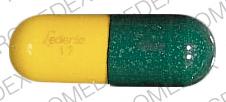
Loxitane Disease Interactions
There are 21 disease interactions with Loxitane (loxapine).
- Dementia
- CNS depression/coma
- Related psychosis
- Previous neuroleptic malignant syndrome (NMS)
- Seizure disorders
- Acute alcohol intoxication
- Cardiovascular disease
- CNS depression
- NMS
- Seizure
- Cardiovascular disease
- Glaucoma
- Hyperprolactinemia/breast cancer
- Intestinal obstruction
- Neutropenia
- Anticholinergic effects
- Dehydration
- Hyperprolactinemia
- Liver disease
- Parkinsonism
- Tardive dyskinesia
Atypical antipsychotic agents (applies to Loxitane) dementia
Major Potential Hazard, High plausibility.
Older patients with dementia-related psychosis treated with antipsychotic drugs are at an increased risk of death; although the causes were varied, most of the deaths appeared to be either cardiovascular (e.g., heart failure, sudden death) or infectious (e.g., pneumonia) in nature. A causal relationship with antipsychotic use has not been established. In controlled trials in older patients with dementia-related psychosis, patients randomized to risperidone, aripiprazole, and olanzapine had higher incidence of cerebrovascular adverse events (e.g., stroke, transient ischemic attack), including fatalities, compared to patients treated with placebo. These agents are not approved for the treatment of patients with dementia-related psychosis.
References
- (2001) "Product Information. Clozaril (clozapine)." Novartis Pharmaceuticals
- (2001) "Product Information. Risperdal (risperidone)." Janssen Pharmaceuticals
- (2001) "Product Information. Zyprexa (olanzapine)." Lilly, Eli and Company
- (2001) "Product Information. Seroquel (quetiapine)." Astra-Zeneca Pharmaceuticals
- (2001) "Product Information. Geodon (ziprasidone)." Pfizer U.S. Pharmaceuticals
- (2002) "Product Information. Abilify (aripiprazole)." Bristol-Myers Squibb
- (2007) "Product Information. Invega (paliperidone)." Janssen Pharmaceuticals
- (2009) "Product Information. Fanapt (iloperidone)." Vanda Pharmaceuticals Inc
- (2009) "Product Information. Saphris (asenapine)." Schering-Plough Corporation
- (2010) "Product Information. Latuda (lurasidone)." Sunovion Pharmaceuticals Inc
- (2015) "Product Information. Rexulti (brexpiprazole)." Otsuka American Pharmaceuticals Inc
- (2015) "Product Information. Vraylar (cariprazine)." Actavis Pharma, Inc.
- (2016) "Product Information. Nuplazid (pimavanserin)." Accelis Pharma
- (2022) "Product Information. Caplyta (lumateperone)." Intra-Cellular Therapies, Inc., SUPPL-9
Miscellaneous antipsychotics (applies to Loxitane) CNS depression/coma
Major Potential Hazard, Moderate plausibility. Applicable conditions: Altered Consciousness, Acute Alcohol Intoxication
The use of most miscellaneous antipsychotics is contraindicated in patients with severe central nervous system depression or comatose states from any cause (e.g., lesion, disease, drug or alcohol induced).
References
- (2002) "Product Information. Haldol (haloperidol)." McNeil Pharmaceutical
- (2001) "Product Information. Moban (molindone)." Gate Pharmaceuticals
- "Product Information. Orap (pimozide)." Gate Pharmaceuticals
- (2015) "Product Information. Adasuve (loxapine)." Teva Pharmaceuticals USA
Elderly patients with dementia- related psychosis treated with antipsychotic drugs are at increased risk of death. Most of these drugs are not approved for the treatment of patients with dementia- related psychosis.
References
- (2002) "Product Information. Haldol (haloperidol)." McNeil Pharmaceutical
- (2001) "Product Information. Moban (molindone)." Gate Pharmaceuticals
- (2015) "Product Information. Adasuve (loxapine)." Teva Pharmaceuticals USA
Miscellaneous antipsychotics (applies to Loxitane) previous neuroleptic malignant syndrome (NMS)
Major Potential Hazard, Moderate plausibility.
Neuroleptic Malignant Syndrome (NMS), a potentially fatal symptom complex, has been reported in association with the use of antipsychotic drugs. The diagnostic evaluation is complicated and the management requires immediate discontinuation of the antipsychotic therapy and intensive symptomatic treatment and medical monitoring. If a patient that has recovered from NMS requires antipsychotic drug treatment again, the reintroduction of therapy should be carefully considered as NMS recurrences have been reported.
References
- (2002) "Product Information. Haldol (haloperidol)." McNeil Pharmaceutical
- (2002) "Product Information. Eskalith (lithium)." SmithKline Beecham
- (2001) "Product Information. Moban (molindone)." Gate Pharmaceuticals
- "Product Information. Orap (pimozide)." Gate Pharmaceuticals
- (2015) "Product Information. Adasuve (loxapine)." Teva Pharmaceuticals USA
Miscellaneous antipsychotics (applies to Loxitane) seizure disorders
Major Potential Hazard, Moderate plausibility. Applicable conditions: CNS Disorder, Alcoholism
Antipsychotics can lower the seizure threshold and trigger seizures in a dose-dependent manner. Seizures have been reported in patients receiving antipsychotic therapy and may occur in epileptic patients even with maintenance of routine anticonvulsant treatment. Therapy with antipsychotics should be administered cautiously in patients with a history of seizures or other predisposing factors, such as head trauma, CNS abnormalities, and alcoholism. High dosages should be avoided if possible.
References
- Markowitz J, Brown R (1987) "Seizures with neuroleptics and antidepressants." Gen Hosp Psychiatry, 9, p. 135-41
- Lowry MR, Dunner FJ (1980) "Seizures during tricyclic therapy." Am J Psychiatry, 137, p. 1461-2
- (2002) "Product Information. Haldol (haloperidol)." McNeil Pharmaceutical
- (2002) "Product Information. Eskalith (lithium)." SmithKline Beecham
- (2001) "Product Information. Moban (molindone)." Gate Pharmaceuticals
- "Product Information. Orap (pimozide)." Gate Pharmaceuticals
- (2022) "Product Information. Loxitane C (loxapine)." Apothecon Inc
Neuroleptics (applies to Loxitane) acute alcohol intoxication
Major Potential Hazard, High plausibility. Applicable conditions: Alcoholism
The use of neuroleptic agents is contraindicated in patients with acute alcohol intoxication exhibiting depressed vital signs. The central nervous system depressant effects of neuroleptic agents may be additive with those of alcohol. Severe respiratory depression and respiratory arrest may occur. Therapy with neuroleptic agents should be administered cautiously in patients who might be prone to acute alcohol intake.
References
- (2002) "Product Information. Haldol (haloperidol)." McNeil Pharmaceutical
- (2001) "Product Information. Navane (thiothixene)." Roerig Division
- (2001) "Product Information. Clozaril (clozapine)." Novartis Pharmaceuticals
- (2001) "Product Information. Risperdal (risperidone)." Janssen Pharmaceuticals
- (2001) "Product Information. Zyprexa (olanzapine)." Lilly, Eli and Company
- (2001) "Product Information. Seroquel (quetiapine)." Astra-Zeneca Pharmaceuticals
- (2001) "Product Information. Moban (molindone)." Gate Pharmaceuticals
- "Product Information. Orap (pimozide)." Gate Pharmaceuticals
- (2001) "Product Information. Geodon (ziprasidone)." Pfizer U.S. Pharmaceuticals
- (2022) "Product Information. Loxitane C (loxapine)." Apothecon Inc
Neuroleptics (applies to Loxitane) cardiovascular disease
Major Potential Hazard, Moderate plausibility. Applicable conditions: Hypotension, Cerebrovascular Insufficiency, History - Cerebrovascular Disease, History - Myocardial Infarction, Heart Disease
Neuroleptic agents may cause hypotension (including orthostatic hypotension), reflex tachycardia, increased pulse rate, syncope and dizziness, particularly during initiation of therapy or rapid escalation of dosage. Tolerance to the hypotensive effects often develops after a few doses to a few weeks. Rarely, fatal cardiac arrest has occurred secondary to severe hypotension. Other reported adverse cardiovascular effects include hypertension, edema, arrhythmias, thrombophlebitis, myocarditis, angina, myocardial infarction, congestive heart failure, and ECG abnormalities such as PR and QT interval prolongation, diffuse T-wave flattening, and ST segment depression. Therapy with neuroleptic agents should be administered cautiously in patients with severe cardiovascular disease, pheochromocytoma, a predisposition to hypotension, or conditions that could be exacerbated by hypotension such as a history of myocardial infarction, angina, or ischemic stroke. Close monitoring of cardiovascular status, including ECG changes, is recommended at all dosages. If parenteral therapy is given, patients should be in a supine position during administration and for at least 30 to 60 minutes afterwards. Patients who experience orthostatic hypotension should be cautioned not to rise too abruptly. Occasionally, when severe, hypotension may require treatment with vasoconstrictive agents such as norepinephrine or phenylephrine. Epinephrine should not be used, however, since neuroleptic agents can reverse its vasopressor effects and cause a further lowering of blood pressure.
References
- Huyse F, van Schijndel RS (1988) "Haloperidol and cardiac arrest." Lancet, 2, p. 568-9
- McCance-Katz EF (1991) "New onset Raynaud's phenomenon in a schizophrenic patient ." J Clin Psychiatry, 52, p. 89-90
- (2002) "Product Information. Haldol (haloperidol)." McNeil Pharmaceutical
- (2001) "Product Information. Navane (thiothixene)." Roerig Division
- Tueth M (1993) "Side effects of clozipine (Clozaril) requiring emergency treatment." Am J Emerg Med, 11, p. 312-3
- Lieberman JA, Safferman AZ (1992) "Clinical profile of clozapine: adverse reactions and agranulocytosis." Psychiatr Q, 63, p. 51-70
- Heel RC, Brogden RN, Speight TM, Avery GS (1978) "Loxapine: a review of its pharmacological properties and therapeutic efficacy as an antipsychotic agent." Drugs, 15, p. 198-217
- Wilt JL, Minnema AM, Johnson RF, Rosenblum AM (1993) "Torsade de pointes associated with the use of intravenous haloperidol." Ann Intern Med, 119, p. 391-4
- Metzger E, Friedman R (1993) "Prolongation of the corrected QT and torsades de pointes cardiac arrhythmia associated with intravenous haloperidol in the medically ill." J Clin Psychopharmacol, 13, p. 128-32
- (2001) "Product Information. Clozaril (clozapine)." Novartis Pharmaceuticals
- (2001) "Product Information. Risperdal (risperidone)." Janssen Pharmaceuticals
- Kerwin R (1993) "Adverse reaction reporting and new antipsychotics." Lancet, 342, p. 1440
- Gupta S (1994) "Paradoxical hypertension associated with clozapine." Am J Psychiatry, 151, p. 148
- Centorrino F, Baldessarini RJ, Kando JC, Frankenburg FR, Volpicelli SA, Flood JG (1994) "Clozapine and metabolites - concentrations in serum and clinical findings during treatment of chronically psychotic patients." J Clin Psychopharmacol, 14, p. 119-25
- Marinkovic D, Timotijevic I, Babinski T, Totic S, Paunovic VR (1994) "The side-effects of clozapine: a four year follow-up study." Prog Neuropsychopharmacol Biol Psychiatry, 18, p. 537-44
- Testani M (1994) "Clozapine-induced orthostatic hypotension treated with fludrocortisone." J Clin Psychiatry, 55, p. 497-8
- Aronowitz JS, Umbricht DSG, Safferman AZ (1995) "Clozapine and new-onset ECG abnormalities." Psychosomatics, 36, p. 82-3
- (2001) "Product Information. Zyprexa (olanzapine)." Lilly, Eli and Company
- Baldassano CF, Ghaemi SN (1996) "Generalized edema with risperidone: divalproex sodium treatment." J Clin Psychiatry, 57, p. 422
- Ravin DS, Levenson JW (1997) "Fatal cardiac event following initiation of risperidone therapy." Ann Pharmacother, 31, p. 867-70
- (2001) "Product Information. Seroquel (quetiapine)." Astra-Zeneca Pharmaceuticals
- (2001) "Product Information. Moban (molindone)." Gate Pharmaceuticals
- O'Brien JM, Rockwood RP, Suh KI (1999) "Haloperidol-induced torsade de pointes." Ann Pharmacother, 33, p. 1046-9
- Talbert RL, Yee GC, DiPiro JT, Matzke GR, Posey LM, Wells BG (1999) "Pharmacotherapy: A Pathophysiologic Approach" Stamford, CT: Appleton & Lange
- (2001) "Product Information. Geodon (ziprasidone)." Pfizer U.S. Pharmaceuticals
- (2022) "Product Information. Loxitane C (loxapine)." Apothecon Inc
- Hatta K, Takahashi T, Nakamura H, Yamashiro H, Asukai N, Matsuzaki I, Yonezawa Y (2001) "The association between intravenous haloperidol and prolonged QT interval." J Clin Psychopharmacol, 21, p. 257-61
- La Grenade L, Graham D, Trontell A (2001) "Myocarditis and cardiomyopathy associated with clozapine use in the United States." N Engl J Med, 345, p. 224-5
Neuroleptics (applies to Loxitane) CNS depression
Major Potential Hazard, High plausibility. Applicable conditions: Altered Consciousness, Respiratory Arrest
The use of neuroleptic agents is contraindicated in comatose patients and patients with severe central nervous system depression. Neuroleptic agents may potentiate the CNS and respiratory depression in these patients.
References
- (2002) "Product Information. Haldol (haloperidol)." McNeil Pharmaceutical
- (2001) "Product Information. Navane (thiothixene)." Roerig Division
- Vetter PH, Proppe DG (1992) "Clozapine-induced coma." J Nerv Ment Dis, 180, p. 58-9
- (2001) "Product Information. Clozaril (clozapine)." Novartis Pharmaceuticals
- (2001) "Product Information. Moban (molindone)." Gate Pharmaceuticals
- "Product Information. Orap (pimozide)." Gate Pharmaceuticals
- (2022) "Product Information. Loxitane C (loxapine)." Apothecon Inc
Neuroleptics (applies to Loxitane) NMS
Major Potential Hazard, High plausibility. Applicable conditions: Neuroleptic Malignant Syndrome
The central dopaminergic blocking effects of neuroleptic agents may precipitate or aggravate a potentially fatal symptom complex known as neuroleptic malignant syndrome (NMS). NMS is observed most frequently when high-potency agents like haloperidol are administered intramuscularly, but may occur with any neuroleptic agent given for any length of time. Clinical manifestations of NMS include hyperpyrexia, muscle rigidity, altered mental status and autonomic instability (irregular pulse or blood pressure, tachycardia, diaphoresis and cardiac arrhythmias). Additional signs may include elevated creatine phosphokinase, myoglobinuria, and acute renal failure. Neuroleptic agents should not be given to patients with active NMS and should be immediately discontinued if currently being administered in such patients. In patients with a history of NMS, introduction or reintroduction of neuroleptic agents should be carefully considered, since NMS may recur.
References
- Hermesh H, Sirota P, Eviatar J (1989) "Recurrent neuroleptic malignant syndrome due to haloperidol and amantadine." Biol Psychiatry, 25, p. 962-5
- Ryken TC, Merrell AN (1989) "Haloperidol-induced neuroleptic malignant syndrome in a 67-year-old woman with parkinsonism." West J Med, 151, p. 326-8
- Levitt AJ, Midha R, Craven JL (1990) "Neuroleptic malignant syndrome with intravenous haloperidol." Can J Psychiatry, 35, p. 789
- Aisen PS, Lawlor BA (1992) "Neuroleptic malignant syndrome induced by low-dose haloperidol." Am J Psychiatry, 149, p. 844
- Caroff SN (1980) "The neuroleptic malignant syndrome." J Clin Psychiatry, 41, p. 79-83
- (2002) "Product Information. Haldol (haloperidol)." McNeil Pharmaceutical
- (2001) "Product Information. Navane (thiothixene)." Roerig Division
- Miller DD, Sharafuddin MJ, Kathol RG (1991) "A case of clozapine-induced neuroleptic malignant syndrome." J Clin Psychiatry, 52, p. 99-101
- DasGupta K, Young A (1991) "Clozapine-induced neuroleptic malignant syndrome." J Clin Psychiatry, 52, p. 105-7
- Anderson ES, Powers PS (1991) "Neuroleptic malignant syndrome associated with clozapine use." J Clin Psychiatry, 52, p. 102-4
- (2001) "Product Information. Clozaril (clozapine)." Novartis Pharmaceuticals
- (2001) "Product Information. Risperdal (risperidone)." Janssen Pharmaceuticals
- Nemecek D (1993) "Atropism may precipitate neuroleptic malignant syndrome during treatment with clozapine." Am J Psychiatry, 150, p. 1561
- Ewert AL, Kloek J, Wells B, Phelps S (1983) "Neuroleptic malignant syndrome associated with loxapine" J Clin Psychiatry, 44, p. 37-8
- Chong LS, Abbott PM (1991) "Neuroleptic malignant syndrome secondary to loxapine." Br J Psychiatry, 159, p. 572-3
- Padgett R, Lipman E (1989) "Use of neuroleptics after an episode of neuroleptic malignant syndrome" Can J Psychiatry, 34, p. 323-5
- Webster P, Wijeratne C (1994) "Risperidone-induced neuroleptic malignant syndrome." Lancet, 344, p. 1228-9
- Campellone JV, Mccluskey LF, Greenspan D (1995) "Fatal outcome from neuroleptic malignant syndrome associated with clozapine." Neuropsychiatry Neuropsychol Behav Neurol, 8, p. 70-3
- Raitasuo V, Vataja R, Elomaa E (1994) "Risperidone-induced neuroleptic malignant syndrome in young patient." Lancet, 344, p. 1705
- Dave M (1995) "Two cases of risperidone-induced neuroleptic malignant syndrome." Am J Psychiatry, 152, p. 1233-4
- Singer S, Richards C, Boland RJ (1995) "Two cases of risperidone-induced neuroleptic malignant syndrome." Am J Psychiatry, 152, p. 1234
- Najara JE, Enikeev ID (1995) "Risperidone and neuroleptic malignant syndrome: a case report." J Clin Psychiatry, 56, p. 534-5
- Tarsy D (1996) "Risperidone and neuroleptic malignant syndrome." JAMA, 275, p. 446
- Kern JL, Cernek PK (1996) "Delayed risperidone-induced malignant syndrome." Ann Pharmacother, 30, p. 300
- Sharma R, Trappler B, Ng YK, Leeman CP (1996) "Risperidone-induced neutroleptic malignant syndrome." Ann Pharmacother, 30, p. 775-8
- (2001) "Product Information. Zyprexa (olanzapine)." Lilly, Eli and Company
- Gleason PP, Conigliaro RL (1997) "Neuroleptic malignant syndrome with risperidone." Pharmacotherapy, 17, p. 617-21
- (2001) "Product Information. Seroquel (quetiapine)." Astra-Zeneca Pharmaceuticals
- (2001) "Product Information. Moban (molindone)." Gate Pharmaceuticals
- "Product Information. Orap (pimozide)." Gate Pharmaceuticals
- Moltz DA, Coeytaux RR (1998) "Case report: Possible neuroleptic malignant syndrome associated with olanzapine." J Clin Psychopharmacol, 18, p. 485-6
- Burkhard PR, Vingerhoets FJG (1999) "Olanzapine induced neuroleptic malignant syndrome." Arch Gen Psychiat, 56, p. 101-2
- Johnson V, Bruxner G (1998) "Neuroleptic malignant syndrome associated with olanzapine." Aust N Z J Psychiat, 32, p. 884-6
- Margolese HC, Chouinard G (1999) "Olanzapine-induced neuroleptic malignant syndrome with mental retardation." Am J Psychiat, 156, p. 1115-6
- Levenson JL (1999) "Neuroleptic malignant syndrome after the initiation of olanzapine." J Clin Psychopharmacol, 19, p. 477-8
- Nyfort-Hansen K, Alderman CP (2000) "Possible neuroleptic malignant syndrome associated with olanzapine." Ann Pharmacother, 34, p. 667
- SierraBiddle D, Herran A, DiezAja S, GonzalezMata JM, Vidal E, DiezManrique F, VazquezBarquero JL (2000) "Neuroleptic malignant syndrome and olanzapine." J Clin Psychopharmacol, 20, p. 704-5
- (2001) "Product Information. Geodon (ziprasidone)." Pfizer U.S. Pharmaceuticals
- (2022) "Product Information. Loxitane C (loxapine)." Apothecon Inc
- (2002) "Product Information. Abilify (aripiprazole)." Bristol-Myers Squibb
- (2007) "Product Information. Invega (paliperidone)." Janssen Pharmaceuticals
- (2009) "Product Information. Fanapt (iloperidone)." Vanda Pharmaceuticals Inc
- (2009) "Product Information. Saphris (asenapine)." Schering-Plough Corporation
- (2010) "Product Information. Latuda (lurasidone)." Sunovion Pharmaceuticals Inc
- (2015) "Product Information. Rexulti (brexpiprazole)." Otsuka American Pharmaceuticals Inc
- (2015) "Product Information. Vraylar (cariprazine)." Actavis Pharma, Inc.
Antipsychotic/neuroleptic agents (applies to Loxitane) seizure
Moderate Potential Hazard, Moderate plausibility. Applicable conditions: Alcoholism, Head Injury, Seizures
Antipsychotic and neuroleptic drugs can lower the seizure threshold and trigger seizures in a dose-dependent manner. This risk is greatest in patients with a history of seizures or with conditions that lower the seizure threshold. Therapy with these drugs should be administered cautiously in patients with a history of seizures or other predisposing factors, such as head trauma, CNS abnormalities, and alcoholism.
References
- (2001) "Product Information. Clozaril (clozapine)." Novartis Pharmaceuticals
- (2001) "Product Information. Risperdal (risperidone)." Janssen Pharmaceuticals
- (2001) "Product Information. Zyprexa (olanzapine)." Lilly, Eli and Company
- (2001) "Product Information. Seroquel (quetiapine)." Astra-Zeneca Pharmaceuticals
- (2001) "Product Information. Geodon (ziprasidone)." Pfizer U.S. Pharmaceuticals
- (2002) "Product Information. Abilify (aripiprazole)." Bristol-Myers Squibb
- (2007) "Product Information. Invega (paliperidone)." Janssen Pharmaceuticals
- (2009) "Product Information. Fanapt (iloperidone)." Vanda Pharmaceuticals Inc
- (2009) "Product Information. Saphris (asenapine)." Schering-Plough Corporation
- (2010) "Product Information. Latuda (lurasidone)." Sunovion Pharmaceuticals Inc
- (2015) "Product Information. Rexulti (brexpiprazole)." Otsuka American Pharmaceuticals Inc
- (2015) "Product Information. Vraylar (cariprazine)." Actavis Pharma, Inc.
- (2022) "Product Information. Caplyta (lumateperone)." Intra-Cellular Therapies, Inc., SUPPL-9
Loxapine (applies to Loxitane) cardiovascular disease
Moderate Potential Hazard, Moderate plausibility. Applicable conditions: Tachyarrhythmia
Loxapine should be administered cautiously to patients with cardiovascular disease as increased pulse rates and transient hypotension have been reported. In the presence of severe hypotension requiring vasopressor therapy, the preferred drugs may be norepinephrine and angiotensin, as usual doses of epinephrine may be ineffective as loxapine inhibits its vasopressor effect.
References
- (2015) "Product Information. Adasuve (loxapine)." Teva Pharmaceuticals USA
Loxapine (applies to Loxitane) glaucoma
Moderate Potential Hazard, Moderate plausibility. Applicable conditions: Glaucoma (Narrow Angle), Urinary Tract Obstruction
Because of the possible anticholinergic action, loxapine should be used cautiously in patients with glaucoma or with a tendency to urinary retention, particularly if used with any other drugs with anticholinergic effect (e.g., antiparkinson medication).
References
- (2015) "Product Information. Adasuve (loxapine)." Teva Pharmaceuticals USA
Miscellaneous antipsychotics (applies to Loxitane) hyperprolactinemia/breast cancer
Moderate Potential Hazard, Moderate plausibility.
Antipsychotic drugs can elevate serum prolactin concentrations, and this elevation persists during chronic administration. This should be considered if therapy will be prescribed in patients with previously detected breast cancer as one-third of human breast cancers are prolactin-dependent in vitro. Associated disturbances such as galactorrhea, amenorrhea, gynecomastia, and impotence have been reported. Appropriate laboratory testing and follow-up is advised.
References
- (2002) "Product Information. Haldol (haloperidol)." McNeil Pharmaceutical
- (2002) "Product Information. Eskalith (lithium)." SmithKline Beecham
- (2001) "Product Information. Moban (molindone)." Gate Pharmaceuticals
- "Product Information. Orap (pimozide)." Gate Pharmaceuticals
- (2015) "Product Information. Adasuve (loxapine)." Teva Pharmaceuticals USA
Miscellaneous antipsychotics (applies to Loxitane) intestinal obstruction
Moderate Potential Hazard, Moderate plausibility. Applicable conditions: Brain/Intracranial Tumor
Some antipsychotics such as loxapine and molindone have antiemetic effects and may mask signs of overdosage of toxic drugs, and may obscure conditions such as intestinal obstruction and brain tumor.
References
- (2001) "Product Information. Moban (molindone)." Gate Pharmaceuticals
- (2015) "Product Information. Adasuve (loxapine)." Teva Pharmaceuticals USA
Miscellaneous antipsychotics (applies to Loxitane) neutropenia
Moderate Potential Hazard, Moderate plausibility.
The use of antipsychotics has been associated with events of leukopenia, neutropenia and agranulocytosis. Possible risk factors include preexisting low white blood cell count, and history of drug induced leukopenia/neutropenia. Patients with these risk factors should have complete blood count monitored frequently during the first few months of therapy. Patients should also be monitored for any signs or symptoms of infection. Treatment should be discontinued in any patient who develops a sore throat, fever, stomatitis, or other signs of infection along with a low WBC count or severe neutropenia (ANC < 1000/mm3).
References
- (2002) "Product Information. Haldol (haloperidol)." McNeil Pharmaceutical
- (2002) "Product Information. Eskalith (lithium)." SmithKline Beecham
- (2001) "Product Information. Moban (molindone)." Gate Pharmaceuticals
- "Product Information. Orap (pimozide)." Gate Pharmaceuticals
- (2015) "Product Information. Adasuve (loxapine)." Teva Pharmaceuticals USA
Neuroleptics (applies to Loxitane) anticholinergic effects
Moderate Potential Hazard, Moderate plausibility. Applicable conditions: Gastrointestinal Obstruction
Most neuroleptic agents have anticholinergic activity, to which elderly patients are particularly sensitive. Clozapine and low- potency agents such as chlorpromazine and thioridazine tend to exhibit the greatest degree of anticholinergic effects in the class, while haloperidol as well as the newer, atypical agents like quetiapine, risperidone and ziprasidone have generally been associated with very low frequencies of anticholinergic adverse effects. Therapy with neuroleptic agents should be administered cautiously in patients with preexisting conditions that are likely to be exacerbated by anticholinergic activity, such as urinary retention or obstruction; angle-closure glaucoma, untreated intraocular hypertension, or uncontrolled primary open-angle glaucoma; and gastrointestinal obstructive disorders.
References
- Grohmann R, Ruther E, Sassim N, Schmidt LG (1989) "Adverse effects of clozapine." Psychopharmacology (Berl), 99, s101-4
- (2001) "Product Information. Navane (thiothixene)." Roerig Division
- Tueth M (1993) "Side effects of clozipine (Clozaril) requiring emergency treatment." Am J Emerg Med, 11, p. 312-3
- Heel RC, Brogden RN, Speight TM, Avery GS (1978) "Loxapine: a review of its pharmacological properties and therapeutic efficacy as an antipsychotic agent." Drugs, 15, p. 198-217
- (2001) "Product Information. Clozaril (clozapine)." Novartis Pharmaceuticals
- Marinkovic D, Timotijevic I, Babinski T, Totic S, Paunovic VR (1994) "The side-effects of clozapine: a four year follow-up study." Prog Neuropsychopharmacol Biol Psychiatry, 18, p. 537-44
- Cohen MAA, Alfonso CA, Mosquera M (1994) "Development of urinary retention during treatment with clozapine and meclizine." Am J Psychiatry, 151, p. 619-20
- Pinder RM, Brogden RN, Swayer R, Speight TM, Spencer R, Avery GS (1976) "Pimozide: a review of its pharmacological properties and therapeutic uses in psychiatry." Drugs, 12, p. 1-40
- Frankenburg FR, Kando JC, Centorrino F, Gilbert JM (1996) "Bladder dysfunction associated with clozapine therapy." J Clin Psychiatry, 57, p. 39-40
- (2001) "Product Information. Zyprexa (olanzapine)." Lilly, Eli and Company
- (2001) "Product Information. Moban (molindone)." Gate Pharmaceuticals
- "Product Information. Orap (pimozide)." Gate Pharmaceuticals
- Talbert RL, Yee GC, DiPiro JT, Matzke GR, Posey LM, Wells BG (1999) "Pharmacotherapy: A Pathophysiologic Approach" Stamford, CT: Appleton & Lange
- (2022) "Product Information. Loxitane C (loxapine)." Apothecon Inc
Neuroleptics (applies to Loxitane) dehydration
Moderate Potential Hazard, Moderate plausibility. Applicable conditions: Diarrhea, Vomiting
Neuroleptic agents may cause hypotension (including orthostatic hypotension) and associated reflex tachycardia, syncope or dizziness, particularly during initiation of therapy or rapid escalation of dosage. Tolerance to the hypotensive effects often develops after a few doses to a few months. Rarely, fatal cardiac arrest has occurred secondary to severe hypotension. Therapy with neuroleptic agents should be administered cautiously in patients with conditions that would predispose them to hypotension, such as hypovolemia or dehydration (e.g., due to severe diarrhea or vomiting). In addition, neuroleptic agents can interfere with the body's ability to regulate core body temperature, occasionally producing hyperthermia during strenuous exercise, exposure to hot weather, and concomitant treatment with anticholinergic medications. Patients who are dehydrated may be particularly susceptible.
References
- (2001) "Product Information. Zyprexa (olanzapine)." Lilly, Eli and Company
- (2001) "Product Information. Seroquel (quetiapine)." Astra-Zeneca Pharmaceuticals
- (2001) "Product Information. Geodon (ziprasidone)." Pfizer U.S. Pharmaceuticals
Neuroleptics (applies to Loxitane) hyperprolactinemia
Moderate Potential Hazard, Moderate plausibility. Applicable conditions: Breast Cancer
The chronic use of neuroleptic agents can cause persistent elevations in prolactin levels due to antagonism of dopamine D2 receptors. Based on in vitro data, approximately one-third of human breast cancers are thought to be prolactin-dependent. The clinical significance of this observation with respect to long-term neuroleptic therapy is unknown. Chronic administration of neuroleptic drugs has been associated with mammary tumorigenesis in rodent studies but not in human clinical or epidemiologic studies. Until further data are available, therapy with neuroleptic agents should be administered cautiously in patients with a previously detected breast cancer. Caution is also advised in patients with preexisting hyperprolactinemia. Hyperprolactinemia may suppress hypothalamic gonadotrophin releasing hormone (GnRH), resulting in reduced pituitary gonadotropin secretion. This, in turn, may inhibit reproductive function by impairing gonadal steroidogenesis in both female and male patients. Galactorrhea, amenorrhea, gynecomastia, and impotence have been reported in patients receiving prolactin-elevating compounds; however, the clinical significance of elevated serum prolactin levels is unknown for most patients. Long-standing hyperprolactinemia when associated with hypogonadism may lead to decreased bone density in both female and male patients.
References
- Meco G, Falaschi P, Casacchia M, et al. (1985) "Neuroendocrine effects of haloperidol decanoate in patients with chronic schizophrenia." Adv Biochem Psychopharmacol, 40, p. 89-93
- Ash PR, Bouma D (1981) "Exaggerated hyperprolactinemia in response to thiothixene ." Arch Neurol, 38, p. 534-5
- (2002) "Product Information. Haldol (haloperidol)." McNeil Pharmaceutical
- (2001) "Product Information. Navane (thiothixene)." Roerig Division
- Huang ML, Van Peer A, Woestenborghs R, De Coster R, Heykants J, Jansen AA, Zylicz Z, Visscher HW, Jonkman JH (1993) "Pharmacokinetics of the novel antipsychotic agent risperidone and the prolactin response in healthy subjects." Clin Pharmacol Ther, 54, p. 257-68
- (2001) "Product Information. Clozaril (clozapine)." Novartis Pharmaceuticals
- (2001) "Product Information. Risperdal (risperidone)." Janssen Pharmaceuticals
- (2001) "Product Information. Compazine (prochlorperazine)." SmithKline Beecham
- Dickson RA, Dalby JT, Williams R, Edwards AL (1995) "Risperidone-induced prolactin elevations in premenopausal women with schizophrenia." Am J Psychiatry, 152, p. 1102-3
- (2001) "Product Information. Zyprexa (olanzapine)." Lilly, Eli and Company
- (2001) "Product Information. Seroquel (quetiapine)." Astra-Zeneca Pharmaceuticals
- (2001) "Product Information. Moban (molindone)." Gate Pharmaceuticals
- "Product Information. Orap (pimozide)." Gate Pharmaceuticals
- (2001) "Product Information. Geodon (ziprasidone)." Pfizer U.S. Pharmaceuticals
- (2022) "Product Information. Loxitane C (loxapine)." Apothecon Inc
- Bai YM, Ciu HJ, Guo ZZ (2002) "Risperidone-induced hyperprolactinemia in an elderly woman." Am J Psychiatry, 159, p. 2112
Neuroleptics (applies to Loxitane) liver disease
Moderate Potential Hazard, High plausibility.
Most neuroleptic agents are extensively metabolized by the liver. The plasma concentrations of these agents may be increased and the half-lives prolonged in patients with impaired hepatic function. Therapy with neuroleptic agents should be administered cautiously in patients with significant liver disease. Lower initial dosages and slower titration may be appropriate.
References
- Hobbs DC, Welch WM, Short MJ, Moody WA, Van der Velde CD (1974) "Pharmacokinetics of thiothixene in man." Clin Pharmacol Ther, 16, p. 473-8
- Hobbs DC (1968) "Metabolism of thiothixene." J Pharm Sci, 57, p. 105-11
- Jann MW, Grimsley SR, Gray EC, Chang WH (1993) "Pharmacokinetics and pharmacodynamics of clozapine." Clin Pharmacokinet, 24, p. 161-76
- (2001) "Product Information. Navane (thiothixene)." Roerig Division
- Heel RC, Brogden RN, Speight TM, Avery GS (1978) "Loxapine: a review of its pharmacological properties and therapeutic efficacy as an antipsychotic agent." Drugs, 15, p. 198-217
- (2001) "Product Information. Clozaril (clozapine)." Novartis Pharmaceuticals
- (2001) "Product Information. Zyprexa (olanzapine)." Lilly, Eli and Company
- (2001) "Product Information. Seroquel (quetiapine)." Astra-Zeneca Pharmaceuticals
- (2001) "Product Information. Moban (molindone)." Gate Pharmaceuticals
- (2001) "Product Information. Geodon (ziprasidone)." Pfizer U.S. Pharmaceuticals
- (2022) "Product Information. Loxitane C (loxapine)." Apothecon Inc
Neuroleptics (applies to Loxitane) parkinsonism
Moderate Potential Hazard, High plausibility.
The use of neuroleptic agents is associated with pseudo-parkinsonian symptoms such as akinesia, bradykinesia, tremors, pill-rolling motion, cogwheel rigidity, and postural abnormalities including stooped posture and shuffling gait. The onset is usually 1 to 2 weeks following initiation of therapy or an increase in dosage. Older neuroleptic agents such as haloperidol are more likely to induce these effects, and their use may be contraindicated in patients with Parkinson's disease or parkinsonian symptoms.
References
- Moleman P, Janzen G, von Bargen BA, et al. (1986) "Relationship between age and incidence of parkinsonism in psychiatric patients treated with haloperidol." Am J Psychiatry, 143, p. 232-4
- (2002) "Product Information. Haldol (haloperidol)." McNeil Pharmaceutical
- Heel RC, Brogden RN, Speight TM, Avery GS (1978) "Loxapine: a review of its pharmacological properties and therapeutic efficacy as an antipsychotic agent." Drugs, 15, p. 198-217
- Bransgrove LL, Kelly MW (1994) "Movement disorders in patients treated with long-acting injectable antipsychotic drugs." Am J Hosp Pharm, 51, p. 895-9
- Owens DGC (1994) "Extrapyramidal side effects and tolerability of risperidone - a review." J Clin Psychiatry, 55 Suppl, p. 29-35
- Pinder RM, Brogden RN, Swayer R, Speight TM, Spencer R, Avery GS (1976) "Pimozide: a review of its pharmacological properties and therapeutic uses in psychiatry." Drugs, 12, p. 1-40
- Sheppard C, Merlis S (1967) "Drug-induced extrapyramidal symptoms: their incidence and treatment." Am J Psychiatry, 123, p. 886-9
- Boston Collaborative Drug Surveillance Program (1973) "Drug-induced extrapyramidal symptoms." JAMA, 224, p. 889-91
- Mahmood T, Clothier EB, Bridgman R (1995) "Risperidone-induced extrapyramidal reactions." Lancet, 346, p. 1226
- Gwinn KA, Caviness JN (1997) "Risperidone-induced tardive dyskinesia and parkinsonism." Mov Disord, 12, p. 119-21
- (2001) "Product Information. Moban (molindone)." Gate Pharmaceuticals
- "Product Information. Orap (pimozide)." Gate Pharmaceuticals
- Talbert RL, Yee GC, DiPiro JT, Matzke GR, Posey LM, Wells BG (1999) "Pharmacotherapy: A Pathophysiologic Approach" Stamford, CT: Appleton & Lange
- (2022) "Product Information. Loxitane C (loxapine)." Apothecon Inc
Neuroleptics (applies to Loxitane) tardive dyskinesia
Moderate Potential Hazard, High plausibility.
Tardive dyskinesia (TD) has occurred in patients treated with antipsychotic drugs; the syndrome consists of potentially irreversible, involuntary, dyskinetic movements. The risk appears highest in older patients (particularly older women) but it is not possible to predict which patients are likely to develop TD; whether antipsychotic drugs differ in their potential to cause TD is unknown. The risk of TD and the likelihood that it will become irreversible increase with the duration of therapy and the total cumulative dose. The syndrome can develop after relatively brief treatment periods, even at low dosages; it may also occur after discontinuation of therapy. TD may remit (partially or completely) upon discontinuation of antipsychotic therapy, although antipsychotic therapy itself may suppress (or partially suppress) signs/symptoms of TD, possibly masking the underlying process; the effect of symptomatic suppression on the long-term course of TD is unknown. In patients with preexisting drug-induced TD, initiating or increasing the dosage of antipsychotic therapy may temporarily mask the symptoms of TD but could eventually worsen the condition. In patients requiring chronic therapy, the lowest dose and shortest duration of therapy producing a satisfactory clinical response are recommended; the need for continued therapy should be reassessed periodically. If signs/symptoms of TD occur during antipsychotic therapy, discontinuation of the offending agent should be considered; however, some patients may require treatment despite the presence of TD.
References
- (2020) "Product Information. Abilify (ARIPiprazole)." Otsuka American Pharmaceuticals Inc, SUPPL-45
- (2021) "Product Information. Rexulti (brexpiprazole)." Otsuka American Pharmaceuticals Inc, SUPPL-7
- (2019) "Product Information. Vraylar (cariprazine)." Allergan Inc, SUPPL-6
- (2019) "Product Information. Latuda (lurasidone)." Sunovion Pharmaceuticals Inc, SUPPL-35
- (2022) "Product Information. Seroquel (QUEtiapine)." Astra-Zeneca Pharmaceuticals, SUPPL-72
- (2022) "Product Information. Caplyta (lumateperone)." Intra-Cellular Therapies, Inc., SUPPL-9
- (2020) "Product Information. Haldol (haloperidol)." Janssen Pharmaceuticals, SUPPL-76
- (2022) "Product Information. Thiothixene (thiothixene)." Amneal Pharmaceuticals LLC
- (2021) "Product Information. Clozaril (cloZAPine)." HLS Therapeutics Inc, SUPPL-88
- (2021) "Product Information. RisperDAL (risperiDONE)." Janssen Pharmaceuticals, SUPPL-83
- (2020) "Product Information. ZyPREXA (OLANZapine)." Lilly, Eli and Company, SUPPL-74
- (2017) "Product Information. Moban (molindone)." Endo Laboratories LLC, SUPPL-68
- (2017) "Product Information. Pimozide (pimozide)." Par Pharmaceutical Inc
- (2022) "Product Information. Geodon (ziprasidone)." Pfizer Inc., SUPPL-63
- (2016) "Product Information. Loxapine Succinate (loxapine)." Actavis U.S. (Amide Pharmaceutical Inc)
- (2022) "Product Information. Invega (paliperidone)." Janssen Pharmaceuticals, SUPPL-39
- (2017) "Product Information. Fanapt (iloperidone)." Vanda Pharmaceuticals Inc, SUPPL-21
- (2017) "Product Information. Saphris (asenapine)." Schering-Plough Corporation, SUPPL-22
Loxitane drug interactions
There are 417 drug interactions with Loxitane (loxapine).
Loxitane alcohol/food interactions
There is 1 alcohol/food interaction with Loxitane (loxapine).
Report options

More about Loxitane (loxapine)
- Loxitane consumer information
- Check interactions
- Compare alternatives
- Drug images
- Side effects
- Dosage information
- During pregnancy
- Drug class: miscellaneous antipsychotic agents
- Breastfeeding
Related treatment guides
Drug Interaction Classification
| Highly clinically significant. Avoid combinations; the risk of the interaction outweighs the benefit. | |
| Moderately clinically significant. Usually avoid combinations; use it only under special circumstances. | |
| Minimally clinically significant. Minimize risk; assess risk and consider an alternative drug, take steps to circumvent the interaction risk and/or institute a monitoring plan. | |
| No interaction information available. |
Further information
Always consult your healthcare provider to ensure the information displayed on this page applies to your personal circumstances.