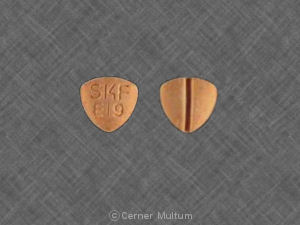
Dexedrine Disease Interactions
There are 13 disease interactions with Dexedrine (dextroamphetamine).
- Cardiovascular
- Glaucoma
- Agitation
- Cardiac disease
- Glaucoma
- Hypertension
- Psychiatric disorders
- Substance abuse
- Tics
- Liver disease
- Renal dysfunction
- Seizure disorders
- Diabetics
Amphetamines (applies to Dexedrine) cardiovascular
Major Potential Hazard, Moderate plausibility. Applicable conditions: Heart Disease, Hyperthyroidism, Cardiovascular Disease, Cerebral Vascular Disorder, History - Myocardial Infarction, History - Cerebrovascular Disease
Many amphetamines and amphetamine-like drugs are contraindicated in patients with advanced arteriosclerosis, symptomatic or unstable cardiac or cerebrovascular disease, moderate to severe hypertension, or hyperthyroidism. Like other sympathomimetic amines, amphetamines may cause cardiovascular adverse effects such as palpitation, tachycardia, cardiac arrhythmias, and elevation of blood pressure. Rarely, cardiomyopathy manifested as ventricular hypertrophy and/or congestive heart failure has been reported during chronic amphetamine use. In addition, sudden death has been reported in association with amphetamine therapy at usual dosages in children with structural cardiac abnormalities. In general, amphetamines should not be used in patients with structural cardiac abnormalities. If not otherwise contraindicated, therapy with amphetamines should be administered cautiously in patients with a current or past history of cardiovascular or cerebrovascular disease.
Amphetamines (applies to Dexedrine) glaucoma
Major Potential Hazard, Moderate plausibility. Applicable conditions: Glaucoma/Intraocular Hypertension
Some amphetamines and amphetamine-like drugs are contraindicated in patients with narrow-angle glaucoma or anatomically narrow angles. Like other sympathomimetic amines, amphetamines can induce transient mydriasis. In patients with narrow angles, pupillary dilation can provoke an acute attack of angle-closure glaucoma. If possible, these agents should also be avoided in patients with other forms of glaucoma since mydriasis may occasionally increase intraocular pressure.
CNS stimulants (applies to Dexedrine) agitation
Major Potential Hazard, Moderate plausibility. Applicable conditions: Psychosis, Neurosis, Anxiety/Stress
Some CNS stimulants are contraindicated in patients with marked agitation and/or anxiety since these symptoms may be aggravated. CNS stimulants may also exacerbate symptoms of behavior disturbance and thought disorder in psychotic patients, particularly children. Therapy with CNS stimulants should be administered cautiously in patients with a history of psychosis or a predisposition to agitated states.
CNS stimulants (applies to Dexedrine) cardiac disease
Major Potential Hazard, Moderate plausibility. Applicable conditions: Heart Disease, Hypertension, Pheochromocytoma, Hyperthyroidism, Peripheral Arterial Disease
Many CNS stimulants are contraindicated in patients with significant cardiovascular impairment such as uncompensated heart failure, severe coronary disease, severe hypertension (including that associated with hyperthyroidism or pheochromocytoma), cardiac structural abnormalities, serious arrhythmias, etc. Sudden death has been reported in patients with structural cardiac abnormalities or other serious cardiac disease who are treated with CNS stimulants at the recommended dosages for attention deficit hyperactivity disorder; use of these agents should be avoided in patients with known structural cardiac abnormalities, cardiomyopathy, serious cardiac arrhythmia, coronary artery disease, or other serious cardiac disease. Additionally, stroke, myocardial infarction, chest pain, syncope, arrhythmias, and other symptoms have been reported in adults under treatment. A careful assessment of the cardiovascular status should be done in patients being considered for treatment. This includes family history, physical exam, and further cardiac evaluation (EKG and echocardiogram). Patients who develop symptoms should have a detailed cardiac evaluation and if needed, treatment should be suspended.
CNS stimulants (applies to Dexedrine) glaucoma
Major Potential Hazard, Moderate plausibility. Applicable conditions: Glaucoma/Intraocular Hypertension
The use of most CNS stimulants is contraindicated in patients with glaucoma, as these agents exhibit sympathomimetic activity and may induce mydriasis provoking an increase in intraocular pressure.
CNS stimulants (applies to Dexedrine) hypertension
Major Potential Hazard, Moderate plausibility.
CNS stimulants increase blood pressure and heart rate; the use of some agents may be contraindicated in patients with severe/uncontrolled hypertension. Caution should be used when administering to patients with preexisting high blood pressure (even mild hypertension) and other cardiovascular conditions. All patients under treatment should be regularly monitored for potential tachycardia and hypertension.
CNS stimulants (applies to Dexedrine) psychiatric disorders
Major Potential Hazard, Moderate plausibility. Applicable conditions: Psychosis, Depression
The use of CNS stimulants can cause psychotic symptoms, suicidal ideation, and aggression, and can exacerbate symptoms of behavior disturbance and thought disorder; CNS stimulants may induce a manic or mixed episode in patients with bipolar disorder. Psychiatric symptoms have been reported in patients with and without history of psychiatric disorders. All patients (particularly those with psychotic or bipolar disorders) should be monitored closely, especially during treatment initiation and at times of dose changes. Extreme caution should be exercised when CNS stimulants are given to patients with a history of psychosis, depression, mania, or bipolar disorder. Prior to initiating therapy, all patients should be screened for risk factors for developing a manic episode (e.g., comorbid or history of depressive symptoms or family history of suicide, bipolar disease, or depression). If any psychiatric symptoms emerge or are exacerbated, treatment suspension should be considered. Some CNS stimulants are contraindicated in patients with marked agitation or anxiety.
CNS stimulants (applies to Dexedrine) substance abuse
Major Potential Hazard, Moderate plausibility. Applicable conditions: Alcoholism, Drug Abuse/Dependence
CNS stimulants (especially amphetamines) have a high potential for abuse and misuse, which can lead to development of a substance use disorder, including addiction. Misuse and abuse of CNS stimulants can result in overdose and death; this risk is increased with higher doses or unapproved methods of administration (e.g., snorting, injection). Before prescribing a CNS stimulant, each patient's risk for abuse, misuse, and addiction should be assessed. Throughout therapy, it is recommended to reassess each patient's risk and frequently monitor for signs/symptoms of abuse, misuse, and addiction. Therapy with CNS stimulants should be administered cautiously, if at all, in patients with a history of alcohol or substance abuse. The use of some agents is contraindicated in patients with a history of drug abuse.
CNS stimulants (applies to Dexedrine) tics
Major Potential Hazard, Moderate plausibility. Applicable conditions: Tic Disorder
CNS stimulants have been reported to worsen Tourette's syndrome and exacerbate motor and verbal tics. Before initiating therapy, it is recommended to assess family history and clinically evaluate patients for tics or Tourette's syndrome. Therapy with CNS stimulants, if necessary, should be administered cautiously in patients with tic disorders or family history of Tourette's syndrome. The manufacturers of the CNS stimulants, methylphenidate (racemic) and dexmethylphenidate (the more pharmacologically active d-enantiomer), consider their use to be contraindicated in such patients.
CNS stimulants (applies to Dexedrine) liver disease
Moderate Potential Hazard, Moderate plausibility.
In general, CNS stimulants are extensively metabolized by the liver. Their plasma clearance may be decreased and their half-life prolonged in patients with impaired hepatic function. Therapy with CNS stimulants should be administered cautiously in patients with moderate to severe liver disease, and the dosage should be adjusted accordingly in certain agents. Additionally, postmarketing reports have shown that atomoxetine can cause severe liver injury; laboratory testing should be done at the first sign/symptom of liver dysfunction (jaundice, dark urine, upper quadrant tenderness) and treatment should be discontinued in patients with evidence of liver injury.
CNS stimulants (applies to Dexedrine) renal dysfunction
Moderate Potential Hazard, Moderate plausibility.
Overall CNS stimulants should be administered with caution in patients with significantly impaired renal function as the reduction in the rate of elimination may alter the therapeutic response. The dosage should be adjusted accordingly in certain agents.
CNS stimulants (applies to Dexedrine) seizure disorders
Moderate Potential Hazard, Moderate plausibility. Applicable conditions: Seizures
Due to general central nervous system stimulation, therapy with CNS stimulant drugs may cause seizures. These drugs may lower the convulsive threshold in patients with history of seizures, with prior electroencephalogram (EEG) abnormalities without seizures, and very rarely, without history of seizures and no prior EEG evidence of seizures. Therapy with CNS stimulants should be used with caution in patients with or predisposed to seizures. If seizures occur, therapy should be discontinued.
Obesity drugs (applies to Dexedrine) diabetics
Moderate Potential Hazard, Moderate plausibility. Applicable conditions: Diabetes Type 2
Obese, type 2 diabetic patients who achieve weight loss may demonstrate improved metabolic control of their disease as a result of their reduced weight. Therefore, patients with type 2 diabetes mellitus should be monitored during weight-reduction therapy (or therapy that may be expected to induce significant weight loss as a secondary effect) for hypoglycemia and reduced need for oral hypoglycemic medication or insulin, and the dosages of these agents adjusted accordingly. Patients should be apprised of the risk of hypoglycemia and be alert to potential signs and symptoms such as headache, dizziness, drowsiness, nervousness, confusion, tremor, hunger, weakness, perspiration, and palpitation.
Dexedrine drug interactions
There are 173 drug interactions with Dexedrine (dextroamphetamine).
Dexedrine alcohol/food interactions
There are 3 alcohol/food interactions with Dexedrine (dextroamphetamine).
Report options

More about Dexedrine (dextroamphetamine)
- Dexedrine consumer information
- Check interactions
- Compare alternatives
- Pricing & coupons
- Reviews (120)
- Drug images
- Latest FDA alerts (4)
- Side effects
- Dosage information
- During pregnancy
- Generic availability
- Drug class: CNS stimulants
- Breastfeeding
- En español
Related treatment guides
Drug Interaction Classification
| Highly clinically significant. Avoid combinations; the risk of the interaction outweighs the benefit. | |
| Moderately clinically significant. Usually avoid combinations; use it only under special circumstances. | |
| Minimally clinically significant. Minimize risk; assess risk and consider an alternative drug, take steps to circumvent the interaction risk and/or institute a monitoring plan. | |
| No interaction information available. |
Further information
Always consult your healthcare provider to ensure the information displayed on this page applies to your personal circumstances.