
Preterm Labor
Medically reviewed by Drugs.com. Last updated on Jun 30, 2025.
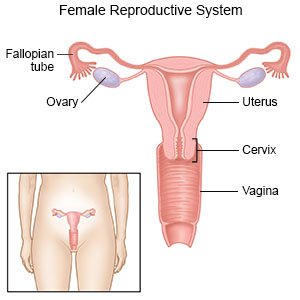
Preterm (premature) labor occurs when the uterus contracts and your cervix opens earlier than normal. The cervix is the opening of your uterus. Preterm labor happens after the 20th week of pregnancy but before the 37th week. You may have premature rupture of membranes (PROM). PROM means your water broke before labor began. An early labor could cause you to have your baby before he or she is ready to be born.
 |
DISCHARGE INSTRUCTIONS:
Call your local emergency number (911 in the US) if:
- You see or feel like there is something in your vagina.
Call your doctor if:
- You have bright red, painless vaginal bleeding.
- Your symptoms do not get better or they get worse.
- Your water broke or you feel warm water gushing or trickling from your vagina.
- You have contractions that get stronger and closer together for more than 1 hour.
- You notice a decrease in your baby's movement.
- You have abdominal cramps, pressure, or tightening.
- You have a change in vaginal discharge.
- You have a fever.
- You have burning when you urinate or you are urinating less than is normal for you.
- You have questions or concerns about your condition or care.
Related medications
Cyklokapron
Cyklokapron is used for bleeding disorder, factor ix deficiency, hemophilia a
Zoladex
Zoladex (goserelin) is used to treat endometriosis and breast cancer in women and prostate cancer ...
Botox
Botox is used cosmetically to reduce facial lines and wrinkles and for medical purposes for ...
Dextran 70 6% in 5% Dextrose
Dextran 70 6% in 5% Dextrose is used for bleeding disorder
Dextran, high molecular weight
Dextran, high molecular weight is used for bleeding disorder
Goserelin
Goserelin implants are used to treat the symptoms of prostate cancer. Includes goserelin side ...
Tranexamic acid
Tranexamic acid is used for bleeding disorder, factor ix deficiency, heavy menstrual bleeding ...
Medicines:
- Antibiotics may be given to treat a bacterial infection.
- Take your medicine as directed. Contact your healthcare provider if you think your medicine is not helping or if you have side effects. Tell your provider if you are allergic to any medicine. Keep a list of the medicines, vitamins, and herbs you take. Include the amounts, and when and why you take them. Bring the list or the pill bottles to follow-up visits. Carry your medicine list with you in case of an emergency.
Self-care:
- Rest as much as possible. You may need to lie on your left side to improve circulation to the uterus and baby. You may be able to prevent preterm labor by resting and reducing your physical activity.
- Ask your healthcare provider about activities that are safe for you to do. Your healthcare provider or obstetrician may recommend that you avoid sexual intercourse. Ask your healthcare provider if exercise is safe.
- Drink liquids as directed. Ask how much liquid to drink each day and which liquids are best for you.
- Do not smoke. Your baby may not grow well and he or she may weigh less at birth if you smoke during pregnancy. Smoking also increases the risk that your baby will be born too early. Nicotine and other chemicals in cigarettes and cigars can cause lung damage. Ask your healthcare provider for information if you currently smoke and need help to quit. E-cigarettes or smokeless tobacco still contain nicotine. Talk to your healthcare provider before you use these products.
- Do not drink alcohol. Alcohol may harm your unborn baby and cause preterm labor.
- Maintain a healthy weight. A healthy weight may prevent preterm labor. Ask your healthcare provider how much weight you should gain during your pregnancy.
Follow up with your doctor as directed:
Write down your questions so you remember to ask them during your visits.
© Copyright Merative 2025 Information is for End User's use only and may not be sold, redistributed or otherwise used for commercial purposes.
The above information is an educational aid only. It is not intended as medical advice for individual conditions or treatments. Talk to your doctor, nurse or pharmacist before following any medical regimen to see if it is safe and effective for you.
Further information
Always consult your healthcare provider to ensure the information displayed on this page applies to your personal circumstances.