
Laparoscopic Colostomy Reversal
Medically reviewed by Drugs.com. Last updated on Jun 2, 2025.
Laparoscopic colostomy reversal is surgery to remove your stoma and reconnect your colon. It is also called a colostomy takedown.
DISCHARGE INSTRUCTIONS:
Call your local emergency number (911 in the US) if:
- You suddenly feel lightheaded and short of breath.
- You have chest pain when you take a deep breath or cough. You may cough up blood.
Seek care immediately if:
- You have severe pain in your abdomen.
- Your abdomen becomes swollen and hard.
- Your vomit or bowel movements are black or have blood in them.
- Your arm or leg feels warm, tender, and painful. It may look swollen and red.
Call your surgeon or doctor if:
- You have a fever of 101ºF (38.3ºC) or higher.
- You are not able to have a bowel movement for 3 days.
- You have nausea or are vomiting.
- Blood soaks through your bandage.
- Your surgery area is red, warm, swollen, or draining pus.
- You have questions or concerns about your condition or care.
Related medications
Anusol-HC Suppositories
Anusol-HC Suppositories is used for anal itching, hemorrhoids, proctitis, pruritus
Lialda
Lialda (mesalamine) is used to treat ulcerative colitis, proctitis and proctosigmoiditis. Includes ...
Ozempic
Learn about Ozempic (semaglutide) for type 2 diabetes treatment, weight management, cardiovascular ...
Humira
Humira is a tumor necrosis factor blocker used to treat many inflammatory conditions in adults ...
Entyvio
Entyvio (vedolizumab) is used to treat ulcerative colitis (UC) and Crohn's disease, reducing ...
Flagyl
Flagyl is used to treat bacterial infections of the vagina, stomach, skin and joints. Learn about ...
Stelara
Stelara (ustekinumab) is used to treat Crohn's disease, ulcerative colitis, plaque psoriasis, and ...
Xeljanz
Xeljanz (tofacitinib) is an oral Janus kinase (JAK) inhibitor that may be used alone or with other ...
Rinvoq
Rinvoq (upadacitinib) is used to treat rheumatoid arthritis, psoriatic arthritis, atopic ...
Vedolizumab
Vedolizumab (Entyvio) is used for ulcerative colitis (UC) or Crohn's disease to improve symptoms ...
Care for the surgery area as directed:
Check the area for signs of infection daily. Signs of infection include redness, swelling, foul smell, pain, or pus. Change your bandage if it gets wet or dirty and as directed by your healthcare provider. The steristrips will fall off on their own in about 3 weeks.
Self-care:
- Use adult incontinence briefs. As your bowel function gets back to normal, you may have accidents. Your bowel movements may be more liquid.
- You may need a barrier cream to keep your anus from getting irritated from wiping. Clean your anus with warm water after each bowel movement. Reapply barrier cream after cleaning. Do not use baby wipes or powder. These can cause more irritation.
- Do not lift more than 10 pounds for 4 weeks or as directed. Do not bend or twist. This will help your surgery area heal and decrease your risk for a hernia.
- Do not drive until your healthcare provider says it is okay.
Do not smoke:
Nicotine and other chemicals in cigarettes and cigars can cause blood vessel damage. Blood vessel damage can keep your surgery area from healing properly. Ask your healthcare provider for information if you currently smoke and need help to quit. E-cigarettes or smokeless tobacco still contain nicotine. Talk to your healthcare provider before you use these products.
Nutrition after surgery:
- Do not eat late at night. You may have bowel movements through the night. Your digestive system needs time to work properly.
- Eat a variety of high-fiber foods to prevent constipation. High-fiber foods include cooked beans, fruits, vegetables, and some cereals. Ask your healthcare provider how much fiber you should have.

- Avoid or limit foods that can irritate your digestive system. These foods include spicy and fatty foods, and citrus fruits, such as lemons and oranges. Also avoid foods that cause gas, such as broccoli, cabbage, and cauliflower. Beans, eggs, and fish may also cause gas. Limit alcohol and carbonated drinks, such as soft drinks.
- Drink liquids as directed to prevent constipation. Ask your healthcare provider how much liquid to drink each day and which liquids are best for you.
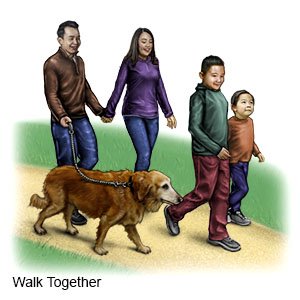
- Exercise regularly. Exercise helps move bowel movements through your colon. It also helps prevent blood clots. Ask your healthcare provider about the best exercise plan for you.
Follow up with your surgeon as directed:
You may need more tests to make sure your colon is healing properly. Write down your questions so you remember to ask them during your visits.
© Copyright Merative 2025 Information is for End User's use only and may not be sold, redistributed or otherwise used for commercial purposes.
The above information is an educational aid only. It is not intended as medical advice for individual conditions or treatments. Talk to your doctor, nurse or pharmacist before following any medical regimen to see if it is safe and effective for you.
Further information
Always consult your healthcare provider to ensure the information displayed on this page applies to your personal circumstances.