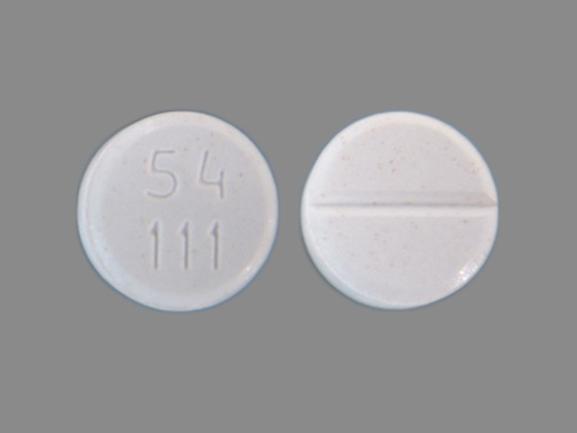
Mefloquine
Generic name: mefloquine [ MEF-loe-kwin ]
Brand name: Lariam
Dosage form: oral tablet (250 mg)
Drug class: Antimalarial quinolines
What is mefloquine?
Mefloquine is a medicine used to treat malaria, a disease caused by parasites. mefloquine works by interfering with the growth of parasites in the red blood cells of the human body.
Parasites that cause malaria typically enter the body through the bite of a mosquito. Malaria is common in areas such as Africa, South America, and Southern Asia.
Mefloquine is also used to prevent malaria.
Mefloquine may also be used for purposes not listed in this medication guide.
Mefloquine side effects
Get emergency medical help if you have any of these signs of an allergic reaction: hives; difficulty breathing; swelling of your face, lips, tongue, or throat.
Stop taking mefloquine and call your doctor right away if you any of these side effects:
-
sudden headache, ringing in your ears, dizziness, loss of balance, or problems with coordination;
-
severe anxiety, depression;
-
paranoia, hallucinations (seeing or hearing things that are not real);
-
confusion, unusual behavior; or
-
thoughts about suicide or hurting yourself.
Mefloquine may cause serious side effects. Stop using mefloquine and call your doctor at once if you have:
-
a light-headed feeling, like you might pass out;
-
seizure (convulsions);
-
increased blood pressure--severe headache, blurred vision, chest pain, shortness of breath, uneven heartbeats; or
-
liver problems--nausea, upper stomach pain, itching, tired feeling, loss of appetite, dark urine, clay-colored stools, jaundice (yellowing of the skin or eyes).
Common side effects of mefloquine may include:
-
stomach pain, vomiting, diarrhea;
-
dizziness;
-
fever, chills; or
-
mild skin rash.
This is not a complete list of side effects and others may occur. Call your doctor for medical advice about side effects. You may report side effects to FDA at 1-800-FDA-1088.
Related/similar drugs
doxycycline, clindamycin, hydroxychloroquine, Plaquenil, Vibramycin, Malarone
Warnings
Some people taking mefloquine have had sudden serious psychiatric or nerve problems, some of which lasted long after they stopped taking mefloquine. These side effects can be permanent.
Stop taking mefloquine and call your doctor right away if have any of these side effects: headache, ringing in your ears, dizziness, loss of balance, problems with coordination, anxiety, depression, paranoia, hallucinations, or thoughts about suicide or hurting yourself.
You should not take mefloquine to prevent malaria if you have a recent history of depression, an anxiety disorder, seizures, mental illness (such as schizophrenia), or psychosis.
Before taking this medicine
Some people taking mefloquine have had sudden serious psychiatric or nerve problems. Some of these effects have lasted for months to years after mefloquine treatment ended, and these side effects can be permanent. Talk to your doctor if you have concerns about taking mefloquine.
You should not use this medication if you are allergic to mefloquine or similar medications such as quinine or quinidine.
You also should not use mefloquine to prevent malaria if you have a recent history of:
-
depression;
-
an anxiety disorder;
-
seizures; or
-
mental illness (such as schizophrenia) or psychosis.
However, your doctor may prescribe mefloquine to treat malaria even if you do have any of the conditions listed above.
To make sure mefloquine is safe for you, tell your doctor if you have:
-
epilepsy or other seizure disorder;
-
diabetes;
-
bleeding or blood clotting disorder;
-
a history of mental disease; or
-
if you take a blood thinner (warfarin, Coumadin, Jantoven).
FDA pregnancy category B. It is not known whether mefloquine will harm an unborn baby. Tell your doctor if you are pregnant or if you become pregnant while using this medication. Use effective birth control while you are using this medication and for at least 3 months after your treatment ends.
Mefloquine can pass into breast milk and may harm a nursing baby. Tell your doctor if you are breast-feeding a baby.
Mefloquine should not be used to treat malaria in a child younger than 6 months without a doctor's advice. Mefloquine should not be used to prevent malaria in a child who weighs less than 44 pounds.
How should I take mefloquine?
Follow all directions on your prescription label. Do not take mefloquine in larger or smaller amounts or for longer than recommended.
It is important to use this medication regularly (before, during and after travel) to best prevent malaria. If you stop using the medication early for any reason, talk to your doctor about other forms of malaria prevention.
Take mefloquine just after your main meal.
Take this medicine with a full glass (8 ounces) of water.
If you have trouble swallowing the mefloquine tablet, you may crush the tablet and mix it into a small glass of milk, water, or other beverage to make swallowing easier.
If you vomit within 30 minutes after taking mefloquine, take another full dose. If you vomit 30 to 60 minutes after taking the medicine, take another half dose. If your vomiting continues, call your doctor.
If you are taking this medicine to prevent malaria:
-
Mefloquine is usually taken once per week to prevent malaria.
-
Start taking the medicine 1 to 3 weeks before entering an area where malaria is common. Continue taking the medicine once weekly during your stay and for at least 4 weeks after you leave the area.
-
Take your weekly dose on the same day each week.
-
If you stop taking the medicine early for any reason, contact a healthcare professional about another form of malaria prevention.
If you are taking mefloquine to treat malaria:
-
Take as directed by your doctor.
In addition to taking mefloquine, use protective clothing, insect repellents, and mosquito netting around your bed to further prevent mosquito bites that could cause malaria.
If you use this medication long-term, you may need frequent blood tests to check your liver function. Your vision may also need to be checked.
Contact your doctor as soon as possible if you have been exposed to malaria, or if you have fever or other symptoms of illness during or after a stay in an area where malaria is common.
No medication is 100% effective in treating or preventing malaria. For best results, keep using the medication as directed. Talk with your doctor if you have fever, vomiting, or diarrhea during your treatment.
Store at room temperature away from moisture and heat.
What happens if I miss a dose?
Since mefloquine is often used as a single dose, you may not be on a dosing schedule. If you are on a weekly schedule, use the missed dose as soon as you remember. Then take the next dose on your next usual dosing day. Do not use extra medicine to make up the missed dose.
Call your doctor for instructions if you forget to take the medicine within 1 week before your travel.
What happens if I overdose?
Seek emergency medical attention or call the Poison Help line at 1-800-222-1222.
What should I avoid while taking mefloquine?
Do not take halofantrine or ketoconazole while you are taking mefloquine and for at least 15 weeks after you stop taking it. Serious, life-threatening side effects on your heart can occur if you take halofantrine before the mefloquine has cleared from your body.
Avoid taking chloroquine, quinine, or quinidine while you are taking mefloquine.
Mefloquine can cause side effects that may impair your thinking or reactions. Be careful if you drive, operate machinery, pilot an airplane, scuba dive, or do anything that requires you to be awake and alert.
What other drugs will affect mefloquine?
Many drugs can interact with mefloquine. Not all possible interactions are listed here. Tell your doctor about all your medications and any you start or stop using during treatment with mefloquine, especially:
-
heart or blood pressure medication;
-
medicine to treat depression or mental illness;
-
seizure medication;
-
tuberculosis medication; or
-
a "live" vaccine such as measles, mumps, and rubella (MMR).
This list is not complete and many other drugs can interact with mefloquine. This includes prescription and over-the-counter medicines, vitamins, and herbal products. Give a list of all your medicines to any healthcare provider who treats you.
More about mefloquine
- Check interactions
- Compare alternatives
- Pricing & coupons
- Reviews (26)
- Drug images
- Side effects
- Dosage information
- During pregnancy
- Drug class: antimalarial quinolines
- Breastfeeding
- En español
Patient resources
Other brands
Professional resources
Related treatment guides
Further information
Remember, keep this and all other medicines out of the reach of children, never share your medicines with others, and use this medication only for the indication prescribed.
Always consult your healthcare provider to ensure the information displayed on this page applies to your personal circumstances.
Copyright 1996-2024 Cerner Multum, Inc. Version: 9.01.