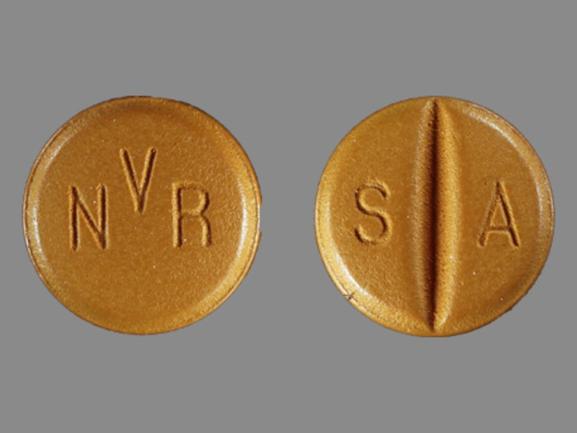
Gleevec
Pronunciation: ɡli-vɪk
Generic name: imatinib
Dosage form: tablet
Drug class: BCR-ABL tyrosine kinase inhibitors
What is Gleevec?
Gleevec is a targeted therapy cancer treatment used to treat specific types of leukemia (blood cancer), bone marrow disorders, skin cancers and certain tumors of the stomach and digestive system.
Gleevec (imatinib) is an oral tablet that is taken once or twice a day.
Gleevec works by interfering with specific proteins that help tumors grow and spread through the body; they come from the family of medicines called BCR-ABL tyrosine kinase inhibitors. Gleevec was a groundbreaking cancer treatment when it was first FDA approved on May 10, 2001.
Gleevec is used to treat specific types of these cancers:
- Chronic Myeloid (myelogenous) Leukemia (Ph+ CML)
- Acute Lymphoblastic Leukemia (ALL)
- Myelodysplastic / Myeloproliferative Diseases (MDS/MPD)
- Aggressive Systemic Mastocytosis (ASM)
- Hypereosinophilic Syndrome (HES) and/or Chronic Eosinophilic Leukemia (CEL)
- Dermatofibrosarcoma Protuberans (DFSP)
- Gastrointestinal Stromal Tumors (GIST)
Gleevec (imatinib) is now available as a generic.
Warnings
Gleevec can lower blood cells that help your body fight infections and help your blood to clot. You may get an infection or bleed more easily. Call your doctor if you have unusual bruising or bleeding, or signs of infection (fever, chills, body aches).
Gleevec may increase the risk of liver problems. Tell your doctor if you have upper stomach pain, loss of appetite, dark urine, clay-colored stools, or jaundice (yellowing of the skin or eyes).
Gleevec may increase the risk of fluid retention or heart problems. Tell your doctor if you have swelling or rapid weight gain, shortness of breath, fast or slow heart rate, weak pulse, or fainting.
Before taking this medicine
You should not use Gleevec if you are allergic to imatinib.
Tell your doctor if you have ever had:
-
liver disease (especially hepatitis B);
-
kidney disease;
-
underactive thyroid, recent or upcoming thyroid surgery;
-
heart disease, high blood pressure, congestive heart failure;
-
a stomach ulcer or bleeding;
-
diabetes; or
-
chemotherapy.
You may need to have a negative pregnancy test before starting this treatment.
Do not use Gleevec if you are pregnant. It could harm the unborn baby or cause birth defects. Use effective birth control to prevent pregnancy while you are using this medicine and for at least 14 days after your last dose.
Do not breast-feed a baby while you are using Gleevec and for at least 1 month after your last dose.
How should I take Gleevec?
Take Gleevec exactly as prescribed by your doctor. Follow all directions on your prescription label and read all medication guides or instruction sheets.
Take Gleevec with a meal and a large glass of water. Do not take Gleevec on an empty stomach.
If you cannot swallow a tablet whole, you may dissolve it in a glass of water or apple juice to make the pill easier to swallow. Use about 2 ounces of liquid for each 100-milligram tablet, or 7 ounces of liquid for each 400-milligram tablet. Stir the mixture and drink all of it right away.
Do not use a broken tablet. The medicine from a broken pill can be dangerous if it gets in your mouth, eyes, or nose, or on your skin. If this happens, wash your skin with soap and water or rinse your eyes with water. Ask your pharmacist how to safely dispose of a broken pill.
Gleevec can lower blood cells that help your body fight infections and help your blood to clot. Your blood will need to be tested often. Your cancer treatments may be delayed based on the results of these tests.
You will also need frequent tests to check your liver function.
Do not stop using Gleevec without your doctor's advice.
Store at room temperature away from moisture and heat.
Dosing information
Usual Adult Gleevec Dose for Chronic Myelogenous Leukemia:
Chronic phase: 400 mg orally once a day
Accelerated phase or blast crisis: 600 mg orally once a day
A dose increase may be considered in the absence of a severe adverse drug reaction and severe non-leukemia related neutropenia or thrombocytopenia in the following circumstances: disease progression (at any time), failure to achieve a satisfactory hematologic response after at least 3 months of treatment, failure to achieve a cytogenetic response after 6 to 12 months of treatment, or loss of a previously achieved hematologic or cytogenetic response:
-Disease progression chronic phase: 600 mg orally once a day
-Disease progression accelerated phase or blast crisis: 400 mg orally 2 times a day
Uses:
-Newly diagnosed patients with Philadelphia chromosome positive chronic myeloid leukemia (Ph+CML) in chronic phase
-Patients with Philadelphia chromosome positive chronic myeloid leukemia (Ph+CML) in blast crisis (BC), accelerated phase (AP), or in chronic phase (CP) after failure of interferon-alpha therapy
Usual Adult Dose of Gleevec for Acute Lymphoblastic Leukemia:
600 mg orally daily
Use: For relapsed or refractory Philadelphia chromosome positive acute lymphoblastic leukemia (Ph+ ALL)
Usual Adult Dose of Gleevec for Myeloproliferative Disorder:
400 mg orally once a day
Comments:
-Determine PDGFRb gene rearrangements status prior to initiating therapy.
Use: For patients with myelodysplastic/myeloproliferative (MDS/MPD) diseases associated with PDGFR (platelet-derived growth factor receptor) gene rearrangements
Usual Adult Dose of Gleevec for Myelodysplastic Disease:
400 mg orally once a day
Comments:
-Determine PDGFRb gene rearrangements status prior to initiating therapy.
Use: For patients with myelodysplastic/myeloproliferative (MDS/MPD) diseases associated with PDGFR (platelet-derived growth factor receptor) gene rearrangements
Usual Adult Dose of Gleevec for Systemic Mastocytosis:
-For patients with ASM without the D816V c-Kit mutation: 400 mg orally daily
-If c-Kit mutational status is not known or unavailable: 400 mg orally daily may be considered for patients with ASM not responding satisfactorily to other therapies.
-For patients with ASM associated with eosinophilia, a clonal hematological disease related to the fusion kinase FIP1L1-PDGFR alpha, a starting dose of 100 mg/day is recommended. Dose increase from 100 mg to 400 mg for these patients may be considered in the absence of adverse drug reactions if assessments demonstrate an insufficient response to therapy.
-For patients with ASM associated with eosinophilia (a clonal hematological disease related to the fusion kinase FIP1L1-PDGFR alpha: 100 mg orally daily; a dose increase from 100 mg to 400 mg for these patients may be considered in the absence of adverse drug reactions if assessments demonstrate an insufficient response to therapy
Comments:
-Determine D816V c-Kit mutation status prior to initiating treatment.
Use: For patients with aggressive systemic mastocytosis without the D816V c-Kit mutation
Usual Adult Dose of Gleevec for Hypereosinophilic Syndrome:
-For patients with HES/CEL: 400 mg orally daily
-For patients with HES/CEL with demonstrated FIP1L1-PDGFR alpha fusion kinase: 100 mg orally daily; dose increase from 100 mg to 400 mg for these patients may be considered in the absence of adverse drug reactions if assessments demonstrate an insufficient response to therapy
Use: For patients with hypereosinophilic syndrome and/or chronic eosinophilic leukemia who have the FIP1L1-PDGFR alpha fusion kinase (mutational analysis or FISH demonstration of CHIC2 allele deletion) and for patients with HES and/or CEL who are FIP1L1-PDGFR alpha fusion kinase negative or unknown
Usual Adult Dose of Gleevec for Chronic Eosinophilic Leukemia:
-For patients with HES/CEL: 400 mg orally daily
-For patients with HES/CEL with demonstrated FIP1L1-PDGFR alpha fusion kinase: 100 mg orally daily; dose increase from 100 mg to 400 mg for these patients may be considered in the absence of adverse drug reactions if assessments demonstrate an insufficient response to therapy
Use: For patients with hypereosinophilic syndrome and/or chronic eosinophilic leukemia who have the FIP1L1-PDGFR alpha fusion kinase (mutational analysis or FISH demonstration of CHIC2 allele deletion) and for patients with HES and/or CEL who are FIP1L1-PDGFR alpha fusion kinase negative or unknown
Usual Adult Dose of Gleevec for Dermatofibrosarcoma Protuberans:
100 mg orally daily
Use: For patients with unresectable, recurrent and/or metastatic dermatofibrosarcoma protuberans (DFSP)
Usual Pediatric Dose of Gleevec for Chronic Myelogenous Leukemia:
1 year and older:
340 mg/m2 orally once a day or 170 mg/m2 orally 2 times a day
Maximum Dose: 600 mg daily
Comments:
-Therapy can be given as a once daily dose or the daily dose may be split into 2 doses, with one portion dosed in the morning and one portion in the evening.
-There is no experience with this drug in children under 1 year of age.
Use:
-Newly diagnosed patients with Philadelphia chromosome positive chronic myeloid leukemia (Ph+CML) in chronic phase.
What happens if I miss a dose?
Take your dose as soon as you can, making sure you also eat a meal and drink a large glass of water. Skip the missed dose if it is almost time for your next dose. Do not take two doses at one time.
What happens if I overdose?
Seek emergency medical attention or call the Poison Help line at 1-800-222-1222.
What to avoid
Gleevec may cause blurred vision and may impair your reactions. Avoid driving or hazardous activity until you know how this medicine will affect you. Dizziness or severe drowsiness can cause falls, accidents, or severe injuries.
Grapefruit may interact with Gleevec and lead to unwanted side effects. Avoid the use of grapefruit products.
Avoid being near people who are sick or have infections. Tell your doctor at once if you develop signs of infection.
Avoid activities that may increase your risk of bleeding or injury. Use extra care to prevent bleeding while shaving or brushing your teeth.
Gleevec side effects
Get emergency medical help if you have signs of an allergic reaction to Gleevec (hives, difficult breathing, swelling in your face or throat) or a severe skin reaction (fever, sore throat, burning in your eyes, skin pain, red or purple skin rash that spreads and causes blistering and peeling).
Call your doctor at once if you have:
-
fluid retention--shortness of breath (even while lying down), swelling, rapid weight gain;
-
kidney problems--little or no urination, swelling in your feet or ankles;
-
fluid build-up in the lungs--pain when you breathe, wheezing, gasping for breath, cough with foamy mucus;
-
liver problems--upper stomach pain, loss of appetite, dark urine, jaundice (yellowing of the skin or eyes);
-
low blood cell counts--fever, cold or flu symptoms, easy bruising, unusual bleeding, mouth sores, pale skin, unusual tiredness, feeling light-headed, cold hands and feet;
-
signs of stomach bleeding--bloody or tarry stools, coughing up blood or vomit that looks like coffee grounds;
-
signs of tumor cell breakdown--confusion, weakness, muscle cramps, nausea, vomiting, fast or slow heart rate, decreased urination, tingling in your hands and feet or around your mouth; or
-
thyroid symptoms--tiredness, dry skin, hair loss, constipation, depression, slow heart rate, weight gain, feeling more sensitive to cold temperatures.
Imatinib can affect growth in children and teenagers. Tell your doctor if your child is not growing at a normal rate while using this medicine.
Common Gleevec side effects may include:
-
fluid retention;
-
nausea, vomiting, stomach pain, diarrhea;
-
joint or muscle pain;
-
skin rash; or
-
feeling tired.
This is not a complete list of side effects and others may occur. Call your doctor for medical advice about side effects. You may report side effects to FDA at 1-800-FDA-1088.
What other drugs will affect Gleevec?
Sometimes it is not safe to use certain medications at the same time. Some drugs can affect your blood levels of other drugs you take, which may increase side effects or make the medications less effective.
Tell your doctor about all your current medicines. Many drugs can have interactions with Gleevec, especially:
-
an antibiotic, antifungal, or antiviral medicine;
-
seizure medicine;
-
a vitamin or mineral supplement that contains iron.
This list is not complete and many other drugs may interact with imatinib. This includes prescription and over-the-counter medicines, vitamins, and herbal products. Not all possible drug interactions are listed here.
Popular FAQ
What to avoid when taking Gleevec?
Talk to your doctor about warnings, side effects, use in pregnancy and possible drug interactions with Gleevec. Take your Gleevec exactly as prescribed by your doctor. Do not use Gleevec if you are pregnant or planning a pregnancy. Take each tablet with a meal and large glass of water to help prevent stomach irritation. Do not use grapefruit products while taking Gleevec. Use caution with driving as Gleevec may cause dizziness, drowsiness or blurred vision. Continue reading
Gleevec vs Sprycel vs Tasigna - how do they compare?
Gleevec, Sprycel and Tasigna are all prescription medicines used to treat chronic myelogenous leukemia (blood cancer). Gleevec and Sprycel are also approved for other types of cancers and tumors. These drugs are all classified as BCR-ABL kinase inhibitors and block the enzyme BCR-ABL tyrosine kinase, which is an important pathway in the development of leukemia. Continue reading
Is there a generic for Gleevec?
Yes, there is a generic version of Gleevec known as imatinib. Imatinib comes in a 100-mg and 400-mg oral tablet. Generic imatinib was approved in the U.S. in Dec. 2015 and was first manufactured by Sun Pharmaceuticals. Today, there are multiple manufacturers that produce the generic version of Gleevec. Continue reading
How does Gleevec (imatinib) work?
Gleevec, known generically as imatinib, works by slowing or stopping the growth of certain cancer cells. Gleevec inhibits (or blocks) specific enzymes in the body called tyrosine kinases. Tyrosine kinases are involved in many cell functions, including cell signaling (communication), growth, and division. Blocking these enzymes may help to slow cancer growth. Continue reading
Can I take Gleevec while pregnant?
No, you should NOT take Gleevec (generic name: imatinib) if you are pregnant or could become pregnant. Taking Gleevec while you are pregnant could harm an unborn baby. You may need to have a negative pregnancy test before starting this treatment. Use effective birth control to prevent pregnancy while you are using this medicine and for at least 14 days after your last dose. Use a birth control method that results in a less than 1% pregnancy rate. Always consult your doctor or healthcare provider for medical advice in relation to drug use while pregnant or breastfeeding. Continue reading
More about Gleevec (imatinib)
- Check interactions
- Compare alternatives
- Pricing & coupons
- Reviews (37)
- Drug images
- Side effects
- Dosage information
- Patient tips
- During pregnancy
- Generic availability
- FDA approval history
- Drug class: BCR-ABL tyrosine kinase inhibitors
- Breastfeeding
- En español
Professional resources
Related treatment guides
Further information
Remember, keep this and all other medicines out of the reach of children, never share your medicines with others, and use Gleevec only for the indication prescribed.
Always consult your healthcare provider to ensure the information displayed on this page applies to your personal circumstances.
Copyright 1996-2024 Cerner Multum, Inc. Version: 13.02.