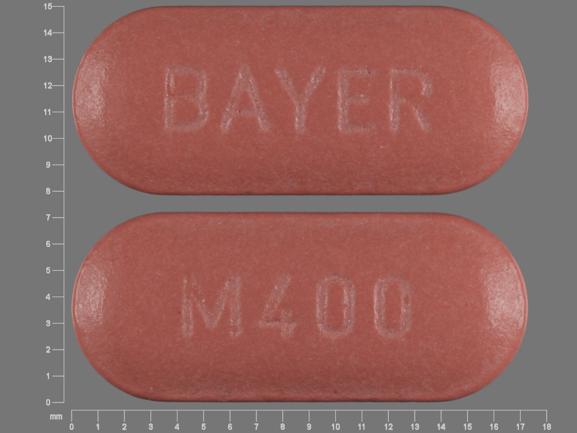
Avelox
Generic name: moxifloxacin (oral/injection) [ moxi-FLOX-a-sin ]
Drug class: Quinolones and fluoroquinolones
What is Avelox?
Avelox is a fluoroquinolone (flor-o-KWIN-o-lone) antibiotic that fights bacteria in the body.
Avelox is used to treat different types of bacterial infections of the skin, sinuses, lungs, or stomach. It is used to treat community acquired pneumonia, plague, bacterial sinusitis, and chronic bronchitis with bacterial infection.Fluoroquinolone antibiotics can cause serious or disabling side effects that may not be reversible.
Avelox should be used only for infections that cannot be treated with a safer antibiotic.
Warnings
Avelox can cause serious side effects, including tendon problems, nerve damage, serious mood or behavior changes, or low blood sugar.
Stop using this medicine and call your doctor at once if you have symptoms such as: headache, hunger, irritability, numbness, tingling, burning pain, confusion, agitation, paranoia, problems with memory or concentration, thoughts of suicide, or sudden pain or movement problems in any of your joints.
In rare cases, moxifloxacin may cause damage to your aorta, which could lead to dangerous bleeding or death. Get emergency medical help if you have severe and constant pain in your chest, stomach, or back.
Avelox may cause swelling or tearing of a tendon. Stop taking Avelox and call your doctor at once if you have sudden pain, swelling, bruising, tenderness, stiffness, or movement problems in any of your joints.
Before taking this medicine
You should not use Avelox if you are allergic to moxifloxacin or other fluoroquinolones (ciprofloxacin, gemifloxacin, levofloxacin, ofloxacin, norfloxacin, and others).
Moxifloxacin may cause swelling or tearing of a tendon (the fiber that connects bones to muscles in the body), especially in the Achilles' tendon of the heel. This can happen during treatment or up to several months after you stop taking Avelox. Tendon problems may be more likely to occur if you are over 60, if you take steroid medication, or if you have had a kidney, heart, or lung transplant.
To make sure Avelox is safe for you, tell your doctor if you have ever had:
-
tendon problems, bone problems, arthritis, or other joint problems;
-
blood circulation problems, aneurysm, narrowing or hardening of the arteries;
-
heart problems, high blood pressure;
-
a genetic disease such as Marfan syndrome or Ehler's-Danlos syndrome;
-
diabetes;
-
a muscle or nerve disorder, such as myasthenia gravis;
-
liver or kidney disease;
-
a seizure, head injury, or brain tumor;
-
long QT syndrome (in you or a family member); or
-
low levels of potassium in your blood (hypokalemia).
Avelox is not approved for use by anyone younger than 18 years old.
Tell your doctor if you are pregnant or breastfeeding.
Related/similar drugs
prednisone, amoxicillin, doxycycline, ciprofloxacin, cephalexin, azithromycin, metronidazole
How should I use Avelox?
Take Avelox exactly as prescribed by your doctor. Follow all directions on your prescription label and read all medication guides or instruction sheets.
Avelox oral is taken by mouth.
Take Avelox oral with water, and drink extra fluids to keep your kidneys working properly.
You may take Avelox oral with or without food, at the same time each day.
Avelox injection is given as an infusion into a vein. A healthcare provider will give your first dose and may teach you how to properly use the medication by yourself.
Read and carefully follow any Instructions for Use provided with your medicine. Ask your doctor or pharmacist if you don't understand all instructions.
Prepare your injection only when you are ready to give it. Do not use if the medicine has changed colors or has particles in it. Call your pharmacist for new medicine.
Do not inject moxifloxacin in the same IV line with other medicines. The injection must be given slowly, and the infusion can take at least 1 hour to complete.
Use this medicine for the full prescribed length of time, even if your symptoms quickly improve. Skipping doses can increase your risk of infection that is resistant to medication. Avelox will not treat a viral infection such as the flu or a common cold.
Do not share Avelox with another person.
Store Avelox oral at room temperature away from moisture and heat. Do not refrigerate injection.
What happens if I miss a dose?
Take the medicine as soon as you can, but skip the missed dose if your next dose is due in less than 8 hours. Do not take two doses at one time.
Call your doctor for instructions if you miss a dose of Avelox injection.
What happens if I overdose?
Seek emergency medical attention or call the Poison Help line at 1-800-222-1222.
What should I avoid while using Avelox?
Avoid driving or hazardous activity until you know how this medicine will affect you. Your reactions could be impaired.
Antibiotic medicines can cause diarrhea, which may be a sign of a new infection. If you have diarrhea that is watery or bloody, call your doctor before using anti-diarrhea medicine.
Moxifloxacin could make you sunburn more easily. Avoid sunlight or tanning beds. Wear protective clothing and use sunscreen (SPF 30 or higher) when you are outdoors. Tell your doctor if you have severe burning, redness, itching, rash, or swelling after being in the sun.
Avelox side effects
Get emergency medical help if you have signs of an allergic reaction to Avelox (hives, difficult breathing, swelling in your face or throat) or a severe skin reaction (fever, sore throat, burning in your eyes, skin pain, red or purple skin rash that spreads and causes blistering and peeling).
Moxifloxacin can cause serious side effects, including tendon problems, side effects on your nerves (which may cause permanent nerve damage), serious mood or behavior changes (after just one dose), or low blood sugar (which can lead to coma).
Stop using this medicine and call your doctor at once if you have:
-
low blood sugar - headache, hunger, sweating, irritability, dizziness, nausea, fast heart rate, or feeling anxious or shaky;
-
nerve symptoms in your hands, arms, legs, or feet - numbness, weakness, tingling, burning pain;
-
serious mood or behavior changes - nervousness, confusion, agitation, paranoia, hallucinations, memory problems, trouble concentrating, thoughts of suicide; or
-
signs of tendon rupture - sudden pain, swelling, bruising, tenderness, stiffness, movement problems, or a snapping or popping sound in any of your joints (rest the joint until you receive medical care or instructions).
In rare cases, moxifloxacin may cause damage to your aorta, the main blood artery of the body. This could lead to dangerous bleeding or death. Get emergency medical help if you have severe and constant pain in your chest, stomach, or back.
Also stop using Avelox and call your doctor at once if you have:
-
severe stomach pain, diarrhea that is watery or bloody;
-
fast or pounding heartbeats, fluttering in your chest, shortness of breath, and sudden dizziness (like you might pass out);
-
muscle weakness, breathing problems;
-
a seizure (convulsions);
-
any skin rash, no matter how mild;
-
increased pressure inside the skull - severe headaches, ringing in your ears, vision problems, pain behind your eyes; or
-
liver problems - upper stomach pain, loss of appetite, dark urine, clay-colored stools, jaundice (yellowing of the skin or eyes).
Common Avelox side effects may include:
-
nausea, diarrhea;
-
dizziness; or
-
headache.
This is not a complete list of side effects and others may occur. Call your doctor for medical advice about side effects. You may report side effects to FDA at 1-800-FDA-1088.
What other drugs will affect Avelox?
Some medicines can make moxifloxacin much less effective when taken at the same time. If you take any of the following medicines, take your Avelox dose 4 hours before or 8 hours after you take the other medicine:
-
the ulcer medicine sucralfate, or antacids that contain calcium, magnesium, or aluminum (such as Maalox, Milk of Magnesia, Mylanta, Pepcid Complete, Rolaids, Tums, and others);
-
didanosine (Videx) powder or chewable tablets;
-
lanthanum carbonate or sevelamer; or
-
vitamin or mineral supplements that contain aluminum, iron, magnesium, or zinc.
Tell your doctor about all your other medicines, especially:
-
a diuretic or "water pill";
-
heart rhythm medication;
-
insulin or oral diabetes medicine (check your blood sugar regularly);
-
medicine to treat depression or mental illness;
-
steroid medicine (such as prednisone); or
-
NSAIDs (nonsteroidal anti-inflammatory drugs) - aspirin, ibuprofen (Advil, Motrin), naproxen (Aleve), celecoxib, diclofenac, indomethacin, meloxicam, and others.
This list is not complete. Other drugs may interact with moxifloxacin, including prescription and over-the-counter medicines, vitamins, and herbal products. Not all possible drug interactions are listed here.
More about Avelox (moxifloxacin)
- Check interactions
- Compare alternatives
- Reviews (161)
- Drug images
- Latest FDA alerts (7)
- Side effects
- Dosage information
- During pregnancy
- Drug class: quinolones and fluoroquinolones
- Breastfeeding
- En español
Patient resources
Professional resources
Other formulations
Related treatment guides
Further information
Remember, keep this and all other medicines out of the reach of children, never share your medicines with others, and use Avelox only for the indication prescribed.
Always consult your healthcare provider to ensure the information displayed on this page applies to your personal circumstances.
Copyright 1996-2024 Cerner Multum, Inc. Version: 14.02.