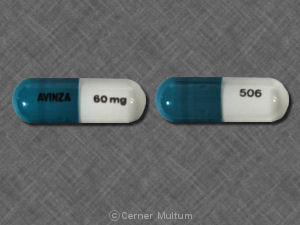
Avinza
Generic name: morphine [ MOR-feen ]
Drug class: Opioids (narcotic analgesics)
The Avinza brand name has been discontinued in the U.S. If generic versions of this product have been approved by the FDA, there may be generic equivalents available.
What is Avinza?
Avinza is an opioid pain medication. An opioid is sometimes called a narcotic.
Avinza is used to treat moderate to severe pain.
Avinza extended-release capsules are for around-the-clock treatment of pain. They are not for use on an as-needed basis for pain.
Warnings
You should not take Avinza if you have severe asthma or breathing problems, a blockage in your stomach or intestines, or a bowel obstruction called paralytic ileus.
Morphine can slow or stop your breathing, and may be habit-forming. MISUSE OF AVINZA CAN CAUSE ADDICTION, OVERDOSE, OR DEATH, especially in a child or other person using the medicine without a prescription.
Taking Avinza during pregnancy may cause life-threatening withdrawal symptoms in the newborn.
Fatal side effects can occur if you use this medicine with alcohol, or with other drugs that cause drowsiness or slow your breathing.
Before taking this medicine
You should not take Avinza if you have ever had an allergic reaction to morphine or other narcotic medicines, or if you have:
-
severe asthma or breathing problems; or
-
a blockage in your stomach or intestines.
Do not use Avinza if you have used an MAO inhibitor in the past 14 days. A dangerous drug interaction could occur. MAO inhibitors include isocarboxazid, linezolid, methylene blue injection, phenelzine, rasagiline, selegiline, tranylcypromine, and others.
To make sure Avinza is safe for you, tell your doctor if you have ever had:
-
any type of breathing problem or lung disease;
-
a head injury, brain tumor, or seizures;
-
a drug or alcohol addiction, or mental illness;
-
urination problems;
-
liver or kidney disease;
-
problems with your gallbladder, pancreas, or thyroid; or
-
if you use a sedative like Valium (diazepam, alprazolam, lorazepam, Ativan, Klonopin, Restoril, Tranxene, Versed, Xanax, and others).
Some medicines can interact with morphine and cause a serious condition called serotonin syndrome. Be sure your doctor knows if you also take stimulant medicine, opioid medicine, herbal products, or medicine for depression, mental illness, Parkinson's disease, migraine headaches, serious infections, or prevention of nausea and vomiting. Ask your doctor before making any changes in how or when you take your medications.
If you use Avinza while you are pregnant your baby could become dependent on the drug. This can cause life-threatening withdrawal symptoms in the baby after it is born. Babies born dependent on habit-forming medicine may need medical treatment for several weeks. Tell your doctor if you are pregnant or plan to become pregnant.
Do not breast-feed while taking Avinza. This medicine can pass into breast milk and cause drowsiness, breathing problems, or death in a nursing baby.
How should I use Avinza?
Take Avinza exactly as prescribed by your doctor. Follow all directions on your prescription label. Morphine can slow or stop your breathing, especially when you start using this medicine or whenever your dose is changed. Never use Avinza in larger amounts, or for longer than prescribed. Tell your doctor if the medicine seems to stop working as well in relieving your pain.
Morphine may be habit-forming. Never share Avinza with another person, especially someone with a history of drug abuse or addiction. MISUSE OF NARCOTIC MEDICINE CAN CAUSE ADDICTION, OVERDOSE, OR DEATH, especially in a child or other person using the medicine without a prescription. Selling or giving away Avinza is against the law.
Stop taking all other around-the-clock narcotic pain medications when you start taking Avinza.
To make swallowing easier, you may open the extended-release capsule and sprinkle the medicine into a spoonful of applesauce. Swallow right away without chewing. Do not save the mixture for later use.
Do not stop using Avinza suddenly, or you could have unpleasant withdrawal symptoms. Ask your doctor how to safely stop using this medicine.
Never crush or break open an Avinza capsule to inhale the powder or mix it into a liquid to inject the drug into your vein. This practice has resulted in death with the misuse of morphine and similar prescription drugs.
Store at room temperature, away from heat, moisture, and light. Keep track of your medicine. Morphine is a drug of abuse and you should be aware if anyone is using your medicine improperly or without a prescription.
Do not keep leftover Avinza capsules. Ask your pharmacist where to locate a drug take-back disposal program. If there is no take-back program, flush any unused capsules down the toilet.
What happens if I miss a dose?
Avinza extended release capsules are taken only once per day Since Avinza is used for pain, you are not likely to miss a dose. If you do miss a dose, take the medicine as soon as you remember, then take your next dose 24 hours after taking the missed dose.
Do not take extra medicine to make up a missed dose. Do not take more than your prescribed dose in a 24-hour period.
What happens if I overdose?
Seek emergency medical attention or call the Poison Help line at 1-800-222-1222. A morphine overdose can be fatal, especially in a child or other person using the medicine without a prescription. Overdose symptoms may include slow breathing and heart rate, severe drowsiness, muscle weakness, cold and clammy skin, pinpoint pupils, and fainting.
What should I avoid while using Avinza?
Do not drink alcohol. Dangerous side effects or death could occur.
This medication may impair your thinking or reactions. Avoid driving or operating machinery until you know how morphine will affect you. Dizziness or severe drowsiness can cause falls or other accidents.
Avinza side effects
Get emergency medical help if you have signs of an allergic reaction to Avinza: hives; difficult breathing; swelling of your face, lips, tongue, or throat.
Like other opioid medicines, morphine can slow your breathing. Death may occur if breathing becomes too weak. A person caring for you should seek emergency medical attention if you have slow breathing with long pauses, blue colored lips, or if you are hard to wake up.
Call your doctor at once if you have:
-
slow heart rate, sighing, weak or shallow breathing;
-
chest pain, fast or pounding heartbeats;
-
extreme drowsiness, feeling like you might pass out; or
-
low cortisol levels - nausea, vomiting, loss of appetite, dizziness, worsening tiredness or weakness.
Seek medical attention right away if you have symptoms of serotonin syndrome, such as: agitation, hallucinations, fever, sweating, shivering, fast heart rate, muscle stiffness, twitching, loss of coordination, nausea, vomiting, or diarrhea.
Morphine is more likely to cause breathing problems in older adults and people who are severely ill, malnourished, or otherwise debilitated.
Long-term use of opioid medication may affect fertility (ability to have children) in men or women. It is not known whether opioid effects on fertility are permanent.
Common Avinza side effects may include:
-
drowsiness, dizziness;
-
constipation, stomach pain, nausea, vomiting;
-
headache, tired feeling;
-
anxiety; or
-
mild itching.
This is not a complete list of side effects and others may occur. Call your doctor for medical advice about side effects. You may report side effects to FDA at 1-800-FDA-1088.
What other drugs will affect Avinza?
Narcotic (opioid) medication can interact with many other drugs and cause dangerous side effects or death. Be sure your doctor knows if you also use:
-
other narcotic medications - opioid pain medicine or prescription cough medicine;
-
drugs that make you sleepy or slow your breathing - a sleeping pill, muscle relaxer, sedative, tranquilizer, or antipsychotic medicine; or
-
drugs that affect serotonin levels in your body - medicine for depression, Parkinson's disease, migraine headaches, serious infections, or prevention of nausea and vomiting.
This list is not complete. Other drugs may interact with morphine, including prescription and over-the-counter medicines, vitamins, and herbal products. Not all possible interactions are listed in this medication guide.
Popular FAQ
Which drugs cause opioid-induced constipation?
Any drug that is classified as an "opioid" can cause constipation. Examples of commonly prescribed opioids that may cause this side effect include morphine, tramadol, fentanyl, methadone, hydrocodone, codeine and oxycodone. Continue reading
How does fentanyl compare to heroin or other opiates?
Fentanyl is an extremely potent, synthetic (man-made) opioid. It is about 50 times more potent than heroin and 100 times more potent than morphine. In contrast, heroin is 2 to 3 times more powerful than morphine. Fentanyl is a legally prescribed drug for pain in the US and is classified as Schedule II controlled substance when used for legitimate purposes. Heroin is illegal in the U.S. and is classified as a Schedule I controlled substance. Continue reading
More FAQ
References
More about Avinza (morphine)
- Check interactions
- Compare alternatives
- Reviews (33)
- Drug images
- Latest FDA alerts (13)
- Side effects
- Dosage information
- During pregnancy
- Drug class: Opioids (narcotic analgesics)
- Breastfeeding
Patient resources
Other brands
MS Contin, Roxanol, Duramorph, Kadian, ... +7 more
Professional resources
Other brands
MS Contin, Duramorph, Mitigo, Kadian, ... +4 more
Related treatment guides
Further information
Remember, keep this and all other medicines out of the reach of children, never share your medicines with others, and use Avinza only for the indication prescribed.
Always consult your healthcare provider to ensure the information displayed on this page applies to your personal circumstances.
Copyright 1996-2024 Cerner Multum, Inc. Version: 12.01.