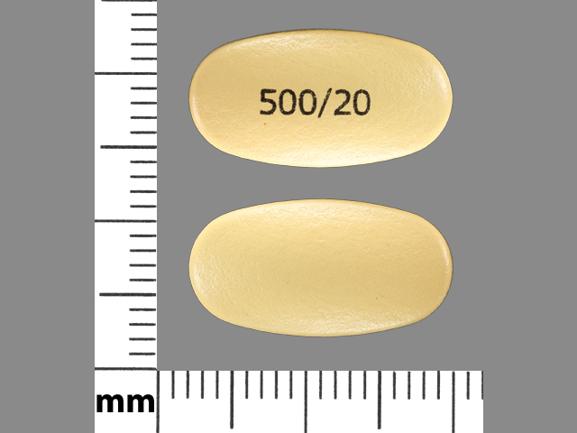
Vimovo
Generic name: esomeprazole and naproxen [ ee-soe-MEP-ra-zole-and-na-PROX-en ]
Drug class: Nonsteroidal anti-inflammatory drugs
What is Vimovo?
Vimovo contains a combination of esomeprazole and naproxen. Naproxen is a nonsteroidal anti-inflammatory drug (NSAID). It works by reducing substances in the body that cause inflammation, pain, and fever.
Esomeprazole is a proton pump inhibitor. It is included in Vimovo to decrease the amount of acid produced in the stomach.
Vimovo is used to treat symptoms of osteoarthritis, rheumatoid arthritis, juvenile idiopathic arthritis, and ankylosing spondylitis. The esomeprazole in this medicine helps reduce the risk of stomach ulcers in people who may be at risk for them while receiving treatment with an NSAID.
Warnings
Naproxen can increase your risk of fatal heart attack or stroke, even if you don't have any risk factors. Do not use Vimovo just before or after heart bypass surgery (coronary artery bypass graft, or CABG).
Naproxen may also cause stomach or intestinal bleeding, which can be fatal. These conditions can occur without warning while you are using naproxen, especially in older adults.Call your doctor at once if you have symptoms of stomach bleeding such as black, bloody, or tarry stools, or coughing up blood or vomit that looks like coffee grounds.
Naproxen can cause kidney problems. Tell your doctor if you are urinating less than usual, or if you have blood in your urine.
Diarrhea may be a sign of a new infection. Call your doctor if you have diarrhea that is watery or has blood in it.
Esomeprazole may cause new or worsening symptoms of lupus. Tell your doctor if you have joint pain and a skin rash on your cheeks or arms that worsens in sunlight.
You may be more likely to have a broken bone while taking Vimovo long term or more than once per day.
Before taking this medicine
Naproxen may also cause stomach or intestinal bleeding, which can be fatal. These conditions can occur without warning while you are using Vimovo, especially in older adults.
You should not use Vimovo if you are allergic to esomeprazole (Nexium) or naproxen (Aleve, Naprosyn), or if:
-
you are also allergic to medicines like esomeprazole, such as lansoprazole, omeprazole, pantoprazole, rabeprazole, Dexilant, Nexium, Prevacid, Protonix, and others;
- you had a recent heart bypass surgery or are about to have a heart bypass surgery;
-
you have had breathing problems, kidney problems, or a severe allergic reaction after taking this medicine in the past;
-
you have had an asthma attack or severe allergic reaction after taking aspirin or an NSAID; or
-
you also take an HIV medicine that contains rilpivirine (Complera, Edurant, Odefsey).
To make sure Vimovo is safe for you, tell your doctor if you have ever had:
-
heart disease, high blood pressure;
-
asthma;
-
Crohn's disease, ulcerative colitis, inflammatory bowel disease;
-
stomach or intestinal bleeding after taking an NSAID;
-
liver or kidney disease;
-
low levels of magnesium in your blood; or
-
if you smoke or drink alcohol.
You may be more likely to have a broken bone in your hip, wrist, or spine while taking a proton pump inhibitor long-term or more than once per day. Talk with your doctor about ways to keep your bones healthy.
If you are pregnant, you should not take Vimovo unless your doctor tells you to. Taking a NSAID during the last 20 weeks of pregnancy can cause serious heart or kidney problems in the unborn baby and possible complications with your pregnancy.
It may not be safe to breastfeed while using this medicine. Ask your doctor about any risk.
Vimovo is not approved for use by anyone younger than 12 years old or weighing less than 38 kilograms (84 pounds).
How should I take Vimovo?
Vimovo is usually taken 2 times each day, at least 30 minutes before a meal. Follow all directions on your prescription label and read all medication guides or instruction sheets. Use the medicine exactly as directed.
Swallow the tablet whole and do not crush, chew, or break it.
Take the medicine at least 30 minutes before a meal. Use the lowest dose that is effective in treating your condition.
Vimovo can affect the results of certain medical tests. Tell any doctor who treats you that you are using this medicine.
Store at room temperature away from moisture, heat, and light.
What happens if I miss a dose?
Take the medicine as soon as you can, but skip the missed dose if it is almost time for your next dose. Do not take two doses at one time.
What happens if I overdose?
Seek emergency medical attention or call the Poison Help line at 1-800-222-1222.
Overdose symptoms may include drowsiness, severe weakness, stomach pain, or vomiting.
What to avoid
Vimovo can cause diarrhea, which may be a sign of a new infection. If you have diarrhea that is watery or bloody, call your doctor before using anti-diarrhea medicine.
Avoid drinking alcohol and smoking. It may increase your risk of stomach bleeding.
Taking regular naproxen together with esomeprazole (Nexium) will not work the same way as taking combination esomeprazole and naproxen (Vimovo). Do not substitute this medicine with over-the-counter products.
Ask a doctor or pharmacist before using other medicines for pain, fever, swelling, or cold/flu symptoms. They may contain ingredients similar to naproxen (such as aspirin, ibuprofen, or ketoprofen).
Vimovo side effects
Get emergency medical help if you have signs of an allergic reaction to Vimovo (hives, sneezing, runny or stuffy nose, wheezing, difficult breathing, swelling in your face or throat) or a severe skin reaction (fever, sore throat, burning eyes, skin pain, red or purple skin rash with blistering and peeling).
Stop taking Vimovo and get emergency medical help if you have signs of a heart attack or stroke: chest pain spreading to your jaw or shoulder, sudden numbness or weakness on one side of the body, slurred speech, feeling short of breath.
Call your doctor at once if you have:
-
severe stomach pain, diarrhea that is watery or bloody;
-
bloody or tarry stools, coughing up blood or vomit that looks like coffee grounds;
-
heart problems - swelling, rapid weight gain, feeling short of breath;
-
kidney problems - fever, rash, nausea, loss of appetite, joint pain, urinating less than usual, blood in your urine, weight gain;
-
liver problems - loss of appetite, stomach pain (upper right side), dark urine, jaundice (yellowing of the skin or eyes);
-
low magnesium - dizziness, fast or irregular heart rate, tremors (shaking) or jerking muscle movements, feeling jittery, muscle cramps, muscle spasms in your hands and feet, cough or choking feeling;
-
low red blood cells (anemia) - pale skin, unusual tiredness, feeling light-headed or short of breath, cold hands and feet; or
-
new or worsening symptoms of lupus - joint pain, and a skin rash on your cheeks or arms that worsens in sunlight.
Taking Vimovo long-term may cause you to develop stomach growths called fundic gland polyps. Talk with your doctor about this risk.
If you use Vimovo for longer than 2 years, you could develop a vitamin B-12 deficiency. Talk to your doctor about how to manage this condition if you develop it.
Common Vimovo side effects may include:
-
stomach discomfort; or
-
diarrhea.
This is not a complete list of side effects and others may occur. Call your doctor for medical advice about side effects. You may report side effects to FDA at 1-800-FDA-1088.
What other drugs will affect Vimovo?
Ask your doctor before using Vimovo if you take an antidepressant. Taking certain antidepressants with an NSAID may cause you to bruise or bleed easily.
Tell your doctor about all your current medicines. Many drugs can interact with esomeprazole and naproxen, especially:
-
a blood thinner such as warfarin (Coumadin, Jantoven), apixaban, rivaroxaban, or dabigatran;
-
a diuretic or "water pill";
-
heart or blood pressure medication; or
-
steroid medicine such as prednisone or methylprednisolone.
This list is not complete and many other drugs may interact with esomeprazole and naproxen. This includes prescription and over-the-counter medicines, vitamins, and herbal products. Not all possible drug interactions are listed here.
More about Vimovo (esomeprazole / naproxen)
- Check interactions
- Compare alternatives
- Pricing & coupons
- Reviews (55)
- Drug images
- Side effects
- Dosage information
- During pregnancy
- FDA approval history
- Drug class: Nonsteroidal anti-inflammatory drugs
- En español
Professional resources
Related treatment guides
Further information
Remember, keep this and all other medicines out of the reach of children, never share your medicines with others, and use Vimovo only for the indication prescribed.
Always consult your healthcare provider to ensure the information displayed on this page applies to your personal circumstances.
Copyright 1996-2024 Cerner Multum, Inc. Version: 17.01.