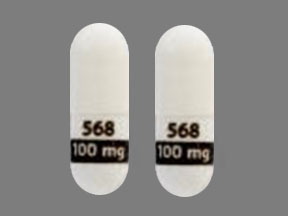
Zolinza Side Effects
Generic Name: vorinostat
Please note - some side effects for Zolinza may not be reported. Always consult your doctor or healthcare specialist for medical advice. You may also report side effects to the FDA.
Side Effects of Zolinza - for the Consumer
Zolinza
All medicines may cause side effects, but many people have no, or minor, side effects. Check with your doctor if any of these most COMMON side effects persist or become bothersome when using Zolinza:
Seek medical attention right away if any of these SEVERE side effects occur when using Zolinza:Constipation; cough; diarrhea; dizziness; dry mouth; fatigue; hair loss; headache; loss of appetite; muscle aches; nausea; taste changes; vomiting; weight loss.
Severe allergic reactions (rash; hives; itching; difficulty breathing; tightness in the chest; swelling of the mouth, face, lips, or tongue; unusual hoarseness); black, tarry, or bloody stools; calf or leg pain, swelling, redness, or warmth to the touch; chest pain; coughing up blood; fainting; fast or irregular heartbeat; muscle pain or spasms; severe or persistent nausea, vomiting, or diarrhea; shortness of breath; swelling of the hands, ankles, or feet; symptoms of high blood sugar (eg, increased urination, thirst, or hunger; confusion; drowsiness; flushing; fast breathing; fruit-like breath odor); symptoms of infection (eg, fever, chills, persistent or severe cough, or sore throat); unusual bleeding or bruising; unusual anxiety or sweating; unusual weakness or tiredness; vomit that looks like coffee grounds.
This is not a complete list of all side effects that may occur. If you have questions about side effects, contact your health care provider. Call your doctor for medical advice about side effects. To report side effects to the appropriate agency, please read the Guide to Reporting Problems to FDA.
TopZolinza Side Effects - for the Professional
Zolinza
The most common drug-related adverse reactions can be classified into 4 symptom complexes: gastrointestinal symptoms (diarrhea, nausea, anorexia, weight decrease, vomiting, constipation), constitutional symptoms (fatigue, chills), hematologic abnormalities (thrombocytopenia, anemia), and taste disorders (dysgeusia, dry mouth). The most common serious drug-related adverse reactions were pulmonary embolism and anemia.
Clinical Trials Experience
The safety of Zolinza was evaluated in 107 CTCL patients in two single arm clinical studies in which 86 patients received 400 mg once daily.
The data described below reflect exposure to Zolinza 400 mg once daily in the 86 patients for a median number of 97.5 days on therapy (range 2 to 480+ days). Seventeen (19.8%) patients were exposed beyond 24 weeks and 8 (9.3%) patients were exposed beyond 1 year. The population of CTCL patients studied was 37 to 83 years of age, 47.7% female, 52.3% male, and 81.4% white, 16.3% black, and 1.2% Asian or multi-racial.
Because clinical trials are conducted under widely varying conditions, adverse reaction rates observed in the clinical trials of a drug cannot be directly compared to rates in the clinical trials of another drug and may not reflect the rates observed in practice.
Common Adverse Reactions
Table 1 summarizes the frequency of CTCL patients with specific adverse events, regardless of causality, using the National Cancer Institute-Common Terminology Criteria for Adverse Events (NCI-CTCAE, version 3.0).
| Zolinza 400 mg once daily (N=86) | ||||
| Adverse Events | All Grades | Grades 3-5* | ||
| n | % | n | % | |
|
||||
| Fatigue | 45 | 52.3 | 3 | 3.5 |
| Diarrhea | 45 | 52.3 | 0 | 0.0 |
| Nausea | 35 | 40.7 | 3 | 3.5 |
| Dysgeusia | 24 | 27.9 | 0 | 0.0 |
| Thrombocytopenia | 22 | 25.6 | 5 | 5.8 |
| Anorexia | 21 | 24.4 | 2 | 2.3 |
| Weight Decreased | 18 | 20.9 | 1 | 1.2 |
| Muscle Spasms | 17 | 19.8 | 2 | 2.3 |
| Alopecia | 16 | 18.6 | 0 | 0.0 |
| Dry Mouth | 14 | 16.3 | 0 | 0.0 |
| Blood Creatinine Increased | 14 | 16.3 | 0 | 0.0 |
| Chills | 14 | 16.3 | 1 | 1.2 |
| Vomiting | 13 | 15.1 | 1 | 1.2 |
| Constipation | 13 | 15.1 | 0 | 0.0 |
| Dizziness | 13 | 15.1 | 1 | 1.2 |
| Anemia | 12 | 14.0 | 2 | 2.3 |
| Decreased Appetite | 12 | 14.0 | 1 | 1.2 |
| Peripheral Edema | 11 | 12.8 | 0 | 0.0 |
| Headache | 10 | 11.6 | 0 | 0.0 |
| Pruritus | 10 | 11.6 | 1 | 1.2 |
| Cough | 9 | 10.5 | 0 | 0.0 |
| Upper Respiratory Infection | 9 | 10.5 | 0 | 0.0 |
| Pyrexia | 9 | 10.5 | 1 | 1.2 |
The frequencies of more severe thrombocytopenia, anemia [see Warnings and Precautions (5.2)] and fatigue were increased at doses higher than 400 mg once daily of Zolinza.
Serious Adverse Reactions
The most common serious adverse events, regardless of causality, in the 86 CTCL patients in two clinical studies were pulmonary embolism reported in 4.7% (4/86) of patients, squamous cell carcinoma reported in 3.5% (3/86) of patients and anemia reported in 2.3% (2/86) of patients. There were single events of cholecystitis, death (of unknown cause), deep vein thrombosis, enterococcal infection, exfoliative dermatitis, gastrointestinal hemorrhage, infection, lobar pneumonia, myocardial infarction, ischemic stroke, pelvi-ureteric obstruction, sepsis, spinal cord injury, streptococcal bacteremia, syncope, T-cell lymphoma, thrombocytopenia and ureteric obstruction.
Discontinuations
Of the CTCL patients who received the 400-mg once daily dose, 9.3% (8/86) of patients discontinued Zolinza due to adverse events. These adverse events, regardless of causality, included anemia, angioneurotic edema, asthenia, chest pain, exfoliative dermatitis, death, deep vein thrombosis, ischemic stroke, lethargy, pulmonary embolism, and spinal cord injury.
Dose Modifications
Of the CTCL patients who received the 400-mg once daily dose, 10.5% (9/86) of patients required a dose modification of Zolinza due to adverse events. These adverse events included increased serum creatinine, decreased appetite, hypokalemia, leukopenia, nausea, neutropenia, thrombocytopenia and vomiting. The median time to the first adverse event resulting in dose reduction was 42 days (range 17 to 263 days).
Laboratory Abnormalities
Laboratory abnormalities were reported in all of the 86 CTCL patients who received the 400-mg once-daily dose.
Increased serum glucose was reported as a laboratory abnormality in 69% (59/86) of CTCL patients who received the 400-mg once daily dose; only 4 of these abnormalities were severe (Grade 3). Increased serum glucose was reported as an adverse event in 8.1% (7/86) of CTCL patients who received the 400-mg once daily dose. [See Warnings and Precautions (5.5).]
Transient increases in serum creatinine were detected in 46.5% (40/86) of CTCL patients who received the 400-mg once daily dose. Of these laboratory abnormalities, 34 were NCI CTCAE Grade 1, 5 were Grade 2, and 1 was Grade 3.
Proteinuria was detected as a laboratory abnormality (51.4%) in 38 of 74 patients tested. The clinical significance of this finding is unknown.
Dehydration
Based on reports of dehydration as a serious drug-related adverse event in clinical trials, patients were instructed to drink at least 2 L/day of fluids for adequate hydration. [See Warnings and Precautions (5.3, 5.6).]
Adverse Reactions in Non-CTCL Patients
The frequencies of individual adverse events were substantially higher in the non-CTCL population. Drug-related serious adverse events reported in the non-CTCL population which were not observed in the CTCL population included single events of blurred vision, asthenia, hyponatremia, tumor hemorrhage, Guillain-Barré syndrome, renal failure, urinary retention, cough, hemoptysis, hypertension, and vasculitis.
TopSide Effects by Body System - for Healthcare Professionals
General
General side effects including fatigue (52.3%), decreased weight (20.9%), chills (16.3%), dizziness (15.1%), and pyrexia (10.5%) have been reported. A case of syncope has also been reported.
Gastrointestinal
Gastrointesinal side effects including diarrhea (52.3%), nausea (40.7%), dysgeusia (27.9%), anorexia (24.4%), dry mouth (16.3%), vomiting (15.1%), constipation (15.1%), and decreased appetite (14%) have been reported. Cases of cholecystitis and gastrointestinal hemorrhage have also been reported.
Hematologic
Hematologic side effects including thrombocytopenia (25.6%), increased blood creatinine (16.3%), and anemia (up to 14.0%) have been reported.
Musculoskeletal
Musculoskeletal side effects including muscle spasms (19.8%) have been reported. A case of spinal cord injury has also been reported.
Dermatologic
Dermatologic side effects including alopecia (18.6%) and pruritis (11.6%) have been reported. A case of exfoliative dermatitis has also been reported.
Cardiovascular
Cardiovascular side effects including peripheral edema (12.8%) have been reported. Cases of deep vein thrombosis, myocardial infarction, and ischemic stroke have also been reported.
Nervous system
Nervous system side effects including headache (11.6%) have been reported.
Respiratory
Respiratory side effects including upper respiratory infection (10.5%), cough (10.5%), and pulmonary embolism (4.7%) have been reported. A case of lobar pneumonia has also been reported.
Oncologic
Oncologic side effects including squamous cell carcinoma (3.5%) have been reported. A case of T-cell lymphoma has also been reported.
Other
Other side effects have been reported including a case of a death from unknown causes. Cases of enterococcal infection, infection, sepsis, and streptococcal bacteremia have also been reported.
TopMore Zolinza resources
- Zolinza Prescribing Information (FDA)
- Zolinza Monograph (AHFS DI)
- Zolinza Advanced Consumer (Micromedex) - Includes Dosage Information
- Zolinza Consumer Overview
- Zolinza MedFacts Consumer Leaflet (Wolters Kluwer)
- Vorinostat Professional Patient Advice (Wolters Kluwer)
Disclaimer: Every effort has been made to ensure that the information provided is accurate, up-to-date, and complete, but no guarantee is made to that effect. In addition, the drug information contained herein may be time sensitive and should not be utilized as a reference resource beyond the date hereof. This information does not endorse drugs, diagnose patients, or recommend therapy. This drug information is a reference resource designed as supplement to, and not a substitute for, the expertise, skill , knowledge, and judgement of healthcare practitioners in patient care. The absence of a warning for a given drug or drug combination in no way should be construed to indicate that the drug of drug combination is safe, effective, or appropriate for any given patient. Drugs.com does not assume any responsibility for any aspect of healthcare administered with the aid of information provided. The information contained herein is not intended to cover all possible uses, directions, precautions, warnings, drug interactions, allergic reactions, or adverse effects. If you have questions about the drugs you are taking, check with your doctor, nurse, or pharmacist.