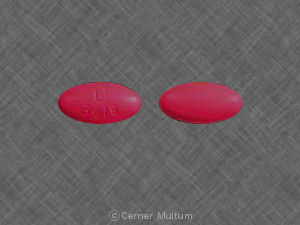
Vantin Side Effects
Generic name: cefpodoxime
Medically reviewed by Drugs.com. Last updated on Nov 28, 2023.
Note: This document contains side effect information about cefpodoxime. Some dosage forms listed on this page may not apply to the brand name Vantin.
Applies to cefpodoxime: oral powder for suspension, oral tablet.
Serious side effects of Vantin
Along with its needed effects, cefpodoxime (the active ingredient contained in Vantin) may cause some unwanted effects. Although not all of these side effects may occur, if they do occur they may need medical attention.
Check with your doctor immediately if any of the following side effects occur while taking cefpodoxime:
More common
- Diarrhea
- loose stools
Less common
- Change in the color, amount, or odor of vaginal discharge
Rare
- Abdominal or stomach cramps or tenderness
- black, tarry stools
- bladder pain
- bleeding gums
- bloating or swelling of the face, arms, hands, lower legs, or feet
- bloody nose
- bloody or cloudy urine
- blurred vision
- burning while urinating
- chest pain
- collection of blood under the skin
- confusion
- continuing ringing or buzzing or other unexplained noise in the ears
- cough or hoarseness
- cough producing mucus
- dark urine
- decreased urination
- decreased urine output
- deep, dark purple bruise
- diarrhea, watery and severe, which may also be bloody
- difficult or labored breathing
- difficult, burning, or painful urination
- difficulty with breathing or troubled breathing
- dilated neck veins
- dizziness
- dizziness, faintness, or lightheadedness when getting up suddenly from a lying or sitting position
- dry mouth
- extreme fatigue
- fainting
- fast, irregular, pounding, or racing heartbeat or pulse
- feeling of warmth or heat
- fever or chills
- flushing or redness of the skin, especially on the face and neck
- frequent urge to urinate
- general body swelling
- headache
- hearing loss
- heavier menstrual periods
- increase in heart rate
- increased thirst
- increased urge to urinate during the night
- increased weight
- irregular breathing
- irregular heartbeat
- itching of the vagina or genital area
- itching, pain, redness, or swelling
- loss of appetite
- lower back or side pain
- nausea or vomiting
- nervousness
- noisy breathing
- nosebleeds
- pain
- pain during sexual intercourse
- pain or swelling of the treated skin
- pain or tenderness around the eyes and cheekbones
- pain, warmth, or burning in the fingers, toes, and legs
- pale skin
- pinpoint red spots on the skin
- pounding in the ears
- problems with vision or hearing
- rapid breathing
- rapid weight gain
- runny nose
- shortness of breath or troubled breathing
- skin rash
- slow or fast heartbeat
- sneezing
- sore throat
- sores, ulcers, or white spots on the lips or in the mouth
- stuffy or runny nose
- sunken eyes
- sweating
- swelling of the face, fingers, feet, or lower legs
- swelling or puffiness of the face
- swollen glands
- thick, white vaginal discharge with no odor or with a mild odor
- thirst
- tightness of the chest or wheezing
- tingling of the hands or feet
- troubled breathing
- troubled breathing with exertion
- unusual bleeding or bruising
- unusual tiredness or weakness
- unusual weight gain or loss
- waking to urinate at night
- weight gain
- wheezing
- wrinkled skin
- yellowing of the eyes or skin
Incidence not known
- Abdominal or stomach pain
- blistering, peeling, or loosening of the skin
- bloody, black, or tarry stools
- clay-colored stools
- feeling of discomfort
- fever with or without chills
- general feeling of tiredness or weakness
- high fever
- inflammation of the joints
- irritation or inflammation of the eyelid
- itching
- joint or muscle pain
- muscle aches
- rectal bleeding
- red skin lesions, often with a purple center
- red, irritated eyes
- seizures
- sudden decrease in the amount of urine
- swollen lymph glands
- swollen or painful glands
- unpleasant breath odor
- vomiting of blood
Other side effects of Vantin
Some side effects of cefpodoxime may occur that usually do not need medical attention. These side effects may go away during treatment as your body adjusts to the medicine. Also, your health care professional may be able to tell you about ways to prevent or reduce some of these side effects.
Check with your health care professional if any of the following side effects continue or are bothersome or if you have any questions about them:
Rare
- Accumulation of pus
- acid or sour stomach
- ankle, knee, or great toe joint pain
- bad, unusual, or unpleasant (after) taste
- belching
- blemishes on the skin
- bloated or full feeling
- burning feeling in the chest or stomach
- burning, crawling, itching, numbness, prickling, "pins and needles", or tingling feelings
- change in taste
- constipation
- cracks in the skin
- decreased appetite
- difficulty with moving
- dry skin
- excess air or gas in the stomach or intestines
- fear or nervousness
- feeling of constant movement of self or surroundings
- frequent urge to defecate
- general feeling of discomfort or illness
- hair loss
- headache, severe and throbbing
- heartburn
- hives or welts
- increase in body movements
- increased sweating
- increased thirst
- indigestion
- irritation or soreness of the mouth
- joint stiffness or swelling
- lack or loss of strength
- loss of heat from the body
- lower back or side pain
- muscle aching or cramping
- muscle pains or stiffness
- passing of gas
- peeling of the skin
- pimples
- poor concentration
- pressure in the stomach
- red, sore eyes
- red, swollen skin
- redness of the skin
- scaly skin
- seeing, hearing, or feeling things that are not there
- sensation of spinning
- sleepiness or unusual drowsiness
- sleeplessness
- sore mouth or tongue
- soreness or redness around the fingernails and toenails
- stomach discomfort, upset, or pain
- stomach upset
- straining while passing stool
- swelling of the abdominal or stomach area
- swelling or inflammation of the mouth
- swollen, red, or tender area of infection
- trouble with sleeping
- unable to sleep
- white patches in the mouth, tongue, or throat
For Healthcare Professionals
Applies to cefpodoxime: oral powder for reconstitution, oral tablet.
Hypersensitivity
Hypersensitivity side effects have included rash and urticaria. Cross-reactivity in penicillin-allergic patients may occur. Stevens-Johnson syndrome, toxic epidermal necrolysis, erythema multiforme, serum sickness-like reactions, and anaphylactic shock have been reported during postmarketing experience.[Ref]
Gastrointestinal
Gastrointestinal side effects have included diarrhea (7%), nausea (3.3%), and abdominal pain (1.2%). Pseudomembranous colitis, vomiting, dyspepsia, dry mouth, flatulence, decreased appetite, constipation, oral moniliasis, anorexia, eructation, gastritis, mouth ulcers, gastrointestinal disorders, rectal disorders, tongue disorders, tooth disorders, increased thirst, oral lesions, stomatitis, tenesmus, dry throat, toothache, taste alteration, and taste loss have been reported in less than 1% of patients. Pseudomembranous colitis, bloody diarrhea with abdominal pain, ulcerative colitis, and rectorrhagia with hypotension have been reported during postmarketing experience.[Ref]
Diarrhea and loose stools may be dose-related and has been reported in 10.4% of patients taking 800 mg cefpodoxime per day, compared to 5.7% of patients taking 200 mg per day. Ten percent of these patients tested positive Clostridium difficile organisms or toxins.
C difficile was isolated in six of six volunteers given cefpodoxime for 10 days compared with one of six volunteers given placebo. The symptoms associated with C difficile were mild and did not result in withdrawal from the study. The excretion of C difficile in the stool was not statistically associated with the passage of loose stools and none of the subjects went on to develop pseudomembranous colitis.
In postmarketing experience reports, one death was attributed to pseudomembranous colitis and disseminated intravascular coagulation.[Ref]
Hematologic
Hematologic side effects have included anemia (less than 1%), leukocytosis, lymphocytosis, granulocytosis, basophilia, monocytosis, thrombocytosis, decreased hemoglobin, decreased hematocrit, leukopenia, lymphocytopenia, thrombocythemia, neutropenia, thrombocytopenia and eosinophilia, positive Coombs' test, and prolonged PT and PTT. Most of these effects were transient and clinically insignificant. Easy bleeding or bruising has been reported. Cephalosporins as a class have been associated with aplastic anemia, hemolytic anemia, prolonged prothrombin time, hemorrhage, neutropenia, pancytopenia, and agranulocytosis.[Ref]
Hepatic
Hepatic side effects have included increased AST, ALT, GGT, alkaline phosphatase, bilirubin, and LDH. These changes have generally been transient and clinically insignificant. Acute liver injury has been reported during postmarketing experience. Cephalosporins as a class have been associated with hepatic dysfunction including cholestasis.[Ref]
Respiratory
Respiratory side effects have included asthma, cough, epistaxis, rhinitis, wheezing, bronchitis, dyspnea, pleural effusion, pneumonia, and sinusitis in less than 1% of patients. Pulmonary infiltrate with eosinophilia has been reported during postmarketing experience.[Ref]
Renal
Renal side effects have included increased BUN and creatinine. These changes have generally been transient and clinically insignificant. Purpuric nephritis has been reported during postmarketing experience. Cephalosporins as a class have been associated with renal dysfunction and toxic nephropathy.[Ref]
Dermatologic
Dermatologic side effects have included urticaria, rash, pruritus, diaphoresis, maculopapular rash, diaper rash, fungal dermatitis, acne, exfoliative dermatitis, desquamation, dry skin, hair loss, vesiculobullous rash, and sunburn in less than 1% of patients. Eyelid dermatitis has been reported during postmarketing experience.[Ref]
Nervous system
Nervous system side effects have included headache (1%). Dizziness, insomnia, somnolence, anxiety, shakiness, nervousness, cerebral infarction, change in dreams, impaired concentration, confusion, nightmares, paresthesia, vertigo, tinnitus, hallucination, hyperkinesia, syncope, and somnolence have been reported in less than 1% of patients. Some cephalosporins have been associated with seizures in renally impaired patients.[Ref]
Genitourinary
Genitourinary side effects have included vaginal fungal infections (1%) and vulvovaginal infections (1.3%). Hematuria, urinary tract infections, metrorrhagia, dysuria, urinary frequency, nocturia, penile infection, proteinuria, vaginitis, and vaginal pain have been reported in less than 1% of patients. Change in quantity of urine has been reported.[Ref]
Musculoskeletal
Musculoskeletal side effects have included myalgia (less than 1%).[Ref]
Cardiovascular
Cardiovascular side effects have included congestive heart failure, palpitations, vasodilation, hematoma, migraine, hypertension, and hypotension in less than 1% of patients.[Ref]
Metabolic
Metabolic side effects have included dehydration, gout, peripheral edema, and weight increase in less than 1% of patients. Hyperglycemia, hypoglycemia, hypoalbuminemia, hypoproteinemia, hyperkalemia, and hyponatremia have been reported. These changes have generally been transient and clinically insignificant.[Ref]
Ocular
Ocular side effects have included eye irritation in less than 1% of patients.[Ref]
Other
Other side effects have included fungal infections, abdominal distention, malaise, fatigue, asthenia, fever, chest pain, back pain, chills, generalized pain, abnormal microbiological test, moniliasis, abscess, allergic reaction, facial edema, bacterial infections, parasitic infections, localized edema, and localized pain in less than 1% of patients.[Ref]
Endocrine
Endocrine side effects have included galactorrhea with cefpodoxime-associated hyperprolactinemia.[Ref]
More about Vantin (cefpodoxime)
- Check interactions
- Compare alternatives
- Reviews (6)
- Drug images
- Dosage information
- During pregnancy
- Drug class: third generation cephalosporins
- Breastfeeding
Patient resources
Professional resources
Related treatment guides
References
1. Periti P, Novelli A, Schildwachter G, Schmidt-Gayk H, Ryo Y, Zuck P. Efficacy and tolerance of cefpodoxime proxetil compared with co-amoxiclav in the treatment of exacerbations of chronic bronchitis. J Antimicrob Chemother. 1990;26:63-9.
2. Zuck P, Rio Y, Ichou F. Efficacy and tolerance of cefpodoxime proxetil compared with ceftriaxone in vulnerable patients with bronchopneumonia. J Antimicrob Chemother. 1990;26:71-7.
3. Safran C. Cefpodoxime proxetil: dosage, efficacy and tolerance in adults suffering from respiratory tract infections. J Antimicrob Chemother. 1990;26:93-101.
4. Kumazawa J. Summary of clinical experience with cefpodoxime proxetil in adults in Japan. Drugs. 1991;42:1-5.
5. Cox CE, Graveline JF, Luongo JM. Review of clinical experience in the United States with cefpodoxime proxetil in adults with uncomplicated urinary tract infections. Drugs. 1991;42:41-50.
6. Product Information. Vantin (cefpodoxime). Pharmacia and Upjohn. 2002;PROD.
7. Filipe P, Almeida RSLS, Rodrigo FG. Occupational allergic contact dermatitis from cephalosporins. Contact Dermatitis. 1996;34:226.
8. Romano A, Mayorga C, Torres MJ, Artesani MC, Suau R, Sanchez F, Perez E, Venuti A, Blanca M. Immediate allergic reactions to cephalosporins: Cross-reactivity and selective responses. J Allerg Clin Immunol. 2000;106:1177-83.
9. Khurana V, Gambhir IS. Cefpodoxime-induced hyperprolactinemic galactorrhea. Ann Intern Med. 2010;152:136.
10. Chachaty E, Depitre C, Mario N, et al. Presence of clostridium difficile and antibiotic and beta-lactamase activities in feces of volunteers treated with oral cefixime, oral cefpodoxime proxetil, or placebo. Antimicrob Agents Chemother. 1992;36:2009-13.
Further information
Always consult your healthcare provider to ensure the information displayed on this page applies to your personal circumstances.
Some side effects may not be reported. You may report them to the FDA.