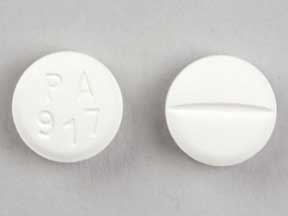
Torsemide Side Effects
Medically reviewed by Drugs.com. Last updated on Mar 9, 2024.
Applies to torsemide: oral tablet.
Common side effects of torsemide
Some side effects of torsemide may occur that usually do not need medical attention. These side effects may go away during treatment as your body adjusts to the medicine. Also, your health care professional may be able to tell you about ways to prevent or reduce some of these side effects.
Check with your health care professional if any of the following side effects continue or are bothersome or if you have any questions about them:
More common
- increase in urination
Less common
- acid or sour stomach
- belching
- difficulty having a bowel movement (stool)
- difficulty in moving
- heartburn
- increased cough
- lack or loss of strength
- muscle pain or stiffness
- nervousness
- pain in the joints
- sneezing
- sore throat
- stomach discomfort, upset, or pain
- stuffy or runny nose
- swollen joints
- trouble sleeping
Serious side effects of torsemide
Along with its needed effects, torsemide may cause some unwanted effects. Although not all of these side effects may occur, if they do occur they may need medical attention.
Check with your doctor immediately if any of the following side effects occur while taking torsemide:
Less common
- chest pain
- decreased urination
- diarrhea
- dry mouth
- increased thirst
- irregular heartbeat
- loss of appetite
- mood changes
- muscle pain or cramps
- nausea or vomiting
- numbness or tingling in the hands, feet, or lips
- seizures
- swelling of the hands, ankles, feet, or lower legs
- trouble breathing
- unusual tiredness or weakness
Rare
- black, tarry stools
- dizziness, faintness, or lightheadedness when getting up from a suddenly sitting or lying position
- ringing or buzzing in the ears or any hearing loss
- skin rash
Incidence not known
- blistering, peeling, or loosening of the skin
- bloating
- burning, crawling, itching, numbness, prickling, "pins and needles", or tingling feelings
- chills
- constipation
- darkened urine
- decrease in frequency of urination
- decrease in urine volume
- difficulty in passing urine (dribbling)
- fever
- indigestion
- itching
- joint or muscle pain
- painful or difficult urination
- pains in the stomach, side, or abdomen, possibly radiating to the back
- pale skin
- red irritated eyes
- red skin lesions, often with a purple center
- sore throat
- sores, ulcers, or white spots on the lips or in the mouth
- swollen glands
- unusual bleeding or bruising
- yellow eyes or skin
Get emergency help immediately if any of the following symptoms of overdose occur while taking torsemide:
Symptoms of overdose
- blurred vision
- coma
- confusion
- decreased urine output
- dizziness
- drowsiness
- fainting
- fast heartbeat
- headache
- increase in heart rate
- irritability
- lightheadedness
- rapid breathing
- sunken eyes
- sweating
- unusual tiredness or weakness
- weak pulse
- wrinkled skin
For healthcare professionals
Applies to torsemide: injectable solution, oral tablet.
General
The most common adverse reactions were headache and excessive urination.[Ref]
Metabolic
- Common (1% to 10%): Edema
- Frequency not reported: Hyperglycemia, hyperuricemia, hypokalemia, hypovolemia, excessive thirst, gout, calcium excretion increased, serum calcium increased, serum calcium decreased, magnesium excretion increased, serum magnesium increased, serum magnesium decreased, BUN increased, creatinine increased, uric acid increased, serum glucose increased, total plasma cholesterol increased, plasma triglycerides increased[Ref]
Gastrointestinal
- Common (1% to 10%): Diarrhea, constipation, nausea, dyspepsia, sore throat
- Frequency not reported: Vomiting, esophageal hemorrhage, gastrointestinal hemorrhage, rectal bleeding, dry mouth
- Postmarketing reports: Pancreatitis[Ref]
Nervous system
- Common (1% to 10%): Headache, dizziness
- Frequency not reported: Syncope, tinnitus, hearing loss, limb paresthesia[Ref]
Other
- Common (1% to 10%): Asthenia, chest pain
- Frequency not reported: Weakness, digitalis intoxication[Ref]
Musculoskeletal
Psychiatric
- Common (1% to 10%): Insomnia, nervousness[Ref]
Respiratory
- Common (1% to 10%): Rhinitis, cough increased[Ref]
Cardiovascular
- Common (1% to 10%): ECG abnormality
- Frequency not reported: Atrial fibrillation, hypotension, shunt thrombosis, ventricular tachycardia[Ref]
Genitourinary
Hematologic
- Frequency not reported: Red blood cells decreased, white blood cells decreased, platelets decreased, hemoglobin decreased, hematocrit decreased, erythrocyte count decreased, white blood cell count increased, platelet count increased, serum alkaline phosphatase increased
- Postmarketing reports: Leukopenia, thrombocytopenia[Ref]
Dermatologic
- Frequency not reported: Rash, angioedema
- Postmarketing reports: Stevens-Johnson syndrome, toxic epidermal necrolysis[Ref]
Ocular
- Frequency not reported: Visual disturbance[Ref]
References
1. "Product Information. Demadex (torsemide)." Boehringer Mannheim
2. Cerner Multum, Inc. "UK Summary of Product Characteristics."
Frequently asked questions
More about torsemide
- Check interactions
- Compare alternatives
- Pricing & coupons
- Reviews (7)
- Drug images
- Dosage information
- During pregnancy
- Drug class: loop diuretics
- Breastfeeding
- En español
Patient resources
Other brands
Professional resources
Other brands
Related treatment guides
Further information
Torsemide side effects can vary depending on the individual. Always consult your healthcare provider to ensure the information displayed on this page applies to your personal circumstances.
Some side effects may not be reported. You may report them to the FDA.