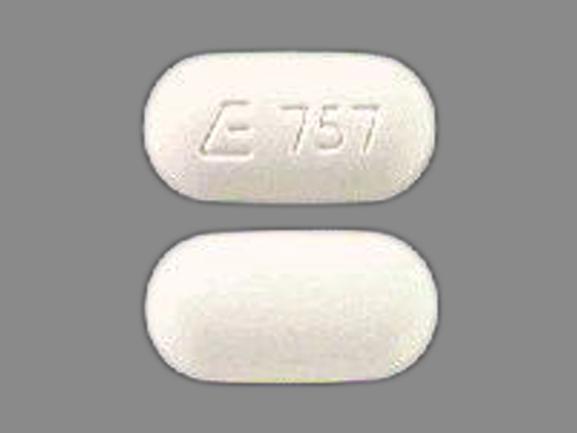
Sulfadiazine Side Effects
Medically reviewed by Drugs.com. Last updated on Nov 19, 2023.
Applies to sulfadiazine: oral tablet.
Serious side effects of Sulfadiazine
Along with its needed effects, sulfadiazine may cause some unwanted effects. Although not all of these side effects may occur, if they do occur they may need medical attention.
Check with your doctor immediately if any of the following side effects occur while taking sulfadiazine:
Rare
- Anxiety
- blurred vision
- changes in menstrual periods
- chills
- cold sweats
- coma
- confusion
- cool, pale skin
- decreased sexual ability in males
- depression
- dizziness
- dry, puffy skin
- fast heartbeat
- feeling cold
- headache
- increased hunger
- nausea
- nervousness
- nightmares
- seizures
- shakiness
- slurred speech
- swelling of front part of the neck
- unusual tiredness or weakness
- weight gain
Incidence not known
- Abdominal or stomach pain
- back, leg, or stomach pains
- black, tarry stools
- bleeding gums
- bleeding under the skin
- blindness or vision changes
- blistering, peeling, or loosening of the skin
- bloating
- blood in the urine or stools
- bluish-colored lips, fingernails, or palms
- burning of the face or mouth
- burning, crawling, itching, numbness, painful, prickling, "pins and needles", or tingling feelings
- chest pain
- cloudy urine
- clumsiness or unsteadiness
- constipation
- continuing ringing or buzzing or other unexplained noise in the ears
- cough or hoarseness
- cracks in the skin
- darkened urine
- decrease in the amount of urine
- diarrhea
- difficulty with breathing
- difficulty with moving
- dizziness or lightheadedness
- feeling of discomfort
- fever with or without chills
- general body swelling
- general feeling of tiredness or weakness
- headache
- hearing loss
- indigestion
- itching
- joint or muscle pain
- light-colored stools
- loss of appetite and weight
- loss of heat from the body
- lower back or side pain
- muscle pain or stiffness
- nosebleeds
- not able to pass urine
- pain or burning while urinating
- painful or difficult urination
- pains in the stomach, side, or abdomen, possibly radiating to the back
- pale skin
- pinpoint red or purple spots on the skin
- rapid heart rate
- rash
- red skin lesions, often with a purple center
- red, irritated eyes
- red, swollen skin
- redness of the white part of the eyes
- scaly skin
- seeing, hearing, or feeling things that are not there
- seizures
- shakiness and unsteady walk
- shortness of breath
- sore throat
- soreness of the muscles
- sores, ulcers, or white spots on the lips or in the mouth
- sudden decrease in amount of urine
- swelling around the eyes
- swelling of the face, hands, legs, and feet
- swelling or inflammation of the mouth
- swollen lymph glands
- swollen or painful glands
- tightness in the chest
- unsteadiness, trembling, or other problems with muscle control or coordination
- unusual bleeding or bruising
- upper right abdominal pain
- vision changes
- vomiting
- weakness in the hands or feet
- wheezing
- yellow eyes or skin
Other side effects of Sulfadiazine
Some side effects of sulfadiazine may occur that usually do not need medical attention. These side effects may go away during treatment as your body adjusts to the medicine. Also, your health care professional may be able to tell you about ways to prevent or reduce some of these side effects.
Check with your health care professional if any of the following side effects continue or are bothersome or if you have any questions about them:
Incidence not known
- Feeling of constant movement of self or surroundings
- hives or welts
- sensation of spinning
- sleeplessness
- trouble with sleeping
- unable to sleep
For Healthcare Professionals
Applies to sulfadiazine: compounding powder, oral tablet.
Hypersensitivity
Hypersensitivity side effects have included urticarial rash (most common), allergic myocarditis, anaphylactoid reactions, anaphylaxis, arthralgia, conjunctival and scleral injection, drug fever and chills, epidermal necrolysis, erythema multiforme, exfoliative dermatitis, generalized skin eruptions, periorbital edema, photosensitization, serum sickness, Stevens-Johnson syndrome, and urticaria.[Ref]
The use of sulfonamide antibiotics, including sulfadiazine, is associated with large increases in the risk of Stevens-Johnson syndrome and toxic epidermal necrolysis, although these phenomena are rare as a whole.[Ref]
Hematologic
Hemolytic anemia occurs less often with sulfadiazine than with other sulfonamides. Aplastic anemia may be more likely in patients with poor bone marrow reserves.[Ref]
Hematologic side effects have included agranulocytosis (0.1%), aplastic anemia, hemolytic anemia (0.05%), hypoprothrombinemia, leukopenia, methemoglobinemia, and purpura.[Ref]
Gastrointestinal
Gastrointestinal side effects have included nausea, vomiting, abdominal pain, diarrhea, anorexia, pancreatitis, and stomatitis.[Ref]
Hepatic
Hepatic side effects are rare but can be serious. Isolated cases of hepatitis and jaundice due to cholestasis have been associated with sulfadiazine. Elevated liver function tests (with a negative hepatitis panel) have been reported in at least one case associated with psychosis.[Ref]
Psychiatric
Psychosis associated with sulfadiazine and pyrimethamine therapy in patients with AIDS and CNS toxoplasmosis has been described in two separate case reports. In each case, tremulousness and disorientation developed within three days to two weeks after starting therapy, despite partial resolution of the size of the intracranial T gondii lesions. No other obvious cause for mental status changes was found. The delirium resolved upon discontinuation of therapy in each case, and was reproducible upon rechallenge. In one case, the patient had elevated liver function tests (hepatitis panel was negative), which were reversible upon discontinuation of therapy.[Ref]
Psychiatric side effects have rarely included frank psychosis in patients with AIDS and CNS toxoplasmosis. Tremulousness, disorientation, and delirium have been reported.[Ref]
Nervous system
Nervous system side effects have included ataxia, convulsions, hallucinations, headache, insomnia, mental depression, peripheral neuritis, tinnitus, and vertigo.[Ref]
Renal
Renal side effects have included crystalluria, lupus erythematosus, periarteritis nodosa, toxic nephrosis with oliguria and anuria, and acute renal failure secondary to crystalluria or tubulointerstitial nephritis.[Ref]
Genitourinary
In one case, analysis of the stone fragments showed a composition of 100% acetylated 2-sulfanilamidopyrimidine, a metabolite of sulfadiazine.[Ref]
Genitourinary side effects have included urolithiasis.[Ref]
Metabolic
Metabolic side effects have included hypoglycemia.[Ref]
Endocrine
Endocrine side effects associated with sulfonamides have rarely included diuresis, goiter production, and sialadenitis.[Ref]
More about sulfadiazine
- Check interactions
- Compare alternatives
- Pricing & coupons
- Drug images
- Dosage information
- During pregnancy
- Drug class: sulfonamides
- En español
Patient resources
Professional resources
Related treatment guides
References
1. Pisanty S, Brayer L. Erythema multiforme-like eruption due to sulfadiazine. J Dent Med. 1965;20:154-7.
2. Robson M, Levi J, Dolberg L, Rosenfeld J. Acute tubulo-interstitial nephritis following sulfadiazine therapy. Isr J Med Sci. 1970;6:561-6.
3. Finland M, Strauss E, Peterson O. Sulfadiazine. JAMA. 1941;116:2641-7.
4. Finland M, Strauss E, Peterson O. Sulfadiazine. JAMA. 1984;251:1467-74.
5. Goadsby P, Donaghy A, Lloyd A, Wakefield D. Acquired immunodeficiency syndrome (AIDS) and sulfadiazine-associated acute renal failure. Ann Intern Med. 1987;107:783-4.
6. Carbone L, Bendixen B, Appel G. Sulfadiazine-associated obstructive nephropathy occurring in a patient with the acquired immunodeficiency syndrome. Am J Kidney Dis. 1988;12:72-5.
7. Tenant-Flowers M, Boyle M, Carey D, et al. Sulphadiazine desenitization in patients with AIDS and cerebral toxoplasmosis. AIDS. 1991;5:311-5.
8. Product Information. Sulfadiazine (sulfadiazine). Eon Labs Manufacturing Inc. 2001;PROD.
9. Roujeau JC, Kelly JP, Naldi L, et al. Medication use and the risk of Stevens-Johnson syndrome or toxic epidermal necrolysis. N Engl J Med. 1995;333:1600-7.
10. Carrion-Carion C, Morales-Suarez-Varela MM, Llopis-Gonzalez A. Fatal Stevens-Johnson syndrome in an AIDS patient treated with sulfadiazine. Ann Pharmacother. 1999;33:379.
11. Iaccheri B, Fiore T, Papadaki T, et al. Adverse drug reactions to treatments for ocular toxoplasmosis: A retrospective chart review. Clin Ther. 2008;30:2069-74.
12. Kounis GN, Kouni SA, Chiladakis JA, Kounis NG. Comment: Mesalamine-Associated Hypersensitivity Myocarditis in Ulcerative Colitis and the Kounis Syndrome (February). Ann Pharmacother. 2009;43:393-4.
13. Puckett J, Cooper M, Stuart J, Wu WC, Sterchi JM. Pyrimethamine, sulfadiazine, and villous atrophy of the jejunum. Ann Intern Med. 1982;96:380.
14. Reboli AC, Mandler HD. Encephalopathy and psychoses associated with sulfadiazine in two patients with AIDS and CNS toxoplasmosis. Clin Infect Dis. 1992;15:556-7.
15. Young C. Acute encephalopathy associated with sulfadiazine in a patient with AIDS-related complex. J Infect Dis. 1989;160:163-4.
16. Marques LPJ, Madeira EPQ, Santos OR. Renal alterations induced by sulfadiazine therapy in an AIDS patients. Clin Nephrol. 1994;42:68-9.
17. Crespo M, Quereda C, Pascual J, Rivera M, Clemente L, Cano T. Patterns of sulfadiazine acute nephrotoxicity. Clin Nephrol. 2000;54:68-72.
18. Perazella MA. Drug-induced renal failure: update on new medications and unique mechanisms of nephrotoxicity. Am J Med Sci. 2003;325:349-62.
19. Schuler AK, Talor Z. The case: 69 year old man with sand in the urine. N-acetylsulfadiazine crystals. Kidney Int. 2007;72:769-70.
20. Dusseault BN, Croce KJ, Pais VM Jr. Radiographic characteristics of sulfadiazine urolithiasis. Urology. 2009;73:928.e5-6.
21. Anibarro B, Fontela JL. Sulfadiazine-induced sialadenitis. Ann Pharmacother. 1997;31:59-60.
Further information
Always consult your healthcare provider to ensure the information displayed on this page applies to your personal circumstances.
Some side effects may not be reported. You may report them to the FDA.