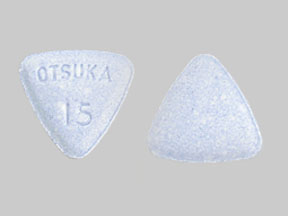
Samsca Side Effects
Generic name: tolvaptan
Medically reviewed by Drugs.com. Last updated on Jul 27, 2024.
Note: This document provides detailed information about Samsca Side Effects associated with tolvaptan. Some dosage forms listed on this page may not apply specifically to the brand name Samsca.
Applies to tolvaptan: oral tablet.
Important warnings
This medicine can cause some serious health issues
Oral route (tablet)
Samsca® should be initiated and re-initiated in patients only in a hospital where serum sodium can be monitored closely.
Too-rapid correction of hyponatremia (eg, greater than 12 mEq/L/24 hours) can cause osmotic demyelination resulting in dysarthria, mutism, dysphagia, lethargy, affective changes, spastic quadriparesis, seizures, coma, and death.
Slower rates of correction may be advisable in susceptible patients (eg, those with severe malnutrition, alcoholism, or advanced liver disease).Samsca® Not For Use For Autosomal Dominant Polycystic Kidney Disease (ADPKD): Because of the risk of hepatoxicity, tolvaptan should not be used for ADPKD outside of the FDA-approved REMS.
Oral route (tablet)
Warning: Risk Of Serious Liver Injury:Jynarque(TM) (tolvaptan) can cause serious and potentially fatal liver injury.
Acute liver failure requiring liver transplantation has been reported.Measure ALT, AST and bilirubin before initiating treatment, at 2 weeks and 4 weeks after initiation, then monthly for the first 18 months and every 3 months thereafter.
Prompt action in response to laboratory abnormalities, signs, or symptoms indicative of hepatic injury can mitigate, but not eliminate, the risk of serious hepatotoxicity.Because of the risks of serious liver injury, Jynarque(TM) is available only through a restricted distribution program under a Risk Evaluation and Mitigation Strategy (REMS) called the Jynarque(TM) REMS Program.
Serious side effects of Samsca
Along with its needed effects, tolvaptan (the active ingredient contained in Samsca) may cause some unwanted effects. Although not all of these side effects may occur, if they do occur they may need medical attention.
Check with your doctor immediately if any of the following side effects occur while taking tolvaptan:
More common
- blurred vision
- dry mouth
- flushed, dry skin
- frequent urination
- fruit-like breath odor
- increased hunger
- increased thirst
- increased urination
- increased volume of pale, dilute urine
- nausea
- stomach pain
- sweating
- thirst
- troubled breathing
- unexplained weight loss
- unusual tiredness or weakness
- vomiting
Less common
- anxiety
- blood in the urine
- bloody stools
- blue lips, fingernails, or skin
- bruising
- chest pain
- confusion
- cough
- coughing or vomiting blood
- dark urine
- dizziness or lightheadedness
- fainting
- fast, slow, irregular, or shallow heartbeat
- fever
- irregular, fast or slow, or shallow breathing
- loss of consciousness
- muscle cramp, spasm, pain, or stiffness
- pain, redness, or swelling in the arm or leg
- persistent bleeding or oozing from puncture sites, mouth, or nose
- pink or red urine
- rash
- rectal bleeding
- stomach tenderness
- troubled breathing
- sweating
- vaginal bleeding
Incidence not known
- difficulty swallowing
- general feeling of tiredness or weakness
- headache
- high blood pressure
- hives, itching, skin rash
- irritability
- light-colored stools
- muscle twitching
- puffiness or swelling of the eyelids or around the eyes, face, lips, or tongue
- restlessness
- seizures
- stomach pain, continuing
- swelling of the feet or lower legs
- tightness in the chest
- yellow eyes or skin
Other side effects of Samsca
Some side effects of tolvaptan may occur that usually do not need medical attention. These side effects may go away during treatment as your body adjusts to the medicine. Also, your health care professional may be able to tell you about ways to prevent or reduce some of these side effects.
Check with your health care professional if any of the following side effects continue or are bothersome or if you have any questions about them:
More common
- difficulty having a bowel movement
- lack or loss of strength
Less common
- loss of appetite
- weight loss
For healthcare professionals
Applies to tolvaptan: oral kit, oral tablet.
General
The most frequently reported side effects included thirst, dry mouth (up to 13%), asthenia, constipation, pollakiuria or polyuria and hyperglycemia.[Ref]
Gastrointestinal
- Very common (10% or more): Dry mouth (up to 13%), nausea, dysgeusia
- Common (1% to 10%): Constipation, ischemic colitis, gastrointestinal bleeding, diarrhea[Ref]
Cardiovascular
- Common (1% to 10%): Intracardiac thrombus, ventricular fibrillation, orthostatic hypotension, syncope[Ref]
Genitourinary
- Common (1% to 10%): Blood in urine
- Uncommon (0.1% to 1%): Urethral hemorrhage, vaginal hemorrhage[Ref]
Hematologic
- Common (1% to 10%): Prolonged prothrombin time, disseminated intravascular coagulation[Ref]
Musculoskeletal
- Common (1% to 10%): Rhabdomyolysis, arthralgia, myalgia
Nervous system
- Common (1% to 10%): Cerebrovascular accident, syncope, dizziness, headache
- Uncommon (0.1% to 1%): Dysgeusia
- Postmarketing reports: Osmotic demyelination syndrome[Ref]
Renal
- Very common (10% or more): Pollakiuria and polyuria (11%)
- Uncommon (0.1% to 1%): Renal impairment[Ref]
Respiratory
- Common (1% to 10%): Pulmonary embolism, respiratory failure[Ref]
Metabolic
- Common (1% to 10%): Hyperglycemia, anorexia, diabetic ketoacidosis, dehydration, hyperkalemia, decreased appetite, creatinine increased, hypernatremia, hypoglycemia, hyperuricemia, weight gain[Ref]
Dermatologic
- Common (1% to 10%): Ecchymosis, pruritus, dry skin, urticaria
- Uncommon (0.1% to 1%): Pruritic rash[Ref]
Hepatic
- Common: Alanine aminotransferase increased, aspartate aminotransferase increased, bilirubin increased
Hypersensitivity
- Postmarketing reports: Hypersensitivity reactions including anaphylactic shock and generalized rash
Other
- Very common (10% or more): Thirst (up to 18%)
- Common (1% to 10%): Asthenia, pyrexia, malaise
References
1. Gerlo S, Verdood P, Kooijman R (2006) "Tumor necrosis factor-alpha activates the extrapituitary PRL promoter in myeloid leukemic cells." J Neuroimmunol, 172(1-2), p. 206-10
2. (2009) "Product Information. Samsca (tolvaptan)." Otsuka American Pharmaceuticals Inc
Frequently asked questions
More about Samsca (tolvaptan)
- Check interactions
- Compare alternatives
- Pricing & coupons
- Drug images
- Dosage information
- During pregnancy
- Generic availability
- FDA approval history
- Drug class: vasopressin antagonists
- En español
Patient resources
Other brands
Professional resources
Other brands
Related treatment guides
Further information
Samsca side effects can vary depending on the individual. Always consult your healthcare provider to ensure the information displayed on this page applies to your personal circumstances.
Some side effects may not be reported. You may report them to the FDA.