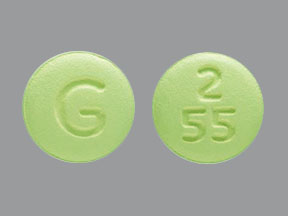
Drug Information
Side Effects > Ropinirole

Ropinirole Side Effects

Brand Names: Requip, Requip XL

Please note - some side effects for Ropinirole may not be reported. Always consult your doctor or healthcare specialist for medical advice. You may also report side effects to the FDA at http://www.fda.gov/medwatch/ or 1-800-FDA-1088 (1-800-332-1088).


Side Effects of Ropinirole - for the Consumer

Ropinirole

All medicines may cause side effects, but many people have no, or minor, side effects. Check with your doctor if any of these most COMMON side effects persist or become bothersome when using Ropinirole:

Constipation; dizziness; drowsiness; fatigue; headache; increased sweating; lightheadedness; loss of appetite; nausea; sore throat or flu-like symptoms; stomach pain or upset; tiredness; vomiting; weakness.

Seek medical attention right away if any of these SEVERE side effects occur when using Ropinirole:

Severe allergic reactions (rash; hives; itching; difficulty breathing; tightness in the chest; swelling of the mouth, face, lips, or tongue); anxiety; blood in the urine; blurred vision; chest pain; confusion; decreased coordination; fainting; falling asleep during the daytime or during normal activities (eg, conversations, eating); fast, slow, or irregular heartbeat; hallucinations; impotence; joint stiffness or pain; nightmares; numbness or tingling of the skin; severe or persistent headache or dizziness; shortness of breath; swelling of the arms or legs; uncontrolled muscle movements.

Ropinirole Extended-Release Tablets

All medicines may cause side effects, but many people have no, or minor, side effects. Check with your doctor if any of these most COMMON side effects persist or become bothersome when using Ropinirole Extended-Release Tablets:

Constipation; dizziness; drowsiness; fatigue; headache; increased sweating; lightheadedness; loss of appetite; nausea; sore throat or flu-like symptoms; stomach pain or upset; tiredness; vomiting; weakness.

Seek medical attention right away if any of these SEVERE side effects occur when using Ropinirole Extended-Release Tablets:

Severe allergic reactions (rash; hives; itching; difficulty breathing; tightness in the chest; swelling of the mouth, face, lips, or tongue); anxiety; blood in the urine; blurred vision; chest pain; confusion; decreased coordination; fainting; falling asleep during the daytime or normal daily activities (eg, conversations, eating); fast, slow, or irregular heartbeat; hallucinations; impotence; joint stiffness or pain; nightmares; numbness or tingling of the skin; severe or persistent headache or dizziness; shortness of breath; swelling of the arms or legs; uncontrolled muscle movements; unusual skin growths or change in the appearance of a mole.

Top

Ropinirole Side Effects - for the Professional

Ropinirole

Parkinson’s Disease

During the premarketing development of Ropinirole hydrochloride, patients received Ropinirole hydrochloride either without L-dopa (early Parkinson’s disease studies) or as concomitant therapy with L-dopa (advanced Parkinson’s disease studies). Because these 2 populations may have differential risks for various adverse events, this section will, in general, present adverse event data for these 2 populations separately.

Early Parkinson’s Disease (Without L-dopa)

The most commonly observed adverse events (> 5%) in the double-blind, placebo-controlled early Parkinson’s disease trials associated with the use of Ropinirole hydrochloride (n = 157) not seen at an equivalent frequency among the placebo-treated patients (n = 147) were, in order of decreasing incidence: nausea, dizziness, somnolence, headache, vomiting, syncope, fatigue, dyspepsia, viral infection, constipation, pain, increased sweating, asthenia, dependent/leg edema, orthostatic symptoms, abdominal pain, pharyngitis, confusion, hallucinations, urinary tract infections, and abnormal vision.

Approximately 24% of 157 patients treated with Ropinirole hydrochloride who participated in the double-blind, placebo-controlled early Parkinson’s disease (without L-dopa) trials discontinued treatment due to adverse events compared to 13% of 147 patients who received placebo. The adverse events most commonly causing discontinuation of treatment by patients treated with Ropinirole hydrochloride were: nausea (6.4%), dizziness (3.8%), aggravated Parkinson’s disease (1.3%), hallucinations (1.3%), somnolence (1.3%), vomiting (1.3%), and headache (1.3%). Of these, hallucinations appear to be dose-related. While other adverse events leading to discontinuation may be dose-related, the titration design utilized in these trials precluded an adequate assessment of the dose response. For example, in the larger of the 2 trials described in CLINICAL PHARMACOLOGY, Clinical Trials, the difference in the rate of discontinuations emerged only after 10 weeks of treatment, suggesting, although not proving, that the effect could be related to dose.

Adverse Event Incidence in Controlled Clinical Studies

Table 2 lists treatment-emergent adverse events that occurred in ≥ 2% of patients with early Parkinson’s disease (without L-dopa) treated with Ropinirole hydrochloride participating in the double-blind, placebo-controlled studies and were numerically more common in the group treated with Ropinirole hydrochloride. In these studies, either Ropinirole hydrochloride or placebo was used as early therapy (i.e., without L-dopa).

The prescriber should be aware that these figures cannot be used to predict the incidence of adverse events in the course of usual medical practice where patient characteristics and other factors differ from those that prevailed in the clinical studies. Similarly, the cited frequencies cannot be compared with figures obtained from other clinical investigations involving different treatments, uses, and investigators. However, the cited figures do provide the prescribing physician with some basis for estimating the relative contribution of drug and non-drug factors to the adverse-events incidence rate in the population studied.

Table 2. Treatment-Emergent Adverse Event* Incidence in Double-Blind, Placebo-Controlled Early Parkinson’s Disease (Without L-dopa) Trials (Events ≥ 2% of Patients Treated With Ropinirole Hydrochloride and Numerically More Frequent Than the Placebo Group)
*
Patients may have reported multiple adverse experiences during the study or at discontinuation; thus, patients may be included in more than one category
Adverse Experience Ropinirole Hydrochloride (n = 157) (%) Placebo (n = 147) (%)
Autonomic nervous system    
Flushing 3 1
Dry mouth 5 3
Increased sweating 6 4
Body as a whole    
Asthenia 6 1
Chest pain 4 2
Dependent edema 6 3
Leg edema 7 1
Fatigue 11 4
Malaise 3 1
Pain 8 4
Cardiovascular general    
Hypertension 5 3
Hypotension 2 0
Orthostatic symptoms 6 5
Syncope 12 1
Central/peripheral nervous system    
Dizziness 40 22
Hyperkinesia 2 1
Hypesthesia 4 2
Vertigo 2 0
Gastrointestinal system    
Abdominal pain 6 3
Anorexia 4 1
Dyspepsia 10 5
Flatulence 3 1
Nausea 60 22
Vomiting 12 7
Heart rate/rhythm    
Extrasystoles 2 1
Atrial fibrillation 2 0
Palpitation 3 2
Tachycardia 2 0
Metabolic/nutritional    
Increased alkaline phosphatase 3 1
Psychiatric    
Amnesia 3 1
Impaired concentration 2 0
Confusion 5 1
Hallucination 5 1
Somnolence 40 6
Yawning 3 0
Reproductive male    
Impotence 3 1
Resistance mechanism    
Viral infection 11 3
Respiratory system    
Bronchitis 3 1
Dyspnea 3 0
Pharyngitis 6 4
Rhinitis 4 3
Sinusitis 4 3
Urinary system    
Urinary tract infection 5 4
Vascular extracardiac    
Peripheral ischemia 3 0
Vision    
Eye abnormality 3 1
Abnormal vision 6 3
Xerophthalmia 2 0

Other events reported by 1% or more of early Parkinson’s disease (without L-dopa) patients treated with Ropinirole hydrochloride, but that were equally or more frequent in the placebo group, were: headache, upper respiratory infection, insomnia, arthralgia, tremor, back pain, anxiety, dyskinesias, aggravated Parkinsonism, depression, falls, myalgia, leg cramps, paresthesias, nervousness, diarrhea, arthritis, hot flushes, weight loss, rash, cough, hyperglycemia, muscle spasm, arthrosis, abnormal dreams, dystonia, increased salivation, bradycardia, gout, basal cell carcinoma, gingivitis, hematuria, and rigors.

Among the treatment-emergent adverse events in patients treated with Ropinirole hydrochloride, hallucinations appear to be dose-related.

The incidence of adverse events was not materially different between women and men.

Advanced Parkinson’s Disease (With L-dopa)

The most commonly observed adverse events (> 5%), in the double-blind, placebo-controlled advanced Parkinson’s disease (with L-dopa) trials associated with the use of Ropinirole hydrochloride (n = 208) as an adjunct to L-dopa not seen at an equivalent frequency among the placebo-treated patients (n = 120) were, in order of decreasing incidence: dyskinesias, nausea, dizziness, aggravated Parkinsonism, somnolence, headache, insomnia, injury, hallucinations, falls, abdominal pain, upper respiratory infection, confusion, increased sweating, vomiting, viral infection, increased drug level, arthralgia, tremor, anxiety, urinary tract infection, constipation, dry mouth, pain, hypokinesia, and paresthesia.

Approximately 24% of 208 patients who received Ropinirole hydrochloride in the double-blind, placebo-controlled advanced Parkinson’s disease (with L-dopa) trials discontinued treatment due to adverse events compared to 18% of 120 patients who received placebo. The events most commonly (≥ 1%) causing discontinuation of treatment by patients treated with Ropinirole hydrochloride were: dizziness (2.9%), dyskinesias (2.4%), vomiting (2.4%), confusion (2.4%), nausea (1.9%), hallucinations (1.9%), anxiety (1.9%), and increased sweating (1.4%). Of these, hallucinations and dyskinesias appear to be dose-related.

Adverse Event Incidence in Controlled Clinical Studies

Table 3 lists treatment-emergent adverse events that occurred in ≥ 2% of patients with advanced Parkinson’s disease (with L-dopa) treated with Ropinirole hydrochloride who participated in the double-blind, placebo-controlled studies and were numerically more common in the group treated with Ropinirole hydrochloride. In these studies, either Ropinirole hydrochloride or placebo was used as an adjunct to L-dopa. Adverse events were usually mild or moderate in intensity.

The prescriber should be aware that these figures cannot be used to predict the incidence of adverse events in the course of usual medical practice where patient characteristics and other factors differ from those that prevailed in the clinical studies. Similarly, the cited frequencies cannot be compared with figures obtained from other clinical investigations involving different treatments, uses, and investigators. However, the cited figures do provide the prescribing physician with some basis for estimating the relative contribution of drug and non-drug factors to the adverse events incidence rate in the population studied.

Table 3. Treatment-Emergent Adverse Event* Incidence in Double-Blind, Placebo-Controlled Advanced Parkinson’s Disease (With L-dopa) Trials (Events ≥ 2% of Patients Treated With Ropinirole Hydrochloride and Numerically More Frequent Than the Placebo Group)
*
Patients may have reported multiple adverse experiences during the study or at discontinuation; thus, patients may be included in more than one category.
Adverse Experience Ropinirole Hydrochloride (n = 208) (%) Placebo (n = 120) (%)
Autonomic nervous system    
Dry mouth 5 1
Increased sweating 7 2
Body as a whole    
Increased drug level 7 3
Pain 5 3
Cardiovascular general    
Hypotension 2 1
Syncope 3 2
Central/peripheral nervous system    
Dizziness 26 16
Dyskinesia 34 13
Falls 10 7
Headache 17 12
Hypokinesia 5 4
Paresis 3 0
Paresthesia 5 3
Tremor 6 3
Gastrointestinal system    
Abdominal pain 9 8
Constipation 6 3
Diarrhea 5 3
Dysphagia 2 1
Flatulence 2 1
Nausea 30 18
Increased saliva 2 1
Vomiting 7 4
Metabolic/nutritional    
Weight decrease 2 1
Musculoskeletal system    
Arthralgia 7 5
Arthritis 3 1
Psychiatric    
Amnesia 5 1
Anxiety 6 3
Confusion 9 2
Abnormal dreaming 3 2
Hallucinations 10 4
Nervousness 5 3
Somnolence 20 8
Red blood cell    
Anemia 2 0
Resistance mechanism    
Upper respiratory tract infection 9 8
Respiratory system    
Dyspnea 3 2
Urinary system    
Pyuria 2 1
Urinary incontinence 2 1
Urinary tract infection 6 3
Vision    
Diplopia 2 1

Other events reported by 1% or more of patients treated with both Ropinirole hydrochloride and L-dopa, but equally or more frequent in the placebo/L-dopa group, were: myocardial infarction, orthostatic symptoms, virus infections, asthenia, dyspepsia, myalgia, back pain, depression, leg cramps, fatigue, rhinitis, chest pain, hematuria, vertigo, tinnitus, leg edema, hot flushes, abnormal gait, hyperkinesia, and pharyngitis.

Among the treatment-emergent adverse events in patients treated with Ropinirole hydrochloride, hallucinations and dyskinesias appear to be dose-related.

Restless Legs Syndrome

The most commonly observed adverse events (> 5%) in the 12 week double-blind, placebo-controlled trials in the treatment of Restless Legs Syndrome with Ropinirole (n = 496) and at least twice the rate for placebo-treated patients (n = 500) were, in order of decreasing incidence: nausea, somnolence, vomiting, dizziness, and fatigue. Occurrences of nausea in clinical trials were generally mild to moderate in intensity.

Approximately 5% of 496 patients treated with Ropinirole who participated in the double-blind, placebo-controlled trials in the treatment of RLS discontinued treatment due to adverse events compared to 4% of 500 patients who received placebo. The adverse events most commonly causing discontinuation of treatment by patients treated with Ropinirole were: nausea (1.6%), dizziness (0.8 %), and headache (0.8%).

Adverse Event Incidence in Controlled Clinical Studies

Table 4 lists treatment-emergent adverse events that occurred in ≥ 2% of patients with RLS treated with Ropinirole hydrochloride participating in the 12 week double-blind, placebo-controlled studies and were numerically more common in the group treated with Ropinirole hydrochloride.

The prescriber should be aware that these figures cannot be used to predict the incidence of adverse events in the course of usual medical practice where patient characteristics and other factors differ from those that prevailed in the clinical studies. Similarly, the cited frequencies cannot be compared with figures obtained from other clinical investigations involving different treatments, uses, and investigators. However, the cited figures do provide the prescribing physician with some basis for estimating the relative contribution of drug and non-drug factors to the adverse-events incidence rate in the population studied.

Table 4. Treatment-Emergent Adverse Event Incidence in Double-Blind, Placebo-Controlled RLS Trials (Events ≥ 2% of Patients Treated With Ropinirole Hydrochloride and Numerically More Frequent Than the Placebo Group)
    Adverse Experience Ropinirole Hydrochloride (n = 496) (%) Placebo (n = 500) (%)
Ear and labyrinth disorders  
Vertigo 2 1
Gastrointestinal disorders  
Nausea 40 8
Vomiting 11 2
Diarrhea 5 3
Dyspepsia 4 3
Dry mouth 3 2
Abdominal pain upper 3 1
General disorders and administration site conditions    
Fatigue 8 4
Edema peripheral 2 1
Infections and infestations  
Nasopharyngitis 9 8
Influenza 3 2
Musculoskeletal and connective tissue disorders    
Arthralgia 4 3
Muscle cramps 3 2
Pain in extremity 3 2
Nervous system disorders  
Somnolence 12 6
Dizziness 11 5
Paresthesia 3 1
Respiratory, thoracic, and mediastinal disorders  
Cough 3 2
Nasal congestion 2 1
Skin and subcutaneous tissue disorders    
Hyperhidrosis 3 1

Other events reported by 2% or more of patients treated with Ropinirole hydrochloride, but equally or more frequent in the placebo group, were headache, insomnia, restless legs syndrome, upper respiratory tract infection, back pain, and sinusitis.

Other Adverse Events Observed During All Phase 2/3 Clinical Trials for Parkinson’s Disease

Ropinirole hydrochloride has been administered to 1,599 individuals in clinical trials. During these trials, all adverse events were recorded by the clinical investigators using terminology of their own choosing. To provide a meaningful estimate of the proportion of individuals having adverse events, similar types of events were grouped into a smaller number of standardized categories using modified WHOART dictionary terminology. These categories are used in the listing below. The frequencies presented represent the proportion of the 1,599 individuals exposed to Ropinirole hydrochloride who experienced events of the type cited on at least 1 occasion while receiving Ropinirole hydrochloride. All reported events that occurred at least twice (or once for serious or potentially serious events), except those already listed above, trivial events, and terms too vague to be meaningful, are included without regard to determination of a causal relationship to Ropinirole hydrochloride, except that events very unlikely to be drug-related have been deleted.

Events are further classified within body system categories and enumerated in order of decreasing frequency using the following definitions: frequent adverse events are defined as those occurring in at least 1/100 patients and infrequent adverse events are those occurring in 1/100 to 1/1,000 patients and rare events are those occurring in fewer than 1/1,000 patients.

Body as a Whole: Infrequent: Cellulitis, peripheral edema, fever, influenza-like symptoms, enlarged abdomen, precordial chest pain, and generalized edema. Rare: Ascites.

Cardiovascular: Infrequent: Cardiac failure, bradycardia, tachycardia, supraventricular tachycardia, angina pectoris, bundle branch block, cardiac arrest, cardiomegaly, aneurysm, mitral insufficiency. Rare: Ventricular tachycardia.

Central/Peripheral Nervous System: Frequent: Neuralgia. Infrequent: Involuntary muscle contractions, hypertonia, dysphonia, abnormal coordination, extrapyramidal disorder, migraine, choreoathetosis, coma, stupor, aphasia, convulsions, hypotonia, peripheral neuropathy, paralysis. Rare: Grand mal convulsions, hemiparesis, hemiplegia.

Endocrine: Infrequent: Hypothyroidism, gynecomastia, hyperthyroidism. Rare: Goiter, SIADH.

Gastrointestinal: Infrequent: Increased hepatic enzymes, bilirubinemia, cholecystitis, cholelithiasis colitis, dysphagia, periodontitis, fecal incontinence, gastroesophageal reflux, hemorrhoids, toothache, eructation, gastritis, esophagitis, hiccups, diverticulitis, duodenal ulcer, gastric ulcer, melena, duodenitis, gastrointestinal hemorrhage, glossitis, rectal hemorrhage, pancreatitis, stomatitis and ulcerative stomatitis, tongue edema. Rare: Biliary pain, hemorrhagic gastritis, hematemesis, salivary duct obstruction.

Hematologic: Infrequent: Purpura, thrombocytopenia, hematoma, Vitamin B12 deficiency, hypochromic anemia, eosinophilia, leukocytosis, leukopenia, lymphocytosis, lymphopenia, lymphedema.

Metabolic/Nutritional: Frequent: Increased BUN. Infrequent: Hypoglycemia, increased alkaline phosphatase, increased LDH, weight increase, hyperphosphatemia, hyperuricemia, diabetes mellitus, glycosuria, hypokalemia, hypercholesterolemia, hyperkalemia, acidosis, hyponatremia, thirst, increased CPK, dehydration. Rare: Hypochloremia.

Musculoskeletal: Infrequent: Aggravated arthritis, tendonitis, osteoporosis, bursitis, polymyalgia rheumatica, muscle weakness, skeletal pain, torticollis. Rare: Dupuytren’s contracture requiring surgery.

Neoplasm: Infrequent: Malignant breast neoplasm. Rare: Bladder carcinoma, benign brain neoplasm, esophageal carcinoma, malignant laryngeal neoplasm, lipoma, rectal carcinoma, uterine neoplasm.

Psychiatric: Infrequent: Increased libido, agitation, apathy, impaired concentration, depersonalization, paranoid reaction, personality disorder, euphoria, delirium, dementia, delusion, emotional lability, decreased libido, manic reaction, somnambulism, aggressive reaction, neurosis. Rare: Suicide attempt.

Genitourinary: Infrequent: Amenorrhea, vaginal hemorrhage, penile disorder, prostatic disorder, balanoposthitis, epididymitis, perineal pain, dysuria, micturition frequency, albuminuria, nocturia, polyuria, renal calculus. Rare: Breast enlargement, mastitis, uterine hemorrhage, ejaculation disorder, Peyronie’s disease, pyelonephritis, acute renal failure, uremia.

Resistance Mechanism: Infrequent: Herpes zoster, otitis media, sepsis, abscess, herpes simplex, fungal infection, genital moniliasis.

Respiratory: Infrequent: Asthma, epistaxis, laryngitis, pleurisy, pulmonary edema.

Skin/Appendage: Infrequent: Pruritis, dermatitis, eczema, skin ulceration, alopecia, skin hypertrophy, skin discoloration, urticaria, fungal dermatitis, furunculosis, hyperkeratosis, photosensitivity reaction, psoriasis, maculopapular rash, psoriaform rash, seborrhea.

Special Senses: Infrequent: Tinnitus, earache, decreased hearing, abnormal lacrimation, conjunctivitis, blepharitis, glaucoma, abnormal accommodation, blepharospasm, eye pain, photophobia. Rare: Scotoma.

Vascular Extracardiac: Infrequent: Varicose veins, phlebitis, peripheral gangrene. Rare: Limb embolism, pulmonary embolism, gangrene, subarachnoid hemorrhage, deep thrombophlebitis, leg thrombophlebitis, thrombosis.

Falling Asleep During Activities of Daily Living

Patients treated with Ropinirole hydrochloride have reported falling asleep while engaged in activities of daily living, including operation of a motor vehicle which sometimes resulted in accidents.

Other Adverse Events Observed During Phase 2/3 Clinical Trials for RLS

Ropinirole hydrochloride has been administered to 911 individuals in clinical trials. During these trials, all adverse events were recorded by the clinical investigators using terminology of their own choosing. To provide a meaningful estimate of the proportion of individuals having adverse events, similar types of events were grouped into a smaller number of standardized categories using MedDRA dictionary terminology. These categories are used in the listing below. The frequencies presented represent the proportion of the 911 individuals exposed to Ropinirole hydrochloride who experienced events of the type cited on at least one occasion while receiving Ropinirole hydrochloride. All reported events that occurred at least twice (or once for serious or potentially serious events), except those already listed, trivial events, and terms too vague to be meaningful, are included without regard to determination of a causal relationship to Ropinirole hydrochloride, except that events very unlikely to be drug-related have been deleted.

Events are further classified within body system categories and enumerated in order of decreasing frequency using the following definitions: frequent adverse events are defined as those occurring in at least 1/100 patients and infrequent adverse events are those occurring in 1/100 to 1/1,000 patients.

Blood and Lymphatic System Disorders: Infrequent: Anemia, lymphadenopathy.

Cardiac Disorders: Frequent: Palpitations. Infrequent: Acute coronary syndrome, angina pectoris, angina unstable, bradycardia, cardiac failure, cardiovascular disorder, coronary artery disease, myocardial infarction, sick sinus syndrome, tachycardia.

Congenital, Familial, and Genetic Disorders: Infrequent: Pigmented nevus.

Ear and Labyrinth Disorders: Infrequent: Ear pain, middle ear effusion, tinnitus.

Endocrine Disorders: Infrequent: Goiter, hypothyroidism.

Eye Disorders: Infrequent: Blepharitis, conjunctival hemorrhage, conjunctivitis, eye irritation, eye pain, keratoconjunctivitis sicca, vision blurred, visual acuity reduced, visual disturbance.

Gastrointestinal Disorders: Frequent: Abdominal pain, constipation, gastroesophageal reflux disease, stomach discomfort, toothache. Infrequent: Abdominal adhesions, abdominal discomfort, abdominal distension, abdominal pain lower, duodenal ulcer, dysphagia, eructation, flatulence, gastric disorder, gastric hemorrhage, gastric polyps, gastric ulcer, gastritis, gastrointestinal pain, hematemesis, hemorrhoids, hiatus hernia, intestinal obstruction, irritable bowel syndrome, loose stools, mouth ulceration, pancreatitis acute, peptic ulcer, rectal hemorrhage, reflux esophagitis.

General Disorders and Administration Site Conditions: Frequent: Asthenia, chest pain, influenza-like illness, rigors. Infrequent: Chest discomfort, feeling cold, feeling hot, hunger, lethargy, malaise, edema, pain, pyrexia.

Hepatobiliary Disorders: Infrequent: Cholecystitis, cholelithiasis, ischemic hepatitis.

Immune System Disorders: Infrequent: Hypersensitivity.

Infections and Infestations: Frequent: Bronchitis, gastroenteritis, gastroenteritis viral, lower respiratory tract infection, rhinitis, tooth abscess, urinary tract infection. Infrequent: Appendicitis, bacterial infection, bladder infection, bronchitis acute, candidiasis, cellulitis, cystitis, diarrhea infectious, diverticulitis, ear infection, folliculitis, fungal infection, gastrointestinal infection, herpes simplex, infected cyst, laryngitis, localized infection, mastitis, otitis externa, otitis media, pharyngitis, pneumonia, postoperative infection, respiratory tract infection, tonsillitis, tooth infection, vaginal candidiasis, vaginal infection, vaginal mycosis, viral infection, viral upper respiratory tract infection, wound infection.

Injury, Poisoning, and Procedural Complications: Infrequent: Concussion, lower limb fracture, post procedural hemorrhage, road traffic accident.

Investigations: Infrequent: Blood cholesterol increased, blood iron decreased, blood pressure increased, blood urine present, hemoglobin decreased, heart rate increased, protein urine present, weight decreased, weight increased.

Metabolism and Nutrition Disorders: Infrequent: Anorexia, decreased appetite, diabetes mellitus non-insulin-dependent, fluid retention, gout, hypercholesterolemia.

Musculoskeletal and Connective Tissue Disorders: Frequent: Muscle spasms, musculoskeletal stiffness, myalgia, neck pain, osteoarthritis, tendonitis. Infrequent: Arthritis, aseptic necrosis bone, bone pain, bone spur, bursitis, groin pain, intervertebral disc degeneration, intervertebral disc protrusion, joint stiffness, joint swelling, localized osteoarthritis, monoarthritis, muscle contracture, muscle tightness, muscle twitching, osteoporosis, rotator cuff syndrome, sacroiliitis, synovitis.

Neoplasms Benign, Malignant, and Unspecified: Infrequent: Anaplastic thyroid cancer, angiomyolipoma, basal cell carcinoma, breast cancer, gastric cancer, gastrointestinal stromal tumor, malignant melanoma, prostate cancer, skin papilloma, squamous cell carcinoma, uterine leiomyoma.

Nervous System Disorders: Frequent: Hypoesthesia, migraine. Infrequent: Amnesia, aphasia, ataxia, balance disorder, benign intracranial hypertension, burning sensation, carpal tunnel syndrome, disturbance in attention, dizziness postural, dysgeusia, dyskinesia, head discomfort, hyperesthesia, hypersomnia, lethargy, loss of consciousness, memory impairment, migraine with aura, migraine without aura, neuralgia, sciatica, sedation, sinus headache, sleep apnea syndrome, syncope vasovagal, tension headache, transient ischemic attack, tremor.

Psychiatric Disorders: Frequent: Anxiety, depression, irritability, sleep disorder. Infrequent: Abnormal dreams, agitation, bruxism, confusional state, depressed mood, disorientation, early morning awakening, libido decreased, loss of libido, mood swings, nervousness, nightmare, panic attack, stress symptoms, tension.

Renal and Urinary Disorders: Infrequent: Dysuria, hematuria, hypertonic bladder, micturition disorder, nephrolithiasis, nocturia, pollakiuria, proteinuria, urinary retention.

Reproductive System and Breast Disorders: Frequent: Erectile dysfunction. Infrequent: Breast cyst, dysmenorrhea, menorrhagia, pelvic peritoneal adhesions, postmenopausal hemorrhage, premenstrual syndrome, prostatitis.

Respiratory, Thoracic and Mediastinal Disorders: Frequent: Asthma, pharyngolaryngeal pain. Infrequent: Dry throat, dyspnea, epistaxis, hemoptysis, hoarseness, interstitial lung disease, nasal mucosal disorder, nasal polyps, respiratory tract congestion, rhinorrhea, sinus congestion, sneezing, wheezing, yawning.

Skin and Subcutaneous Tissue Disorders: Frequent: Night sweats, rash. Infrequent: Acne, actinic keratosis, alopecia, cold sweat, dermatitis, dermatitis allergic, dermatitis contact, eczema, exanthem, face edema, photosensitivity reaction, pruritus, psoriasis, rash pruritic, skin lesion, urticaria.

Vascular Disorders: Frequent: Hot flush, hypertension, hypotension. Infrequent: Atherosclerosis, circulatory collapse, flushing, hematoma, thrombosis, varicose vein.

Postmarketing Reports

Psychiatric Disorders: Impulse control symptoms, pathological gambling, increased libido including hypersexuality.

Top

Side Effects by Body System

Gastrointestinal

Gastrointestinal side effects have included nausea (12% to 60%), vomiting (12%), abdominal pain (6% to 7%), constipation (5% to 6%), dyspepsia (4% to 5%), diarrhea (5%), anorexia (4%), and flatulence (3%). These side effects may be decreased by taking the drug with food. Gastroesophageal reflux disease, stomach discomfort, abdominal adhesions, abdominal discomfort, abdominal distension, abdominal pain lower, duodenal ulcer, dysphagia, eructation, gastric disorder, gastric hemorrhage, gastric polyps, gastric ulcer, gastrointestinal pain, gastrointestinal infection, hemorrhoids, hiatus hernia, intestinal obstruction, irritable bowel syndrome, loose stools, mouth ulceration, pancreatitis acute, peptic ulcer, rectal hemorrhage, and reflux esophagitis have also been reported. Biliary pain, hemorrhagic gastritis, hematemesis, and salivary duct obstruction have been reported rarely.

Nervous system

Nervous system side effects have included dyskinesia (21% to 34%), dizziness (6% to 26%), headache (5% to 17%), falls (10%), paresthesia (5%), hypokinesia (5%), hypesthesia (4%), hyperkinesia (2%) and vertigo (2%). Neuralgia, involuntary muscle contractions, hypertonia, dysphonia, abnormal coordination, extrapyramidal disorder, migraine, choreoathetosis, coma, stupor, aphasia, convulsions, hypotonia, peripheral neuropathy, and paralysis have also been reported. Grand mal convulsions, hemiparesis, and hemiplegia have been reported rarely.

Psychiatric

Sixty cases of sudden onset of sleep have been reported. Two of these cases have been reported to have lead to fatal car accidents. Patients should be advised that sudden sleep has been reported without warning signs. Patients should be warned against driving or performing other activities which may put the patient or others in danger if drowsiness or sudden sleep were to occur. If drowsiness or sudden sleep does occur, patients should be advised that they should immediately contact their physicians.

Psychiatric side effects have included somnolence (11% to 40%), confusion (5% to 9%), hallucination (5% to 6%), amnesia (3%), yawning (3%), and impaired concentration (2%). Hallucinations appear to be dose related. Anxiety, depression, irritability, sleep disorder, abnormal dreams, agitation, bruxism, confusional state, depressed mood, disorientation, early morning awakening, libido decreased, loss of libido, mood swings, nervousness, nightmare, panic attack, manic reaction, somnambulism, aggressive reaction, neurosis, stress symptoms, and tension have also been reported. Suicide attempt has been reported rarely. Impulse control symptoms, pathological (compulsive) gambling, increased libido including hypersexuality have been reported principally in Parkinson's disease patients treated with dopaminergic drugs, especially at higher doses.

Cardiovascular

Cardiovascular effects have included syncope (11% to 12%), orthostatic symptoms (6%), hypertension (5%), hypotension (2%), palpitation (3%), tachycardia (2%), atrial fibrillation (2%), and extrasystoles (2%). Peripheral ischemia, atherosclerosis, acute coronary syndrome, angina pectoris, angina unstable, bradycardia, cardiac failure, cardiovascular disorder, coronary artery disease, myocardial infarction, sick sinus syndrome, circulatory collapse, and thrombosis have also been reported.

Immunologic

Immunologic side effects have included viral infection (8% to 11%).

General

General side effects have included fatigue (7% to 11%), pain (8%), leg edema (6% to 7%), asthenia (5% to 6%), dependent edema (6%), and chest pain (4%). Hematoma, flushing, and varicose vein have also been reported.

Respiratory

Respiratory side effects have included pharyngitis (6%), rhinitis (4%), sinusitis (4%), bronchitis (3%), cough (3%), and dyspnea (3%). Nasal congestion, asthma, epistaxis, laryngitis, pneumonia, respiratory tract infection, tonsillitis, pleurisy, and pulmonary edema have also been reported.

Ocular

Ocular side effects have included abnormal vision (6%), eye abnormality (3%), diplopia (2%), and xerophthalmia (2%). Conjunctivitis, abnormal lacrimation, blepharitis, glaucoma, abnormal accommodation, blepharospasm, eye pain, photophobia, conjunctival hemorrhage, eye irritation, keratoconjunctivitis sicca, vision blurred, visual acuity reduced, and visual disturbance have also been reported. Scotoma has been reported rarely.

Metabolic

Metabolic side effects have included increases in alkaline phosphatase and BUN. Weight decrease/ increase, hypoglycemia, increased LDH, hyperphosphatemia, hyperuricemia, diabetes mellitus, glycosuria, hypokalemia, hypercholesterolemia, hyperkalemia, acidosis, hyponatremia, thirst, increased CPK, and dehydration. Hypochloremia has been reported rarely.

Genitourinary

Genitourinary side effects have included Impotence (3%). Amenorrhea, vaginal hemorrhage, vaginal infection, penile disorder, prostatic disorder, balanoposthitis, epididymitis, perineal pain, dysuria, micturition frequency, albuminuria, nocturia, polyuria, and renal calculus have also been reported. Breast enlargement, mastitis, uterine hemorrhage, ejaculation disorder, Peyronie's disease, pyelonephritis, acute renal failure, and uremia have been reported rarely.

Other

Other side effects have included increased sweating (5%).

When ropinirole was administered concomitantly with L-dopa to patients with advanced Parkinson's disease, dyskinesia (13% to 34%), nausea (11% to 30%), dizziness (8% to 26%), somnolence (7% to 20%), headache (17%), hallucinations (8% to 10%), falls (10%), abdominal pain (6% to 9%), confusion (9%), increased sweating (7%), vomiting (7%), increased drug level (7%), arthralgia (7%), tremor (6%), anxiety (2% to 6%), urinary tract infection (6%), constipation (4% to 6%), dry mouth (2% to 5%), pain (5%), hypokinesia (5%), paresthesia (5%), diarrhea (3% to 5%), amnesia (5%), nervousness (5%), orthostatic hypotension (5%), peripheral edema (4%), vertigo (4%), back pain (3%), hypertension (3%), hypotension (2%), insomnia, injury, aggravated Parkinsonism, viral infection, abnormal dreams, bronchitis, vertigo, pyrexia, flatulence, nasopharyngitis, myalgia, and sleep disorder have been reported.

Musculoskeletal

Musculoskeletal side effects have included arthralgia, myalgia, muscle spasms, neck pain, osteoarthritis, tendonitis, bone pain, bursitis, groin pain, intervertebral disc degeneration, intervertebral disc protrusion, joint stiffness, joint swelling, localized osteoarthritis, muscle contracture, muscle twitching, osteoporosis, rotator cuff syndrome, sacroiliitis, synovitis, polymyalgia rheumatica, skeletal pain, torticollis, and pain in extremity. Dupuytren's contracture requiring surgery has been reported rarely.

Dermatologic

Dermatologic side effects have included hyperhidrosis, night sweats, and rash. Pruritus, dermatitis, eczema, skin ulceration, alopecia, acne, actinic keratosis, skin hypertrophy, skin discoloration, urticaria, fungal dermatitis, furunculosis, hyperkeratosis, photosensitivity reaction, psoriasis, maculopapular rash, psoriasiform rash, and seborrhea have been reported infrequently.

Hematologic

Hematologic side effects have been reported rarely. These have included purpura, thrombocytopenia, hematoma, vitamin B12 deficiency, hypochromic anemia, eosinophilia, leukocytosis, leukopenia, lymphocytosis, lymphopenia, and lymphedema.

Endocrine

Endocrine side effects have infrequently included hypothyroidism, gynecomastia, and hyperthyroidism. Goiter and SIADH have been reported rarely.

Other

Cases of retroperitoneal fibrosis, pulmonary infiltrates, pleural effusion, pleural thickening, pericarditis, and cardiac valvulopathy have been reported in some patients treated with ergot-derived dopaminergic agents. Complete resolution of symptoms did not always occur upon discontinuation of the drug.

Other side effects have included fibrotic complications, including pleural effusions, pleural fibrosis, interstitial lung disease, and cardiac valvulopathy, although causal relationship was not established.

Hepatic

Hepatic side effects have included cholecystitis colitis, cholelithiasis, ischemic hepatitis, and increased hepatic enzymes.

Oncologic

Oncologic side effects have included malignant breast neoplasm, bladder, carcinoma, benign brain neoplasm, esophageal carcinoma, malignant laryngeal neoplasm, lipoma, rectal carcinoma, and uterine neoplasm. Anaplastic thyroid cancer, angiomyolipoma, basal cell carcinoma, gastric cancer, gastrointestinal stromal tumor, malignant melanoma, prostate cancer, skin papilloma, squamous cell carcinoma, and uterine leiomyoma have also been reported.

Top

More resources:

Drugs.com Requip

PDR Requip

MedFacts Requip XL Extended-Release Tablets

MedFacts Ropinirole

Micromedex Ropinirole - Includes detailed dosage instructions.

FDA Ropinirole

FDA Requip

Disclaimer: Every effort has been made to ensure that the information provided is accurate, up-to-date, and complete, but no guarantee is made to that effect. In addition, the drug information contained herein may be time sensitive and should not be utilized as a reference resource beyond the date hereof. This information does not endorse drugs, diagnose patients, or recommend therapy. This drug information is a reference resource designed as supplement to, and not a substitute for, the expertise, skill , knowledge, and judgement of healthcare practitioners in patient care. The absence of a warning for a given drug or drug combination in no way should be construed to indicate that the drug of drug combination is safe, effective, or appropriate for any given patient. Drugs.com does not assume any responsibility for any aspect of healthcare administered with the aid of information provided. The information contained herein is not intended to cover all possible uses, directions, precautions, warnings, drug interactions, allergic reactions, or adverse effects. If you have questions about the drugs you are taking, check with your doctor, nurse, or pharmacist.


MedNotes
Advertisement

(web1)