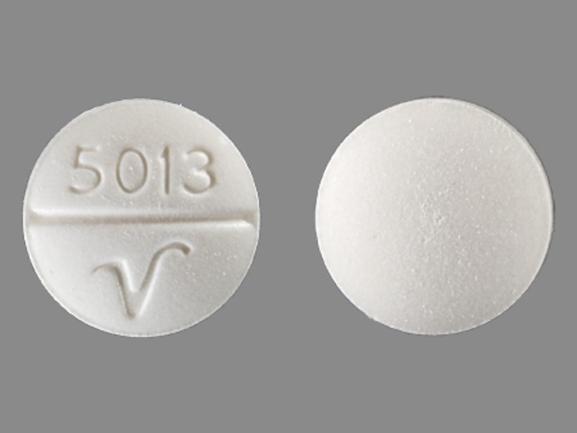
Phenobarbital Side Effects
Medically reviewed by Drugs.com. Last updated on Mar 31, 2024.
Applies to phenobarbital: intravenous powder for solution.
Important warnings
This medicine can cause some serious health issues
Serious side effects of phenobarbital
Along with its needed effects, phenobarbital may cause some unwanted effects. Although not all of these side effects may occur, if they do occur they may need medical attention.
Check with your doctor or nurse immediately if any of the following side effects occur while taking phenobarbital:
More common
- blurred vision
- confusion
- dizziness, faintness, or lightheadedness when getting up suddenly from a lying or sitting position
- drowsiness
- relaxed and calm
- sleepiness
- sweating
- unusual tiredness or weakness
Less common
- chest pain or discomfort
- chills
- coma
- confusion
- decreased urine output
- headache
- fever
- increased thirst
- muscle pain or cramps
- nausea or vomiting
- slow or irregular heartbeat
- swelling of the face, ankles, or hands
- trouble breathing
Incidence not known
- black, tarry stools
- blistering, peeling, or loosening of the skin
- changes in behavior
- cough
- diarrhea
- dry, red, hot, or irritated skin
- itching
- joint or muscle
- loss of strength or energy
- muscle pain or weakness
- pale or blue lips, fingernails, or skin
- painful or difficult urination
- red irritated eyes
- red skin lesions, often with a purple center
- sore throat
- sores, ulcers, or white spots in the mouth or on the lips
- swelling of the face, throat, or tongue
- swollen, painful, or tender lymph glands in the neck, armpit, or groin
- thoughts of killing oneself
- unusual bleeding or bruising
Get emergency help immediately if any of the following symptoms of overdose occur while taking phenobarbital:
Symptoms of overdose
- change in consciousness
- changes in patterns and rhythms of speech
- confusion
- difficult or trouble breathing
- drowsiness
- hallucinations
- irregular, fast or slow, or shallow breathing
- loss of consciousness
- loss of strength or energy
- muscle pain or weakness
- pale or blue lips, fingernails, or skin
- shakiness and unsteady walk
- slurred speech
- trouble in speaking
- trouble sleeping
- unsteadiness, trembling, or other problems with muscle control or coordination
- unusual excitement, nervousness, restlessness, or irritability nightmares
- unusual drowsiness, dullness, tiredness, weakness or feeling of sluggishness
- unusual weak feeling
Other side effects of phenobarbital
Some side effects of phenobarbital may occur that usually do not need medical attention. These side effects may go away during treatment as your body adjusts to the medicine. Also, your health care professional may be able to tell you about ways to prevent or reduce some of these side effects.
Check with your health care professional if any of the following side effects continue or are bothersome or if you have any questions about them:
Incidence not known
- skin rash, encrusted, scaly and oozing
For healthcare professionals
Applies to phenobarbital: compounding powder, injectable solution, intravenous powder for injection, oral capsule, oral elixir, oral tablet.
General
The most commonly reported side effect was somnolence.[Ref]
Nervous system
- Common (1% to 10%): Somnolence
- Postmarketing reports: Sedation, residual sedation/"hangover" effect, drowsiness, lethargy, vertigo, localized/diffuse neuralgic pain, headache, hyperactivity, hypotension, hyperkinesia, ataxia, central nervous system (CNS) depression, dizziness, impairment of fine motor skills, Grand mal convulsion, prolonged coma, depressed/absent reflexes, nystagmus[Ref]
Drowsiness/sedation tended to decrease with continued use.
Localized or diffuse neuralgic pain occurred, especially in psychoneurotic patients with insomnia. This pain was most frequently located in the neck, shoulders, and upper limbs and appeared in paroxysms that were most intense early in the morning. In some patients, the pain continued for days after discontinuation of this drug.
Hyperactivity occurred in pediatric and geriatric patients.[Ref]
Psychiatric
- Postmarketing reports: Accentuated emotional disturbances/phobias, aggression, excitement/hyperexcitability, restlessness, delirium, irritability, agitation, confusion, nightmares, nervousness, psychiatric disturbance, hallucinations, insomnia/sleep disturbance, anxiety, abnormality in thinking, paradoxical reaction (unusual excitement), mental depression/depression, cognitive impairment, behavioral disturbances in children, abnormal behavior, mood altered, subtle mood changes, menstrually related mood disorder, suicidal ideation, memory/concentration/judgment impairment, withdrawal syndrome, tolerance, dependence, psychic/physical dependence, mental confusion/confusion, disorientation[Ref]
Some patients have experienced paradoxical excitement, restlessness, or delirium in the presence of pain.
Paradoxical reactions, hallucinations, restlessness, hyperexcitability, and confusion have occurred in geriatric and pediatric patients. Pediatric patients were more likely to experience aggression or irritability.[Ref]
Immunologic
- Postmarketing reports: Antiepileptic hypersensitivity syndrome (e.g., fever, rash, lymphadenopathy, lymphocytosis, eosinophilia, hematological abnormalities, hepatic and other organ involvement [renal, pulmonary])[Ref]
Antiepileptic hypersensitivity syndrome typically occurred 1 to 8 weeks after first exposure or within 1 day of rechallenge. This syndrome may have cross reactivity with other antiepileptic agents.[Ref]
Dermatologic
- Postmarketing reports: Erythematous dermatitis, exfoliative dermatitis (e.g., Stevens-Johnson syndrome, toxic epidermal necrolysis), skin eruptions, maculopapular/morbilliform/scarlatiniform rashes, dermatitis, erythema multiforme, drug eruption, evidence of connective tissue changes, skin blisters/bullae, photosensitivity, erythroderma, urticaria[Ref]
Skin eruptions may be associated with fever, delirium, and marked changes in the liver and other organs.[Ref]
Musculoskeletal
- Postmarketing reports: Localized/diffuse myalgic or arthritic pain, osteomalacia, rickets, decreased bone mineral density, increased risk of fracture, Dupuytren's contracture, bone metabolism disorder, frozen shoulder, Ledderhose's syndrome, general joint pain, osteopenia, osteoporosis, fractures[Ref]
Localized or diffuse myalgic or arthritic pain occurred, especially in psychoneurotic patients with insomnia. This pain was most frequently located in the neck, shoulders, and upper limbs and appeared in paroxysms that were most intense early in the morning. In some patients, pain continued for days after discontinuation of therapy.
Decreased bone mineral density, Dupuytren's contracture, osteopenia, osteoporosis, and fractures occurred in patients receiving long-term therapy; however, the exact mechanism of action in bones was not identified.[Ref]
Other
- Postmarketing reports: Inebriation (drunk-like effect), fever, neonatal sedation, neonatal drug dependence/withdrawal, neonatal symptoms resembling vitamin K deficiency, neonatal bleeding due to vitamin K deficiency, congenital anomaly, cleft lip and palate, lowered body temperature[Ref]
Hematologic
- Postmarketing reports: Megaloblastic anemia, macrocytic anemia, aplastic anemia, agranulocytosis, thrombocytopenia, hypoprothrombinemia, methemoglobinemia, purpura, lymphocytosis[Ref]
Megaloblastic anemia occurred after chronic use of this drug, and may be due to folate deficiency.
Methemoglobinemia has occurred in infants nursed by mothers receiving this drug.[Ref]
Cardiovascular
- Postmarketing reports: Circulatory collapse, peripheral vascular collapse, weak heartbeat, circulatory failure, bradycardia, hypotension, profound shock, vasodilation[Ref]
Respiratory
- Postmarketing reports: Respiratory depression, severe/significant respiratory depression, apnea, hypoventilation, bronchospasm, laryngospasm[Ref]
Bronchospasm and laryngospasm were reported, especially in patients given the IV formulation.[Ref]
Hepatic
- Postmarketing reports: Abnormal hepatic function, hepatitis, liver damage, cholestasis, toxic hepatitis, jaundice[Ref]
Metabolic
- Postmarketing reports: Hypocalcemia, folate deficiency, abnormal vitamin D metabolism, increased vitamin D requirements (possibly resulting from abnormal vitamin D metabolism), vitamin K deficiency, hypophosphatemia[Ref]
Gastrointestinal
- Postmarketing reports: Nausea, vomiting, constipation, diarrhea[Ref]
Hypersensitivity
- Postmarketing reports: Localized swelling (e.g. eyelids, cheeks, lips), hypersensitivity reactions (e.g., angioedema, skin rashes, exfoliative dermatitis), angioedema[Ref]
Hypersensitivity reactions generally consisted of acquired hypersensitivity. Patients with a higher risk of developing reactions were more likely to have asthma, urticaria, and angioedema.[Ref]
Local
- Postmarketing reports: Injection site reactions, local necrosis after extravasation (IV/subcutaneous injection)[Ref]
Renal
- Postmarketing reports: Renal failure[Ref]
Oncologic
- Postmarketing reports: Fibromas[Ref]
Endocrine
- Postmarketing reports: Reduced serum concentrations of thyroid hormones[Ref]
Genitourinary
- Postmarketing reports: Peyronie's disease[Ref]
References
1. (2001) "Product Information. Phenobarbital (phenobarbital)." Lilly, Eli and Company
2. Cerner Multum, Inc. "UK Summary of Product Characteristics."
3. Cerner Multum, Inc. "Australian Product Information."
More about phenobarbital
- Check interactions
- Compare alternatives
- Pricing & coupons
- Reviews (35)
- Drug images
- Dosage information
- During pregnancy
- Support group
- Drug class: barbiturate anticonvulsants
- Breastfeeding
- En español
Patient resources
- Phenobarbital drug information
- Phenobarbital (Advanced Reading)
- Phenobarbital Tablets
- Phenobarbital Elixir
- Phenobarbital Injection
Other brands
Professional resources
- Phenobarbital monograph
- Phenobarbital (FDA)
- Phenobarbital Elixir (FDA)
- Phenobarbital Oral Solution (FDA)
- Phenobarbital Sodium Injection (FDA)
- Phenobarbital Tablets (FDA)
Other brands
Related treatment guides
Further information
Phenobarbital side effects can vary depending on the individual. Always consult your healthcare provider to ensure the information displayed on this page applies to your personal circumstances.
Some side effects may not be reported. You may report them to the FDA.