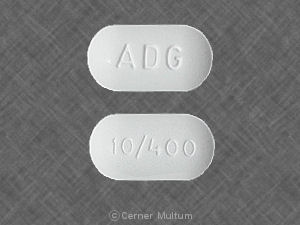
Magnacet Side Effects
Generic name: acetaminophen / oxycodone
Medically reviewed by Drugs.com. Last updated on Jan 8, 2024.
Note: This document contains side effect information about acetaminophen / oxycodone. Some dosage forms listed on this page may not apply to the brand name Magnacet.
Applies to acetaminophen / oxycodone: oral solution, oral tablet.
Warning
Oral route (Tablet; Tablet, Extended Release)
Addiction, Abuse, and MisuseOxycodone/acetaminophen exposes patients and other users to the risks of opioid addiction, abuse, and misuse, which can lead to overdose and death. Assess each patient's risk prior to prescribing oxycodone/acetaminophen, and monitor all patients regularly for the development of these behaviors or conditions.Opioid Analgesic Risk Evaluation and Mitigation Strategy (REMS)To ensure that the benefits of opioid analgesics outweigh the risks of addiction, abuse and misuse, the Food and Drug Administration (FDA) has required a REMS for these products. Under the requirements of the REMS, drug companies with approved opioid analgesic products must make REMS-compliant education programs available to healthcare providers. Healthcare providers are strongly encouraged to: complete a REMS-compliant education program, counsel patients and/or their caregivers, with every prescription, on safe use, serious risks, storage, and disposal of these products, emphasize to patients and their caregivers the importance of reading the Medication Guide every time it is provided by their pharmacists, and consider other tools to improve patient, household, and community safety.Life-Threatening Respiratory DepressionSerious, life-threatening, or fatal respiratory depression may occur with use of oxycodone/acetaminophen. Monitor for respiratory depression, especially during initiation of oxycodone/acetaminophen or following a dose increase.Instruct patients to swallow oxycodone/acetaminophen ER tablets whole; crushing, chewing, or dissolving oxycodone/acetaminophen ER can cause rapid release and absorption of a potentially fatal dose of oxycodone Accidental IngestionAccidental ingestion of even one dose of oxycodone/acetaminophen, especially by children, can result in a fatal overdose of oxycodone.Neonatal Opioid Withdrawal SyndromeProlonged use of oxycodone/acetaminophen during pregnancy can result in neonatal opioid withdrawal syndrome, which may be life-threatening if not recognized and treated, and requires management according to protocols developed by neonatology experts. If opioid use is required for a prolonged period in a pregnant woman, advise the patient of the risk of neonatal opioid withdrawal syndrome and ensure that appropriate treatment will be available.Cytochrome P450 3A4 InteractionThe concomitant use of Oxycodone/acetaminophen with all cytochrome P450 3A4 inhibitors may result in an increase in oxycodone plasma concentrations, which could increase or prolong adverse reactions and may cause potentially fatal respiratory depression. In addition, discontinuation of a concomitantly used cytochrome P450 3A4 inducer may result in an increase in oxycodone plasma concentration. Monitor patients receiving Oxycodone/acetaminophen and any CYP3A4 inhibitor or inducer.HepatotoxicityAcetaminophen has been associated with cases of acute liver failure, at times resulting in liver transplant and death. Most of the cases of liver injury are associated with the use of acetaminophen at doses that exceed 4000 milligrams per day, and often involve more than one acetaminophen-containing product Risks from Concomitant Use with Benzodiazepines or Other CNS DepressantsReserve concomitant prescribing of oxycodone/acetaminophen and benzodiazepines or other CNS depressants for use in patients for whom alternative treatment options are inadequate. Limit dosages and durations to the minimum required. Follow patients for signs and symptoms of respiratory depression and sedation.
Serious side effects of Magnacet
Along with its needed effects, acetaminophen / oxycodone may cause some unwanted effects. Although not all of these side effects may occur, if they do occur they may need medical attention.
Check with your doctor immediately if any of the following side effects occur while taking acetaminophen / oxycodone:
More common
- Black, tarry stools
- chills
- dark urine
- dizziness
- fever
- headache
- itching, skin rash
- light-colored stools
- loss of appetite
- nausea
- stomach pain
- unpleasant breath odor
- unusual tiredness or weakness
- vomiting of blood
- yellow eyes or skin
Rare
- Cough
- fever with or without chills
- general feeling of tiredness or weakness
- hoarseness
- lower back or side pain
- painful or difficult urination
- sore throat
- sores, ulcers, or white spots on the lips or in the mouth
- unusual bleeding or bruising
Incidence not known
- Back, leg, or stomach pains
- bleeding gums
- bloating
- blood in the urine or stools
- blue lips and fingernails
- blurred vision
- burning, crawling, itching, numbness, prickling, "pins and needles", or tingling feelings
- chest pain, discomfort, or tightness
- cloudy urine
- clumsiness
- confusion
- constipation
- coughing that sometimes produces a pink frothy sputum
- darkening of the skin
- decreased awareness or responsiveness
- decreased frequency or amount of urine
- diarrhea
- difficult, fast, noisy breathing
- difficulty in passing urine (dribbling)
- difficulty with swallowing
- dizziness, faintness, or lightheadedness when getting up suddenly from a lying or sitting position
- drowsiness
- dry mouth
- extremely shallow or slow breathing
- fainting
- fast or deep breathing
- fast, slow, irregular, pounding, or racing heartbeat
- feeling of warmth
- general body swelling
- hives or welts
- increased sweating
- increased thirst
- indigestion
- large, hive-like swelling on the face, eyelids, lips, tongue, throat, hands, legs, feet, or genitals
- lightheadedness
- mental depression
- muscle aches, tremors, or weakness
- nervousness
- nosebleeds
- pains in the stomach, side, or abdomen, possibly radiating to the back
- pale skin
- pinpoint red spots on the skin
- pounding in the ears
- puffiness or swelling of the eyelids or around the eyes, face, lips, or tongue
- rapid, deep or shallow breathing
- redness of the face, neck, arms, and occasionally, upper chest
- restlessness
- seizures
- severe constipation
- severe sleepiness
- severe vomiting
- skin blisters
- sleepiness
- stomach cramps
- sunken eyes
- sweating
- swelling of the face, fingers, lower legs, or ankles
- thirst
- tiredness
- trouble breathing
- vomiting
- weakness or heaviness of the legs
- weight gain
Get emergency help immediately if any of the following symptoms of overdose occur while taking acetaminophen / oxycodone:
Symptoms of overdose
- Bluish lips or skin
- change in consciousness
- cold, clammy skin
- extreme sleepiness
- general feeling of discomfort or illness
- loss of consciousness
- low blood pressure or pulse
- slow breathing
- unconsciousness
Other side effects of Magnacet
Some side effects of acetaminophen / oxycodone may occur that usually do not need medical attention. These side effects may go away during treatment as your body adjusts to the medicine. Also, your health care professional may be able to tell you about ways to prevent or reduce some of these side effects.
Check with your health care professional if any of the following side effects continue or are bothersome or if you have any questions about them:
More common
- Relaxed and calm feeling
Incidence not known
- Agitation
- bad, unusual or unpleasant (after) taste
- belching
- change in taste
- cold sweats
- constricted, pinpoint, or small pupils (black part of the eye)
- continuing ringing or buzzing or other unexplained noise in the ears
- cool, pale skin
- depression
- difficulty with moving
- disturbed color perception
- double vision
- excess air or gas in the stomach or bowels
- false or unusual sense of well-being
- flushed, dry skin
- fruit-like breath odor
- full feeling
- general feeling of discomfort or illness
- halos around lights
- hearing loss
- heartburn
- increased hunger
- increased urination
- indigestion
- joint pain
- lack or loss of strength
- muscle cramps, spasms, pain, or stiffness
- night blindness
- nightmares
- overbright appearance of lights
- seeing, hearing, or feeling things that are not there
- seizures
- shakiness
- slurred speech
- swollen joints
- trouble sleeping
- tunnel vision
- unexplained weight loss
- unusual drowsiness, dullness, tiredness, weakness, or feeling of sluggishness
For Healthcare Professionals
Applies to acetaminophen / oxycodone: oral capsule, oral solution, oral tablet, oral tablet extended release.
General
The most commonly reported adverse events have included lightheadedness, dizziness, drowsiness, sedation, nausea, and vomiting.[Ref]
Respiratory
Common (1% to 10%): Cough
Frequency not reported: Apnea, respiratory arrest, respiratory depression, hiccups
Postmarketing reports: Bronchospasm, dyspnea, hyperpnea, pulmonary edema, tachypnea, hypoventilation, laryngeal edema[Ref]
Hepatic
Oxycodone-acetaminophen:
Postmarketing reports: Transient elevations of hepatic enzymes, increased bilirubin, hepatic failure, jaundice, hepatotoxicity, hepatic disorder, hepatitis
Acetaminophen:
Frequency not reported: Hepatic necrosis[Ref]
At high doses, the most serious acetaminophen related adverse event is a dose-dependent, potentially fatal hepatic necrosis.[Ref]
Hypersensitivity
Frequency not reported: Skin eruptions, urticaria, erythematous skin reactions
Postmarketing reports: Anaphylaxis, allergic reaction, angioedema[Ref]
Dermatologic
Common (1% to 10%): Rash, blister, excoriation, pruritus, erythema
Frequency not reported: Dermatitis, ecchymosis, hyperhidrosis
Postmarketing reports: Urticaria, flushing, increased sweating[Ref]
Nervous system
Very common (10% or more): Dizziness (up to 13%)
Common (1% to 10%): Headache, somnolence
Frequency not reported: Lightheadedness, dizziness, drowsiness, sedation, migraine, myoclonus, paresthesia, tremor
Postmarketing reports: Stupor, cerebral edema, coma, subdural or intracranial hemorrhage, seizures
Opioids:
Postmarketing reports: Serotonin syndrome[Ref]
Psychiatric
Frequency not reported: Euphoria, dysphoria, insomnia, altered mood, sleep disorder, withdrawal syndrome
Postmarketing reports: Agitation, confusion, anxiety, mental impairment, drug dependence, drug abuse, depression, nervousness, hallucination, suicide[Ref]
Gastrointestinal
Very common (10% or more): Nausea (up to 31%)
Common (1% to 10%): Vomiting, constipation, dry mouth, dyspepsia, diarrhea
Frequency not reported: Esophageal spasm, oropharyngeal pain, throat irritation
Postmarketing reports: Abdominal pain, abdominal distention, flatulence, gastrointestinal disorder, pancreatitis, intestinal obstruction, ileus, thirst[Ref]
Hematologic
Oxycodone-acetaminophen:
Frequency not reported: Thrombocytopenia, neutropenia, pancytopenia, hemolytic anemia
Acetaminophen:
Rare (0.01% to 0.1%): Agranulocytosis[Ref]
Renal
Postmarketing reports: Renal insufficiency and failure[Ref]
Cardiovascular
Common (1% to 10%): Edema
Frequency not reported: Hypotension, chest discomfort
Postmarketing reports: Tachycardia, dysrhythmias, orthostatic hypotension, bradycardia, palpitations, hypertension[Ref]
Metabolic
Frequency not reported: Decreased appetite
Postmarketing reports: Hypoglycemia, hyperglycemia, acidosis, alkalosis, hyperkalemia, dehydration
Musculoskeletal
Postmarketing reports: Rhabdomyolysis, myalgia
Ocular
Postmarketing reports: Miosis, visual disturbances, red eye
Genitourinary
Common (1% to 10%): Dysuria
Frequency not reported: Urinary retention, interstitial nephritis, proteinuria, decreased urine flow
Other
Postmarketing reports: Malaise, asthenia, fatigue, fever, hypothermia, accidental overdose, non-accidental overdose, hearing loss, tinnitus[Ref]
Endocrine
Opioids:
Postmarketing reports: Adrenal insufficiency, androgen deficiency
Adrenal insufficiency and androgen deficiency have been reported with opioid use, most often with chronic use.
More about Magnacet (acetaminophen / oxycodone)
- Check interactions
- Compare alternatives
- Reviews (2)
- Drug images
- Latest FDA alerts (5)
- Dosage information
- During pregnancy
- Drug class: narcotic analgesic combinations
Patient resources
Other brands
Percocet, Endocet, Roxicet, Tylox, ... +8 more
Professional resources
Other brands
Percocet, Endocet, Roxicet, Tylox, ... +4 more
Related treatment guides
References
1. Leow KP, Smith MT, Watt JA, Williams BE, Cramond T. Comparative oxycodone pharmacokinetics in humans after intravenous, oral, and rectal administration. Ther Drug Monit. 1992;14:479-84.
2. Multum Information Services, Inc. Expert Review Panel
3. Product Information. Percocet 5/325 (acetaminophen-oxycodone). Endo Laboratories LLC. 2017.
4. Product Information. Xartemis XR (acetaminophen-oxycodone). Mallinckrodt Medical Inc. 2017.
5. Product Information. Acetaminophen-Oxycodone Hydrochloride (acetaminophen-oxycodone). Mallinckrodt Medical Inc. 2017.
6. Product Information. Percocet (acetaminophen-oxycodone). DuPont Pharmaceuticals. 2001;PROD.
7. Kondo K, Inoue Y, Hamada H, Yokoyama A, Kohno N, Hiwada K. Acetaminophen-induced eosinophilic pneumonia. Chest. 1993;104:291-2.
8. Kaysen GA, Pond SM, Roper MH, Menke DJ, Marrama MA. Combined hepatic and renal injury in alcoholics during therapeutic use of acetaminophen. Arch Intern Med. 1985;145:2019-23.
9. O'Dell JR, Zetterman RK, Burnett DA. Centrilobular hepatic fibrosis following acetaminophen-induced hepatic necrosis in an alcoholic. JAMA. 1986;255:2636-7.
10. Seeff LB, Cuccherini BA, Zimmerman HJ, Adler E, Benjamin SB. Acetaminophen hepatotoxicity in alcoholics. Ann Intern Med. 1986;104:399-404.
11. Minton NA, Henry JA, Frankel RJ. Fatal paracetamol poisoning in an epileptic. Hum Toxicol. 1988;7:33-4.
12. Keaton MR. Acute renal failure in an alcoholic during therapeutic acetaminophen ingestion. South Med J. 1988;81:1163-6.
13. Shriner K, Goetz MB. Severe hepatotoxicity in a patient receiving both acetaminophen and zidovudine. Am J Med. 1992;93:94-6.
14. Keays R, Harrison PM, Wendon JA, et al. Intravenous acetylcysteine in paracetamol induced fulminant hepatic failure: a prospective controlled trial. BMJ. 1991;303:1026-9.
15. Rumore MM, Blaiklock RG. Influence of age-dependent pharmacokinetics and metabolism on acetaminophen hepatotoxicity. J Pharm Sci. 1992;81:203-7.
16. Mofenson HC, Caraccio TR, Nawaz H, Steckler G. Acetaminophen induced pancreatitis. Clin Toxicol. 1991;29:223-30.
17. Kumar S, Rex DK. Failure of physicians to recognize acetaminophen hepatotoxicity in chronic alcoholics. Arch Intern Med. 1991;151:1189-91.
18. Block R, Jankowski JA, Lacoux P, Pennington CR. Does hypothermia protect against the development of hepatitis in paracetamol overdose? Anaesthesia. 1992;47:789-91.
19. Brotodihardjo AE, Batey RG, Farrell GC, Byth K. Hepatotoxicity from paracetamol self-poisoning in Western Sydney: a continuing challenge. Med J Aust. 1992;157:382-5.
20. Johnson GK, Tolman KG. Chronic liver disease and acetaminophen. Ann Intern Med. 1977;87:302-4.
21. McJunkin B, Barwick KW, Little WC, Winfield JB. Fatal massive hepatic necrosis following acetaminophen overdose. JAMA. 1976;236:1874-5.
22. Block R. Liver failure induced by paracetamol. BMJ. 1993;306:457.
23. Wong V, Daly M, Boon A, Heatley V. Paracetamol and acute biliary pain with cholestasis. Lancet. 1993;342:869.
24. Bray GP. Liver failure induced by paracetamol. BMJ. 1993;306:157-8.
25. Lee WM. Acute liver failure. Am J Med. 1994;96:3-9.
26. Bonkovsky HL, Kane RE, Jones DP, Galinsky RE, Banner B. Acute hepatic and renal toxicity from low doses of acetaminophen in the absence of alcohol abuse or malnutrition - evidence for increased susceptibility to drug toxicity due to cardiopulmonary and renal insufficiency. Hepatology. 1994;19:1141-8.
27. Cheung L, Potts RG, Meyer KC. Acetaminophen treatment nomogram. N Engl J Med. 1994;330:1907-8.
28. Hartleb M. Do thyroid hormones promote hepatotoxicity to acetaminophen? Am J Gastroenterol. 1994;89:1269-70.
29. Smilkstein MJ, Douglas Dr, Daya MR. Acetaminophen poisoning and liver function. N Engl J Med. 1994;331:1310-1.
30. Whitcomb DC. Acetaminophen poisoning and liver function. N Engl J Med. 1994;331:1311.
31. Cheung L, Meyer KC. Acetaminophen poisoning and liver function. N Engl J Med. 1994;331:1311-2.
32. Whitcomb DC, Block GD. Association of acetaminopphen hepatotoxicity with fasting and ethanol use. JAMA. 1994;272:1845-50.
33. Bonkovsky HL. Acetaminophen hepatotoxicity, fasting, and ethanol. JAMA. 1995;274:301.
34. Nelson EB, Temple AR. Acetaminophen hepatotoxicity, fasting, and ethanol. JAMA. 1995;274:301.
35. Singer AJ, Carracio TR, Mofenson HC. The temporal profile of increased transaminase levels in patients with acetaminophen-induced liver dysfunction. Ann Emerg Med. 1995;26:49-53.
36. Zimmerman HJ, Maddrey WC. Acetaminophen (paracetamol) hepatotoxicity with regular intake of alcohol: analysis of instances of therapeutic misadventure. Hepatology. 1995;22:767-73.
37. Lee WM. Medical progress: drug-induced hepatotoxicity. N Engl J Med. 1995;333:1118-27.
38. Bolesta S, Haber SL. Hepatotoxicity associated with chronic acetaminophen administration in patients without risk factors. Ann Pharmacother. 2002;36:331-3.
39. Settipane RA, Stevenson DD. Cross sensitivity with acetaminophen in aspirin-sensitive subjects with asthma. J Allergy Clin Immunol. 1989;84:26-33.
40. Van Diem L, Grilliat JP. Anaphylactic shock induced by paracetamol. Eur J Clin Pharmacol. 1990;38:389-90.
41. Leung R, Plomley R, Czarny D. Paracetamol anaphylaxis. Clin Exp Allergy. 1992;22:831-3.
42. Doan T, Greenberger PA. Nearly fatal episodes of hypotension, flushing, and dyspnea in a 47- year-old woman. Ann Allergy. 1993;70:439-44.
43. Kalyoncu AF. Acetaminophen hypersensitivity and other analgesics. Ann Allergy. 1994;72:285.
44. Doan T. Acetaminophen hypersensitivity and other analgesics - response. Ann Allergy. 1994;72:285.
45. Thomas RH, Munro DD. Fixed drug eruption due to paracetamol. Br J Dermatol. 1986;115:357-9.
46. Guccione JL, Zemtsov A, Cobos E, Neldner KH. Acquired purpura fulminans induced by alcohol and acetaminophen - successful treatment with heparin and vitamin-k. Arch Dermatol. 1993;129:1267-9.
47. Filipe PL, Freitas JP, Decastro JC, Silva R. Drug eruption induced by acetaminophen in infectious mononucleosis. Int J Dermatol. 1995;34:220-1.
48. Leow KP, Smith MT, Williams B, Cramond T. Single-dose and steady-state pharmacokinetics and pharmacodynamics of oxycodone in patients with cancer. Clin Pharmacol Ther. 1992;52:487-95.
49. Glare P, Walsh D. Dose-ranging study of oxycodone for advanced cancer pain (meeting abstract). Proc Annu Meet Am Soc Clin Oncol. 1991;10:a1201.
50. Glare PA, Walsh TD. Dose-ranging study of oxycodone for chronic pain in advanced cancer. J Clin Oncol. 1993;11:973-8.
51. Sunshine A, Olson NZ, Zighelboim I, Decastro A. Ketoprofen, acetaminophen plus oxycodone, and acetaminophen in the relief of postoperative pain. Clin Pharmacol Ther. 1993;54:546-55.
52. Fishbain DA, Goldberg M, Rosomoff RS, Rosomoff H. Atypical withdrawal syndrome (organic delusional syndrome) secondary to oxycodone detoxification . J Clin Psychopharmacol. 1988;8:441-2.
53. Shoenfeld Y, Shaklai M, Livni E, Pinkhas J. Thrombocytopenia from acetaminophen. N Engl J Med. 1980;303:47.
54. Bougie DW, Benito AI, Sanchez-Abarca LI, Torres R, Birenbaum J, Aster RH. Acute thrombocytopenia caused by sensitivity to the glucuronide conjugate of acetaminophen. Blood. 2007;109:3608-9.
55. Kleinman JG, Breitenfield RV, Roth DA. Transient cholestatic hepatitis in a neonate associated with carbamazepine exposure during pregnancy and breast-feeding. Clin Nephrol. 1980;14:201-5.
56. Segasothy M, Suleiman AB, Puvaneswary M, Rohana A. Paracetamol: a cause for analgesic nephropathy and end-stage renal disease. Nephron. 1988;50:50-4.
57. Duchene A, Chadenas D, Marneffe-Lebrequier H. Insuffisance renale aigue isolee apres intoxication volontaire par le paracetamol. Presse Med. 1991;20:1684-5.
58. Curry RW, Robinson JD, Sughrue MJ. Acute renal failure after acetaminophen ingestion. JAMA. 1982;247:1012-4.
59. Goldberg M. Analgesic nephropathy in 1981: which drug is responsible? JAMA. 1982;247:64-5.
60. Boyer TD, Rouff SL. Acetaminophen-induced hepatic necrosis and renal failure. JAMA. 1971;218:440-1.
61. Vanchieri C. Australian study links certain analgesics to renal cancers. J Natl Cancer Inst. 1993;85:262-3.
62. McCredie M, Stewart JH, Day NE. Different roles for phenacetin and paracetamol in cancer of the kidney and renal pelvis. Int J Cancer. 1993;53:245-9.
63. Drenth JP, Frenken LA, Wuis EW, Van der Meer JW. Acute renal failure associated with paracetamol ingestion in an alcoholic patient. Nephron. 1994;67:483-5.
64. Perneger TV, Whelton PK, Klag MJ. Risk of kidney failure associated with the use of acetaminophen, aspirin, and nonsteroidal antiinflammatory drugs. N Engl J Med. 1994;331:1675-79.
65. Brown G. Acetaminophen-induced hypotension. Heart Lung. 1996;25:137-40.
66. Gardos G. Dyskinesia after discountinuation of compound analgesic containing oxycodone . Lancet. 1977;1:759-60.
Further information
Always consult your healthcare provider to ensure the information displayed on this page applies to your personal circumstances.
Some side effects may not be reported. You may report them to the FDA.