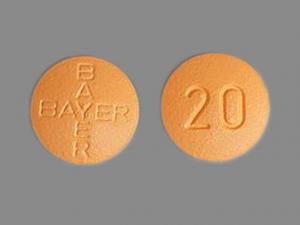
Levitra Side Effects
Generic name: vardenafil
Medically reviewed by Drugs.com. Last updated on Aug 11, 2023.
Note: This document contains side effect information about vardenafil. Some dosage forms listed on this page may not apply to the brand name Levitra.
Applies to vardenafil: oral tablet, oral tablet disintegrating.
Serious side effects of Levitra
Along with its needed effects, vardenafil (the active ingredient contained in Levitra) may cause some unwanted effects. Although not all of these side effects may occur, if they do occur they may need medical attention.
Check with your doctor immediately if any of the following side effects occur while taking vardenafil:
Less common
- Arm, back, or jaw pain
- blindness
- blurred vision
- chest pain, discomfort, or tightness
- chest tightness or heaviness
- chills
- cold sweats
- confusion
- decreased vision
- difficult or labored breathing
- difficulty with swallowing
- dizziness
- dizziness, faintness, or lightheadedness when getting up suddenly from a lying or sitting position
- eye pain
- fainting
- fast, irregular, pounding, or racing heartbeat or pulse
- headache
- hives, itching, or skin rash
- nausea
- nervousness
- pain or discomfort in the arms, jaw, back, or neck
- pounding in the ears
- puffiness or swelling of the eyelids or around the eyes, face, lips, or tongue
- slow or fast heartbeat
- sweating
- tearing
- unusual tiredness or weakness
- vomiting
Incidence not known
Other side effects of Levitra
Some side effects of vardenafil may occur that usually do not need medical attention. These side effects may go away during treatment as your body adjusts to the medicine. Also, your health care professional may be able to tell you about ways to prevent or reduce some of these side effects.
Check with your health care professional if any of the following side effects continue or are bothersome or if you have any questions about them:
More common
- Feeling of warmth and redness of the face, neck, arms, and occasionally, upper chest
- sneezing
- stuffy nose
Less common
- Abnormal ejaculation
- abnormal vision
- acid or sour stomach
- back pain
- belching
- bloody nose
- body aches or pain
- burning feeling in the chest or stomach
- burning, crawling, itching, numbness, prickling, "pins and needles", or tingling feelings
- changes in color vision
- changes in vision
- congestion
- cough
- diarrhea
- difficulty seeing at night
- difficulty with moving
- difficulty with swallowing
- dim vision
- dry mouth
- dryness or soreness of the throat
- excessive muscle tone
- eye pain
- face swelling
- fast heartbeat
- feeling of constant movement of self or surroundings
- fever
- general feeling of discomfort or illness
- heartburn
- hoarseness
- increased redness of the eye
- increased sensitivity of the eyes to sunlight
- indigestion
- joint pain
- lack or loss of strength
- loss of appetite
- muscle aches and pains
- muscle cramping
- muscle stiffness
- muscle tension or tightness
- neck pain
- pain or burning in the throat
- runny nose
- sensation of spinning
- shivering
- sleepiness or unusual drowsiness
- sore throat
- sores, ulcers, or white spots on the lips or tongue or inside the mouth
- stomach discomfort, upset, or pain
- swollen joints
- tender, swollen glands in the neck
- tenderness in the stomach area
- trouble with sleeping
- trouble with swallowing
- voice changes
- watery eyes
For Healthcare Professionals
Applies to vardenafil: oral tablet, oral tablet disintegrating.
General
The most commonly reported adverse reaction is headache.[Ref]
Cardiovascular
Very common (10% or more): Flushing (11%)
Common (1% to 10%): Palpitation, tachycardia, angina pectoris, myocardial infarction, ventricular tachyarrhythmias, hypotension
Rare (less than 0.1%): Hypertension
Postmarketing reports: Serious cerebrovascular hemorrhage, sudden cardiac death, transient ischemic attack, unstable angina and ventricular arrhythmia have been reported in temporal association with another medicinal product in this class.[Ref]
Nervous system
Very common (10% or more): Headache (15%)
Common (1% to 10%): Dizziness, paresthesia and dysesthesia, somnolence, sleep disorder, syncope, amnesia, seizure
Postmarketing reports: Seizure, seizure recurrence, transient global amnesia[Ref]
Dermatologic
Common (1% to 10%): Erythema, rash, angioedema, allergic edema
Rare (less than 0.1%): Photosensitivity reaction[Ref]
Gastrointestinal
Common (1% to 10%): Dyspepsia, nausea, gastrointestinal and abdominal pain, dry mouth, diarrhea, gastroesophageal reflux disease, gastritis, vomiting[Ref]
Genitourinary
Uncommon (0.1% to 1%): Increase in erection
Rare (less than 0.1%): Priapism
Postmarketing reports: Penile hemorrhage, hematospermia[Ref]
Hepatic
Common (1% to 10%): Increase in transaminases
Rare (less than 0.1%) Increase in gamma-glutamyl-transferase[Ref]
Hypersensitivity
Common (1% to 10%): Allergic reactions
Musculoskeletal
Common (1% to 10%): Back pain, increase in creatine phosphokinase (CPK), increased muscle tone and cramping, myalgia[Ref]
Ocular
Common (1% to 10%): Visual disturbance, ocular hyperemia, visual color distortions, eye pain and eye discomfort, photophobia, increase in intraocular pressure, conjunctivitis
Rare (less than 0.1%): Increased lacrimation
Postmarketing reports: Non-arteritic anterior ischemic optic neuropathy (NAION), visual disturbances including vision loss (temporary or permanent), such as visual field defect, retinal vein occlusion, and reduced visual acuity.[Ref]
Non-arteritic anterior ischemic optic neuropathy (NAION), a cause of decreased vision including permanent loss of vision, has been reported rarely postmarketing in temporal association with the use of phosphodiesterase type 5 (PDE5) inhibitors, including vardenafil.[Ref]
Other
Common (1% to 10%): Accidental injury, flu syndrome, tinnitus, vertigo, chest pain, feeling unwell
Postmarketing reports: Cases of sudden decrease or loss of hearing in temporal association with the use of PDE5 inhibitors, including this drug[Ref]
Renal
Common (1% to 10%): Increased creatinine kinase
Postmarketing reports: Hematuria[Ref]
Respiratory
Common (1% to 10%): Rhinitis, sinusitis, dyspnea, sinus congestion, nasal congestion
Rare (less than 0.1%): Epistaxis[Ref]
Frequently asked questions
More about Levitra (vardenafil)
- Check interactions
- Compare alternatives
- Reviews (136)
- Drug images
- Dosage information
- During pregnancy
- Support group
- Drug class: impotence agents
- Breastfeeding
- En español
Patient resources
Other brands
Professional resources
Other brands
Related treatment guides
References
1. Product Information. Levitra (vardenafil). Bayer. 2003.
2. Cerner Multum, Inc. UK Summary of Product Characteristics.
3. Cerner Multum, Inc. Australian Product Information.
4. Product Information. Staxyn (vardenafil). Merck & Co., Inc. 2014.
Further information
Always consult your healthcare provider to ensure the information displayed on this page applies to your personal circumstances.
Some side effects may not be reported. You may report them to the FDA.